Author: americalatinanews.com

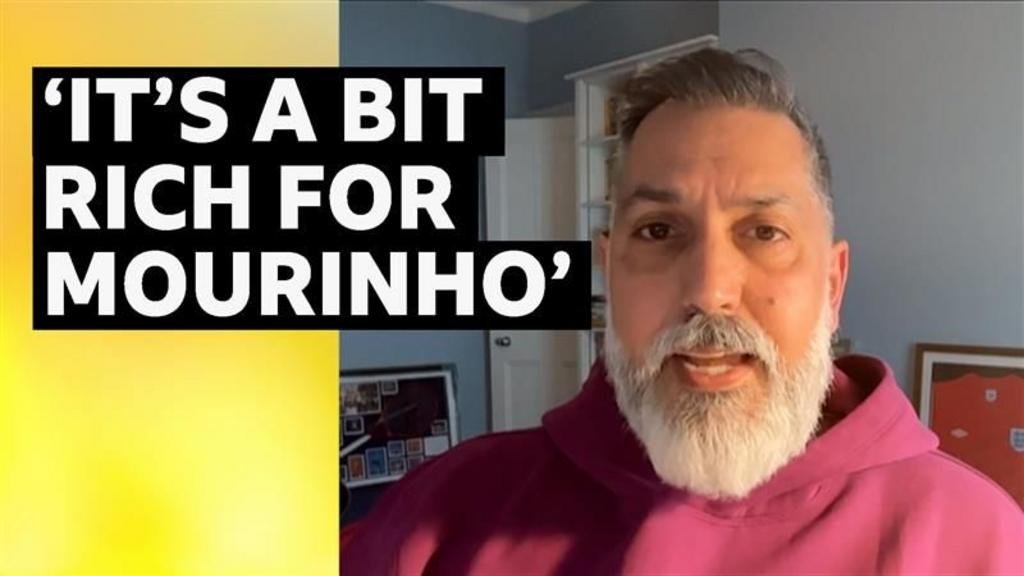
  • Champions League: Kick It Out chair Sanjay Bhandari criticises Jose Mourinho for response after Vinicius Junior alleges he was racially abused

    Champions League: Kick It Out chair Sanjay Bhandari criticises Jose Mourinho for response after Vinicius Junior alleges he was racially abused


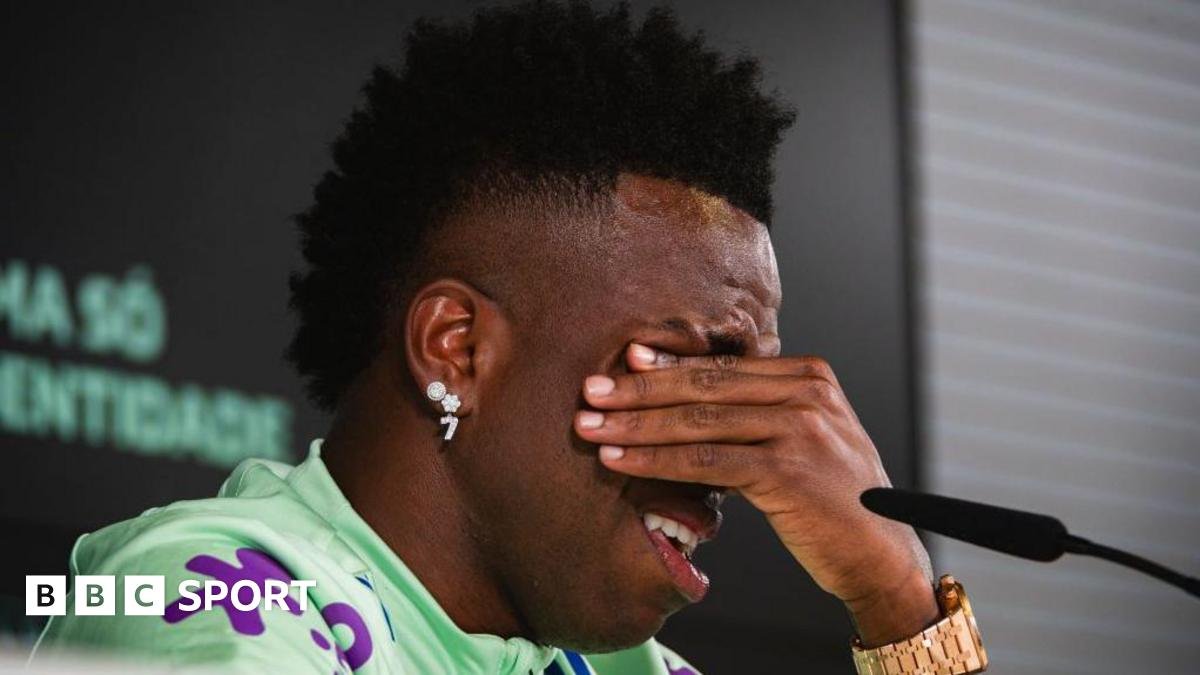
    The chair of Kick It Out, Sanjay Bhandari, says the lack of support from Benfica and the response of their manager Jose Mourinho has “set the tone” in the racism row between the Portuguese club and Real Madrid, after Vinicius Junior alleged he had been racially abused by midfielder Gianluca Prestianni.

    READ MORE: Benfica claim ‘defamation campaign’ against Prestianni


    Source link

  • “Cuba en la hora del cambio”, episodio #4 / FIU Parte 2

    “Cuba en la hora del cambio”, episodio #4 / FIU Parte 2


    En esta edición se aborda el pensamiento martiano, la relación histórica de Estados Unidos y Cuba y la importancia del activismo ciudadano en la isla.


    Source link

  • ‘Debí aceptar la embajada que me regalaban’ – El Financiero

    ‘Debí aceptar la embajada que me regalaban’ – El Financiero


    Después de dejar su cargo en la Secretaría de Educación Pública (SEP), Marx Arriaga compartió su vuelo rumbo a Chihuahua y respondió con ironía a las acusaciones sobre supuestos “moches” a trabajadores de la dependencia.

    En su mensaje, el exdirector general de Materiales Educativos aprovechó para criticar a Mario Delgado y hablar de los “moches”: “Si pedía moches a los trabajadores… entonces debí aceptar la embajada que me regalaba Don Mario Delgado, ¿no creen?”, escribió en tono irónico.

    Ayer, Arriaga negó categóricamente, desde el Metro de la Ciudad de México, que él o sus colaboradores hayan solicitado “moches” o favores a trabajadores de la SEP.

    “Nunca existió ninguna actitud indebida por parte de compañeros trabajadores ni de la propia Secretaría. Tampoco hubo solicitud alguna de beneficios o favores. Conocemos a muchos maestros en el país, hemos trabajado junto a ellos durante años y en ningún momento se pidió nada”, afirmó.

    Marx Arriaga sostuvo que su gestión estuvo guiada por la búsqueda de justicia y no por intereses personales. “Lo que siempre buscamos fue justicia social, no enriquecernos. Nos vamos como llegamos”, recalcó.

    También calificó como falsas las acusaciones en su contra y explicó que actualmente existe una investigación abierta relacionada con funcionarios que renunciaron previamente a la institución.


    El exfuncionario de la SEP indicó que el órgano interno de control realiza las indagatorias correspondientes, pero aseguró que no hay ningún señalamiento formal en su contra.

    Marx Arriaga estuvo atrincherado cuatro días tras su despido en la SEP

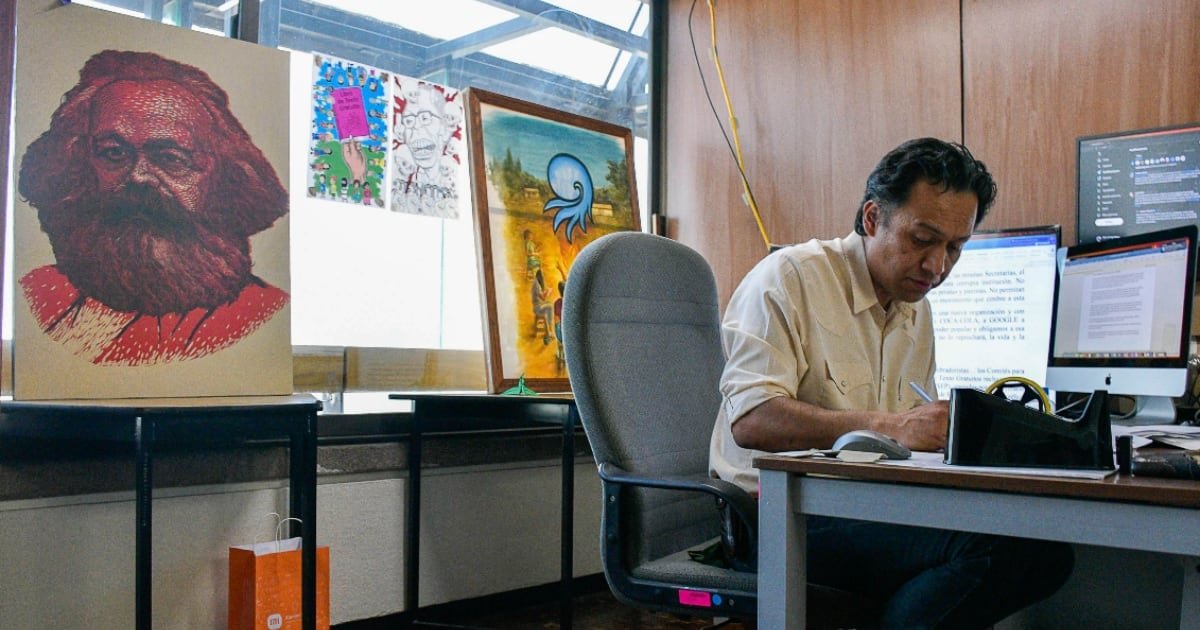
    Marx Arriaga dejó este martes 17 de febrero su cargo y abandonó sus oficinas en la Ciudad de México, donde se atrincheró desde el pasado viernes 13.

    La SEP informó aquel día que habría un cambio en la dirección general que Arriaga ocupaba desde 2021 y notificó, de manera verbal, al funcionario, pero este decidió no dejar su oficina, donde permaneció cuatro días, hasta que su despido fuera “conforme a la ley y no con una notificación verbal”.

    Para presionar su salida, funcionarios del área jurídica de la SEP llegaron a la oficina de Arriaga junto con policías, un escenario que fue aprovechado por el protagonista para criticar su cese.

    No me aferro al cargo”, dijo Arriaga, quien diseñó los polémicos nuevos libros de texto gratuitos de la SEP, y exigió la entrega del acta de despido para formalizar su salida.

    Marx Arriaga optó por el enfrentamiento y acusó de su salida al actual titular de la dependencia, Mario Delgado, y pidió la intervención de la presidenta Claudia Sheinbaum.

    Con información de EFE


    Source link

  • Costa Rica Unearths Giant Sloth and Mastodon Fossils, Rewrites Memory

    Costa Rica Unearths Giant Sloth and Mastodon Fossils, Rewrites Memory


    In Costa Rica’s Cartago province, a confidential dig has pulled giant sloth and mastodon remains from layered sediment after a citizen report on private land. Now the National Museum faces a policy choice: keep rescuing fossils, or build a permanent home.

    A Tusk in the Dirt, a Country in the Layers

    At the edge of the excavation, the ground tells its story in thin bands. One layer yields easily. Another holds like damp cement. Tools scrape, then stop. A brush takes over. The air has that raw, mineral smell you only notice when earth has been opened and kept open, when a place that was sealed for millennia becomes a worksite again.

    Somewhere in Cartago, at a site the authorities are keeping confidential, a team has been doing this 13 times now: excavation and rescue work that has already produced 49 fossil pieces. The list reads like a skeleton assembling itself: vertebrae, a femur, phalanges, ribs, and other bone elements still being identified and studied. And one object that changes the scale of the whole scene, a complete tusk measuring one point sixty meters, plus an additional tusk fragment.

    It is easy to say megafauna and move on. The trouble is that megafauna forces you to picture weight and breath, the slow confidence of animals that once inhabited ecosystems at a size most people now encounter only in museum halls or children’s books. These are not abstract remnants. They are pieces of bodies.

    Preliminary studies, based on geological analysis of the terrain and different sedimentation layers, estimate that the remains of Cuvieronius, described in the notes as a giant mastodon. Eremotherium, described as a giant sloth, could be between ten thousand and forty thousand years old. The numbers are wide, but the timeframe lands in the Pleistocene, a period when Costa Rica’s fossil record often includes gomphotheres, giant sloths, glyptodonts, and toxodonts.

    And it lands in a country whose deep past is often misunderstood in a very specific way.

    Costa Rica did not exist as a landmass during the age of dinosaurs. At that time, the region sat at the bottom of the ocean. The Costa Rica that matters for these fossils is the Costa Rica that formed later as part of the Isthmus of Panama, a corridor for the Great American Biotic Interchange, when animals from North and South America migrated and met.

    So when a tusk emerges in Cartago, it is not only a discovery. It is an argument about what kind of past this country actually has.

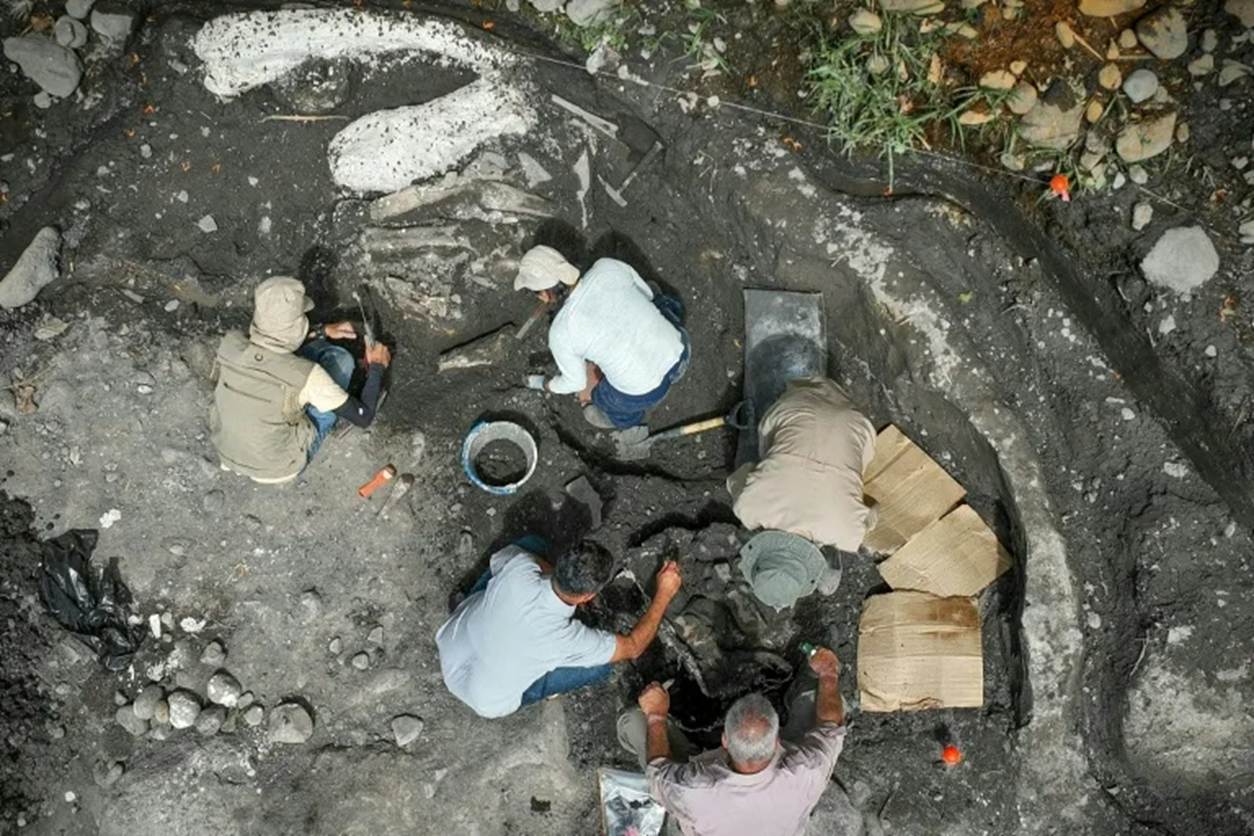
    Archaeologists are taking part in the excavation where the fossil remains of a mastodon and giant sloths were discovered. Ministry of Culture, Costa Rica.

    From a Citizen Tip to a Museum Rescue Operation

    The chain of events begins with something ordinary, even modest: a citizen reports the possible presence of fossil remains on private property. A technical inspection follows, then analysis. The National Museum team determines the pieces belong to megafauna, and an excavation and rescue process begins.

    This matters because it puts Costa Rica’s fossil heritage in a familiar Latin American tension between the public good and private space. The discovery is on private land, but the significance is national. The location remains confidential, protecting the site while the work proceeds, but also turning the fossil record into something that exists at a distance from public view. People hear the headlines. They cannot see the place.

    The technical team leading the effort includes 12 professionals in geology, archaeology, and biology, with support from students from the University of Costa Rica engaged in academic practice. The recovery is led by geologist Joanna Méndez Herrera of the Department of Natural History, with the backing of specialists in conservation and cultural heritage protection from the National Museum. The work also includes advice from Lucas Spencer, a paleontologist at the New Mexico Museum of Natural History, and accompaniment from Costa Rican geologist and academic Guillermo Alvarado.

    Even without turning the site into a spectacle, you can sense the pace and pressure: bone elements still under identification, a rescue process that has to move carefully but cannot drift, and the weight of knowing that one mistake can damage what time has preserved.

    The everyday observation, implied by the structure of the work itself, is that a find like this is not a single cinematic moment. It is repeated labor. It is returning to the ground again and again, logging pieces, stabilizing them, transporting them, and keeping track of which pieces belong to which layer. It is science done in the rhythm of patience.

    It is also, inevitably, a public story.

    The Ministry of Culture framed the discovery as a significant contribution to scientific knowledge and to Costa Rica’s paleontological collection, and as a sign that the country is again positioned at the forefront of regional megafauna research. That framing is not just pride. It is a prompt that pushes the conversation from the dig to the broader question of what happens after the rescue.

    Because fossils do not only need discovery. They need custody.

    AI-generated illustration inspired by newly reported fossil discoveries, created for Latin American Post.

    A Permanent Exhibit and the Politics of Deep Time

    Here is where the policy dispute enters, quietly but decisively. The Minister of Culture and Youth, Jorge Rodríguez, instructed the National Museum to begin designing and enabling a permanent exhibition room for its paleontological collection, so that discoveries and the country’s fossil holdings can serve educational and scientific purposes.

    On its face, the instruction sounds straightforward: build a home for the deep past. But the wager here is larger. A permanent hall is not merely a room with display cases. It is a commitment to continuity, staffing, conservation standards, interpretive choices, and the long-term public work of explaining what these bones mean.

    It is also a way of deciding which stories become central.

    Costa Rica’s natural heritage is often narrated through forests, biodiversity, and living ecosystems. A permanent paleontology space would insist that the country’s identity also includes deep time, the geology that formed a land bridge, the migrations that remade continents, and the Pleistocene animals that walked through what is now national territory.

    That insistence carries power. It changes how students imagine their country. It changes what visitors think of Costa Rica. It anchors science within culture, not as a separate domain reserved for specialists.

    And it arrives at a moment when the discovery itself depends on coordination, on public institutions responding to a citizen tip, and on experts operating in a confidential site that must be protected from curiosity as much as from harm.

    In other words, the fossils are already doing political work. They have pulled private land into a national conversation. They have pulled museum capacity into focus. They have pulled the Ministry of Culture into the role of setting direction, not only celebrating a find.

    Back at the dig, the bones remain stubbornly physical. Sediment on gloves. The slow reveal of a curve that is unmistakably a tusk. A piece lifted, wrapped, and carried as if it could still be hurt.

    In Costa Rica, the past is not only behind. Sometimes it is underfoot, waiting for someone to notice the ground is speaking.

    Also Read:
    Peru’s Ancient Guano Farms Offer Climate Lessons for Today


    Source link

  • Did the White House meeting prompt a real shift in the U.S.–Colombia counternarcotics strategy?

    Did the White House meeting prompt a real shift in the U.S.–Colombia counternarcotics strategy?


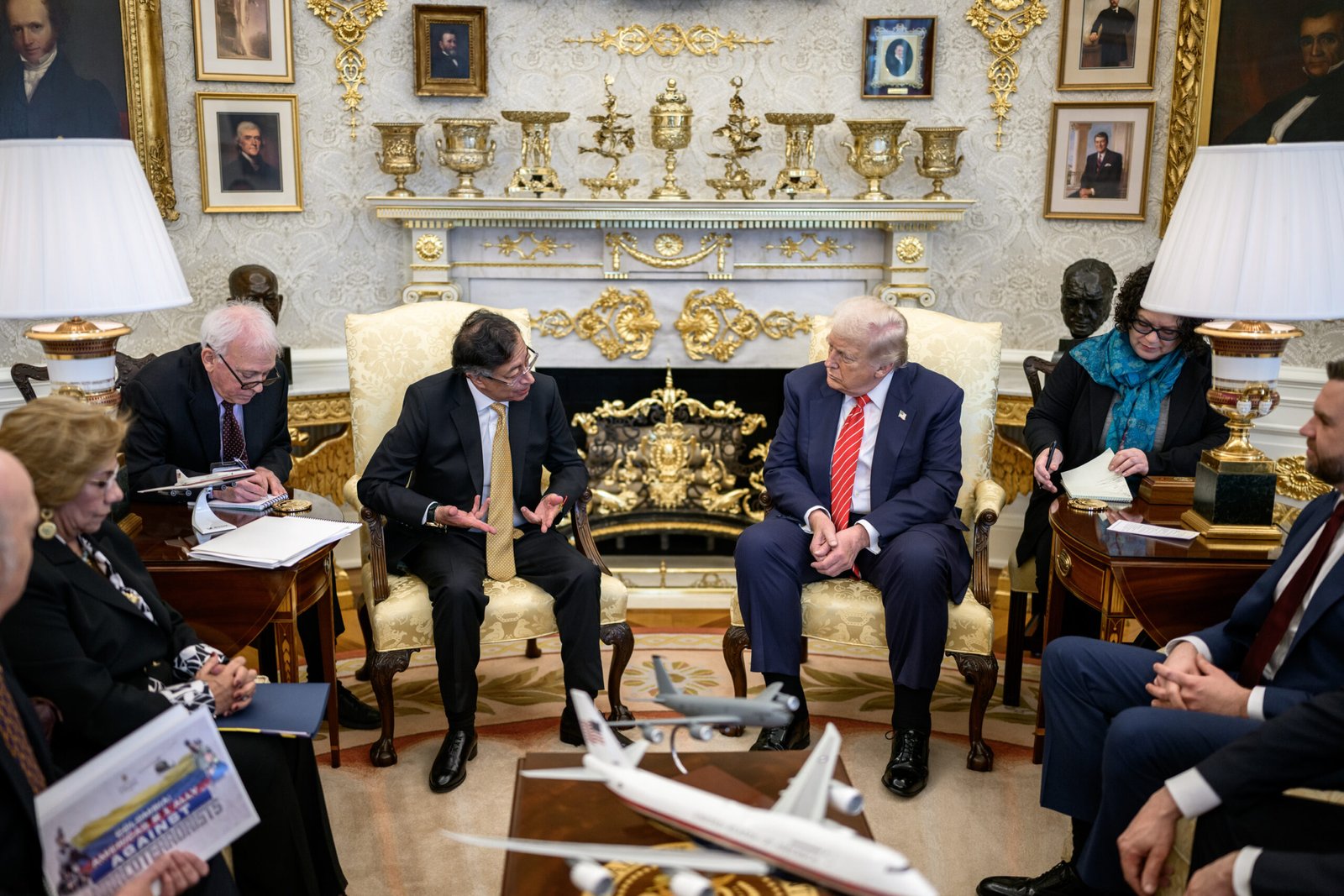
    Medellín, Colombia – Colombian President Gustavo Petro met with his U.S. counterpart, President Donald Trump, at the White House on February 4, 2026, in what had become one of the most anticipated diplomatic encounters of the year. 

    The meeting came nearly five months after Washington decertified Colombia as a reliable partner in its counternarcotics efforts, a move that ultimately triggered a period of visa revocations, sanction threats, and sharp public accusations between the two leaders.

    Read more: Trump invites Colombia’s Petro to White House in major U-turn 

    The tone after the nearly two-hour talk, however, was notably different, with both heads of state describing the encounter as respectful and constructive. According to Petro, they both appeared to agree on the need to prioritize dismantling major trafficking networks and pursuing high-level kingpins—language that pointed to the possibility of renewed cooperation.

    Yet, beyond the conciliatory rhetoric, no joint statement or concrete policy commitments emerged, raising questions about whether the meeting signaled any substantive shift in the U.S.–Colombia counternarcotics strategy.

    A pragmatic truce, not a policy breakthrough

    For Ana María Rueda, drug policy coordinator at the Fundación Ideas para la Paz NGO and former drug policy director at the Colombian Ministry of Justice, the meeting appears less like a strategic turning point and more like a pragmatic truce. The U.S. relies on Colombia as its primary counternarcotics partner in the region, and Colombia, in turn, depends heavily on U.S. cooperation, trade, and security support. 

    After months of mounting friction, stabilizing ties served the interests of both parties. Restoring diplomatic calm, however, is not equivalent to redesigning policy. 

    “I don’t believe there is any agreement on drug policy on the table—at least not one that is explicit or public at this point,” Rueda told Latin American Reports

    “Either substantial discussions took place behind closed doors and were not disclosed, or the meeting functioned primarily as a diplomatic reset.”

    In that sense, the encounter may have acted as a pathway to ease immediate tensions without fundamentally altering the structural direction of Colombia’s counternarcotics efforts.

    Security vs. development: what drove political tensions

    If the meeting sought to reset strained relations, the harder question is what initially destabilized them.

    Some analysts have framed the dispute between Washington and Bogotá as part of a broader debate over how coca cultivation should be addressed; for decades, the U.S. counternarcotics policy has prioritized forced eradication, interdiction, and drug demand reduction. 

    President Gustavo Petro, however, has placed greater emphasis on rural development and voluntary crop substitution programs designed to transform the structural conditions that sustain coca production.

    From an outside perspective, the decertification decision could thus be read as evidence of an ideological clash. Rueda, nonetheless, rejected that characterization:

    “This is not an issue against substitution,” she explained. “In fact, broadly speaking, Americans agree with substitution, have traditionally supported it, and believe the Colombian government should continue implementing it alongside other control measures.”

    In her account, clashes lay not in theory but in implementation. Forced eradication dropped sharply at the start of Petro’s term, while substitution programs advanced more slowly than expected. In the interim, coca cultivation remains near record level highs. 

    “If a strategy is yet to deliver results—if eradication efforts stall, and coca cultivation keeps rising—there’s little ground to stand on,” said Rueda.

    Viewed through that lens, Washington’s decertification appears less like a wholesale rejection of Colombia’s current approach and more like an expression of frustration over the pace and measurability of its results. 

    The numbers debate

    Given that uncertainty surrounding implementation effectiveness created political vulnerability, numbers became Petro’s main line of defense in his meeting with Trump.

    The most recent annual census from the United Nations Office on Drugs and Crime (UNODC)—which typically anchors international reporting and certification debates—shows historically high levels of coca cultivation.

    Petro’s focus, however, was notably different. Rather than centering on an absolute number of hectares, he pointed to Colombia’s more frequent monitoring system to argue that the rate of coca cultivation has declined. In this framing, the key signal is not the total size of the crop, but the moderation of its expansion.

    Read more: Petro proposes end to UN cocaine monitoring in Colombia, citing inaccuracies

    Yet for Rueda, that distinction carries little weight:

    “That kind of wordplay doesn’t serve any meaningful purpose in a political context,” she explained. “Yes, the growth rate has slowed down, but does that tell Trump anything? No. The United States needs to see cultivation figures falling.”

    The dispute, then, is over what constitutes relevant progress. For Petro, slower growth rates suggest that the curve is flattening and that his strategy may be gaining traction. For Rueda—and in her view for U.S. officials evaluating certification—only visible reductions in total hectares carry political weight, since even if expansion rates decline from double digits to low single digits, the baseline remains historically elevated.

    That divergence between narrative stabilization and tangible decline, she suggests, helps explain why the numbers may have had limited persuasive force in shaping Washington’s assessment.

    What would a real shift look like?

    Illegal drug seizures have become more frequent, and the Colombian government has also intensified action against trafficking networks, as per Rueda. 

    “The president has indeed seized a lot; he has performed extraditions; he has done what he said he would do at the upper links of the chain,” she acknowledged. However, there is a sharp distinction between enforcement optics and structural change.

    The issue lies in that seizures and extraditions alone do not automatically translate into sustained reductions in coca cultivation, the investigator noted. Without effective eradication measures alongside a substitution program capable of producing visible territorial contraction, the baseline is unlikely to fall. 

    “I would say that any stabilization observed in certain regions can be better explained by temporary market pressures—such as the sharp drop in coca leaf prices in 2022 and 2023—rather than by Petro’s structural policy outcomes.”

    From Rueda’s perspective, a real shift—one capable of altering Washington’s assessment following the White House meeting—would involve more than recalibrating the narrative around growth rates; it would likely entail a visible increase in forced eradication, the operationalization of drone-based fumigation, and continued high-profile extraditions that signal alignment with U.S. enforcement priorities. 

    This expectation echoes the traditional framework that has shaped bilateral cooperation since the era of Plan Colombia–a U.S.-Colombia joint strategy deployed in the late 1990s to achieve peace and development in the Latin American nation through military action against drug trafficking and armed groups. 

    While Petro has sought to redefine that model around rural development and long-term transformation, Rueda suggests that U.S. certification politics remain anchored in measurable control indicators—above all, coca hectare rates plummeting. 

    Whether such a pivot is politically or practically feasible is another matter. “Petro has five months left in office. At this point, whatever he does is unlikely to generate any measurable impact,” said Rueda. 

    Large-scale eradication campaigns generate rural resistance and would require significant operational buildup. Substitution programs, by design, take years to consolidate. Thus, even if a strategic shift were decided tomorrow, its effects would be unlikely to register before the end of his term.

    In that sense, Petro’s meeting with Trump may have eased diplomatic pressure and stabilized tone. But, in light of absent visible reductions in coca cultivation, it likely does not yet signal a fundamental transformation in the trajectory of U.S.–Colombia counternarcotic efforts.

    Featured image: White House via X.


    Source link

  • Vinicius Jr: Eight years at Real Madrid, 20 cases of alleged racist abuse

    Vinicius Jr: Eight years at Real Madrid, 20 cases of alleged racist abuse


    The hostility towards Vinicius is real – and it has names, dates and court sentences.

    The latest incident at the Estadio da Luz marks the 20th time he has allegedly been abused in his time with Real Madrid.

    He has been insulted in stadiums across Spain. He has testified in court after a black mannequin wearing his shirt was hung from a bridge.

    He has seen fans being sanctioned with suspended sentences for racist abuse in Valencia and Mallorca. This was largely thanks to La Liga’s efforts to ensure those actions do not remain unpunished within a judicial culture that long treated football’s “industrial” language and “banter” with indulgence.

    A chronology of some of the incidents suffered by him makes for depressing reading.

    Back in October 2021 during a Clasico at the Camp Nou, a fan shouted racist abuse at him as he was being substituted. The case was closed because the police were unable to identify the perpetrator.

    Then in March 2022, Mallorca fans made monkey noises towards him and told him that he should “go pick bananas”.

    The authorities were “outraged” and said it was “despicable” but not “criminally significant”. No action was taken.

    On the Spanish football programme El Chiringuito, Pedro Bravo, the head of the Spanish Football Agents’ Association, suggested Vinicius should “stop acting like a monkey” and respect his opponents.

    He later apologized on X, claiming he had “badly used the expression… in a metaphorical way to mean ‘fooling around’”.

    The comment caused outrage, especially in Brazil. No further action was taken.

    In September 2022, Atletico Madrid fans chanted racist abuse outside the stadium. Prosecutors did not file charges.

    Then things got even worse.

    A doll wearing Vinicius’ jersey was found hanging from a bridge in January 2023. Four members of the supporters’ group Frente Atletico were sentenced to prison terms of between 14 and 22 months, which were later commuted to fines and restraining orders.

    Further incidents followed over the next few months, all of which led to little or no repercussions for the perpetrators.

    If there was a turning point it occurred in Valencia at the Mestalla in May 2023, when Vinicius confronted the stands after being insulted.

    Later, in extra time, he was sent off after an argument with Valencia goalkeeper Giorgi Mamardashvili and for punching Hugo Duro in the face.

    In June 2024, three fans were sentenced to eight months in prison and two years of stadium bans for their part in the abuse. It was the first sentence of its kind in Spain.

    When he returned to Mestalla in March 2024 he was met by a chorus of boos. His response? Two goals, celebrated with a raised fist.

    Sometimes he doesn’t even have to be at the match to suffer the racial taunts.

    Eleven days after the Mestalla return, racist abuse towards him was chanted before a Champions League match between Atletico Madrid and Inter. Real Madrid reported the incident to the hate crimes prosecutor’s office.

    Then five days later, at Osasuna’s ground shouts of “Vinicius die” were heard.

    On 29 September 2024, four people were arrested for inciting a hate campaign on social media under anonymity to insult the player during the derby against Atletico Madrid.

    Most recently, this February, during the Copa del Rey semi-final against Real Sociedad, referee Jose Maria Sanchez Martinez paused the match through Spain’s anti-hate protocol.

    This was due to chants against another player, but the cameras also captured a fan making monkey gestures towards Vinicius during the stoppage. The club broadcast announcements over the PA system and LED screens rejecting xenophobic chants.

    Only last month, during Alvaro Arbeloa’s debut as Real manager against Albacete in the Copa del Rey, a group of their fans hurled racist insults at the Brazilian.

    La Liga strongly condemned the incident, reaffirming its support for the player.

    And now the Lisbon incident.

    Perhaps you might wonder why Vinicius continues to react and fight? He gave an answer in June 2024 after the racists who abused him in Valencia were sentenced to jail term.

    “Many people asked me to ignore it, others said that my fight was in vain and that I should just ‘play football’,” Vinicius said in a post on X.

    “But, as I’ve always said, I’m not a victim of racism. I am an executioner of racists. This first criminal conviction in Spanish history is not for me. It’s for all black people.”


    Source link

  • ¡Que se vayan!, lanzan campaña para promover transición democrática en Cuba

    ¡Que se vayan!, lanzan campaña para promover transición democrática en Cuba


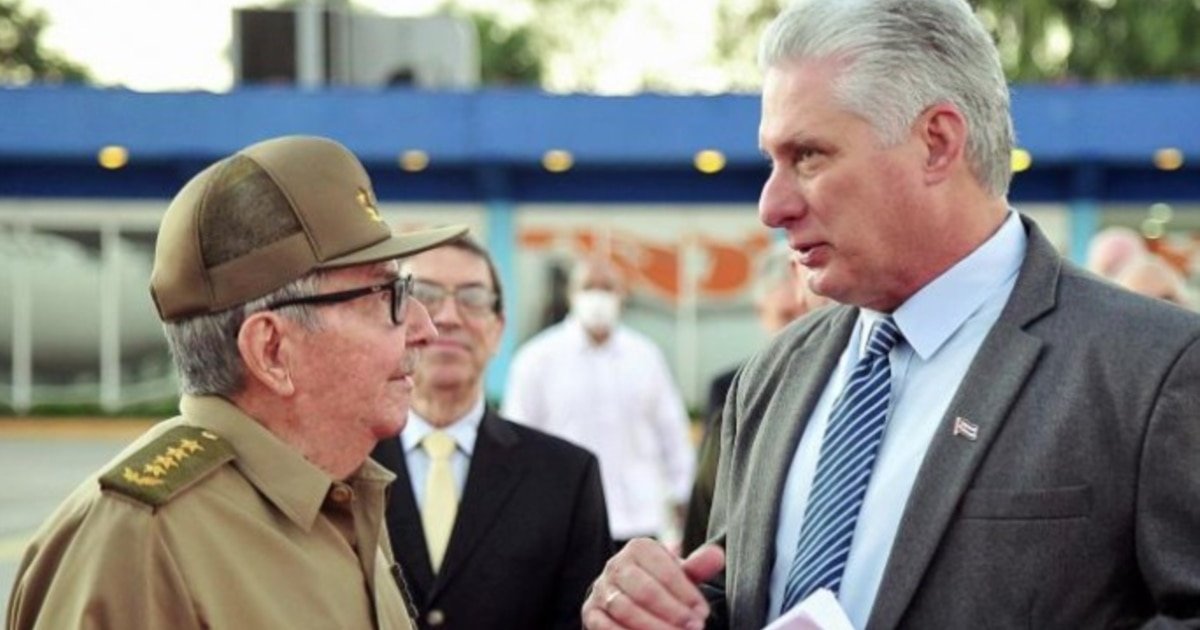
    La iniciativa ciudadana “¡Que se vayan! Por una Cuba libre y próspera”, promovida por el Grupo de Trabajo por una Cuba Libre junto a activistas y organizaciones de la sociedad civil, fue presentada como una plataforma para articular apoyo a una transición democrática en la Isla, en medio de la crisis multidimensional que atraviesa el país.

    En declaraciones a Martí Noticias, la investigadora y directora ejecutiva de Archivo Cuba, María Werlau, explicó que el proyecto pretende abrir un espacio de participación para los cubanos que, a su juicio, carecen de mecanismos para expresar de manera concertada su voluntad política.

    “Es una campaña ciudadana plural e inclusiva que provee un espacio al pueblo cubano silenciado para proponer unido que se vaya la dictadura y se inicie una transición ordenada a la democracia bajo ciertas premisas esenciales”, afirmó.

    La iniciativa convoca a cubanos dentro y fuera del país a respaldar la propuesta mediante firmas, acciones cívicas y participación en una movilización digital que incluye el envío de mensajes, la difusión de contenidos audiovisuales y otras expresiones públicas de apoyo a una salida democrática.

    Según explicó Werlau, el esfuerzo también se apoya en campañas de mensajería tanto dentro de Cuba como en el exterior, concebidas como una herramienta de expresión colectiva.

    “Desarrolla una campaña de textos dentro de Cuba y fuera también e impulsa una petición en línea como una suerte de referendo popular”, señaló.

    El lanzamiento fue acompañado por un comunicado en el que los organizadores advierten sobre el deterioro humanitario, económico, político y social del país, y llaman a facilitar un proceso de cambio que incluya garantías institucionales y participación ciudadana.

    Entre otros puntos, la iniciativa exhorta a funcionarios públicos a resguardar archivos oficiales, insta a actores de la sociedad civil a formular propuestas de país y solicita a la comunidad internacional respaldo político y humanitario para la población cubana a través de canales independientes.

    Werlau subrayó que uno de los propósitos centrales es articular consensos entre sectores comprometidos con la democracia.

    “Llama a las organizaciones e individuos comprometidos con construir la democracia a concertar propuestas y soluciones y a la comunidad internacional a ponerse del lado del pueblo cubano”, expresó.

    Como referencia programática, la campaña toma elementos del documento denominado Acuerdo por una Cuba Libre, que reúne propuestas para un eventual escenario de transición, entre ellas la liberación de presos políticos, el restablecimiento de libertades fundamentales, la canalización de ayuda humanitaria, la convocatoria a elecciones libres y la aplicación de mecanismos de justicia transicional.

    Los promotores subrayan que la iniciativa no constituye un plan de transición ni pretende sustituir propuestas elaboradas por organizaciones opositoras o plataformas políticas existentes, sino funcionar como un espacio de articulación cívica amplio e inclusivo.

    El proyecto es organizado por el Grupo de Trabajo por una Cuba Libre, integrado de manera informal por cubanos dentro y fuera de la Isla. Su núcleo coordinador está conformado por un pequeño equipo permanente, apoyado por la colaboración de decenas de personas de diversas corrientes ideológicas y trayectorias cívicas.

    La campaña cuenta con el acompañamiento de Archivo Cuba, organización que durante más de 25 años ha documentado violaciones de derechos humanos y ha investigado temas de memoria histórica y justicia transicional vinculados al proceso político cubano.

    Sus impulsores señalan que la iniciativa se sostiene fundamentalmente mediante trabajo voluntario. Los costos operativos directos han sido asumidos por Archivo Cuba a partir de contribuciones privadas, y aseguran que la organización no recibe financiamiento gubernamental.

    “Cada firma cuenta. Cada voz importa. ¡Estamos conectados!”, afirman los promotores, retomando una frase asociada al artista y preso de conciencia Luis Manuel Otero Alcántara, fundador del Movimiento San Isidro, cuya firma según los organizadores encabeza la petición recogida desde prisión.

    La campaña busca además rendir homenaje a los más de mil presos políticos registrados en Cuba y a las víctimas de muerte y desaparición vinculadas a décadas de represión estatal, al tiempo que continúa sumando adhesiones dentro y fuera del país.


    Source link

  • Druckenmiller compra ETF de Brasil e zera Nubank

    Druckenmiller compra ETF de Brasil e zera Nubank


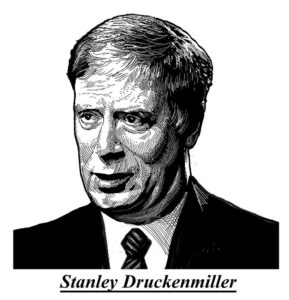
    Stanley Druckenmiller, um dos mais respeitados investidores nos EUA, comprou 3,6 milhões de cotas do EWZ, o ETF de ações brasileiras negociado em Nova York, no trimestre encerrado em 31 de dezembro. 

    O valor de mercado da posição era de cerca de US$ 113 milhões em dezembro, o que correspondia a 2,5% da carteira de seu family office, o Duquesne. Hoje a posição já vale US$ 135 milhões.

    O formulário 13F do Duquesne também mostra que a firma comprou opções de compra (calls) do EWZ.

    Além disso, zerou seu investimento no Nubank – que era de 1,45 milhões de ações no trimestre encerrado em setembro. Na época, a posição somava US$ 23,3 milhões; hoje, valeria quase US$ 25 milhões.

    Stanley Druckenmiller

    Em valor de mercado, o investimento no EWZ foi a terceira maior mudança no quarto tri do portfólio de Druckenmiller – um ex-gestor de hedge funds que esteve à frente do Quantum Fund, de George Soros, entre 1988 e 2000.

    A maior mudança foi a compra de 5,5 milhões de cotas do ETF Financial Select Sector, que acompanha o desempenho de ações do setor financeiro do S&P 500. Em dezembro, o valor do investimento somou US$ 300 milhões.

    Em seguida, aparece a compra de 1,2 milhões de cotas do ETF Invesco S&P 500 Equal Weight, com um valor de US$ 225 milhões. Juntas, essas duas posições respondem por cerca de 11% da carteira da Duquesne.

    O índice equal weight atribui o mesmo peso às 500 ações do S&P, em vez de ponderar o peso pelo valor de mercado (a metodologia do índice), e pode indicar que o gestor espera uma valorização maior fora da Big Techs, que dominam o S&P 500 por valor de mercado.

    Outros novos investimentos do Duquesne foram Alcoa (uma posição de US$ 73 milhões em dezembro) e das empresas aéreas Delta (US$ 45 milhões), United Airlines (US$ 39 milhões) e American Airlines (US$ 10 milhões).  

    Além disso, a firma mais que triplicou seu investimento na Alphabet, para 385 mil papéis no quarto tri, o que correspondia a um valor de mercado de US$ 120 milhões. E comprou mais 301 mil ações da Amazon – em dezembro, a posição na empresa era de cerca de US$ 170 milhões.

    A Duquesne informou ainda que zerou seu investimento na Meta, que era de 76 mil ações (US$ 56 milhões) no terceiro trimestre. 

    Também zerou Citi e Bank of America – US$ 52 milhões e US$ 51 milhões, respectivamente – e abriu uma posição na Goldman Sachs de US$ 24 milhões.

    O maior investimento da Duquesne (US$ 575 milhões em dezembro) é a empresa de testes genéticos Natera, mas a gestora reduziu o investimento em outras duas empresas do setor, a Teva e a Insmed.


    Giuliana Napolitano


    Source link

  • Eliminan alerta presidencial en celulares Android – El Financiero

    Eliminan alerta presidencial en celulares Android – El Financiero


    Aún no es ‘septiemble’, pero es hora de empezar a practicar (por si las dudas). Este miércoles 18 de febrero se realiza el primer simulacro 2026 en CDMX y el Estado de México.

    El simulacro se realiza luego de un arranque de 2026 ‘movido’ en San Marcos, en Guerrero, y Puerto Escondido, en Oaxaca.

    En ambas localidades se han registrado los epicentros del sismo del 2 de enero y sus más de 6,500 réplicas, del temblor magnitud 5.3 del 16 de enero en la madrugada y del sismo del día del Super Bowl con epicentro en Puerto Escondido, del 8 de febrero pasado.

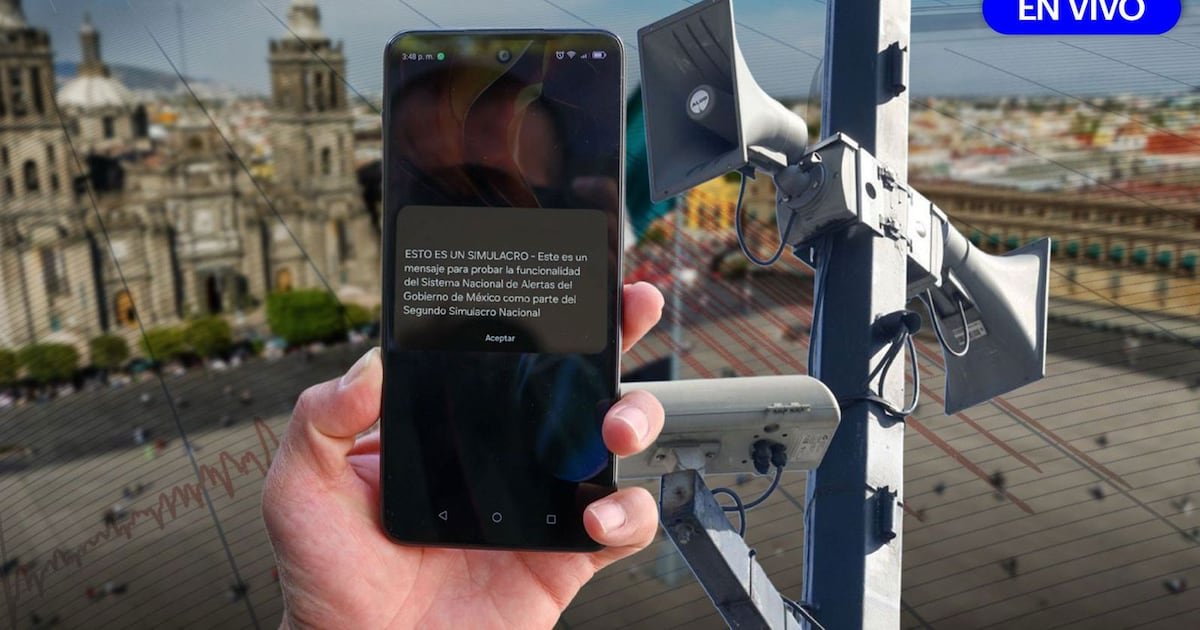
    Por esa razón, este 18 de febrero se enciende la alerta sísmica y la alerta presidencial sonará en tu celular, como parte de las actividades del primer simulacro de sismo en CDMX y Edomex.

    El Financiero te comparte la cobertura EN VIVO. Esta es toda la información que debes conocer antes, durante y después del simulacro del 18 de febrero.

    Desaparece ‘alerta presidencial’ en dispositivos Android

    Usuarios aseguraron que la leyenda “alerta presidencial” desapareció de la notificación que recibieron en sus dispositivos móviles, en el marco de la petición de la mandataria Claudia Sheinbaum para que tuviera otro mensaje.


    En tanto, los dispositivos con el sistema operativo iOS compartieron capturas de pantalla con la notificación donde aparece la misma leyenda. Hubo quienes volvieron a preguntar cómo pueden desactivar esta alerta, derivado a su sonido.

    En redes sociales comentaron que pudo deberse a la región o la compañía del servicio telefónico.

    Sheinbaum participa en simulacro de sismo desde Palacio Nacional

    La presidenta Claudia Sheinbaum también participó en el simulacro de sismo este miércoles. Compartió imágenes donde se muestra a la mandataria salir al patio central de Palacio Nacional, junto a otros trabajadores y periodistas.

    Recordó a la población que “la prevención es nuestra fuerza” frente a un escenario de un sismo, pues en la memoria colectiva están los recuerdos del terremoto de 1985, y más recientemente 2017 o 2021.

    Clara Brugada recibe reporte sobre simulacro en la CDMX

    La jefa de Gobierno, Clara Brugada, junto a su gabinete, se reunió en el centro del C5 para recibir un reporte sobre el simulacro de esta mañana. Hasta el momento no hay reportes de personas que resultaran lesionadas durante el ejercicio.

    Brugada recordó que “es fundamental” esta práctica para permitir evaluar los protocolos, fortalecer la coordinación y prepararse para cuidar de la vida de las personas.

    Así se vivió el simulacro en CDMX

    En punto de las 11:00 horas, se activó el sistema de alerta sísmica y la advertencia en dispositivos celulares, tal como se tenía previsto en el primer simulacro de 2026.

    Algunas personas aseguraron que el volumen de la notificación en los teléfonos celulares fue menor en comparación con otras ocasiones, aunque no fue un consenso generalizado.

    La presidenta Claudia Sheinbaum anunció que buscarían reducir el volumen de esta alerta, aunque dijo que estos no estarían implementados para este simulacro.

    Pablo Vázquez, secretario de Seguridad Ciudadana, informó que fueron desplegados 5 helicópteros de la unidad Cóndores como parte del ejercicio, ya que estos son los primeros encargados de reportar daños en estructuras y edificios de la capital.

    En tanto, se realizaron diversos ejercicios en la zona centro de la Ciudad de México para simular un accidente o el rescate de una persona atrapada entre escombros de concreto.

    Los servicios del transporte público se vieron interrumpidos momentáneamente para realizar el protocolo de Protección Civil determinado para descartar daños o lesionados.

    ¿A qué hora es el primer simulacro en CDMX y Edomex de 2026?

    Tanto la alerta presidencial, como la alerta sísmica, que opera el SASMEX, se activarán la mañana de este miércoles 18 de febrero.

    De acuerdo con la información del Gobierno de CDMX y del Estado de México, el simulacro comenzará en punto de las 11:00 horas.

    alt default
    Decenas de alumnos y personal de la UNAM participan en un simulacro en Ciudad Universitaria. (UNAM/Universidad Nacional Autónoma de México)

    “Este primer simulacro es fundamental para recordarnos que la prevención salva vidas. Queremos que los capitalinos se apropien de esta cultura de protección civil, que sepan cómo reaccionar y hacia dónde dirigirse. No se trata solo de cumplir con un protocolo, sino de construir una ciudad más resiliente y preparada ante cualquier eventualidad”, aseguró la Clara Brugada, jefa de Gobierno de CDMX.

    Es importante que recuerdas que si recibes una alerta presidencial o si se activa la alerta sísmica en un horario diferente, lo tomes con seriedad porque se trata de un evento real, no de un simulacro.

    ¿Cuál es la hipótesis del simulacro del 18 de febrero?

    El Gobierno de México detalló que el simulacro en CDMX y Edomex se realizará bajo la hipótesis de un sismo de magnitud 7.2, con epicentro a 11 kilómetros de Pinotepa Nacional, Oaxaca.

    “Se pondrán a prueba los planes de contingencia en edificios públicos, privados y, de manera especial, en las unidades habitacionales. Para ello, sonarán los altavoces de la Ciudad de México, por lo que se convoca a la población a participar de manera responsable, informada y manteniendo la calma”, indicaron las autoridades.

    ¿Cuándo son los otros dos simulacros en CDMX este 2026?

    Tras el primer simulacro en CDMX y el Estado de México, las autoridades tienen programados un par de ejercicios adicionales para este año.

    El segundo simulacro de 2026 se realizará el 6 de mayo. Este ejercicio será parte del Primer Simulacro Nacional y en el marco del 40 aniversario del Sistema Nacional de Protección Civil (Sinaproc).

    Además, el tercer simulacro de 2026 será el 19 de septiembre, en conmemoración del terremoto de 1985 en México y del sismo del 19S de 2017.

    Este año será la primera ocasión en la historia que se realizará un simulacro en sábado. Esto debido a que el 19 de septiembre cae en ese día.

    ¿Qué sabemos de los cambios en la alerta presidencial?

    Luego de las quejas de algunas personas por el mensaje y sonido, la presidenta Claudia Sheinbaum anunció cambios en la alerta sísmica para celulares.

    “Va a bajar el volumen”, afirmó la mandataria durante su conferencia ‘mañanera’ del 16 de febrero y agregó que se busca un mensaje más directo para la alerta sísmica en teléfonos.

    “La alerta sísmica, es decir, los altavoces y el alertamiento a través de telefonía celular, han operado con normalidad y éxito”, agregó Laura Velázquez, titular de la Coordinación Nacional de Protección Civil (CNPC).

    alt default
    Las autoridades anunciaron que tras el primer simulacro en CDMX y Edomex se realizarán dos ejercicios adicionales en este 2026. (Cuartoscuro/Victoria Valtierra Ruvalcaba)

    ¿Qué hacer antes, durante y después de un sismo?

    Las autoridades de Protección Civil emitieron algunas recomendaciones sobre qué hacer antes, durante y después de un sismo.

    Antes de un temblor:

    • Prepara tu plan familiar de protección civil.
    • Organiza y participa en simulacros de evacuación.
    • Identifica las zonas de seguridad de tu casa, escuela o lugar de trabajo.
    • Prepara tu mochila de emergencia.

    Durante un sismo en México

    • Conserva la calma.
    • Ubícate en la zona de seguridad.
    • No uses elevadores.
    • Aléjate de ventanas y de objetos que puedan caer.

    Después de un temblor

    • Revisa tu casa después del sismo.
    • Utiliza el teléfono solo en casos de emergencia.
    • Mantente informado y atiende las recomendaciones de las autoridades.


    Source link

  • Brazil Carnival Clowns Enter Hospital Halls and Shift the Atmosphere

    Brazil Carnival Clowns Enter Hospital Halls and Shift the Atmosphere


    In a public hospital in São Paulo’s north zone, Carnival arrives with soft shoes and careful timing. A troupe of clowns turns pediatric corridors into a brief street parade, testing how joy, discipline, and health care can share space.

    A Bloco at the Pediatric Door

    The hall usually has its own soundtrack. Rubber soles whispering on linoleum. The steady, impatient beep of monitors. A door opening and closing with the hush of routine. But in Carnival season, the silence gives way, and what enters is bright, organized mischief.

    A police officer guarding the entrance to the pediatric sector spots one of the Doctors of Joy arriving in plain clothes and says, with what sounds like relief, “What’s going on?” “We thought you were not coming. We were waiting for you,” the officer told EFE.

    That small exchange, at a doorway that separates the hospital from the rest of the day, sets the tone. In Brazil, not even hospitals sit out Carnival. Still, nothing here is casual. The trouble is that joy, in a place built for pain and waiting, has to be handled like medicine. Wrong dosage, wrong timing, and it becomes too much.

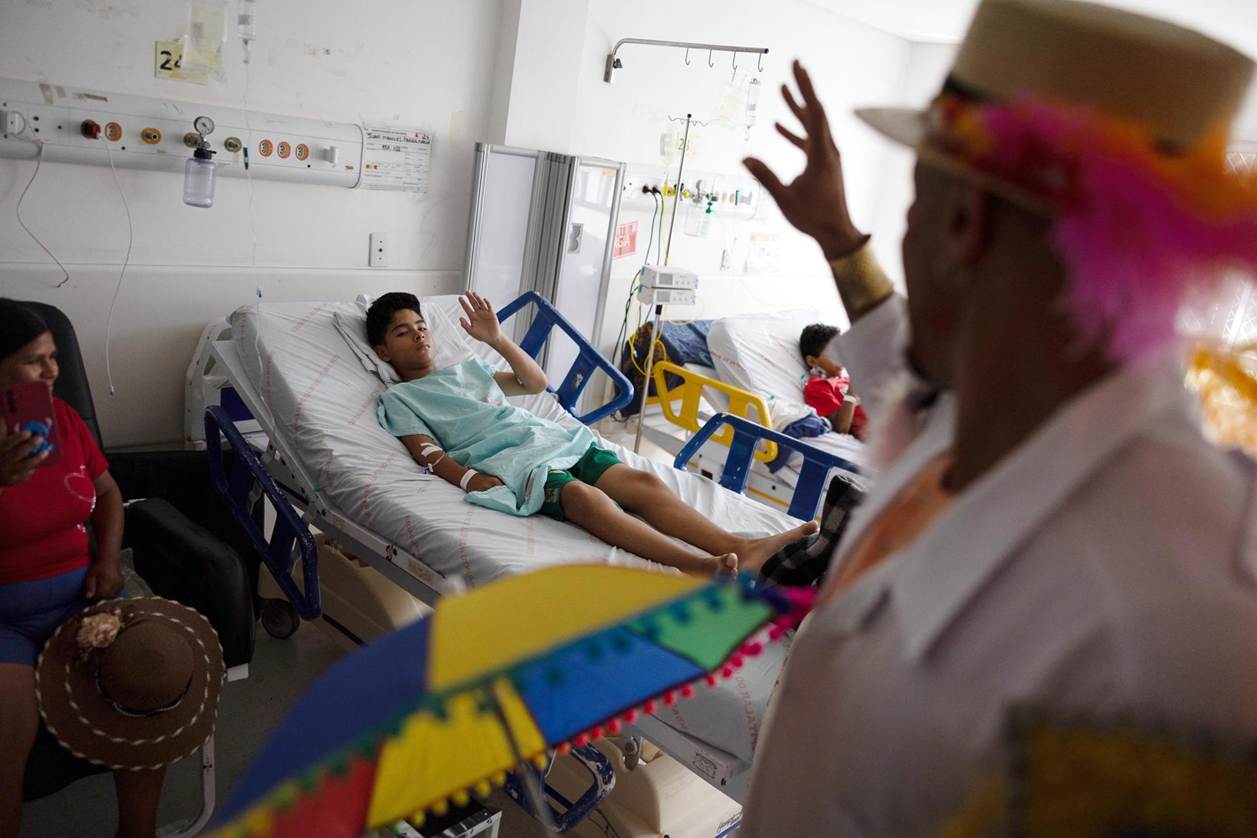
    The Doctors of Joy is an NGO made up of artists trained in clowning. For about twenty years, they have visited this public hospital twice a week. This time, they come for something special, to bring their bloco, a Carnival parade that has spent nine years moving through São Paulo hospitals. They call this one Riso Froxo, and their logic is simple: in a corridor where infection and anxiety travel easily, let the contagious thing be a smile.

    Cavaco, also known as Anderson Machado, is forty and one of twelve clowns in the group. He jokes about compresses and hurry, playing with the sound of words. The joke lands precisely because everyone here understands the stakes. Nurses who have been moving from room to room with professional focus, eyes behind glasses, pause. For a while, they trade their regular gear for color. Glasses come off, masks go on. A stethoscope is set aside. Cardboard ties appear like an absurd badge of temporary permission.

    Then the music hits the corridor. Classic Carnival rhythms, but with lyrics aimed at health. The building does not become a theater. It becomes something harder to define. A hospital that remembers it is full of people, not just cases.

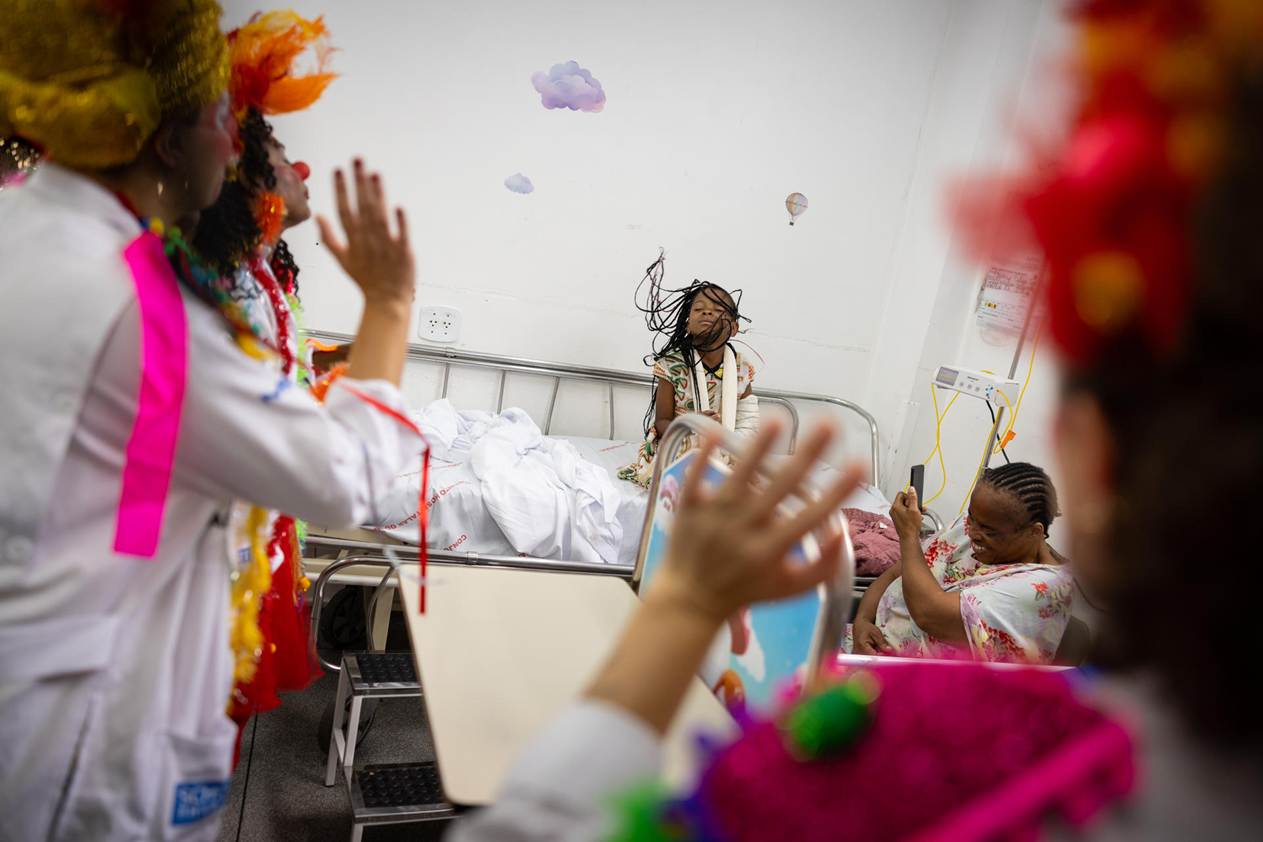
    Visit to the Pediatric Wing at Hospital Mandaqui in São Paulo, Brazil. EFE

    The Child Behind the Diagnosis

    From down the hall, the drums arrive first, and a child reacts before anyone says a word. A boy starts bouncing at his doorway beside his mother. She holds the IV pole with one hand and records on her phone with the other, catching the moment the clowns spill into the wing like a controlled wave of color.

    Natali Barbosa is thirty-three. She is there with her eight-year-old son, Wendell, who is fighting a severe infection. The parade hits her in a way she does not try to hide. “I felt like crying. Whether you want to or not, it is a little difficult for children to go through this. The show gave them a boost, a joy. Not only them, but us too,” she told EFE.

    It is a straight line from that sentence to the policy dispute that lives inside hospital culture. Who is the hospital for? What is treatment meant to do? How much of healing is clinical, and how much depends on emotional weather?

    Guadalupe, the clown played by actress Tereza Gontijo, is thirty-nine, and she names the problem most plainly. When a child enters a hospital, she says, the child is reduced to a diagnosis. People begin to interact with him through what he has and what treatment he needs. The Doctors of Joy, she says, work with the healthy side of the person beyond the illness.

    “Behind that diagnosis, there is a person. Behind a health professional, there is a person. Behind the role of mother, there is a person,” she told EFE. “We do not come to cure, but to work the healthy side, despite everything else.”

    This is not a sentimental claim. It is an operational one. It asks the hospital staff to loosen, for a moment, the grip of pure procedure and remember what those procedures are trying to protect. The wager here is that a small shift in atmosphere can change how a day feels, and how a day feels can change how a child copes, how a mother holds up, how a nurse returns to the next room.

    You can see it without anyone announcing it. Faces soften. Shoulders drop. A corridor that had been only a transit becomes a place where people stop.

    Visit to the Pediatric Wing at Hospital Mandaqui in São Paulo, Brazil. EFE

    Clean Faces Before Painted Smiles

    The parade looks spontaneous, but it is built on almost clinical preparation.

    Before the music starts, the clowns come with clean faces. No paint. No performance voice. They talk to doctors, gather information, learn how many patients are in each area, and ask about each child’s condition. They do it because this is not a stage and they are visitors in a space of discomfort. The hospital has its own rules and its own fragility.

    Backstage is a small ritual. As they tint their eyelids with color, getting ready to go on, they warn each other about the child in the first room with a broken bone. They celebrate the discharge of a patient they remember for an unusual brightness. Even their excitement comes with a quiet check, a reminder that everything here has a boundary.

    Tereza explains it as an art of arriving. You do not enter the room of a baby in intensive care the same way you approach a seventeen-year-old. The voice changes. The volume changes. The level of animation is adjusted with precision. The point is not to invade. It is to invite the child and the family into play.

    Nearby, psychologist Márcia Prado watches the environment shift as health professionals join the procession, even without being at its center. You get the sense that the clowns not only affect the children. They give the adults permission to be human in a place that often forces them into roles.

    Social worker Fátima Grilo, who has been at the institution for more than twenty-five years, ties it back to outcomes without overpromising. Treatment, she says, seems to evolve better when emotions are better. One of the questions she hears most is simple and repeated, almost like a schedule request in another kind of crisis.

    When are the clowns coming?

    In a corridor where time is measured in shifts, doses, and waiting, that question is its own small vote of confidence. Not in spectacle. In presence. In the idea that Brazil’s biggest celebration can enter a hospital without disrespecting its pain, and still leave something useful behind.

    Also Read:
    Venezuelan Firefighter Turns Dominican Jet Set Tragedy Into Protocol Lessons Today


    Source link

Translate »