Cuba confirms meeting with US representatives in Havana, insists on lifting energy blockade
Cuba’s government on Monday confirmed that a meeting with US representatives recently took place on the island, in the latest sign of a diplomatic approach between both countries amid a severe energy crisis caused by Washington’s blockade of oil supplies.
Alejandro García del Toro, the Foreign Ministry’s deputy director general for US affairs, told the official newspaper Granma that the meeting set no deadlines or ultimatums, contradicting reports in American media. Cuba pressed the US delegation to end the energy blockade imposed by the Trump administration since January, EFE reported.
AP reported Friday that a senior State Department official met last week with the grandson of former Cuban leader Raúl Castro during the visit, which included the first US government flight to Cuba — outside Guantánamo Bay — since 2016. According to the same source, the delegation urged Havana to make sweeping changes to its economy and governance, warning that Washington would not allow the island to become a national security threat in the region. Secretary of State Marco Rubio was not part of the delegation, though officials said he had met the younger Castro in St. Kitts and Nevis in February.
Cuba’s energy crisis deepened sharply after the US military intervention in Venezuela in January, which cut off Venezuelan oil shipments to the island. Cuba produces only 40% of the crude it needs. In January, Trump issued an executive order imposing tariffs on any government attempting to deliver oil to Cuba, effectively severing its foreign supply. Mexico temporarily suspended shipments under US pressure, though it sent two ships with humanitarian aid in February.
The consequences have been devastating. The UN Human Rights Office warned the blockade threatens food supplies, has disrupted water systems and paralyzed hospitals. The Cuban government closed schools and universities, limited public transportation and garbage accumulated in Havana’s streets due to fuel shortages. In February, eastern provinces suffered a total blackout.
On March 30, a Russian tanker carrying 100,000 tonnes of crude docked in Havana, the first shipment in three months. Russia promised a second delivery, though no date has been confirmed.
As a gesture ahead of the talks, Cuba released more than 2,000 prisoners on April 3, having previously agreed to free 51 political prisoners.
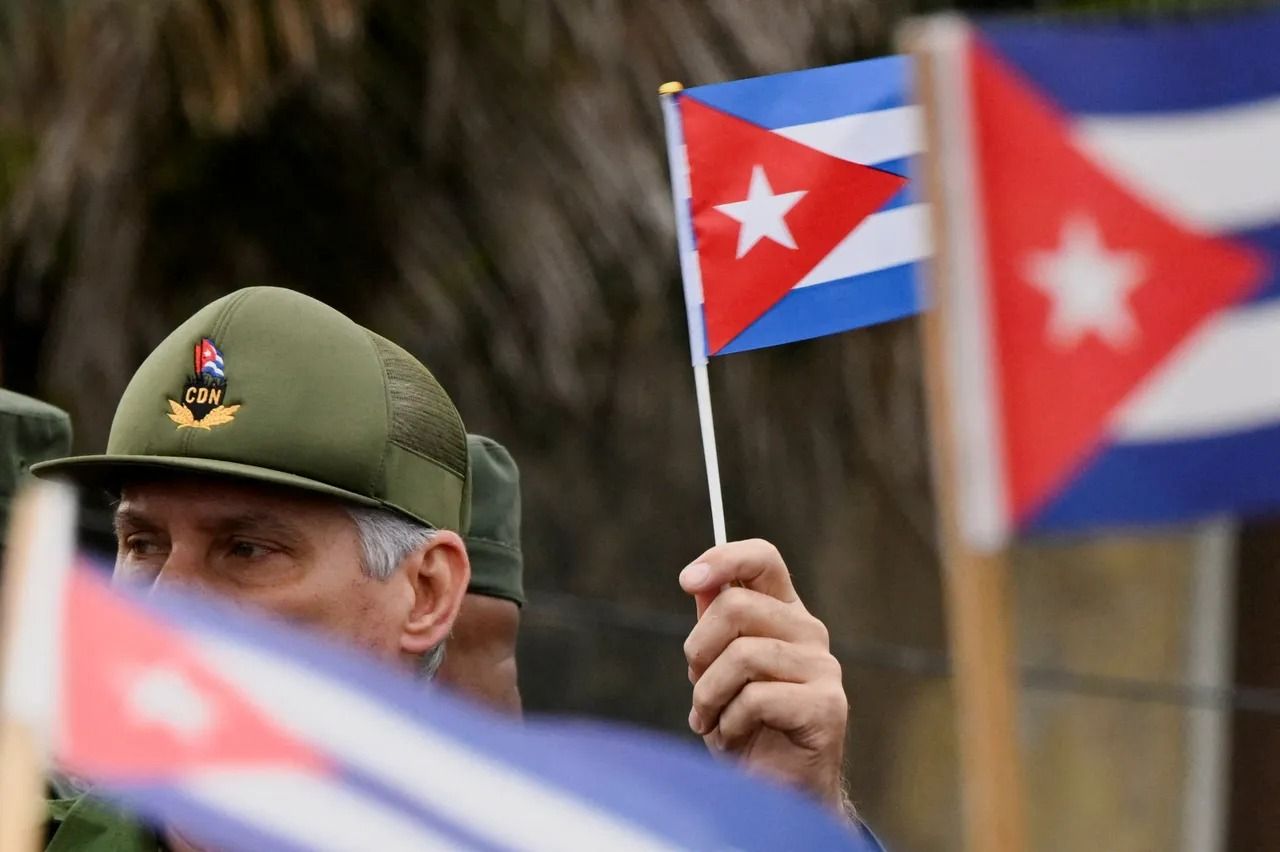
President Miguel Díaz-Canel struck a defiant tone on Thursday during ceremonies marking the 65th anniversary of the revolution’s socialist declaration. Cuba is not a failed state. Cuba is a besieged state, he said, warning the island is prepared to face serious threats, including military aggression, though he said it does not seek conflict. Trump has said on multiple occasions that Cuba is next on his list of governments to confront.