FAO and WMO warn extreme heat pushes global agriculture ‘to the limit,’ threatening one billion people
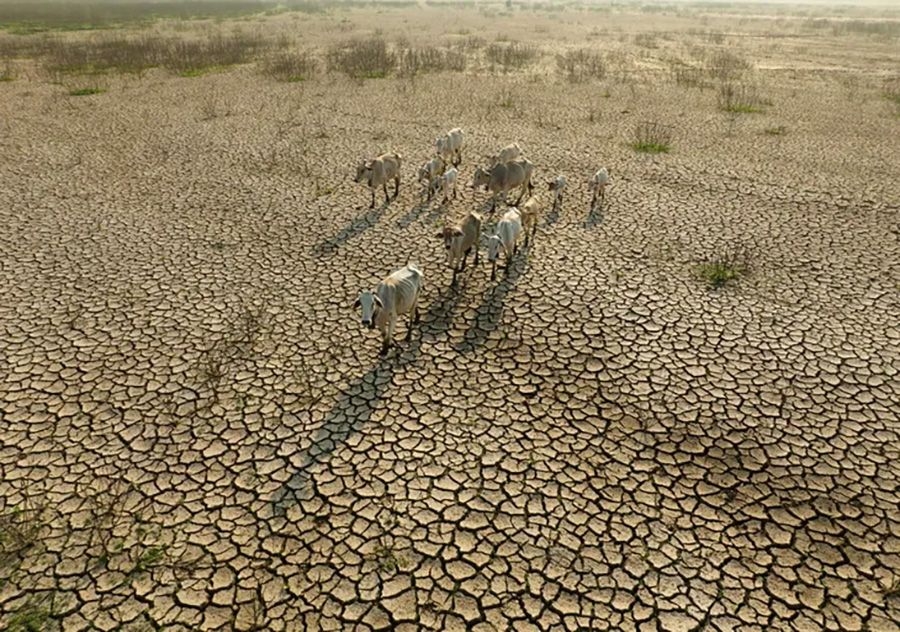
The effects on production systems are pervasive. Livestock suffer digestive and cardiovascular failures, with a significant reduction in milk output and protein content
The escalation of extreme heat episodes is pushing agriculture “to the limit” worldwide and threatening the health and livelihoods of more than one billion people, according to a joint report published on Wednesday by the UN Food and Agriculture Organization (FAO) and the World Meteorological Organization (WMO). The document, titled “Extreme Heat and Agriculture,” warns that the phenomenon causes the annual loss of 500 billion working hours in the sector.
Extreme heat, linked to human-driven climate change, is defined as the occurrence of exceptionally high temperatures — both during the day and at night — relative to the normal values of each region. Its intensity could double if the planet reaches 2°C of warming above pre-industrial levels, and quadruple under a 4°C scenario, according to the scientific projections included in the report.
It is the main trigger, said Kaveh Zahedi, director of the FAO’s Climate Change Office, in remarks to AFP. Zahedi stressed that extreme heat acts as a risk multiplier when combined with other phenomena such as flash droughts or torrential rainfall. As an example, he cited the case of Brazil in 2024, when a prolonged heat wave, together with a severe drought, triggered fires in the Amazon and the drying of tributaries of the Amazon River, with an immediate impact on fishing, aquaculture, and the regional food system.
The effects on production systems are pervasive. Livestock suffer digestive and cardiovascular failures, with a significant reduction in milk output and protein content. Fish experience cardiac failures in waters with reduced oxygen levels, a phenomenon aggravated by marine warming: during 2024, 91% of the global ocean experienced at least one marine heat wave, according to the report, and half of those episodes were classified as strong. For most crops, yields begin to decline above 30°C, with even lower thresholds for potatoes and barley.
The report documents recent cases that illustrate the magnitude of the impact. In Morocco, six consecutive years of drought and two historic heat waves in 2023 and 2024 cut cereal yields by 40% and devastated olive and citrus harvests. In the Kyrgyz Fergana mountain range, temperatures exceeding 30°C in spring 2025 — some 10°C above normal — subjected fruit and cereal crops to thermal shock and triggered a locust invasion, with a 25% drop in output. In the Arctic, a marine heat wave in the eastern Bering Sea between 2018 and 2019 killed 90% of the snow crab population and forced the closure of one of the region’s most profitable fisheries.
The report recommends accelerating the adoption of seed varieties and livestock breeds adapted to new conditions, alongside early warning systems accessible to producers. Building resilience is essential, but it cannot replace decisive climate action, the document stresses.