Con sus dos etiquetas —amarilla y negra, esta última que advierte ser ‘muy picosa’— ha conquistado a los mexicanos, ya que se puede usar para casi cualquier preparación, incluyendo mariscos y, por supuesto, comida rápida como hot dogs, pizzas y hasta papas fritas.
Pero, ¿te has preguntado por qué el condimento se llama así? El nombre Valentina puede parecer común e incluso popular en México; sin embargo, fue elegido por un motivo específico: rendir homenaje a una de las guerrilleras más audaces que participaron en la Revolución Mexicana.
¿Por qué le pusieron Valentina a la salsa?
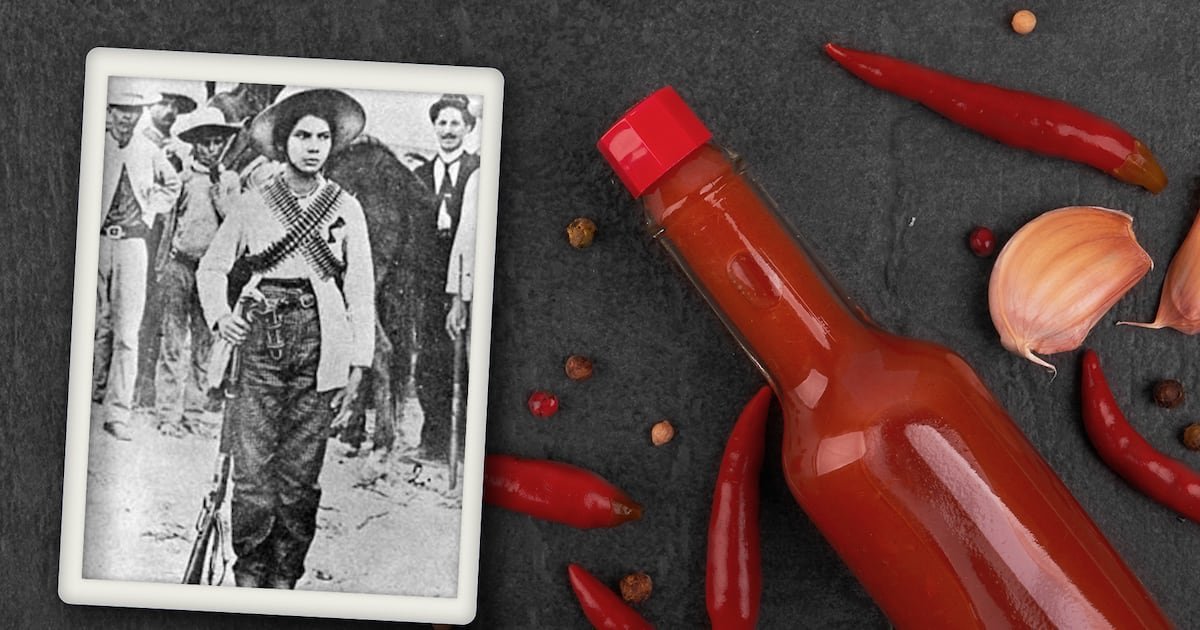
Grupo Tamazula seleccionó el nombre de la salsa inspirado en una historia insólita: la de Valentina Ramírez Avitia, “una mujer revolucionaria que, vestida de hombre, con cartucheras en el pecho y un sombrero de palma que ocultaba sus trenzas, se lanzó al combate”, explicaron en una publicación en X.
Aunque insólita, la historia de la también apodada ‘Leona de Norotal’ —o, en tiempos más recientes, ‘la Mulán mexicana’— supera cualquier cinta de ficción y es un ejemplo de valentía y determinación.
Valentina Ramírez nació en San Antonio, Tamazula, Durango, en 1894. Su vida era normal hasta que estalló la Revolución Mexicana; con solo 17 años decidió darle un giro total a su destino al enlistarse, de acuerdo con el Poder Judicial de la Ciudad de México.
Se unió a las fuerzas del general Ramón F. Iturbide el 12 de enero de 1911 como soldado; sin embargo, se las ingenió para que le permitieran combatir sin importar su género.
El Poder Judicial de la Ciudad de México explica que Valentina ocultaba sus trenzas bajo un sombrero y utilizaba el nombre de Juan Ramírez. Con esta identidad logró participar en la lucha para derrocar el régimen de Porfirio Díaz.
La Secretaría de la Defensa Nacional (SEDENA) señala que combatió del 20 al 23 de mayo de 1911 en la toma de Topia y Tamazula, así como en Culiacán. El Poder Judicial agrega que obtuvo el grado de teniente tras la lucha en el Puente Cañedo.
Tras este combate, Valentina se retiró del ejército, según la SEDENA. La autora Martha Eva Rocha Islas señala que la propia revolucionaria afirmó que dejó la contienda “por ser mujer”.
Una investigación del diario El Clarín indica que Valentina fue descubierta por uno de sus compañeros, quien la delató ante las tropas, lo que derivó en su expulsión; sin embargo, esta versión se mantiene como una teoría.
¿Qué pasó con Valentina Ramírez tras la Revolución Mexicana?
Tras su participación en la Revolución, Valentina continuó con su vida y fue hasta 1964 cuando fue reconocida por haber luchado contra el régimen de Porfirio Díaz.
“Valentina fue reconocida como Veterana de la Revolución durante el primer periodo, comprendido del 19 de noviembre de 1910 al 15 de mayo de 1911, y recibió la Condecoración al Mérito Revolucionario por parte de esta Secretaría”, afirma la SEDENA.
Valentina fue reconocida por la SEDENA por su participación en la Revolución. (Foto: Wiki Commons)
La escritora Martha Eva Rocha Islas añade que, al recibir la condecoración, Valentina comentó: “Me llena de satisfacción y de orgullo, pues después de haber servido en el ejército maderista como soldado raso, no obstante mi condición de mujer, a los 70 años de edad veo que bondadosamente se me toma en cuenta”.
La vida de Valentina no solo se honra a través del nombre de la popular salsa, sino que también inspiró una canción homónima en la que se retrata su faceta como soldadera.
¿Cuál es la historia de la salsa Valentina? Así nació el condimento
Manuel Maciel Méndez es la mente detrás de la salsa Valentina. Comenzó a elaborar salsas como parte de un negocio familiar en Guadalajara, para las cuales utilizaba chiles puya y de árbol.
La receta fue un éxito y, en 1960, lanzó esta preparación como una marca llamada Tamazula, que fue bien recibida por sus clientes. A partir de ello, Manuel Maciel comenzó el desarrollo de nuevos productos.
Así nació uno de los más populares: la salsa Valentina, que contiene chile de árbol seco, ácido acético, sal yodada, condimentos y especias, de acuerdo con su etiqueta.
Con el paso del tiempo, y debido a su popularidad, se han desarrollado nuevas versiones: actualmente se puede encontrar en presentación en polvo y una variante especial para mariscos.
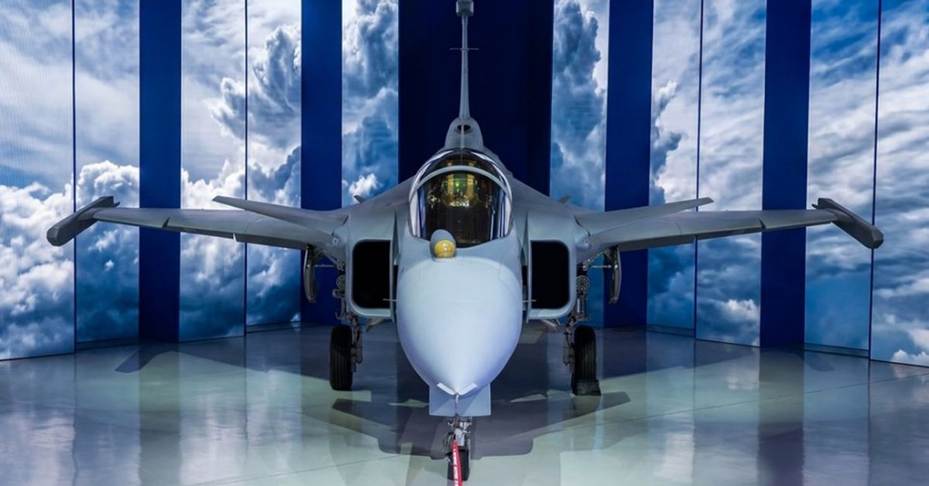
Brazil’s first domestically assembled Gripen, the F-39E, produced in Gavião Peixoto, marks more than an aviation milestone. It signals industrial ambition, defense autonomy, and a shift in regional prestige, reminding Latin America that technological sovereignty involves who writes history, not just hardware.
A Fighter Jet and a National Message
Brazil’s unveiling of its first domestically assembled Gripen, the F-39E, produced in Gavião Peixoto, was more than a defense ceremony; it was a statement of rank, patience, and national ambition. Reuters noted Brazil as the first Latin American country to build a supersonic fighter jet, joining the US, France, Russia, India, China, and Sweden. Regionally, this is significant. Latin America typically buys services and adapts high technology while relying on external suppliers for critical military capabilities. Producing part of that capability domestically alters the political and emotional narrative.
The project began in 2014 when Brazil chose Saab’s Gripen over Boeing’s F-18 Super Hornet and Dassault’s Rafale to replace its aging fleet. The contract included technology transfer and production of 15 of 36 aircraft at Embraer’s Gavião Peixoto plant. This transfer is the core of the story. Beyond the aircraft, it represents years of knowledge transfer, system integration, engineer training, and the development of a production line for an advanced multirole fighter.
This rollout carries political weight beyond aviation or defense circles. Sovereignty is rarely declared; it is earned by mastering the machines that create dependency. In Latin America, where industrial ambitions are often constrained by debt, imported models, and commodity-export mindsets, the Gripen program stands as a clear rebuttal.
However, this rebuttal is not absolute. Brazil joined this club through licensed production and final assembly, not independent fighter design. This distinction matters and should not be overlooked. Still, the milestone is significant because it is tangible. Brazil may not have designed the Gripen, but it can assemble and support one of the world’s most advanced fighters domestically. In politics, such capability often outweighs slogans of autonomy.
F-39E. Embraer
The Return of Industrial Statecraft
This moment reflects a familiar Brazilian and Latin American debate: is development bought or built? For decades, this question has shaped factories, shipyards, energy projects, and aircraft hangars. In Brazil’s case, it now centers on a fighter jet fuselage.
Saab CEO Michael Johansson highlighted the symbolism, noting that this is the first fighter to be manufactured outside Sweden since Saab’s founding in 1937. He described the first Brazilian-produced Gripen as more than an aircraft, calling it a symbol of partnership, trust, vision, and cooperation. At the same time, corporate language underscores Brazil’s efforts to gain deeper entry into the defense economy beyond a simple purchase.
This coincides with Embraer’s expanding role in military aviation, highlighted by growing European interest in the C-390 Millennium cargo jet. Together, the cargo jet and Gripen programs reflect Brazil’s broader push to become a serious aerospace manufacturer, moving beyond customer or subcontractor roles. This shift matters because defense manufacturing influences prestige, technical training, supply chains, skilled labor, and national bargaining power.
This also places Brazil in a more complex regional role. Saab plans to use the Brazilian production line as an export hub, reinforced by Colombia’s recent Gripen acquisition. Brazil is not only building for itself but becoming a strategic node in Latin America’s defense landscape. For a region accustomed to external security ties, this is a subtle yet significant shift. Brazil’s production line linked to regional demand signals its growing geopolitical relevance.
This story is not just a celebration of military hardware but of industrial statecraft. Brazil demonstrates its desire to compete in sectors where sophistication, not just scale, defines influence. In Latin America, where sustaining complex manufacturing is challenging, this ambition is notable.
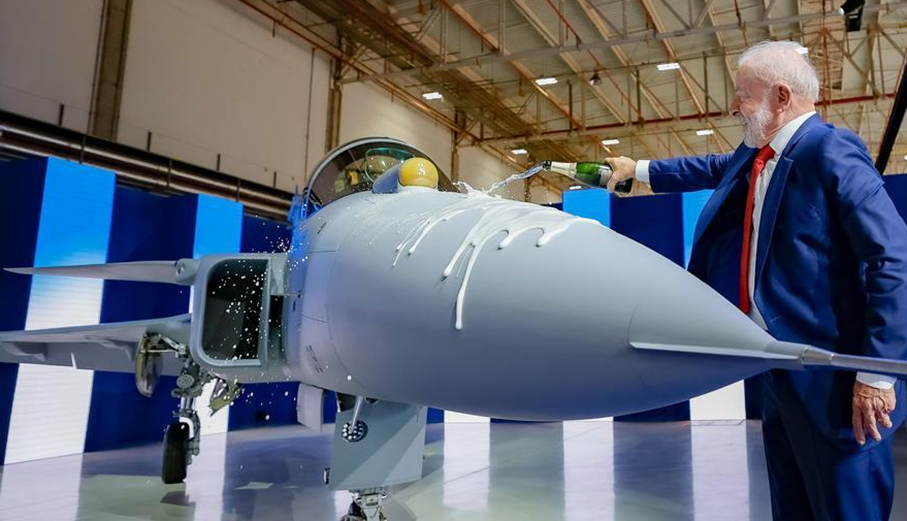
President Luiz Inácio Lula da Silva christens first Gripen fighter jet made in Brazil. Photo Credit: Ricardo Stuckert / President’s Office
What Brazil’s Gripen Moment Means for the Region
This milestone highlights the tension between dependence and leverage. Latin American states understand the costs of relying on external powers for spare parts, upgrades, financing, and strategic approval. Defense dependence influences diplomacy, procurement, and national self-perception. Brazil’s Gripen program does not end this dependence but rather modifies it, granting greater control over assembly, maintenance, and support, and strengthening its industrial position.
This has regional consequences. Brazil has long been Latin America’s largest country, but size does not equal leadership. Leadership here is fragile and contested. This project strengthens Brazil’s claim to technical and industrial leadership, demonstrating that it can offer advanced manufacturing capabilities few of its neighbors can match.
A subtler lesson is that genuine technology transfer can be a political tool rather than a marketing term. Often, such deals leave only invoices and dependency. Here, years of transfer from Saab to Embraer, domestic line construction, and growing local capability to assemble and support advanced fighters represent accumulated power, if not full independence.
In Latin America, accumulated power often outweighs dramatic breakthroughs. The region’s history includes aborted projects and factories that briefly symbolized modernity before losing momentum. This milestone’s strength lies not in the supersonic jet’s glamour but in Brazil’s ongoing ecosystem development around it.
The rollout prompts a challenging regional question: why is Brazil the first Latin American nation to achieve this? The answer goes beyond money to institutional persistence, industrial memory, and sustaining strategic projects over years—a difficult feat in a region where politics often outpaces the maturity of production lines.
The first Brazilian-assembled Gripen is more than a plane. It is a message forged in metal, software, and patience. It tells Latin America that sovereignty’s future may not come through speeches about independence but through tangible achievements, like this aircraft rolling out of a São Paulo hangar, embodying Brazil’s effort to manufacture not just products but strategic position.
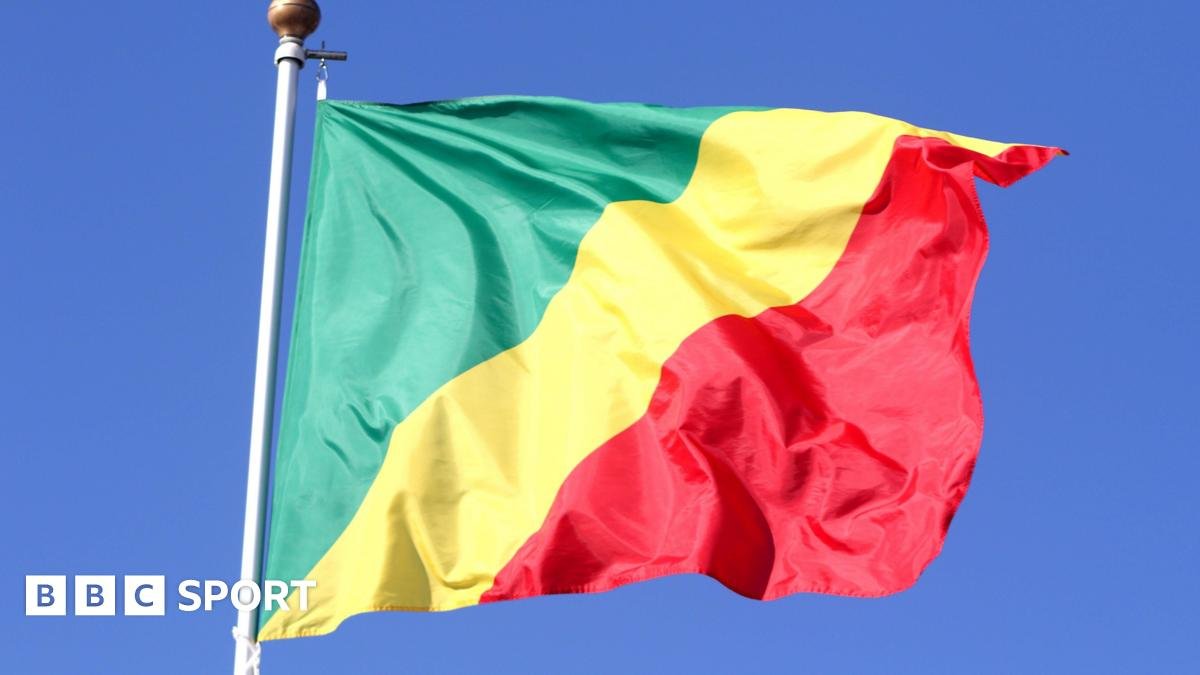
Fifa has begun disciplinary proceedings against three senior members of Congo-Brazzaville’s football federation, Fecofoot.
They include Fecofoot president, Jean-Guy Mayolas, who was recently sentenced to life imprisonment, along with his wife and son, after being convicted of embezzling funds provided by the world governing body.
Mayolas and his family were tried in absentia, with their whereabouts currently unknown.
The Brazzaville criminal court found Mayolas, Fecofoot general secretary Wantete Badji and the federation’s treasurer Raoul Kanda guilty of money laundering, forgery, use of forged documents and embezzlement on 10 March.
Badji and Kanda received five-year prison sentences, while all three men are now being investigated for financial misconduct after Fifa’s ethics committee said it received “information and documents” during a review.
In a statement, external, Fifa listed forgery, conflicts of interest and offering and accepting gifts among the charges.
The criminal trial claimed that $1.3m (£950,000) in Fifa funds had been misappropriated, with the bulk of that money earmarked for a training centre and women’s football, as well as Covid relief.
A declaration signed by the presidents of every women’s club in the country’s top flight, sent to Congolese authorities, insisted that only a tiny percentage was ever paid out.
This is not the first time Mayolas and Bandji have fallen foul of a Fifa investigation, having received six-month bans in 2015 for breaking rules around gifts and benefits. Mayolas was Fecofoot vice president at the time.
Fecofoot was suspended by Fifa in February last year for political interference, following the Congolese government’s dismissal of Mayolas.
The national team was forced to forfeit two 2026 World Cup qualifiers against Zambia and Tanzania.
The ban was lifted in May after certain conditions were met, including the return of full control of the federation’s headquarters and other facilities to Fecofoot’s executive committee.
El Observatorio de Libertad Religiosa del Centro de Denuncias Defensa CD publicó esta semana su primer informe sobre los quebrantamientos del régimen cubano al respeto a la diversidad de culto, durante enero y febrero de 2026.
De acuerdo a la recopilación, las autoridades cubanas en coordinación con las fuerzas represivas han perpetrado 105 violaciones a la libertad de fe contra 78 personas, 59 hombres y 19 mujeres.
Las provincias donde se registra mayor uso de estas prácticas son La Habana, Villa Clara y Camagüey.
El director de la institución recién creada, Mario Félix Lleonart indicó, en conversación con Martí Noticias que “en estos dos meses el régimen ha roto sus propios récords de décadas de violaciones a las libertades religiosas”.
“Nos hemos dado cuenta como la ha emprendido, no solamente contra determinados grupos de fe, sino contra creencias que normalmente no son reportadas, como las cartománticas, que fueron atacadas por la televisión nacional”, explicó el líder religioso exiliado en los Estados Unidos.
En el informe, Regla María de la Caridad Sánchez Orta,cartomántica de 54 años, cuenta cómo ha sido hostigada y amenazada por la policía hasta obligarla a abandonar su lugar habitual de trabajo.
“Su historia expone una realidad poco visibilizada: la persecución de prácticas espirituales individuales y la vulneración del derecho a la libertad de creencias en la isla”, agrega el reporte.
La cartomancia en Cuba no es solo un sistema de adivinación, sino una forma de guía espiritual y apoyo emocional dentro de la cotidianidad, profundamente influenciada por la santería y las creencias afrocubanas.
En los últimos meses, el régimen ha intentado estigmatizar estas prácticas, acusando a cartománticas y brujas de intentar socavar la confianza en la revolución.
Según el informe de la entidad, asentada en Washington, DC, la escalada represiva ha alcanzado niveles alarmantes, evidenciada por la multiplicación de detenciones, restricciones y citaciones contra sacerdotes y pastores, una ofensiva estatal que supera la capacidad de denuncia de los organismos de derechos humanos.
A pesar de los esfuerzos por monitorear la situación, los reportes mensuales apenas logran visibilizar una fracción de la crisis, ya que se estima que, por cada violación documentada, la dictadura ejecuta decenas más, consolidando un patrón sistémico de acoso que ha forzado el exilio de cientos de religiosos y la vigilancia silenciosa sobre las iglesias.
“La maldad de ellos es mucho más de lo que nosotros podemos ser capaces de reportar”, lamentó Lleonart.
El Valle de México, que abarca la Ciudad de México y el Estado de México, disfrutará de un jueves 26 de marzo con cielo despejado. El Servicio Meteorológico Nacional (SMN) anticipa un día fresco por la mañana, con una mínima de 2.7°C en Toluca, y cálido por la tarde, donde Ecatepec alcanzará hasta 23.3°C. Se prevén vientos ligeros.
¿Qué temperaturas se esperan HOY en CDMX y Edomex?
En la Ciudad de México, las temperaturas variarán de 8.0°C a 22.0°C, con vientos de 11 km/h. Toluca tendrá una mínima de 2.7°C y una máxima de 20.7°C, con vientos más suaves de 7 km/h. La humedad para ambas urbes será del 0%, indicando un ambiente muy seco.
Naucalpan de Juárez, en el Edomex, registrará una mínima de 8.0°C y una máxima de 21.7°C, con vientos de 11 km/h. Ecatepec de Morelos será la ciudad más cálida, con una mínima de 7.7°C y una máxima de 23.3°C, acompañada de vientos de 12 km/h. Estas variaciones resaltan la diversidad climática de la zona.
¿Habrá lluvias o vientos fuertes en el Valle de México hoy?
Las condiciones atmosféricas en todo el Valle de México se mantendrán despejadas, sin probabilidad de lluvias. El viento dominará del este y noreste, con velocidades que rondarán los 11 km/h en CDMX y Naucalpan. En Toluca, el viento será más calmado, alcanzando unos 7 km/h, garantizando un día sin precipitaciones.
El ambiente seco, con 0% de humedad reportado en las principales ciudades, contribuirá a la sensación de frescura matutina y al aumento de la temperatura vespertina.
El Servicio Meteorológico Nacional (SMN) no ha emitido alertas por fenómenos extremos para esta zona, lo que asegura un día tranquilo y sin complicaciones climáticas.
¿Cómo estará el clima en CDMX y Edomex este fin de semana?
El pronóstico extendido para los próximos tres días en el Valle de México es el siguiente:
Viernes 27 de marzo: Máxima de 23°C, Mínima de 9°C, Despejado, viento de 9 km/h.
Sábado 28 de marzo: Máxima de 23°C, Mínima de 8°C, Despejado, viento de 12 km/h.
Domingo 29 de marzo: Máxima de 20°C, Mínima de 7°C, Poco nuboso, viento de 13 km/h.
Las temperaturas máximas se mantendrán alrededor de los 23°C el viernes y sábado, con una baja a 20°C el domingo. Las mínimas oscilarán entre los 7°C y 9°C, indicando mañanas frescas y vientos que aumentarán levemente.
¿Qué recomendaciones seguir ante el clima en CDMX y Edomex?
Ante el ambiente seco y las temperaturas cálidas de la tarde, es fundamental mantenerse hidratado bebiendo agua constantemente. Se aconseja usar protector solar y buscar la sombra, especialmente entre las 12:00 y 16:00 horas, cuando la radiación solar es más intensa en la Ciudad de México y sus alrededores.
Para quienes realicen actividades al aire libre, se sugiere programarlas durante la mañana o al atardecer. En Toluca, donde las mínimas son de 2.7°C, es importante usar ropa abrigadora. Evitar la exposición prolongada al sol es clave para prevenir golpes de calor y proteger la salud.
A strike portrayed as a decisive action against traffickers has become a test of Ecuador’s security policies, its alliance with Washington, and the consequences rural civilians face when governments transform counterdrug operations into demonstrations of domestic strength.
The Farm and the Performance
In early March, as President Trump prepared to host conservative Latin American leaders in Florida, U.S. officials released a dramatic video depicting a massive explosion in rural Ecuador. The message was clear. Defense Secretary Pete Hegseth stated that the United States was “now bombing Narco Terrorists on land.” The footage is intended to demonstrate a new phase in the alliance between Washington and Quito, characterized by force, speed, and visible action against drug trafficking.
However, as reported by The New York Times, which provided the original reporting and quotes referenced in this article, the strike depicted in the video appears to have destroyed a cattle and dairy farm rather than a traffickers’ training camp. This distinction is not merely technical; it fundamentally alters the political significance of the operation.
If the target was misidentified, Ecuador did not merely execute a flawed security operation. Instead, it may have transformed a civilian property into a stage for a hemispheric display of toughness. In Latin America, where governments have historically treated remote territories as spaces where official narratives are imposed more readily than verified, this possibility evokes a familiar concern.
San Martín, the village where the strike occurred, is located in the Amazon jungle along the San Miguel River, near the Colombian border. It is characterized by wooden homes, coffee cultivation, plantains, and canoes ferrying residents to school and work. According to residents interviewed by The New York Times, the village is also defined by fear. Inhabitants report living between armed groups they hesitate to name and military patrols that reportedly act with impunity. One resident, José Fernández, summarized the situation succinctly: “Here, we survive.”
This statement conveys the reality more effectively than the explosion video. In locations such as San Martín, survival requires balancing silence, caution, and routine within environments where state authority and illegal power coexist daily. When armed government forces arrive by helicopter, perceiving the area as hostile, farmers and workers are easily recast as accomplices. Consequently, the distinction between a military operation and an attack on civilians can vanish as rapidly as a wooden structure ignites.
The workers on Miguel’s farm described such a breakdown in order. According to The New York Times, soldiers arrived on March 3, accused the Colombian workers of concealing drugs and weapons, assaulted younger men with gun butts, and demanded to inspect alleged hidden stashes. The workers reported that soldiers then poured gasoline on homes, sheds, and the cheese-making facility, burning most structures. Three men later stated they were taken to what they believed was a military base, where they were choked with their own shirts, subjected to stun gun shocks, and warned not to return. One worker told The New York Times, “They basically said that if I set foot in EcuadoThis testimony does not reflect the discourse of a successful counterdrug operation; rather, it conveys the language of terror at the margins of state authority. the edge of the state.
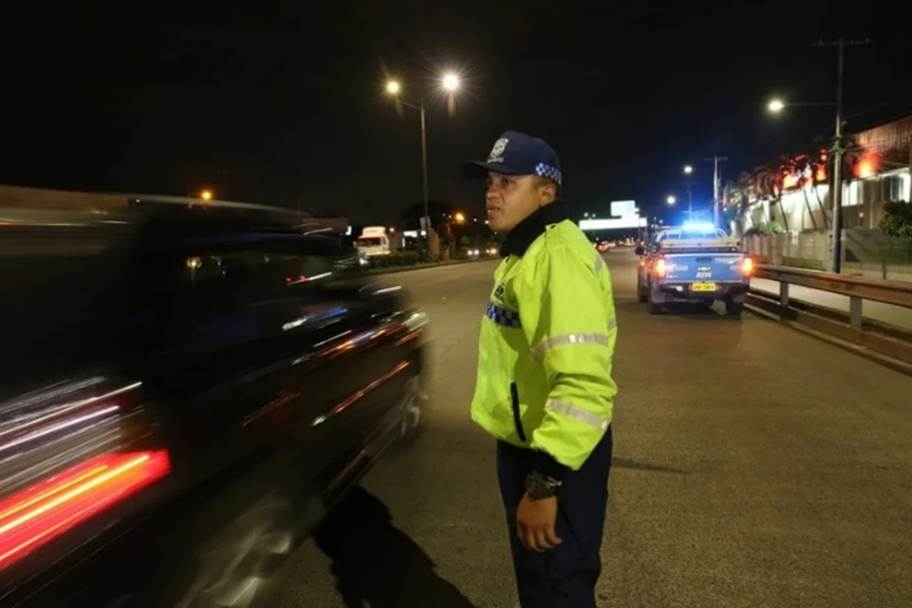
An Ecuadorian police officer stands guard on a street after the curfew, in Guayaquil, Ecuador. EFE/ Jonathan Miranda Vanegas
A Border Transformed into Evidence
The deeper political issue extends beyond the events on the farm to the way governments rapidly transformed the incident into strategic evidence. Ecuador claimed an armed group utilized the property to conceal weapons and serve as a site for traffickers to rest and train. The government asserted that the operation relied on U.S. “intelligence and support.” Pentagon officials described the March 6 strike as “jointly” conducted with Ecuador. However, according to several individuals familiar with the operation, cited by The New York Times, U.S. troops had no direct involvement in the bombing depicted in the video.
This ambiguity is significant. Both governments benefited from portraying the attack as evidence of a robust new alliance against narcotics networks. However, the sequence of events described by villagers appears considerably more complex. Residents reported that helicopters returned three days after the initial raid and dropped explosives on the farm’s smoldering remains. It was at that time, they stated, that soldiers recorded the footage subsequently promoted by Ecuador and the United States as the destruction of a traffickers’ compound.
If this account is accurate, the image circulated globally was not merely documentation of a strike but political theater constructed upon preexisting ruins. This would render the farm both a victim of military action and material for a security narrative.
The context renders this temptation understandable, though it remains perilous. Ecuador does not produce cocaine, but has become a major exporter of cocaine smuggled from Colombia and Peru. Drug gangs collaborating with foreign cartels have driven the country into one of Latin America’s most violent crises. Colombian armed groups operate near the border, where illegal mining and the cocaine trade thrive. The danger is real, which underscores the critical importance of truth. In moments of genuine fear, governments gain increased latitude to exaggerate, obscure, or reclassify public information.
The Ecuadorian military claimed to have recovered firearms and other evidence of illicit activity on the property; however, it did not provide proof despite frequently publicizing photographs of drugs, weapons, and contraband seized during operations. This lack of evidence invites suspicion. Similarly, a complaint filed by the Alliance for Human Rights characterized the military’s actions as attacks on a civilian population. Human rights lawyer María Espinosa stated to The New York Times, “There isn’t a single public official who has come to verify. This absence is politically revealing, suggesting a state more invested in the utility of the narrative than in the responsibility of verification.
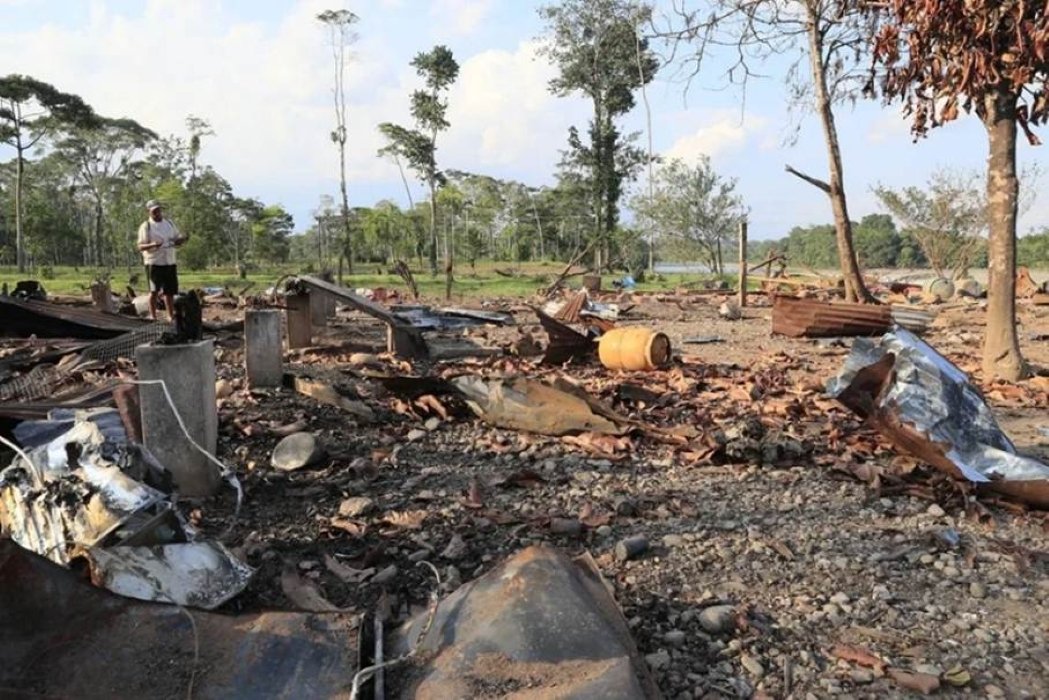
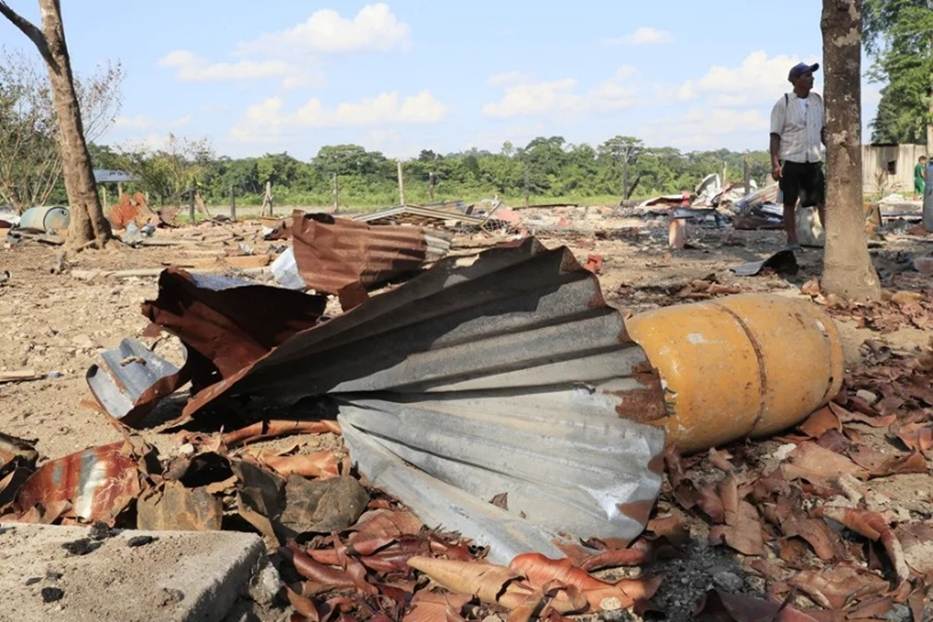
A person walks amid the rubble of a property destroyed during a military operation in Recinto San Marín, Ecuador. EFE/ Carlos Ortega
The Lessons Ecuador Risks Imparting to Latin America
Some residents of San Martín questioned whether the government used the strike to garner support for its crackdown on violent drug gangs. This concern extends beyond a single village. Throughout Latin America, democratic governments confronting genuine criminal threats frequently resort to a politics of visible force. Measures such as curfews, military deployments, raids, aerially filmed explosions, and brief triumphant statements resonate in public discourse. These actions project an image of control, even when the underlying territory remains fragile and contested.
However, border communities are aware of the costs associated with such imagery. They recognize that the anti-narco state can resemble another armed actor when oversight is weak, and accusations precede evidence. In San Martín, residents reported living under suspicion because soldiers presumed farmers were complicit with armed groups. The presence of several Colombian workers exacerbated this vulnerability. In many Latin American borderlands, nationality itself often serves as a proxy for guilt.
This is why the strike holds political significance. It demonstrates how an alliance framed as hemispheric security can obscure local realities. Washington asserts that cartel networks threaten regional stability, which may be accurate. However, in San Martín, stability appears less as a strategic doctrine and more as a man standing amid rubble, indicating where he once produced cheese and raised livestock. Miguel, the farm’s owner, told The New York Times, “It’s an outrage.” He then posed the question that now overshadows the entire operation: “It’s a lie that 50 people were trained here. Where are they going to train? Out here in the open? There’s no logic.”
This is the perspective Latin America should heed—not because rural residents are invariably correct and militaries invariably incorrect, but because in this region, the initial casualties of militarized spectacle are often evidence, due process, and the dignity of individuals residing far from the capital. Once these are compromised, governments may label nearly any destruction a victory.
Vicente Garrido, vice president of the San Martín village board, provided a candid summary of the political stakes, stating, “All we want is for the truth to come out.” This demand should not be considered radical; however, in much of Latin America, it remains so.
Paris St-Germain’s French league match against Lens, which was set to take place between the two legs of their Champions League quarter-final against Liverpool, has been postponed.
The decision has been taken so the defending champions can “prepare in the best conditions” for the tie.
Ligue One leaders PSG were scheduled to visit second-placed Lens on Saturday, 11 April – three days after hosting Liverpool and three days before the second leg at Anfield.
RC Strasbourg’s Ligue 1 match at Stade Brestois on 12 April has also been moved to 13 May because of the French club’s Conference League quarter-final tie with Mainz.
The first leg is due to take place at Mainz on 9 April with the second leg at Strasbourg on 16 April.
“At the request of Paris St-Germain and RC Strasbourg in order to prepare in the best conditions for their respective quarter-finals, the board of directors of the LFP has unanimously decided, apart from the clubs concerned, to postpone the matches,” the LFP said.
The LFP added that the decision was in line with its “strategic direction” to “enable France to retain its fifth place in the Uefa coefficient”.
The performances of clubs in European competitions largely determines how many qualification places a league receives for Europe in future seasons, with France currently holding four Champions League spots.
When PSG made the request to postpone the match Lens, who are one point behind the French champions in Ligue One, said they were strongly against the idea and that the French league is in danger of being reduced to “an adjustment variable at the whim of the European imperatives of some”.
On Thursday, once the decision was anounced, Lens said: “While expressing its disagreement with the unanimous decision of the LFP board of directors to postpone the match against Paris St-Germain, RC Lens acknowledges it responsibly and reaffirms its determination to pursue its sporting objectives.”
The LFP has also asked Lens to move their home game against Nantes on 9 May forward by one day if PSG qualify for the semi-finals of the Champions League.
Barrio adentro conversa con Angélica Garrido, líder del Frente Femenino del Partido Republicano Cubano en la Isla. Hoy vive en el exilio tras la negativa del régimen a permitirle regresar. Una historia de lucha, represión y compromiso con la libertad de Cuba.
El mandatario firmó la orden ejecutiva ‘Keeping Men Out of Women’s Sports’ en febrero del año pasado, y prometió negar visados a algunos atletas que intentaran competir en los Juegos Olímpicos de Los Ángeles. La orden también amenazó con “rescindir todos los fondos” a las organizaciones que permitieran a atletas trans participar en deportes femeninos.
En cuestión de meses, el comité olímpico de Estados Unidos actualizó sus directrices para los organismos deportivos nacionales citando una obligación de cumplir con la Casa Blanca, a las cuales se ha sumado el COI.
La medida entrará en vigor a partir de los Juegos Olímpicos del 2028. (Foto: EFE) (RONALD WITTEK/EFE/EPA)
“La elegibilidad para cualquier prueba de categoría femenina en los Juegos Olímpicos o en cualquier otro evento del COI, incluidos los deportes individuales y de equipo, queda ahora limitada a mujeres”, indicó el Comité Olímpico Internacional.
Juegos Olímpicos: ¿Cómo será la prueba de elegibilidad para las categorías femeninas?
La elegibilidad para la categoría femenina se determinará en primera instancia mediante una prueba de detección del gen SRY, sólo presente en los hombres, que deberá dar negativo.
“El COI considera que la presencia del gen SRY es fija a lo largo de la vida y constituye una prueba altamente precisa de que un atleta ha experimentado un desarrollo sexual masculino”, señaló el comunicado en el que se anunció la nueva norma, aprobada este jueves en sesión del Comité Ejecutivo.
Se contemplarán “raras excepciones” como atletas con diagnóstico de síndrome de insensibilidad completa a los andrógenos u otras diferencias o trastornos del desarrollo sexual que no se beneficien de los efectos anabólicos o de mejora del rendimiento de la testosterona.
Las atletas deberán someterse a pruebas para participar en las olimpiadas. (Foto: EFE) (CLAUDIO GIOVANNINI/EFE/EPA/ANSA)
Por contra, atletas tranS y con trastornos del desarrollo sexual sensibles a los andrógenos deberán competir en categorías masculinas.
La prueba para detectarlo, con extracción de saliva o sangre, es poco intrusiva en comparación con otros métodos posibles y basta con hacerla una vez en la vida, destacó el COI.
“La política que hemos anunciado se basa en la ciencia y ha sido elaborada por expertos médicos”, afirmó en el comunicado la presidenta del COI, Kirsty Coventry, quien agregó que es injusto “y en algunos deportes no es seguro” que compitan en la categoría femenina.
¿Por qué vetaron a las mujeres trans de los Juegos Olímpicos?
El documento del COI detalla que nacer varón otorga ventajas físicas que un grupo de trabajo de expertos cree que se mantienen a lo largo de la vida.
“Los varones experimentan tres picos significativos de testosterona: en el útero, en la mini pubertad de la infancia y al inicio de la pubertad adolescente hasta la edad adulta”, señaló el documento.
Añadió que esto da a los varones “ventajas individuales de rendimiento basadas en el sexo en deportes y pruebas que dependen de la fuerza, la potencia y/o la resistencia”.
“En los Juegos Olímpicos, incluso los márgenes más pequeños pueden ser la diferencia entre la victoria y la derrota”, dijo Coventry, doble medallista de oro olímpica en natación, en un comunicado. “Así que está absolutamente claro que no sería justo”.
Aun así, es probable que el control de género obligatorio —ya realizado por los organismos rectores del atletismo, esquí y boxeo— sea criticado por expertos en derechos humanos y grupos activistas.
¿A partir de qué momento entrará en vigor la medida?
El COI señaló que la política de elegibilidad que se aplicará a partir de los Juegos Olímpicos de Los Ángeles en julio de 2028 “protege la equidad, la seguridad y la integridad en la categoría femenina”.
“No es retroactiva y no se aplica a ningún programa deportivo de base o recreativo”, precisó el COI, cuya Carta Olímpica establece que el acceso a practicar deporte es un derecho humano.
Tras la reunión de su junta ejecutiva, el Comité Olímpico Internacional publicó un documento de 10 páginas que también restringe a atletas femeninas como la corredora Caster Semenya, doble campeona olímpica, con afecciones médicas conocidas como diferencias en el desarrollo sexual, o DSD.
Coventry puso en marcha una revisión sobre “la protección de la categoría femenina” como una de sus prioridades en junio pasado, al convertirse en la primera mujer en dirigir el organismo olímpico en sus 132 años de historia.
ARCHIVO – Foto del 6 de febrero del 2026, la presidenta del Comité Olímpico Internacional Kirsty Coventry habla durante la ceremonia de apertura de los Juegos Olímpicos de Invierno de Milán-Cortina. (Yves Herman/Pool Photo via AP, Archivo) (Yves Herman/AP)
La elegibilidad femenina fue un tema destacado durante la elección del COI del año pasado —celebrada tras un revuelo en torno al boxeo femenino en París— cuando los principales rivales de Coventry prometieron una política más firme y asumir el liderazgo en este asunto.
Antes de los Juegos Olímpicos de París 2024, tres deportes de primer nivel —atletismo, natación y ciclismo— ya habían aprobado normas que excluían a las mujeres transgénero que habían pasado por la pubertad masculina.
No está claro cuántas mujeres transgénero, si es que hay alguna, compiten a nivel olímpico. Ninguna mujer que haya hecho la transición compitió en los Juegos de Verano de París 2024, aunque la halterófila Laurel Hubbard sí lo hizo en los Juegos Olímpicos de Tokio en 2021 sin ganar una medalla .
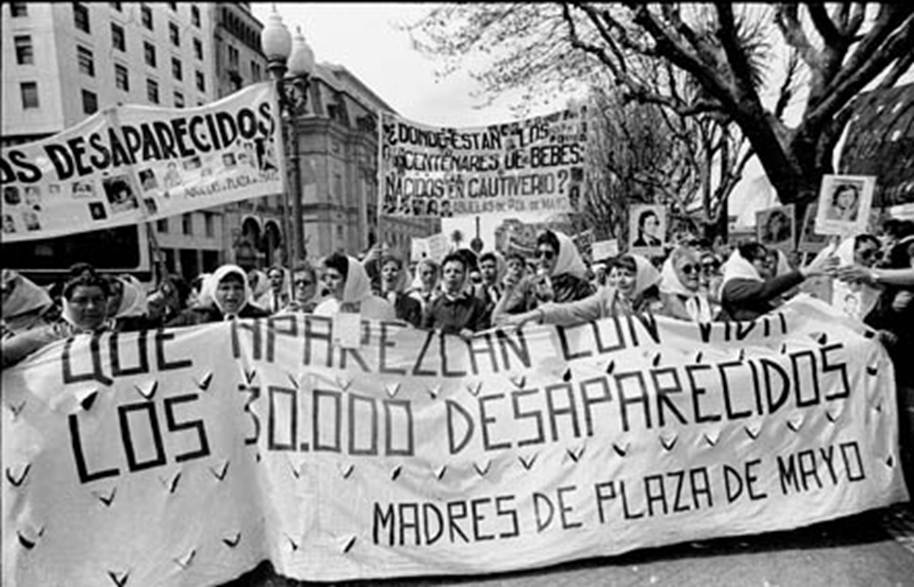
Fifty years after the coup, Argentina continues to wrestle with its lost loved ones, stolen children, and what justice really means. With state support fading and denial growing louder, the Mothers’ weekly march in Buenos Aires feels less like a ritual and more like a warning.
Where the Missing Still Govern the Living
For Taty Almeida, it started with the feeling that she had no more doors left to knock on. Her son, Alejandro, a young medical student and political activist, disappeared in Buenos Aires in 1977. She believed government-backed paramilitary forces had taken him. But back then, suspicion wasn’t enough to get answers, let alone recognition. So she went to the central square near the presidential palace and joined other women asking the simplest and most painful question: Where are they?
That gesture became one of the most powerful moral acts. That act became one of the most powerful moral statements in modern Argentina. The Mothers of the Plaza de Mayo started without any institutional power or protection. They began by turning their grief into a public protest. Week after week, they walked around the plaza holding photos of their children, rejecting the state’s language of disappearance, silence, and erasure. This refusal is just as important now, on the fiftieth anniversary of the military coup, because Argentina is once again facing the choice of whether memory is a foundation of democracy or just a nuisance to those in power. Right of a lifetime spent resisting disappearance. She says she does not want to die without at least touching Alejandro’s bones. The sentence is devastating because it strips away abstraction. Transitional justice can sound like the vocabulary of reports, tribunals, and public policy. But at its core, it is this: a mother who still cannot bury her son, a family that still cannot end a sentence because the state once made the body itself part of the crime.
For years, Argentina stood out for refusing to forget fully. Human rights experts at the United Nations saw it as a global example of how a country can face a violent past. This mattered not just for Argentines but for all of Latin America. In a region where many states chose amnesty, distortion, or gave up, Argentina offered a different path: the belief that memory could be part of institutions, that truth could live beyond grief, and that democracy could grow stronger by confronting the dictatorship’s actions instead of hiding them behind patriotic stories.
That’s why the current moment feels so serious. What’s at risk isn’t just budgets or programs. It’s the moral foundation carefully built after years of terror.
Argentine President Javier Milei. EFE/ STR
The State Is Retreating While Denial Advances
The facts clearly show what has changed under President Javier Milei. Government resources have been pulled away from efforts to hold people accountable. Funding for investigating dictatorship-era crimes has been cut. The Navy was allowed to destroy archival documents before a court stopped them. Reports say some former military personnel accused of human rights abuses might even get pardons. Milei himself called the atrocities “excesses.” In Argentina, that’s not just casual downplaying. It’s a political message.
When a president calls systematic terror just an excess, he encourages the country to take less responsibility. Words matter because democracies aren’t only protected by courts and budgets. They’re protected by how a society talks about its own crimes. Calling the dictatorship’s abuses excesses softens the harsh reality of a system built on disappearance, torture, stealing babies, and fear. It suggests it was not a system of repression but just an unfortunate overflow. That’s exactly what the Mothers and Grandmothers have fought against for decades.
United Nations experts were clear before the anniversary, warning of serious setbacks that could undo four decades of progress. Their statement matters because it shows that what’s happening in Argentina isn’t just a local political fight. It’s seen from outside as a decline in a country once seen as a model. This reversal affects more than just reputation. It threatens the delicate bond between democracy and truth.
The attack isn’t just symbolic. Since Milei took office, state funding for the Mothers has been cut off, and the public TV show they hosted was cancelled. This might seem small compared to the original crimes, but it follows a familiar pattern. First, memory is mocked. Then the institutions that keep it alive lose funding. Then archives start to feel like they can be changed. Finally, the public comes to think that justice is costly, that memory is biased, and that the past is a burden better managed than faced.
But the dead don’t follow that script. Bodies are still being found. Just last week, forensic experts identified the remains of twelve people buried at a former detention center in Cordoba Province. The dictatorship isn’t a closed chapter because evidence keeps coming up from the ground.
So are its children. Around five hundred babies are believed to have been born in detention centers, taken from their parents, and given to families loyal to the dictatorship. Their real origins were kept secret. The Grandmothers have already found 140 of these stolen children. Each time a child’s identity is recovered, it reveals the lie at the core of authoritarian rule: that a state can forcefully rewrite blood, memory, and family ties and move on.
The second “March of Resistance” was held on 9 and 10 December 1982. The flag reads “Let the 30,000 who disappeared show up alive”. Wikimedia Commons
The Young Are Inheriting More Than a Slogan
This is where the story shifts from survival to passing the torch. Guillermo Amarilla Molfino, born in 1980, was one of those stolen children. As an adult, after seeing a documentary about another man born in detention and taken from his family, he started to question his own past. DNA tests confirmed the truth. He changed his first name from Martin to Guillermo to honor his father, who was missing. Now, he works with the Grandmothers and leads tours at the former Navy School of Mechanics, one of the dictatorship’s secret detention and torture centers.
His role is deeply political. He’s not just preserving memory. He shows that the dictatorship still exists within today’s identities, families, and institutions. Argentina isn’t just looking back at an old wound for study. It’s living with the ongoing effects of state violence right now.
Carlos Enrique Pisoni’s story is similar. His parents were kidnapped in 1977 and are still missing. Through HIJOS, he helped shape a generation that inherited not closure but responsibility. His message is clear and true: enforced disappearance keeps hurting people as long as there’s no closure. This should concern any government that thinks memory work is outdated. There’s no end to disappearance as long as it remains alive in law, family life, and public truth.
This is why Argentina’s struggle matters beyond its borders. Latin America knows well how security forces can change without fully abandoning old habits. Pisoni warns that the past isn’t really past while abuses still happen in prisons or during protests. That’s the link between remembering the dictatorship and today’s democracy. Human rights aren’t just history lessons. They’re a real test of whether the state has truly changed.
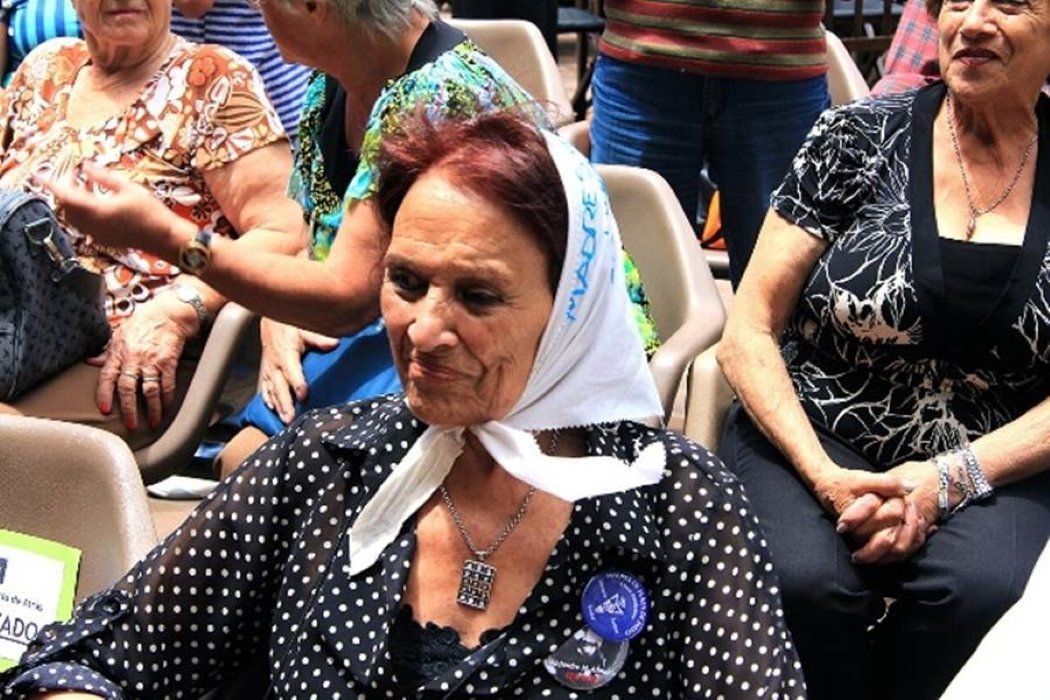
Almeida seems to understand this deeply. She says the fight will never end and that they haven’t been defeated. There’s strength in her words, but also realism. The surviving Mothers are old now. Canes and wheelchairs join the white handkerchiefs that made them global symbols of resistance. But younger people are marching too, and for Almeida, that’s enough reason to hope.
In Argentina, hope has rarely been gentle. It’s usually been stubborn, careful, and public. It looks like a mother in a square, a name recovered, a bone identified decades later, a child learning the truth about their birth. That’s why this anniversary matters. The fight is no longer just about what happened between 1976 and 1983. It’s about whether Argentina will remain a country that sees memory as part of democracy or become one that forces the wounded to prove again that the past deserves to be remembered.