Manchester City midfielder Rodri does not believe being a former Atletico Madrid player rules him out of joining Real Madrid and has said “you can’t turn down the best clubs in the world”.
The 29-year-old Spain midfielder, who has made 293 appearances for City since joining from La Liga club Atletico in 2019, will be out of contract next summer.
The 2024 Ballon d’Or winner says he “needs to sit down and talk” with City but added he would one day “like to come back” to Spain.
Despite making 47 appearances for Atletico, Rodri said he would consider joining city rivals Real.
“There have been many players who’ve gone down that path,” Rodri told Spanish media.
“Not immediately, but over time. For me, you can’t turn down the best clubs in the world.”
Players who have featured for both Real and Atletico include Belgium goalkeeper Thibaut Courtois and Spain forward Alvaro Morata – both of whom played for Chelsea between their spells at the Madrid clubs.
Rodri has won 12 major trophies with Pep Guardiola’s side, including four Premier League titles and one Champions League.
He has featured in 18 Premier League games this season after rupturing his anterior cruciate ligament in 2024.
When asked what he thought of Real president Florentino Perez’s reported admiration for him as a footballer, Rodri replied: “I don’t know – they don’t talk to me directly. They’d talk to my agent.”
Rodri has been named in Luis de la Fuente’s Spain squad for upcoming friendlies against Serbia and Egypt as he targets a spot for this summer’s World Cup in the US, Mexico and Canada.
Rodri has made 59 appearances for his country and won the European Championships in 2024 and the Nations League the year before.
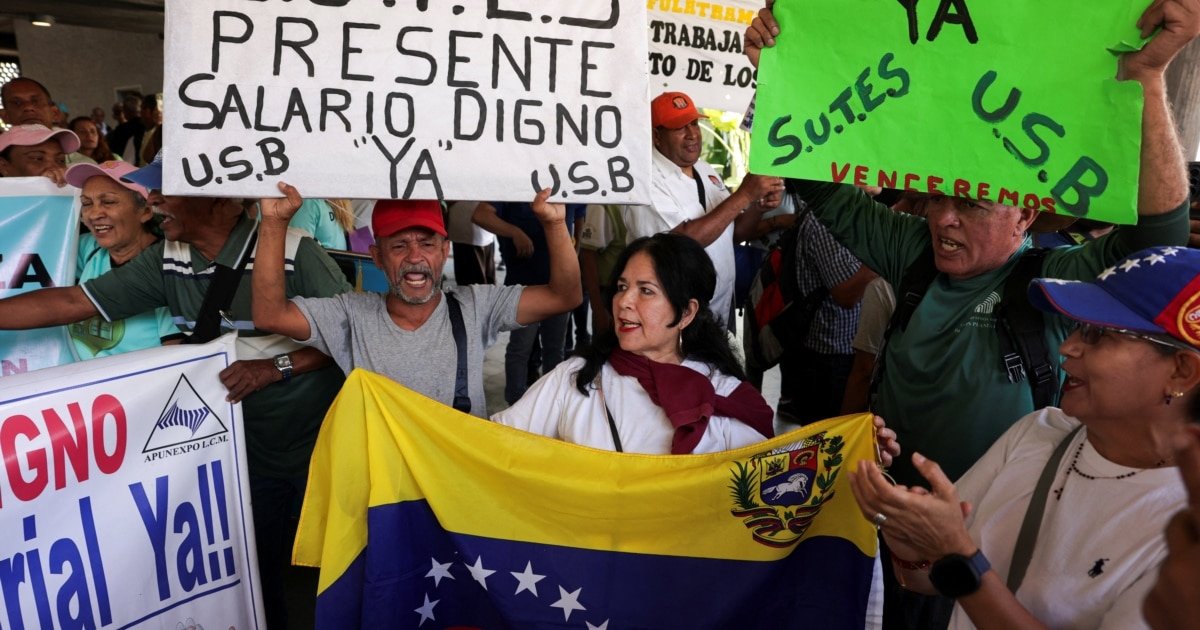
Trabajadores venezolanos advierten que marcharán masivamente hacia Miraflores ante los oidos sordos por mejores salarios…Canciller chileno justifica retiro del respaldo a Michelle Bachellet a la secretaría de la ONU…Destituyen a Fiscal General de Honduras por presunta manipulación de la justicia
Cuatro de cada diez condados estadounidenses se redujeron el año pasado, a medida que la represión migratoria del presidente Donald Trump continuaba frenando la principal fuente de crecimiento demográfico del país.
Según cifras de la Oficina del Censo publicadas el jueves, unos mil 270 condados perdieron residentes en el año que finalizó el 1 de julio de 2025. Esto representa casi un 20 por ciento más que en el mismo período del año anterior y abarca tan solo cinco meses de drásticos cambios en la política migratoria bajo la administración Trump.
Algunos de los descensos numéricos más pronunciados se registraron en condados que incluyen grandes ciudades con numerosas poblaciones inmigrantes, como Los Ángeles, San Diego, Miami, Dallas y Nueva York.
Esto se debe en gran parte a una drástica desaceleración de la inmigración internacional, que impulsó gran parte del crecimiento demográfico tras la pandemia. Es probable que esta tendencia continúe.
Los funcionarios del censo prevén que la migración se reduzca a unas 321.000 personas en el año que finaliza en julio de 2026 y afirmaron a principios de este año que Estados Unidos está “tendiendo hacia una migración negativa” por primera vez en más de 50 años.
El profundo cambio demográfico en Estados Unidos se evidencia en varios centros de inmigración importantes. El condado de Miami-Dade experimentó el segundo mayor aumento de población en 2024, ya que la migración internacional compensó con creces la disminución de nuevos residentes nacionales. La población se redujo en más de 10 000 personas —un 0.4 por ciento— en el año que finalizó el 1 de julio de 2025.
La tasa de crecimiento demográfico en el condado de Harris, que incluye Houston y sus suburbios, se redujo a la mitad por la misma razón.
“Esas tendencias que hemos observado a nivel nacional también se están manifestando a nivel estatal y de condado”, dijo Lauren Bowers, jefa de la división de estimaciones de población de la Oficina del Censo, en una entrevista.
Pero los efectos también se concentran, dijo. “Los condados más grandes están experimentando un mayor impacto que los condados más pequeños debido a esa caída sustancial de la migración internacional”, dijo Bowers.
George Hayward, demógrafo del Censo, afirmó que cinco estados aportaron casi la mitad de la migración internacional neta de Estados Unidos en el año que finalizó el 1 de julio de 2025, y que tan solo 10 condados representaron casi una cuarta parte del aumento nacional. Según Hayward, esas zonas fueron también las más afectadas por la disminución de la inmigración.
La migración internacional a Estados Unidos alcanzó su punto máximo en 2024, tras un aumento sin precedentes en los cruces fronterizos durante la administración Biden. Desde entonces, las entradas prácticamente se han detenido. Trump, cuya promesa a los votantes de endurecer las medidas contra los inmigrantes indocumentados contribuyó a su regreso a la Casa Blanca, ha intensificado las deportaciones de personas migrantes y tomado medidas para limitar la inmigración legal.
Si bien la mayoría de los condados estadounidenses registraron una migración internacional positiva el año pasado, aproximadamente nueve de cada diez experimentaron una disminución en la llegada de inmigrantes en comparación con 2024, según datos del Censo. Los distritos de Los Ángeles, Queens y Brooklyn en Nueva York, así como Chicago, registraron los descensos más pronunciados en la inmigración.
Abismo demográfico
La migración internacional ha contribuido durante mucho tiempo al crecimiento de la población estadounidense, a medida que los estadounidenses envejecen y las nuevas generaciones tienen menos hijos. Aproximadamente dos tercios de los condados de Estados Unidos registraron más muertes que nacimientos el año pasado, un nivel similar al de 2024.
La Oficina del Censo estima que la migración neta, es decir, el número de inmigrantes menos el número de emigrantes, se redujo a 1.3 millones en el año que finalizó en julio de 2025, desde un máximo de 2.7 millones en 2024.
Mientras tanto, la migración interna continúa provocando que la gente se traslade de los condados más poblados a los menos poblados, según el Censo. Los 50 condados con un millón o más de habitantes en 2025 registraron una pérdida neta de migración interna de 637.634 personas. Los condados con entre 50.000 y un millón de habitantes experimentaron una ganancia de casi 534.000 personas.
Entre los condados con poblaciones de al menos 20.000 habitantes, nueve de los diez de mayor crecimiento se encontraban en el sur del país. Esto incluye condados como el de Jasper, en Carolina del Sur, cerca de Savannah, Georgia, así como otros en los alrededores de Houston, Dallas y Austin.
“La inmigración no parece competir con la migración interna: es decir, la migración interna hacia los condados urbanos no disminuyó durante el aumento de la inmigración entre 2022 y 2024 para luego aumentar cuando la inmigración se ralentizó en 2025”, dijo Jed Kolko, investigador principal del Instituto Peterson de Economía Internacional, en una nota.
“Más bien, la migración interna está impulsada por la asequibilidad, ya que la gente abandona los condados urbanos caros para trasladarse a zonas suburbanas más asequibles y a comunidades más pequeñas”, dijo Kolko.
Adapted from Eugene Zapata-Gareschéa’s original Americas Quarterly article, this analysis examines how central governments across Latin America concentrate power, deprive cities and provinces of resources, and undermine democracy at the local level where citizens most directly engage with the state.
Where Democracy Truly Operates
Most political analyses in Latin America focus on national-level actors such as presidents, cabinet conflicts, election cycles, macroeconomic indicators, and the political dynamics of the capital. This focus is understandable given the prominence and visibility of national politics. However, it can obscure critical democratic challenges at the subnational level. As Eugene Zapata-Gareschéa argues in his original Americas Quarterly article, many of the region’s most significant democratic tests occur in municipalities, provinces, departments, and border cities where citizens request essential services such as water, education, shelter, transportation, safety, and functional institutions but frequently encounter a state that affirms these needs in principle yet fails to deliver in practice.
This mismatch constitutes the central issue. Across Latin America, decentralization has existed for decades as an aspiration, reform rhetoric, and constitutional framework. Since the 1970s, countries have revised legal frameworks, expanded local elections, and formally recognized local autonomy. Currently, governors are elected in 12 countries, compared to only 1 in 1980. Even states historically dominated by strong capitals and centralized governance have portrayed themselves as more receptive to territorial balance. On paper, these developments suggest democratic progress.
In practice, decentralization appears limited. The comparative study coordinated by Zapata-Gareschéa for the European Commission characterizes the region as caught between two forces. The first is centralism, a deeply ingrained political practice that concentrates authority, financial resources, and strategic decisions in national capitals, often supported by hierarchical and occasionally authoritarian governance styles. The second is an incomplete effort to empower subnational governments to address local realities, reduce territorial inequality, and restore democratic legitimacy from the grassroots. This unfinished process represents not a mere administrative issue but one of the region’s most persistent and subtle democratic failures.
Citizens reside locally, yet power remains centralized nationally. This dynamic explains much of Latin America’s frustration beyond ideological debates. Mayors are held accountable for service failures, governors for infrastructure deficiencies, and local offices for shortages in medicine or educational support, even though funding, regulations, and genuine decision-making authority often reside elsewhere. Citizens engage with democracy through the closest governmental entity, which frequently lacks the capacity to act effectively.
Centralism thus functions not only as a governance style but also as an emotional framework. It conditions communities to perceive their needs as perpetually awaiting acknowledgment from distant capitals that lack an understanding of peripheral realities.
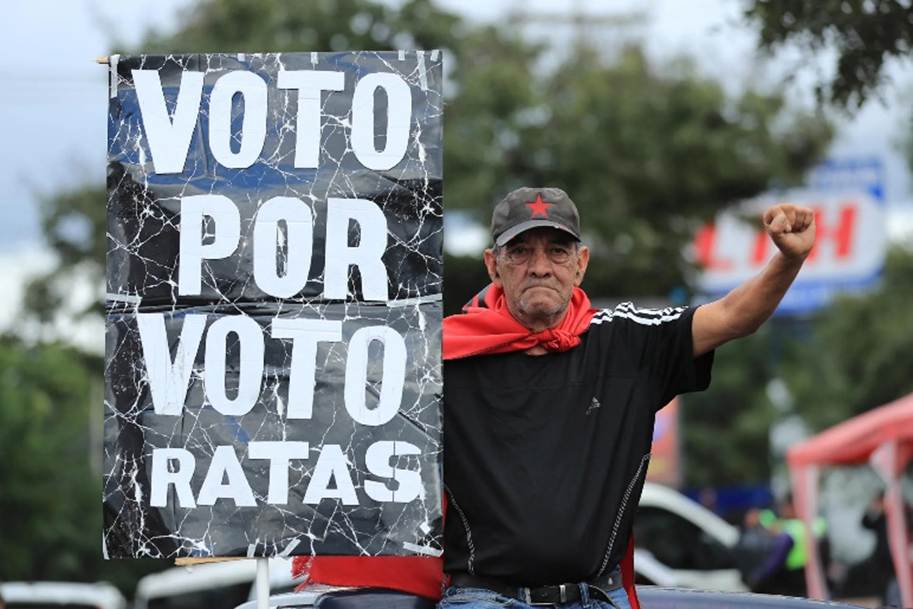
A supporter of the Liberty and Refoundation Party (Libre) protests in Tegucigalpa, Honduras. EFE/ Gustavo Amador
The Capital Controls Financial Resources and Policy Direction
Public finance exemplifies this dynamic. Subnational governments in Latin America account for only eighteen percent of total public expenditure, with revenues averaging 5.6 percent of GDP—approximately one-third of the average in developed economies. Consequently, local governments are expected to provide public goods despite possessing limited fiscal capacity. Their financial viability relies heavily on national transfers, which are frequently conditional, discretionary, and susceptible to partisan bias.
This dynamic undermines not only efficiency but also the democratic process. Although citizens hold mayors and governors accountable, these officials frequently depend on national actors for funding. Consequently, distinguishing performance from political loyalty becomes difficult. Local governments may face sanctions not only for mismanagement but also for opposing national authorities. In such contexts, the system often rewards compliance as much as, or more than, competence.
The study presents compelling examples. In El Salvador, municipalities are frequently required to finance elementary school teachers, a responsibility typically managed by national education ministries in other countries. In Ciudad Juárez, local authorities face continuous migrant arrivals despite lacking legal mandates, budgets, and institutional capacity to manage migration. Migrants require shelter, water, sanitation, and urgent healthcare, often residing in public spaces. This reality demands municipal response despite inadequate legal and institutional support.
Centralism reveals its detrimental effects by transferring obligations without relinquishing authority. Local governments bear the visible responsibilities of the state, while national authorities retain control over financial resources and policy directives. This arrangement exacerbates territorial inequality. Wealthier cities such as São Paulo, Mexico City, and Buenos Aires can partially mitigate these effects due to stronger economic bases, whereas poorer, rural, and peripheral areas cannot. This dynamic perpetuates a cycle of uneven development, internal migration toward major metropolitan centers, and an expanding disparity between community needs and national government priorities.
The backlash in Ecuador against Daniel Noboa’s reforms to the territorial autonomy code exemplifies this pattern. The issue extends beyond abstract legal adjustments; it reflects the presidency’s effort to exert greater control over mayors by requiring them to allocate more of their budgets to the national investment agenda. In effect, local governments become extensions of presidential authority.
This analysis clarifies why federalism alone does not resolve territorial imbalances. The study’s comparison of twenty-two countries demonstrates that constitutional designations do not ensure equitable territorial balance. For example, Mexico, despite its federal structure, contains some of the region’s most transfer-dependent municipalities. Conversely, unitary states such as Uruguay and Colombia have been more effective than anticipated in aligning responsibilities with resources. The critical factor is not formal constitutional design but the coherent matching of power, duties, and financial resources, alongside the genuine willingness of central governments to decentralize authority—an outcome that remains infrequent.
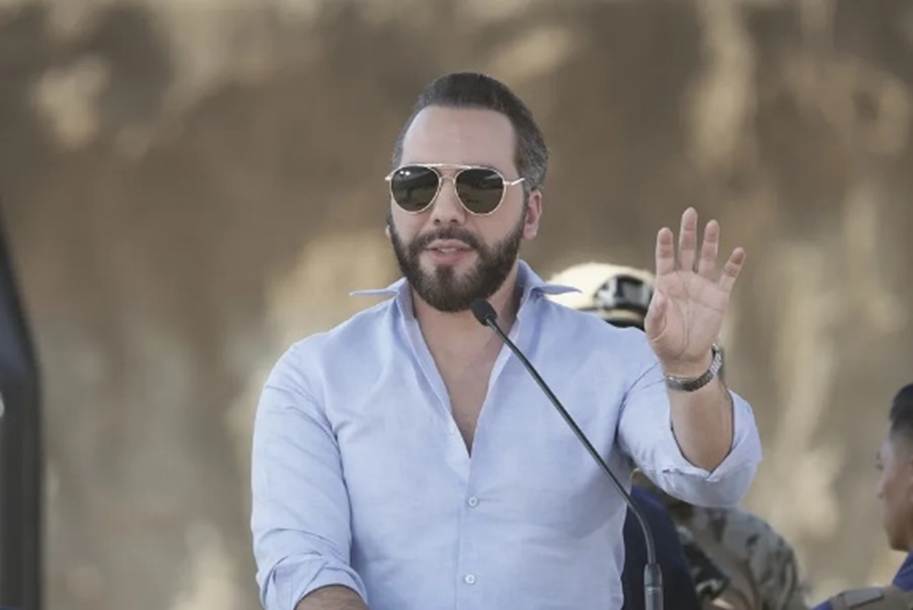
The president of El Salvador, Nayib Bukele. EFE/ Jeffrey Arguedas
Authoritarian Drift Begins with the Contraction of Local Autonomy
The recent intensification of national politics exacerbates these risks. Zapata-Gareschéa identifies a diffuse authoritarianism emerging across the region, characterized by tolerance for strong leaders who promise rapid results while undermining institutions, checks and balances, and human rights. This governance style predominates at the national level, where concentrated authority is more easily justified, and local governments are often portrayed as inefficient, corrupt, or dispensable.
In certain countries, this authoritarian drift has become overtly aggressive. In Nicaragua, Daniel Ortega’s government intervened against opposition mayors and abolished municipalities via administrative decrees. In El Salvador, Nayib Bukele reduced the number of municipalities from 252 to 44 through extensive legislative and administrative reforms. Although these actions were justified as anti-corruption measures, they effectively marginalized local authorities as political actors and weakened democratic accountability at the community level, where it is most tangible.
This loss is significant because Latin America has historically been recognized for democratic innovation at the local level. For instance, Porto Alegre became a global model for participatory budgeting in the 1980s. Practices such as open town halls, participatory planning, and public consultation once provided the region with a democratic discourse grounded in everyday citizenship rather than solely national politics. However, as municipal autonomy diminishes and local budgets contract, these mechanisms become increasingly difficult to maintain, rendering participation more symbolic than substantive.
Administrative weaknesses exacerbate these challenges. Many municipalities lack stable, merit-based civil service systems, experience high staff turnover, rely on short-term contracts, and engage in politicized hiring. Institutional memory dissipates with each electoral cycle. Smaller municipalities face difficulties in basic budget management, and medium- to long-term planning is uncommon. Thus, even where formal autonomy exists, administrative capacity is frequently insufficient.
The argument for stronger local government is pragmatic rather than idealistic. Issues such as climate change, migration, insecurity, housing shortages, and digital transformation manifest initially at the local level. Martin Kaspar succinctly captured this reality in a recent article titled “The ministerial dinner is a costly foreign direct investment error: building a factory requires relationships with municipal clerks, not national politicians.” This underscores that development occurs in specific local contexts, requiring permits, infrastructure, local trust, and administrative competence.
This constitutes the democratic warning confronting Latin America. Decentralization is not a panacea; local corruption and weak administrative capacity persist, and territorial fragmentation may generate additional challenges. However, without meaningful local autonomy, effective administration, and genuine decision-making authority below the national capital, democracy will continue to appear imposed from above and hollow at the grassroots. Under such conditions, citizens do not cease requiring the state; rather, they cease believing it represents their interests.
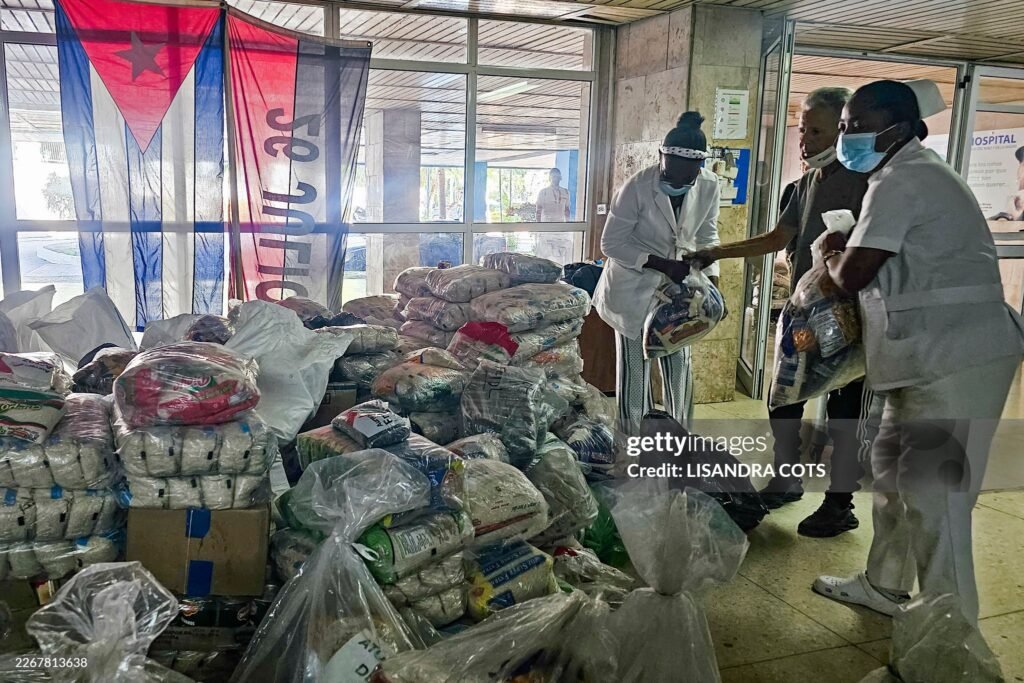
News Americas, TORONTO, Canada, Thurs. March 26, 2026: Reports state that CARICOM governments are preparing to send humanitarian aid to Cuba following a decision announced by Chairman Dr. Terrance Drew at the 50th Regular Meeting of the Conference of Heads of Government in St Kitts and Nevis from 24 to 27 February 2026. Supplies to be purchased in Mexico for transport to Cuba include powdered milk, including baby formula, non-perishables such as beans, wheat flour, rice, canned goods, basic medical supplies, solar panels, batteries, and water tanks.
Aid brought by the Nuestra America flotilla from Mexico is classified at the William Soler Pediatric Cardiocenter in Havana on March 25, 2026. (Photo by Lisandra COTS / AFP via Getty Images)
These reports could not have come soon enough.
The long-running embargo and now naval “oil blockade” have been cruel and unusual punishment against an island and its people. These actions have inflicted severe hardship and has brought near collapse, all in pursuit of self-determination. Furthermore, the suffering has been inflicted by a superpower which is now demonstrating much less moral character than the people it directs its fury against, in the name of high-minded objectives. Whatever the flaws in the Cuban system, Cuba has demonstrated resilience, cohesion, and a people-centered ethic, which the US itself increasingly lacks.
In addition to the above aggression, there has been the military strike on Venezuela without follow through to support democracy there. There is also the war against Iran which is driving up fuel prices, increasing inflationary strain and disrupting tourism-dependent economies in the region. And on top of that, a chaotic, whimsical regime of punitive tariffs against US friend and foe alike.
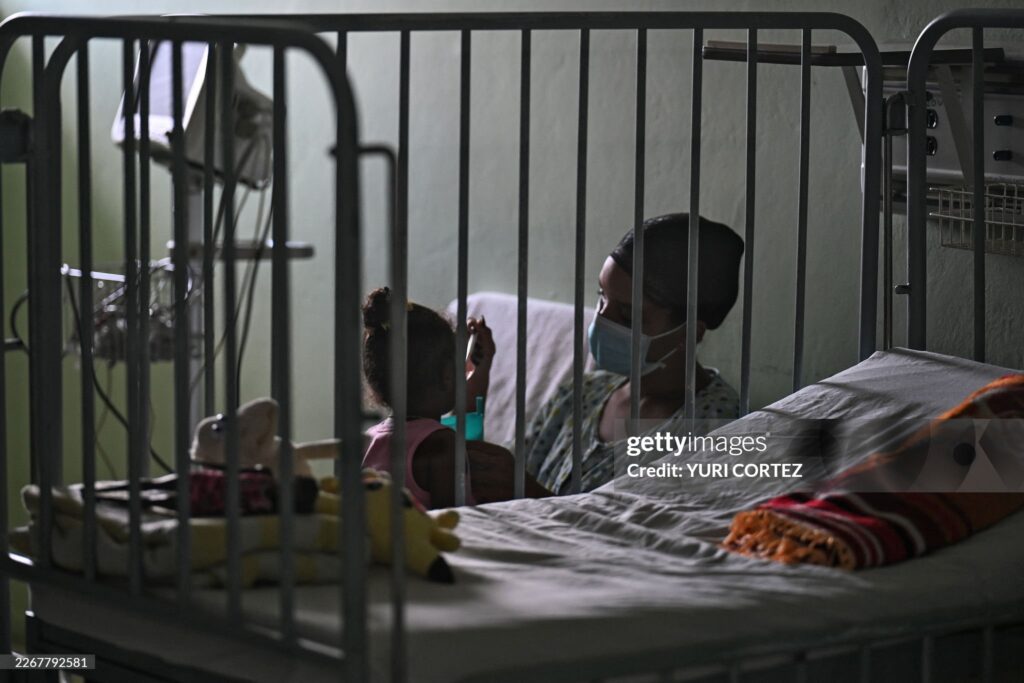
A woman cares for her daughter at the William Soler Pediatric Cardiocenter a beneficiary of the humanitarian aid brought by the Nuestra America flotilla from Mexico in Havana, on March 24, 2026. (Photo by Yuri CORTEZ / AFP via Getty Images)
Let’s look back and place some context on what is currently amounting to the harshest ever punishment imposed on Cuba.
More than six decades after the United States imposed sweeping sanctions on Cuba, the policy has hardened into one of the longest-running economic sieges in modern history. What began as a Cold War strategy to counter Soviet influence has evolved into a dense web of financial restrictions, diplomatic pressure, and extraterritorial penalties that shape the economic life of a small Caribbean nation of eleven million people.
The historical irony of the embargo is difficult to ignore.
The original policy originated from fears that Cuba had become a Soviet outpost in the Western Hemisphere. Yet in today’s political climate, some of the same voices advocating the toughest measures against Havana express far more conciliatory attitudes toward Vladimir Putin.
Today, the question confronting Washington and the wider world is increasingly stark: has the embargo and current naval blockade become a show of strength whose humanitarian consequences now outweigh any possible strategic purpose? Is the suffering of the people something to gloat over?
Cold War Origins
The origins of conflict traces back to the Cuban Revolution, when Fidel Castro overthrew the U.S. backed government of Fulgencio Batista, an authoritarian dictatorship, and nationalized major industries, including American-owned businesses.
Washington responded with escalating sanctions, culminating in the full trade embargo imposed by John F. Kennedy in 1962. At the height of the Cold War, the justification seemed straightforward: Cuba had aligned with the Soviet Union and hosted nuclear missiles during the Cuban Missile Crisis, bringing the world to the brink of nuclear war.
But the Soviet Union disappeared more than thirty years ago. The embargo did not.
Instead, it became institutionalized through laws, making it extremely difficult to lift sanctions without congressional approval.
A Sanctions System With Global Reach
The modern embargo extends far beyond a simple prohibition on U.S.-Cuba trade. Because the United States dominates global finance, sanctions often carry extraterritorial consequences.
Foreign banks risk penalties if they process transactions with Cuba. Shipping companies can face restrictions if they dock at Cuban ports and later attempt to enter the United States. Businesses trading with Cuba may lose access to American markets.
For a small island economy dependent on imports for food, fuel, and industrial inputs, these restrictions have profound effects.
Shortages of fuel, spare parts, and medical equipment have become chronic. Electrical grids struggle to obtain replacement components. Hospitals report difficulty acquiring certain medicines or specialized devices. The result is a fragile economic system increasingly strained by shortages and infrastructure failures.
Today, with the “targeted” naval oil blockade, blackouts across the island have underscored the severity of the crisis – inability to store perishable food, disabling sensitive equipment and emergency hospital care, and decimated its absolutely critical tourism lifeblood. Sanctions have also magnified structural weaknesses by limiting access to credit, technology, and global markets.
Cuba On The Brink
Cuba now faces its most serious economic emergency since the early 1990s, when the collapse of Soviet aid plunged the island into deep recession.
Inflation has surged. Migration has reached historic levels, with hundreds of thousands of Cubans leaving the island. Food shortages, power outages, and crumbling infrastructure have become daily realities.
The Cuban government attributes much of the crisis to the tightening of U.S. sanctions in recent years, particularly measures that target shipping, remittances, and access to international banking systems.
Adversaries of Havana say that the government’s own centralized economic system bears responsibility for many inefficiencies. Whatever the case, it has to be acknowledged that sanctions restrict the country’s capacity to recover.
The Caribbean: A Region Caught In The Middle
The consequences of U.S.-Cuba tensions extend beyond the island itself. Across the Caribbean, governments navigate a delicate geopolitical balance between security and economic dependence on the United States and practical cooperation with Cuba.
CARICOM has historically long defended engagement with Cuba, viewing the island as an important partner in regional development.
Countries like Jamaica, Barbados, and Guyana maintained longstanding medical and educational cooperation agreements with Havana. Cuban doctors and nurses work in hospitals across the Caribbean, often filling gaps created by shortages of medical professionals.
For many small island states, these programs are not ideological statements but practical necessities. Recruiting doctors to remote or under-resourced regions is difficult, and Cuban medical missions have often provided critical support during crises – from hurricane recovery to public health emergencies.
Yet Washington has increasingly criticized these programs. Officials, including Marco Rubio, argue that the Cuban government exploits medical workers by taking a significant portion of their salaries and restricting their freedom of movement.
And the United States has imposed visa restrictions and other pressures to discourage Caribbean governments from participating in these missions.
For small states navigating economic vulnerability and climate risks, the situation presents a difficult choice: comply with the demands of the region’s largest power or risk losing access to essential healthcare personnel. The immense pressure from the US has had consequences. Jamaica is ending its medical cooperation with Cuba. And Guyana is now hiring Cuban Doctors and Nurses directly. In addition, the Guyana government, which depended on the Cuban medical program for decades and had deep fraternal and ideological kinship with Cuba in the past, has said the Cuban “Status quo cannot remain.”
The Venezuela Factor
The geopolitical web surrounding Cuba also includes Venezuela. For years, the government of Hugo Chávez – and later Nicolas Maduro – supplied Cuba with subsidized oil in exchange for Cuban doctors, teachers, and technical advisers.
When Washington imposed severe sanctions on Venezuela’s energy sector, the ripple effects reached Havana. With little oil reaching the country, blackouts now sweep across the island.
The sanctions regimes that targeted Venezuela and Cuba reinforced one another, tightening economic pressure across parts of the Caribbean basin.
The Paradox Of Russian Influence
The historical irony of the embargo is difficult to ignore.
The original policy originated from fears that Cuba had become a Soviet outpost in the Western Hemisphere. Yet in today’s political climate, some of the same voices advocating the toughest measures against Havana express far more conciliatory attitudes toward Vladimir Putin.
This contradiction raises uncomfortable questions about whether the embargo remains rooted in coherent strategic logic – or whether it has simply become a permanent fixture of domestic politics that has now taken on an even more erratic and punitive nature.
A Policy At A Crossroads
After more than sixty years, the embargo has, at least so far, failed to achieve its central objective: the transformation or collapse of Cuba’s political system, although Cuba may now be nearing exhaustion.
What it has definitely done is prolong an economic standoff that shapes the lives of millions of people and influences the geopolitical dynamics of the Caribbean.
Supporters argue that sanctions remain a legitimate tool for pressuring an authoritarian government. Others counter that the policy punishes ordinary citizens while entrenching political divisions.
As Cuba faces mounting economic strain and the Caribbean navigates competing pressures from larger powers, the question confronting Washington is increasingly unavoidable.
Is the embargo still a strategy – or has it become a tyrannical whim using a long-gone Cold War as a front, and whose human costs now exceed any political or strategic gains?
For Cuba and its Caribbean neighbors, an equitable and humanitarian resolution of this situation may determine whether the region moves toward greater cooperation or has the current incarnation of a conflict that began more than half a century ago hang over their heads as a collective shadow of a regrettable episode in Caribbean history.
Finally, The Promise Of Relief By CARICOM
Now it appears that CARICOM has at last collectively decided that the community can no longer stand by while a close neighbour endures such suffering – despite potential consequences. They would have long taken humanitarian action if there had been a hurricane or flooding – the human consequences are no different.
Much of the charge seems to have been led by the small island of Barbados and its Prime Minister Mia Mottley. In the face of delays, Barbados last week decided to proceed independently to deliver its donated supplies. And Guyana has now committed to sending a large shipment of rice.
It is hoped that the collective CARICOM actions can be expedited and that the urgently needed supplies reach Cuba, bringing at least some relief to the island and its people before collapse.
EDITOR’S NOTE: Ron Cheong is a frequent political commentator and columnist whose recent work focuses on international relations, economic resilience, and Caribbean-American affairs. He is a community activist and dedicated volunteer with extensive international banking experience. Now residing in Toronto, Canada, he is a fellow of the Institute of Canadian Bankers and holds a Bachelor of Science degree from the University of Toronto.
RELATED:
Help Sustain Independent Caribbean Diaspora Media – Support NewsAmericas
Following the controversial final in Rabat – in which Morocco and Real Madrid forward Brahim Diaz missed a Panenka penalty to win the match in the 114th minute – the Royal Moroccan Football Federation (FRMF) immediately lodged a complaint with Caf and Fifa, claiming that Senegal leaving the field of play “greatly affected the normal course of the match and the players’ morale”.
Caf’s disciplinary committee initially rejected that appeal, instead issuing sanctions against both sides, including a five-match ban for Senegal head coach Pape Thiaw, on 29 January.
The FRMF said those original penalties did not “reflect the seriousness of the incidents”, and Caf’s appeal board agreed, releasing a statement on 17 March which said Senegal had contravened articles 82 and 84 of competition regulations.
Article 82 states that if a team “leaves the ground before the regular end of the match without the authorisation of the referee”, they are eliminated.
Senegal’s government responded by calling for an investigation into “suspected corruption” at Caf, a claim rebuffed by the governing body’s president, Patrice Motsepe, who has been at pains to point out the appeal board’s independence.
“It is important that the decisions of our Caf disciplinary board and the Caf appeals board are viewed with respect and integrity,” he said.
The final decision on who claims the 2025 Afcon title now rests with Cas, sport’s highest judicial authority.
“To wage this moral and legal crusade, we have appointed a team of seasoned professionals with undeniable expertise,” Fall announced in Paris, flanked by members of the FSF legal team.
One of them, lawyer Seydou Diagne, called the decision to strip Senegal of their title “so blatant, so absurd, so irrational”.
“The decision of the appeals jury cannot even be considered a true decision of sporting justice,” he added.
“It is an unacceptable and intolerable attack on the fundamental rights of our national Football Federation.”
Fellow lawyer Juan Perez said: “A match that was over, whose result had been decided by the referee, now being re-refereed, administratively – that’s unprecedented. You haven’t seen anything like it. It could change the world of football.”
Caf recently updated the Afcon 2025 review on its website to list Morocco as winners, although that page now appears to have been taken down.
With Senegal refusing to relinquish the trophy, and with Saturday’s planned parade a sign of their contempt, the battle to be crowned African champions is far from over.
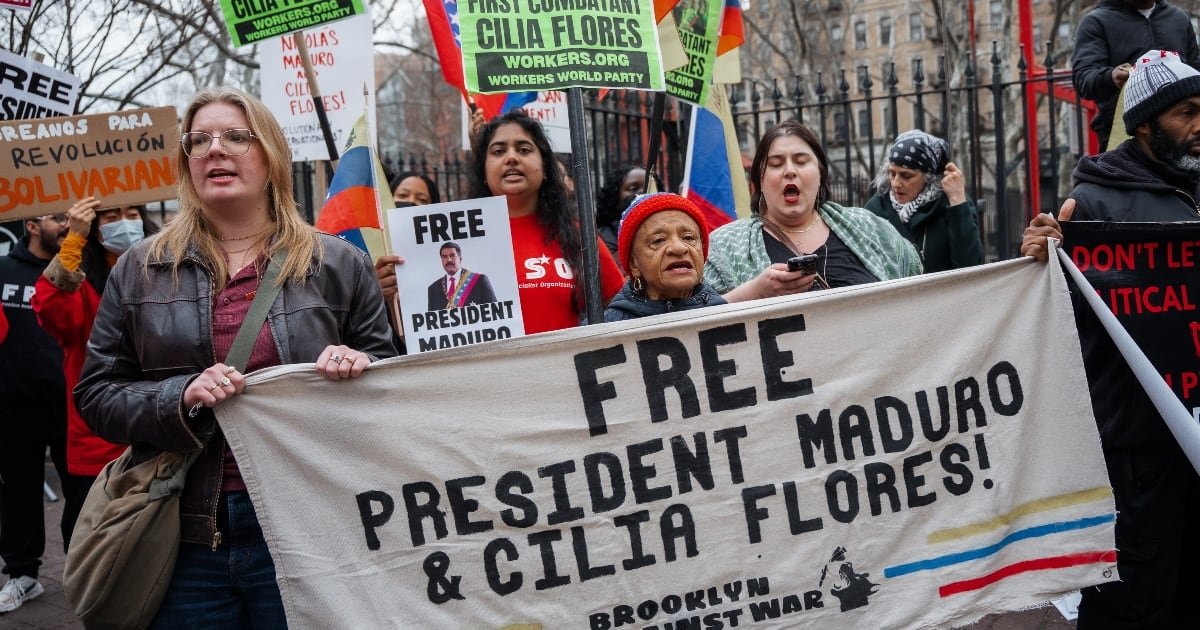
Nicolás Maduro comparecerá de nuevoeste jueves 26 de marzo ante una Corte de Nueva York, mientras Estados Unidos sigue adelante con un amplio caso de conspiración por narcotráfico y narcoterrorismo contra el derrocado líder venezolano, un caso cargado de implicaciones regionales y geopolíticas.
Los fiscales afirman que el expresidente de Venezuela, Nicolás Maduro, detenido por el ejército estadounidense el 3 de enero, desempeñó un papel clave en una conspiración para traficar cocaína a Estados Unidos.
También alegan que Maduro y otros se asociaron con grupos designados por Estados Unidos como organizaciones terroristas extranjeras y que intentó enriquecerse durante sus más de veinticinco años en el gobierno.
La comparecencia presencial ante el tribunal del jueves será la primera desde el 5 de enero para Maduro, de 63 años, y su esposa, Cilia Flores, de 69, quien también fue acusada en el caso. Ambos se han declarado inocentes y permanecen detenidos sin derecho a fianza.
Durante la audiencia, los abogados defensores de la pareja y los fiscales informarán al juez federal Alvin Hellerstein sobre las gestiones para que el caso avance.
Es probable que el juez discuta con los abogados el calendario de la fase previa al juicio, incluyendo el plazo para las solicitudes de Maduro y Flores para desestimar los cargos o limitar las pruebas que se pueden utilizar en su contra.
Nicolás Maduro exige que el Gobierno de Venezuela pague su defensa legal
En uno de los primeros puntos de conflicto que ya ha surgido, el depuesto presidente venezolano ha afirmado que Estados Unidos le está impidiendo recibir del gobierno de Caracas el dinero que necesita para pagar su defensa legal.
El abogado estadounidense de Maduro, Barry Pollack, declaró ante el tribunal que la ley venezolana exige que el gobierno pague los honorarios legales de Maduro, y que las autoridades venezolanas están dispuestas a hacerlo.
Afirmó que Estados Unidos está violando inconstitucionalmente el derecho de Maduro a elegir a su propio abogado, lo que exige el sobreseimiento del caso.
Si a Venezuela no se le permite enviar fondos, Pollack ha solicitado que se le permita retirarse del caso en favor de un abogado de oficio.
Según la fiscalía, el dinero del gobierno venezolano no puede utilizarse debido a las sanciones estadounidenses contra el país. Nicolás Maduro y Flores siguen teniendo libertad para usar su propio dinero para pagar a sus abogados, afirmó Estados Unidos en un documento presentado ante el tribunal.
En la audiencia de enero, Pollack le dijo a Hellerstein que anticipaba una gran cantidad de documentos legales “voluminosos y complicados” por parte de la defensa, incluyendo el argumento de que Maduro goza de inmunidad judicial por ser el exlíder de una nación soberana.
Hellerstein, de 92 años, preside el caso y se encargaría del juicio si este llegara a juicio con jurado, aunque eso podría ocurrir dentro de un año o más.
Petro has insisted that the aircraft, donated by the United States in 2020, was junk and that its age was a determining factor in the accident
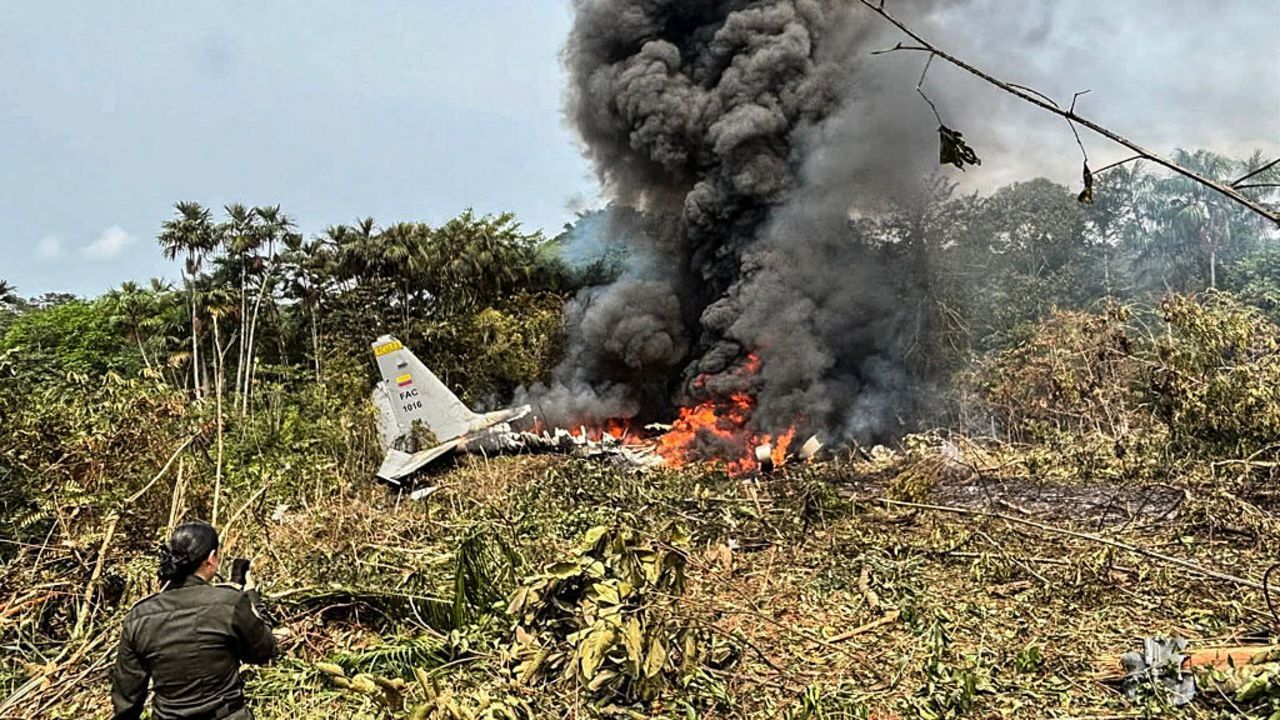
The Hercules C-130 crash in Putumayo, which killed 70 people on March 23, has escalated into an open political confrontation between President Gustavo Petro, the military leadership, and the opposition over the causes of the disaster and the state of the country’s defense capabilities, against the backdrop of presidential elections scheduled for May 31.
Petro has insisted that the aircraft, donated by the United States in 2020, was junk and that its age was a determining factor in the accident. An army cannot defend its people with junk gifts. What doesn’t serve them, they give away — and the gift ends up costing more than buying it new, the president stated, directing his criticism at former President Iván Duque, under whose administration the aircraft was acquired. After hearing the Air Force’s arguments, Petro declared on Wednesday that he disagrees with their explanations and concluded that the probability of the aircraft’s age being the cause is increasing. He also announced he would request a list of officers and officials responsible for the acquisition and maintenance of the plane.
FAC commander General Carlos Fernando Silva defended the aircraft’s condition. As he told El Tiempo, the plane was manufactured in 1983 and had over 20,000 hours of useful life remaining when acquired. It underwent a major depot-level inspection (PDM) costing $3 million and, with proper maintenance, could have operated for up to 40 more years. Silva maintained the aircraft was airworthy and the crew fully qualified.
Meanwhile, the investigation advanced with the recovery of the flight recorder on Wednesday, March 25. According to Blu Radio, early findings suggest the pilot attempted to dump fuel moments before impact. The main hypotheses center on a possible engine failure during the initial climb, potential overloading, and operational factors. The mayor of Puerto Leguízamo, Luis Emilio Bustos, noted that excess weight is a relevant line of inquiry, considering the C-130 carried over 114 passengers, two pickup trucks, and some 15,380 pounds of military ordnance.
From the opposition, Duque accused Petro of politicizing the tragedy. Stop being so despicable and making politics out of tragedies. Instead, conduct an investigation that includes the aircraft’s weight at takeoff and the runway size, he responded. Duque defended military cooperation with Washington and noted that C-130s operate in more than 50 countries. Former Defense Minister Diego Molano also rejected the junk label and stated on Blu Radio that the aircraft were delivered under international standards as part of a cooperation program with the United States.
Retired General Guillermo León, former head of the Association of Retired Military Officers, called for caution and warned that an accident of this nature rarely has a single cause. Unfortunately, given the times we’re in, a lot of noise is generated and objectivity is lost, he noted.
The clash of narratives comes just over two months before presidential elections, adding an electoral dimension to the debate over defense and military modernization in Colombia.
Motherwell midfielder Callum Slattery has been handed a retrospective four-game ban for simulation that resulted in a red card for St Mirren defender Richard King.
Referee Calum Scott was told about the incident by one of his assistants and when the red card was issued for violent conduct, VAR did not intervene to overturn the decision despite an apparent lack of contact.
King’s red card was later rescinded on appeal, and Motherwell have hit out at a four-game ban for Slattery, two of which are suspended, after he was cited by the Scottish FA’s compliance officer.
The club say “a third layer of refereeing has now been implemented” and insist “poor quality” cameras mean there is not conclusive evidence King’s arm did not touch Slattery’s face.
“This is the first incident in Scottish football where a player has received a match suspension via retrospective action for inappropriate behaviour,” Motherwell claimed in a statement.
“And we question why this incident meets the criteria, yet countless others don’t.
“All clubs have witnessed similar incidents in games, which haven’t resulted in retrospective bans; therefore, we will watch and expect consistency going forward so that Callum isn’t treated differently to others.”