A la par, la conferencia de prensa podría referirse a otros temas de interés nacional e internacional.
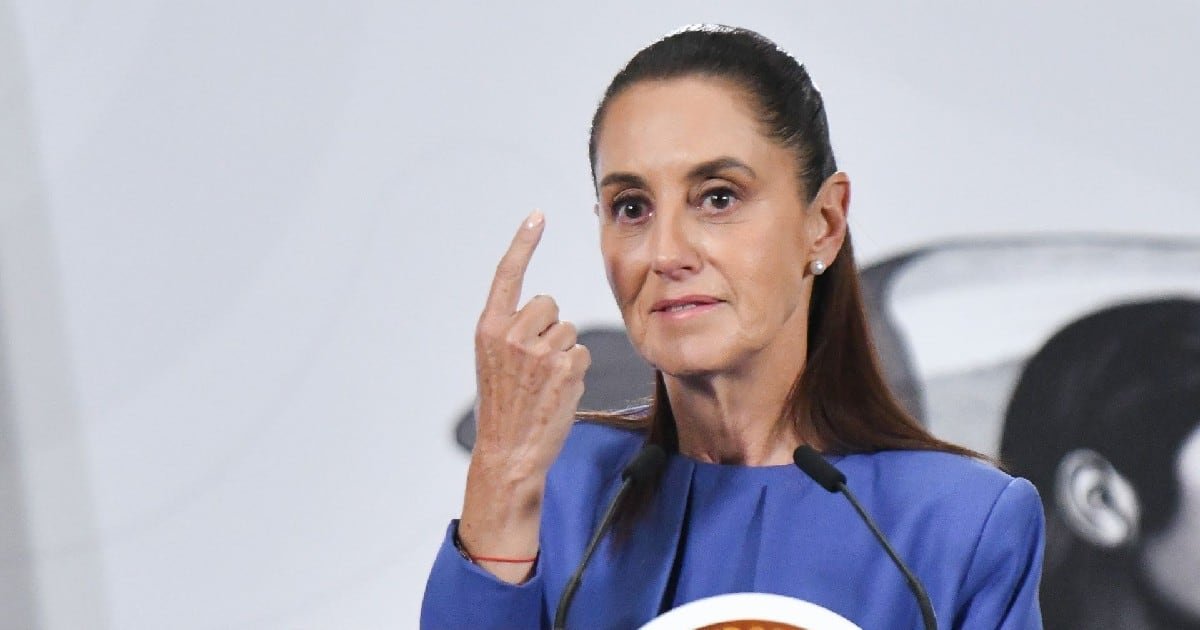
¿Qué sucedió en la mañanera de Claudia Sheinbaum el 25 de marzo?
En la mañanera anterior, la presidenta Claudia Sheinbaum, junto a funcionarios de la Secretaría de Relaciones Exteriores (SRE), informaron sobre los connacionales detenidos en Estados Unidos y la atención de las personas deportadas.
La mandataria expresó su deseo de que la colección Gelman, que reúne 10 pinturas de Frida Kahlo, se quede en México, ante la posibilidad de que estas sean llevadas a España.
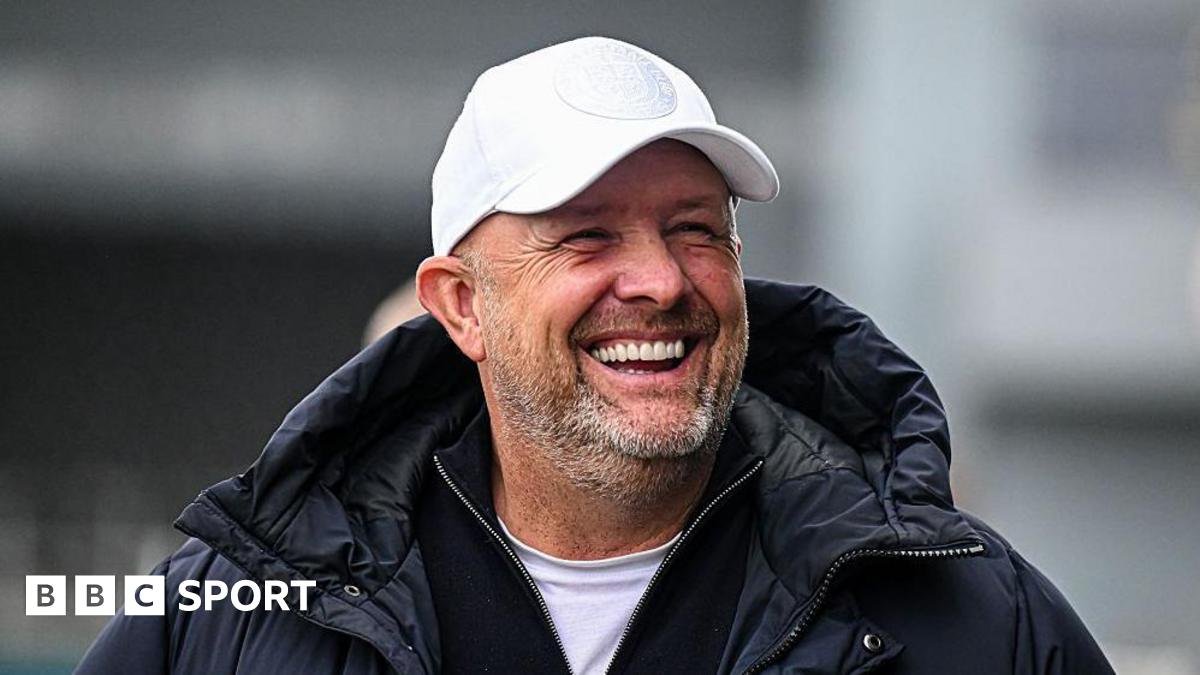
After finishing mid-table in their first season in the EFL in 2024-25, this campaign was widely expected to be another one of consolidation but the Ravens have confounded pre-season predictions.
They have not been beaten in almost four months since a 3-1 defeat at then-leaders Walsall on 29 November, winning 14 and drawing seven of their 21 games since.
“It’s a great place to be in,” Woodman added. “It’s fantastic for us. I mean we shouldn’t really be anywhere near it on paper so really, in that respect, there’s no pressure on us, only the pressure we’ve got on ourselves.
“And we have put pressure on ourselves because we know we’re close and it will be quite an achievement for Bromley Football Club to be in League One for sure.”
Woodman, meanwhile, rejected criticism of Bromley’s direct style, pointing to the fact that only three clubs have scored more goals in League Two this season.
“We’ve got the smallest budget in the league, or one of the smallest budgets, so we can only attract a certain sort of player,” he added.
“And the player we attract, I want to take all the complications away from them – ‘you’ve got to play out from the back, get it off the keeper’ etc, etc.
“We play a certain way. It’s not quite as direct as everyone thinks, but it’s effective. We make sure we put crosses in the box – every opportunity the ball goes in the box – and it’s effective.”
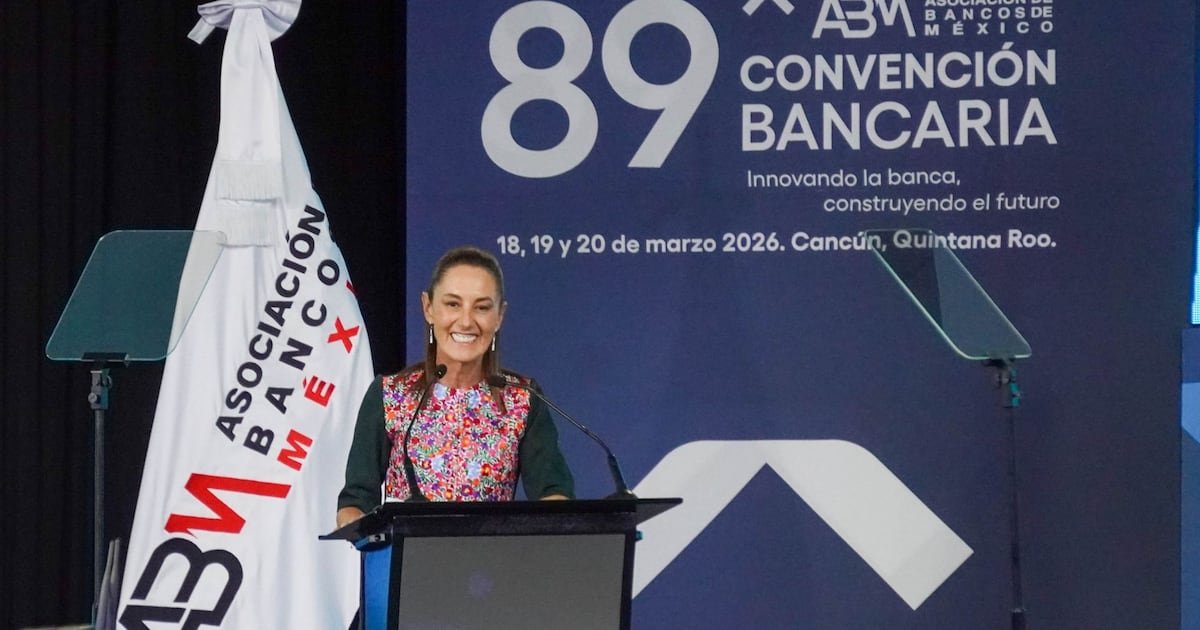
Para el desarrollo de infraestructura en México, la 89 Convención Bancaria puede convertirse en un punto de inflexión en la relación entre los sectores público y privado. Las condiciones están alineadas para detonar un nuevo ciclo de inversión en proyectos productivos.
El contexto es claro. Desde su campaña, la presidenta Claudia Sheinbaum subrayó la importancia de fortalecer carreteras, hospitales y puertos como base de un crecimiento con prosperidad compartida. A lo largo de 2025, esta visión se tradujo en instrumentos concretos: el Plan México, el Plan de Inversión en Infraestructura para el Desarrollo con Bienestar 2026–2030 y programas sectoriales en electricidad y carreteras.
En la antesala de la Convención, el Gobierno Federal envió al Congreso la Ley para el Fomento de la Inversión en Infraestructura Estratégica para el Desarrollo con Bienestar. Más allá de sus detalles, la iniciativa apunta a definir con claridad el papel del sector privado en el financiamiento de infraestructura. La inversión, en última instancia, descansa en dos principios fundamentales: reglas claras y certidumbre jurídica que proteja al inversionista ante cambios en el marco normativo.
En su intervención, la presidenta delineó con mayor claridad los ejes operativos para traducir esta visión en crecimiento con prosperidad compartida. Subrayó el desarrollo de nuevos esquemas de inversión pública y mixta, incluyendo una expansión relevante de la inversión carretera en coordinación con Banobras y la Secretaría de Infraestructura, Comunicaciones y Transportes, así como la modernización de la banca de desarrollo —particularmente de Nacional Financiera— para impulsar el crédito y la innovación. A ello se suma una apuesta por la digitalización, el fortalecimiento de cadenas productivas y la creación de incentivos a la inversión. En este contexto, destaca un anuncio con implicaciones estructurales: avanzar hacia la obligatoriedad de pagos digitales en combustibles y casetas, una medida que articula infraestructura y digitalización y que podría transformar la eficiencia operativa y la formalización económica.
En la misma línea, el Secretario de Hacienda, Edgar Amador, enfatizó que la estabilidad macroeconómica es condición habilitadora para detonar la inversión. Señaló que, hacia el periodo 2026–2030, la inversión pública y mixta podría superar los cinco billones de pesos en sectores estratégicos como energía, transporte, agua, salud y educación, con un enfoque en el papel catalítico de la inversión pública como detonador de capital privado. Solamente para 2026 la inversión adicional que se prevé es de 2% del PIB, un aumento significativo. Por su parte, la Subsecretaria Maricarmen Bonilla complementó esta visión en el panel de infraestructura al detallar elementos de la nueva Ley, particularmente el rol de su Consejo de Planeación y los mecanismos diseñados para distribuir riesgos entre el sector público y privado.
Está sobre la mesa, entonces, un programa ambicioso de inversión sexenal en infraestructura. Pero lo relevante no es solo la magnitud, sino la definición del esquema. Durante los últimos años, la ausencia de claridad sobre el papel del sector privado generó un compás de espera que retrasó proyectos clave en sectores como carreteras, agua y generación eléctrica. La Convención Bancaria sugiere un punto de inflexión: hoy coinciden voluntad política, disponibilidad de capital y un andamiaje jurídico que busca reducir la incertidumbre. De sostenerse, esta convergencia podría reactivar la ejecución de proyectos productivos a escala. Esa es, en esencia, la señal más relevante
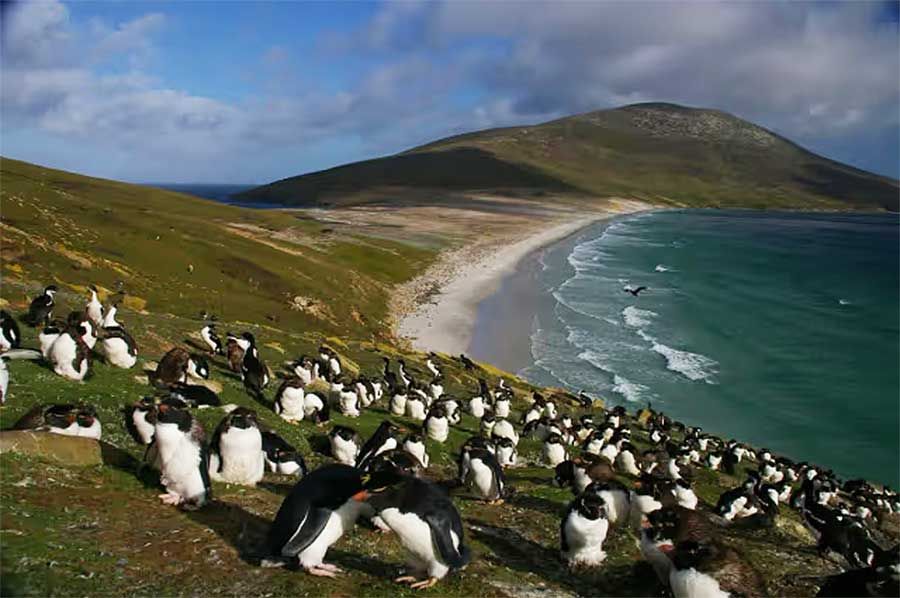
New Island is home to millions of seabirds, including the world’s largest colony of Slender-billed Prions, a species of petrel found in the Southern Oceans.
Falklands Conservation recently secured a £3m fund to help restore the natural ecosystem on New Island. The funding came through the Darwin Plus scheme, run by the UK Government to support biodiversity in British Overseas Territories. The ambitious restoration project on New Island, one of the region’s wildest western outposts is to remove invasive predators that have put the island’s native species at risk.
If successful, New Island could become a model for large-scale ecosystem recovery across the Falklands.
New Island’s nature reserve is considered one of the most spectacular in the Falkland Islands archipelago, it is home to millions of seabirds, including the world’s largest colony of Slender-billed Prions, a species of petrel found in the Southern Oceans. The island also boasts breeding populations of three species of penguin, and the Black-browed Albatross. New Island operates as a wildlife reserve and a scientific research center, and is managed by the charity Falklands Conservation.
However, the Slender-billed Prions and other New Island wildlife are under threat from four different invasive species: feral cats, black rats, mice, and rabbits. These species were introduced to the island by accident in the past 200 years, by whalers and sealers. Because this island ecosystem developed without these species, the island’s endemic wildlife is very sensitive to disturbance, besides erosion on the island is also a significant issue, in part due to climate change, but this is also exacerbated by these invasive mammals.
Thanks to a successful £3m application for Darwin Plus funding, the fortunes of these species could change and become more secure. The new funding gives the means to start an ambitious program until 2029 to conserve New Island, restoring the whole island’s ecosystem
Removing these invasive target species will also lead to a range of other benefits, including restoring the natural habitats of the island, stabilizing the soils, and storing carbon, which can help mitigate the effects of climate change, protecting the site for many years to come.
The funding for this program besides Darwin Plus, is in a partnership with the Falkland Islands Government, Falklands Conservation and the Royal Society for the Protection of Birds, RSPB. New Island was run from 1996 to 2020 by the New Island Conservation Trust and Falklands Conservation, once the Trust merged with them,
Ross James, Biosecurity, and Invasives Manager at Falklands Conservation said: “This program offers a rare opportunity to reverse long-term ecological damage on one of the Falklands’ most important wildlife islands. While the work is complex and challenging, the potential rewards in terms of biodiversity recovery and ecosystem resilience are extraordinary.
“If successful, the benefits would extend well beyond New Island itself, helping to restore the natural links between seabirds, the land and the surrounding marine environment.”
Ross added that over the last firty years a lot has been done to protect the wildlife, but having said that, for the last 200 years there has been introduced mammals, which have been having impacts through out that entire time on the ecosystem.. “It gives us a real opportunity to begin to turn the clock back and start restoring the ecosystem” We don’t expect to see recovery in just one species but in all the brids and animals that live in New Island”
Mike Jervois, Head of Environment for the Falklands Government said that “we have been involved in research permits, licensing, for various things under the conservation ordinance…, but that is the easy stuff, now starts the hard work in establishing the operation, getting all the specialists that are needed”
Ross points out that it’s not the first time that work of this magnitude has taken place, and there are plenty of example that Falklands Conservation can draw upon, “In the Falklands there have been quite a few, so there’s a lot of great experience for us to draw from, a lot of people that can help make sure we are doing this the best way possible and one of the key questions will be ensuring that the work done to restore the New Island ecosystem is not reverses in the future”
Petro has insisted that the aircraft, donated by the United States in 2020, was junk and that its age was a determining factor in the accident
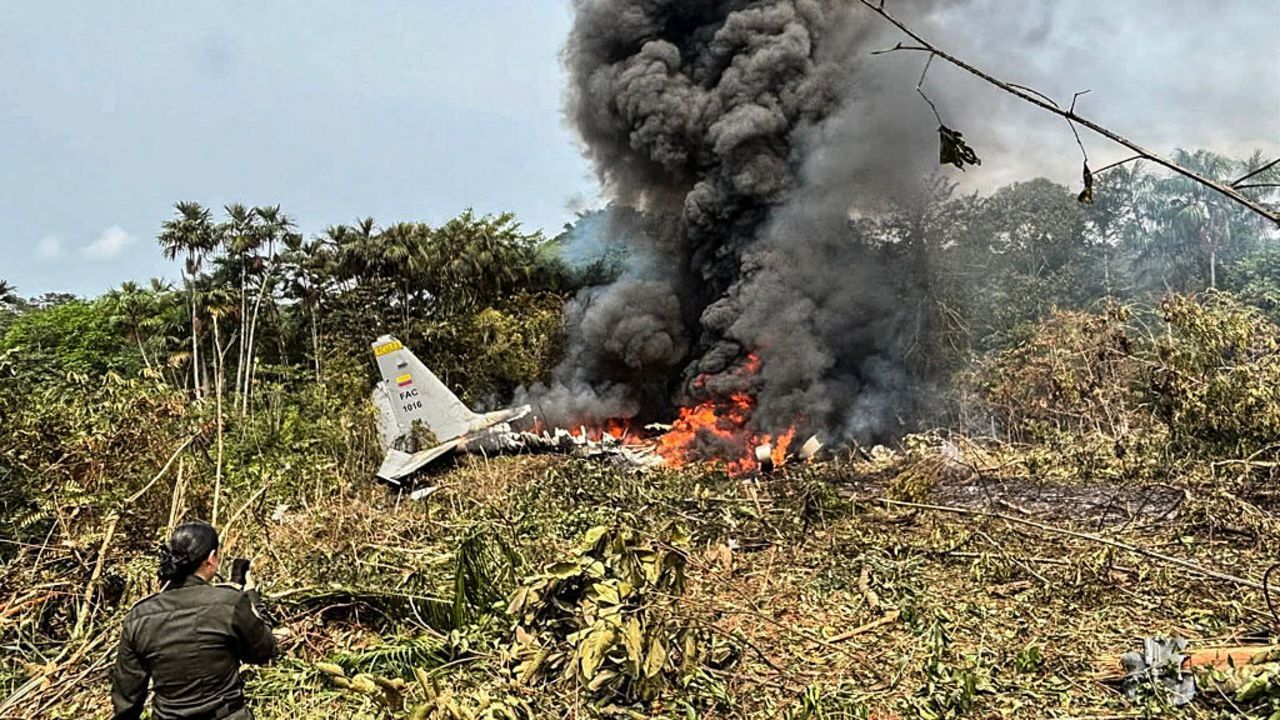
The Hercules C-130 crash in Putumayo, which killed 70 people on March 23, has escalated into an open political confrontation between President Gustavo Petro, the military leadership, and the opposition over the causes of the disaster and the state of the country’s defense capabilities, against the backdrop of presidential elections scheduled for May 31.
Petro has insisted that the aircraft, donated by the United States in 2020, was junk and that its age was a determining factor in the accident. An army cannot defend its people with junk gifts. What doesn’t serve them, they give away — and the gift ends up costing more than buying it new, the president stated, directing his criticism at former President Iván Duque, under whose administration the aircraft was acquired. After hearing the Air Force’s arguments, Petro declared on Wednesday that he disagrees with their explanations and concluded that the probability of the aircraft’s age being the cause is increasing. He also announced he would request a list of officers and officials responsible for the acquisition and maintenance of the plane.
FAC commander General Carlos Fernando Silva defended the aircraft’s condition. As he told El Tiempo, the plane was manufactured in 1983 and had over 20,000 hours of useful life remaining when acquired. It underwent a major depot-level inspection (PDM) costing $3 million and, with proper maintenance, could have operated for up to 40 more years. Silva maintained the aircraft was airworthy and the crew fully qualified.
Meanwhile, the investigation advanced with the recovery of the flight recorder on Wednesday, March 25. According to Blu Radio, early findings suggest the pilot attempted to dump fuel moments before impact. The main hypotheses center on a possible engine failure during the initial climb, potential overloading, and operational factors. The mayor of Puerto Leguízamo, Luis Emilio Bustos, noted that excess weight is a relevant line of inquiry, considering the C-130 carried over 114 passengers, two pickup trucks, and some 15,380 pounds of military ordnance.
From the opposition, Duque accused Petro of politicizing the tragedy. Stop being so despicable and making politics out of tragedies. Instead, conduct an investigation that includes the aircraft’s weight at takeoff and the runway size, he responded. Duque defended military cooperation with Washington and noted that C-130s operate in more than 50 countries. Former Defense Minister Diego Molano also rejected the junk label and stated on Blu Radio that the aircraft were delivered under international standards as part of a cooperation program with the United States.
Retired General Guillermo León, former head of the Association of Retired Military Officers, called for caution and warned that an accident of this nature rarely has a single cause. Unfortunately, given the times we’re in, a lot of noise is generated and objectivity is lost, he noted.
The clash of narratives comes just over two months before presidential elections, adding an electoral dimension to the debate over defense and military modernization in Colombia.
News Americas, NEW YORK, NY, Thurs. Mar. 26, 2026: A high-stakes extradition battle in Guyana has taken a dramatic turn, with the Caribbean Court of Justice, (CCJ) stepping in to temporarily halt proceedings involving Guyana’s new opposition leader, business man Azruddin Mohamed of the We Invest In Nationhood party and his father, Nazar Mohamed.
FLASHBACK – Guyanese businessman Azruddin Mohamed arrives at his swearing in to parliament on Nov. 3rd.
In a significant legal development, the region’s apex court on Tuesday granted a stay of the ongoing extradition process, effectively pausing efforts to surrender the two men to the United States while their latest legal challenge is reviewed.
The decision came during a virtual case management hearing, where attorneys representing both the applicants and the State appeared before the court to outline the next steps in the matter. The stay order immediately suspends proceedings before Magistrate Judy Latchman at the Georgetown Magistrate’s Court, where the extradition case had been advancing.
The ruling marks the latest escalation in a legal saga that has drawn regional and international attention, given the serious nature of the allegations and the involvement of U.S. authorities.
The Mohameds are wanted in the United States on multiple charges, including money laundering, wire fraud, tax evasion and bribery. The accusations are reportedly tied to large-scale gold exports and the alleged evasion of significant revenues.
Guyana authorities acted on the U.S. request in October 2025, arresting the businessmen and initiating extradition proceedings shortly thereafter.
Since then, the case has moved through several levels of the local judicial system, with the Mohameds mounting repeated legal challenges in an effort to block their extradition.
However, both the High Court and the Court of Appeal rejected those challenges, clearing the way for the matter to proceed. In a particularly strong ruling, the Court of Appeal described the case as having “absolutely no merit,” reinforcing the State’s position.
Attorney General Anil Nandlall had signalled just one day earlier that the government was fully prepared to defend those rulings at the CCJ, emphasizing that applicants seeking special leave must meet strict legal thresholds, including demonstrating a reasonable prospect of success.
Despite those hurdles, the Mohameds moved directly to the CCJ, filing for special leave to appeal and naming several State officials as respondents, including Minister of Home Affairs Oneidge Walrond, the Attorney General, and Magistrate Latchman.
Senior Counsel Fyard Hosein and Roysdale Forde are representing the applicants, while Senior Counsel Douglas Mendes is among the attorneys appearing for the State.
The CCJ’s decision to grant a stay does not determine the outcome of the case but signals that the court is prepared to examine the legal arguments before allowing extradition to proceed.
The appeal is expected to be heard next month.
The case has broader implications beyond the courtroom, raising questions about the balance between domestic judicial authority, regional legal oversight, and international cooperation in criminal matters.
For now, the extradition process remains on hold – but the legal and political stakes continue to rise.
Help Sustain Independent Caribbean Diaspora Media – Support NewsAmericas
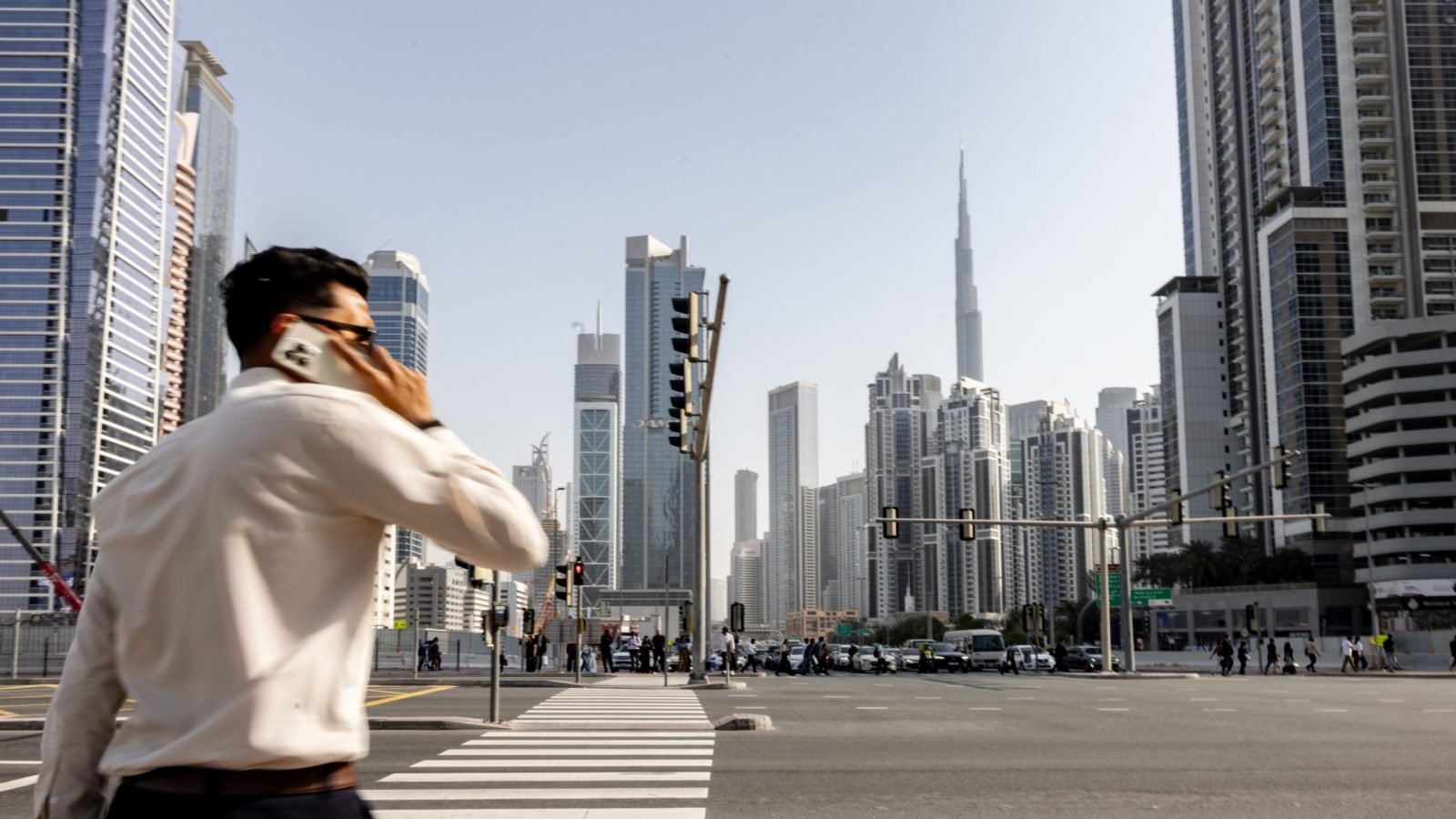
Attacks from Iran have slowed business activity in Dubai, but the expat tech community in the city remains resilient.
Over the past month, the United Arab Emirates has been the target of Iran’s attacks, primarily due to its strategic alliance with the U.S. Several high-profile sites in the UAE’s business hub, Dubai, including its airport — the busiest in the world for international passenger traffic — have faced damage due to falling debris from intercepted missiles and drones.
These attacks could have put Dubai’s reputation as a stable city in a volatile region at risk and spooked its massive expat community. But that doesn’t seem to be the case. Eight expat tech entrepreneurs, investors, and professionals who spoke to Rest of World said they are staying put — and in some cases, even returning.
The UAE Central Bank’s 1 trillion dirham ($270 billion) “resilience package” announced on March 18 to ensure liquidity and capital buffers in the economy has also enthused the expat community.
“The attacks have created noise, some flight disruptions, but not structural damage to the ecosystem,” Mohammed Soliman, a senior fellow at the nonprofit think tank Middle East Institute, told Rest of World. Soliman is based in Washington, D.C., and is the author of West Asia: A New American Grand Strategy in the Middle East. “The founders who chose Dubai over London or Singapore already made a calculation about operating in a volatile neighborhood. What we’re seeing now is that calculation being tested,” he said.
The view across the board is optimistic based on this region’s history. Once this conflict resolves, confidence should return quickly.”Daniyal Baig, co-founder of AI-driven conversational commerce platform MyAlice
In a region with a history of frequent conflicts, for some entrepreneurs, Dubai is a safer place than their home countries, despite the missiles and drones.
“I have lived most of my life in a war zone. Dubai was and still is the safest place I have ever lived in,” Mirna Mneimne, co-founder of AI-powered well-being platform Elggo, told Rest of World. Mneimne is a Lebanese founder who divides her time between Beirut and Dubai.
The Gulf has long been one of the world’s most geopolitically volatile regions, shaped by decades of conflict, including the Iran-Iraq War, the Gulf War, and recurring tensions involving Iran and the U.S. Lebanon has faced years of political instability, economic collapse, and periodic cross-border conflict.
Mneimne was in Lebanon when the war started and has plans to return to Dubai on March 31. “My life is set up there right now. It’s my home. I also have full confidence in the leadership of Dubai and its ability to keep us safe,” she said.
Over the past decade, Dubai has attracted a wave of global tech talent, drawn by zero income tax, long-term residency visas, and business-friendly regulations. By 2025, Dubai is estimated to have issued over 300,000 Golden Visas — a residency program for investors, entrepreneurs, specialized workers, and outstanding students. Expats constitute nearly 90% of Dubai’s population.
As of March 22, the UAE air defenses had intercepted more than 1,700 drones and 360 missiles launched from Iran following U.S. and Israeli strikes on the country. The attacks have killed at least seven in the UAE — including nationals from Pakistan, Nepal, Bangladesh, and Palestine — and injured 145.
The UAE has arrested 109 individuals of different nationalities for filming and sharing videos and photos of Iranian missiles and drone attacks “in a widening crackdown on threats to the Gulf state’s image of safety and stability,” Time reported.
“While the sound of intercepted drones or missiles can be unsettling, daily life in Dubai has largely continued normally, with most public services, attractions, and transportation operating as usual,” Salman Waris, founding partner at tech law firm TechLegis, who divides his time between Dubai and Delhi, told Rest of World. “The UAE is not an active participant in the conflict, which further reduces direct risk.”
When the world feels volatile, global talent and capital gravitate here because they know the best companies aren’t built when the sun is shining.”Wes Schwalje, co-founder of Tahseen Consulting
The attacks from Iran have paused some investment conversations in the region, but investors are bullish about the UAE in the long term, Daniyal Baig, co-founder of AI-driven conversational commerce platform MyAlice, told Rest of World. Baig is a long-term Dubai resident of Pakistani origin.
“Some conversations have slowed or paused as people wait for clarity,” Baig said. “That said, the view across the board is optimistic based on this region’s history. Once this conflict resolves, confidence should return quickly.”
Sahil Makker, managing partner at capital advisory firm Brillwood Capital, said his team has been working with their clients to assess their business strategies and gauge their interest in the region following recent developments.
Investors believe the conflict “will clear more room and options for them and more opportunities for them,” Makker, who has been a resident of Dubai for 12 years, told Rest of World. “Even during Covid, the Dubai Economic Department gave a lot of boost to business by introducing friendly pricing and policies. They are already seeing some friendlier terms from business support providers.”
The UAE’s “resilience package” announced this month mirrors the measures the country implemented during the 2008 financial crisis and the 2020 Covid pandemic. The package allows banks to access 30% of their reserve balances and temporarily eases liquidity and funding requirements, allowing flexibility on what constitutes a problem loan while maintaining credit flow.
Four expat entrepreneurs told Rest of World their main priority was the safety of their teams, and that they have allowed flexible work-from-home schedules to ensure this.
Some are also taking steps to help their businesses remain insulated from the crisis, and exploring ways their offerings can align with the needs of the hour.
“We are being extra-vigilant in our underwriting criteria, given we work with lenders and want to limit the risk of non-performing loans in this environment,” Omair Ansari, CEO & co-founder of neobank Abhi, told Rest of World. “However, at the same time, one should never waste a crisis. Thus, we are looking at how we can help our customers and the government to soften the economic impact of this.” Ansari is a Dubai-based entrepreneur of Pakistani origin.
Wes Schwalje, co-founder of Tahseen Consulting, a public-sector strategy and government relations firm that helps startups scale in the region, is in the process of launching a new tech venture, “specifically because history shows that the UAE doesn’t just survive regional disruption, it wins,” he told Rest of World.
“When the world feels volatile, global talent and capital gravitate here because they know the best companies aren’t built when the sun is shining. They are built by founders and business owners comfortable in the trenches,” said Schwalje, who is originally from the U.S. and has been living in Dubai since 2007. He believes the UAE will see several high-potential startups being founded during this time of uncertainty.
Dubai’s tech ecosystem appears to be making a familiar calculation: that the benefits of staying outweigh the risks, Soliman of the Middle East Institute said.
“The UAE has spent 15 years building institutions specifically designed to decouple the business environment from regional turbulence,” he said. “The variable I’d watch is not the war itself but how long it runs.”
O Ministério da Saúde (MS), em parceria com o Conselho Nacional de Desenvolvimento Científico e Tecnológico (CNPq), informa que permanece aberto, até 31 de março de 2026, o prazo para submissão de propostas da Chamada Pública CNPq/MS nº 33/2025, voltada ao financiamento de projetos de pesquisa, extensão e formação em epidemiologia e Vigilância em Saúde.
A iniciativa tem como objetivo selecionar instituições públicas ou privadas sem fins lucrativos interessadas em receber aporte financeiro para desenvolver e implementar cursos de formação em epidemiologia, no âmbito do Curso Básico de Epidemiologia em Vigilância em Saúde (VigiEPI). Diferentemente de um processo de inscrição em cursos, a chamada é voltada exclusivamente às instituições que desejam apresentar projetos para execução das formações.
A ação integra a estratégia de fortalecimento da Vigilância em Saúde no Sistema Único de Saúde (SUS) e prevê, posteriormente, a oferta de cerca de 12 mil vagas para trabalhadores e trabalhadoras em todo o país, após a seleção e contratação das propostas.
Ao todo, serão investidos R$ 11,7 milhões em projetos que contemplem quatro eixos obrigatórios: análise situacional dos serviços de vigilância em saúde e da formação em epidemiologia nos territórios; implementação da estratégia formativa baseada no VigiEPI; avaliação da formação; e tradução e disseminação do conhecimento na área.
A iniciativa atualiza o Curso Básico de Vigilância Epidemiológica (CBVE), lançado em 1983, e busca incorporar novas abordagens e desafios contemporâneos da saúde pública, ampliando a capacidade do SUS de responder de forma qualificada às demandas dos territórios.
Como parte da estratégia, o material didático do VigiEPI foi desenvolvido em parceria com a Universidade de Brasília (UnB), com validação de especialistas e profissionais da Vigilância em Saúde. O conteúdo está organizado em três cadernos e será utilizado pelas instituições selecionadas na execução dos cursos.
Para a secretária de Vigilância em Saúde e Ambiente, Mariângela Simão, a iniciativa representa um passo importante para o fortalecimento da saúde pública no país. “Ao investir na estruturação de cursos e na qualificação institucional, ampliamos a capacidade do SUS de formar profissionais preparados para analisar dados, antecipar riscos e responder com mais agilidade e efetividade aos desafios em saúde pública”, afirmou.
Com o VigiEPI, o Ministério da Saúde reforça o compromisso com o fortalecimento da Política Nacional de Vigilância em Saúde (PNVS), promovendo a integração entre ensino, serviço e pesquisa e contribuindo para uma atuação mais estratégica e baseada em evidências no SUS.
¿Sientes que el gasto cotidiano se eleva y que las decisiones de inversión se vuelven más difíciles de sostener? Tu preocupación tiene fundamento; en pocas semanas del año se han acumulado factores que, al coincidir, empiezan a complicar la economía de las familias.
Desde el inicio de 2026 ya se anticipaba un panorama complejo, marcado por la postura de Donald Trump en materia comercial. A esto se suma la escalada en Medio Oriente, que ha tensado las variables globales.
El resultado es una combinación poco frecuente de presiones simultáneas. La inflación alcanzó un 4.63% en marzo y rebasó el rango objetivo del Banco de México. El petróleo Brent supera los 100 dólares por barril tras la tensión en el Estrecho de Ormuz, y ese incremento recorre la cadena productiva hasta reflejarse en el precio final de muchos bienes.
Como consecuencia, la esperada reducción en las tasas de interés de referencia se pausó en 7%, lo que prolonga el costo del crédito. El peso mexicano llegó a rondar niveles cercanos a 18 por dólar, encareciendo las importaciones. Las remesas, que durante años sostuvieron el ingreso de millones de hogares, registran una caída que introduce una señal adicional de cautela.
En el ámbito financiero, el entorno tampoco ofrece refugios claros. La inflación erosiona la ganancia real de instrumentos de renta fija y la volatilidad se extiende al mercado accionario, a los activos de resguardo como el oro y la plata, además de instrumentos más especulativos.
La revisión del T-MEC incorpora otro elemento de atención. Se trata de una pieza clave para la estabilidad comercial del país y su posible redefinición influye en la lectura que inversionistas.
La expectativa de crecimiento económico se confirma a la baja conforme la incertidumbre se prolonga. Esto modifica la dinámica de generación de oportunidades. Algunos proyectos se posponen, las decisiones se toman con mayor cautela y el ritmo en la creación de negocios pierde fuerza.
En este contexto, la planeación financiera personal adquiere una relevancia especial. Deja de ser un ejercicio de proyección lineal, para convertirse en interpretación continua del entorno. Cada decisión, sobre todo las importantes, deben analizarse en función de diferentes escenarios.
¿Ya revisaste tu presupuesto? Cuéntame en LinkedIn, Instagram o X, y sígueme en el podcast Dinero y Felicidad.