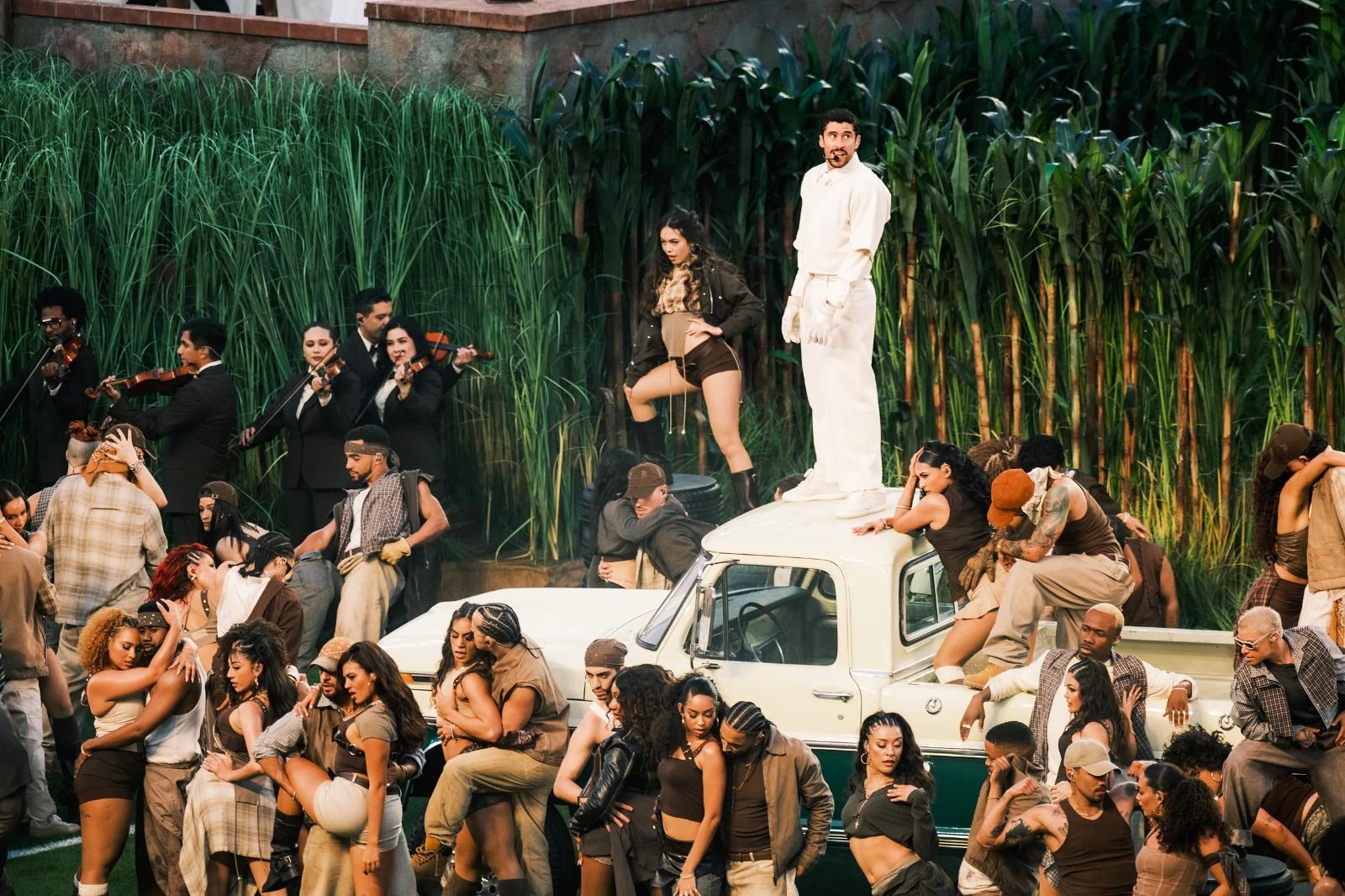
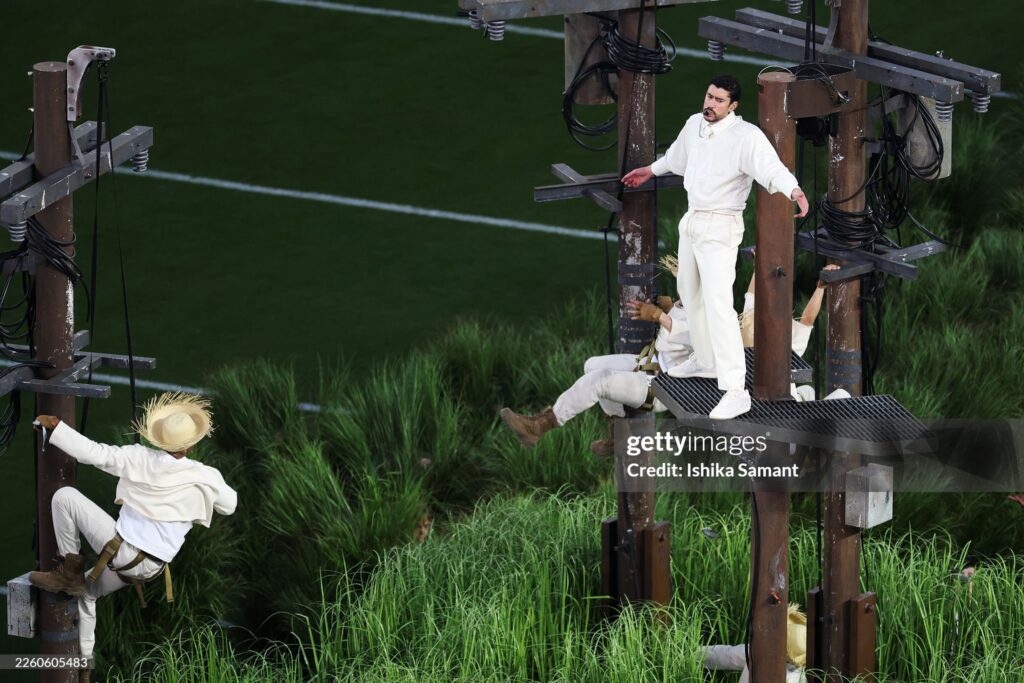
The set leaned into Puerto Rican imagery—palm trees, sugarcane, and Old San Juan rooftops—while a dance troupe waved flags from across the Americas
Bad Bunny turned the Super Bowl LX halftime show into a hemispheric cultural statement: Puerto Rico at the center, Spanish as the primary language, and an idea of “America” that stretches beyond the United States.
The set leaned into Puerto Rican imagery—palm trees, sugarcane, and Old San Juan rooftops—while a dance troupe waved flags from across the Americas. The performance fused chart-era reggaetón with broader Caribbean cues, framing Spanish not as an accessory but as the show’s default register on one of the NFL’s biggest global stages.
Bad Bunny naming dozens of countries in the Americas and then holding up a football that reads together we are America….such an iconic Super Bowl performance wow pic.twitter.com/zU3R8WBkNL
Lady Gaga and Ricky Martin joined as high-profile guests, cast as both spectacle and lineage—linking earlier waves of Puerto Rican crossover success to Bad Bunny’s current dominance. The Hollywood Reporter emphasized the show’s overt celebration of Puerto Rican culture and noted President Donald Trump’s rapid online reaction, calling it “absolutely terrible” and “disgusting.”
The performance also arrived after months of debate over his selection as headliner. Billboard previously reported that Bad Bunny addressed backlash in a televised monologue, using humor to deflate criticism around language and identity.
For a league that typically keeps politics at arm’s length, the halftime show’s symbols—flags, language, and Puerto Rican iconography—read as a form of messaging without slogans: a reminder that U.S. popular culture is increasingly shaped by audiences and artists whose “America” is multilingual and continental.
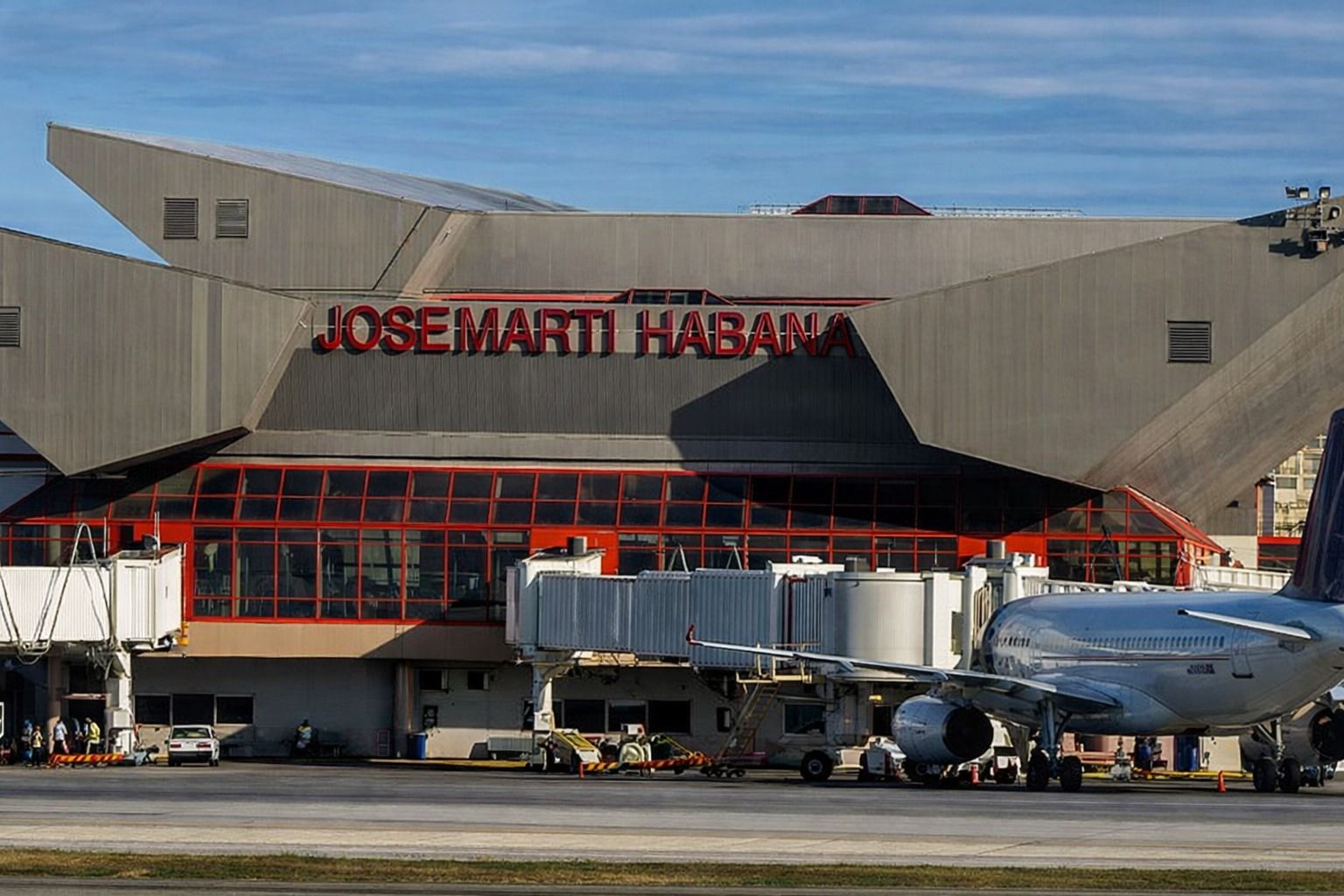
The jet-fuel warning follows other emergency steps in the tourism sector
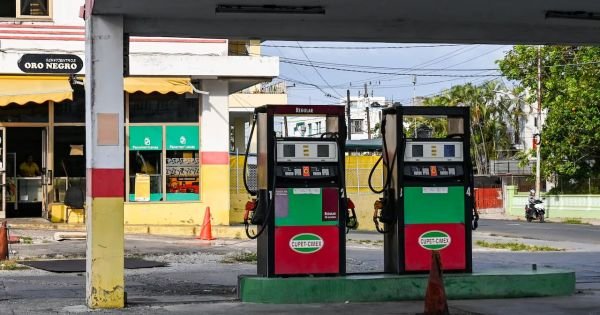
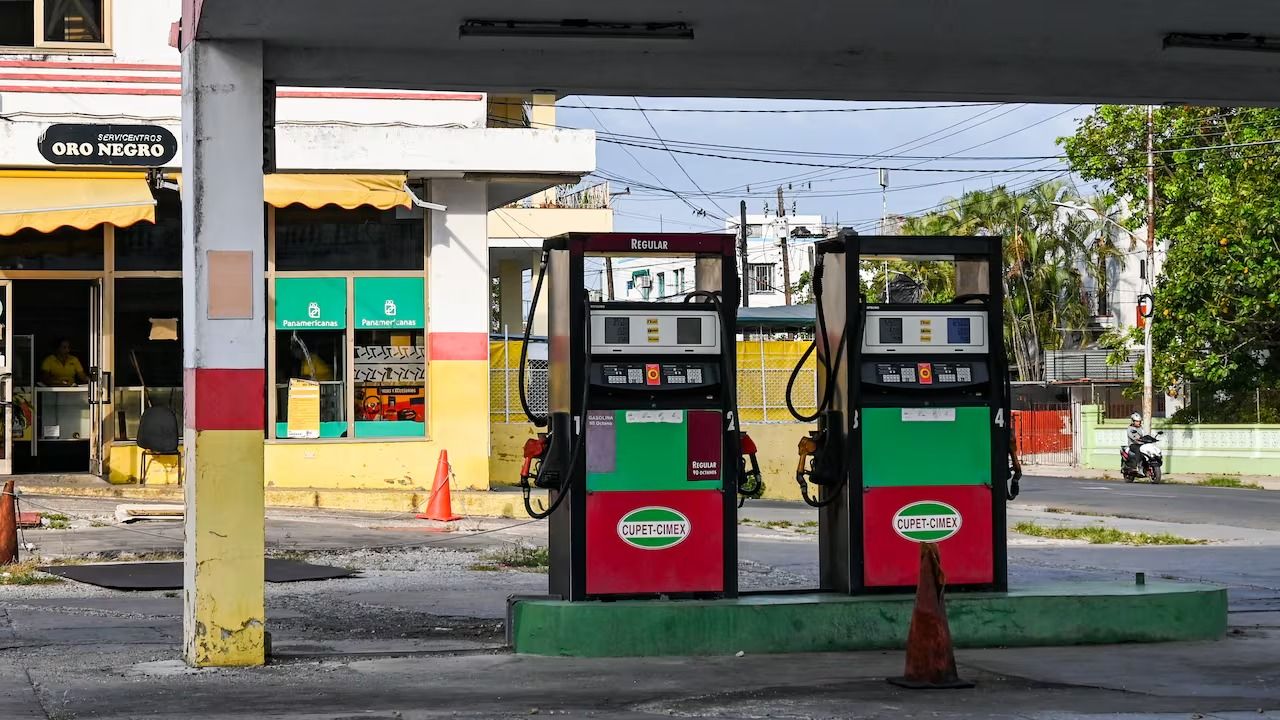
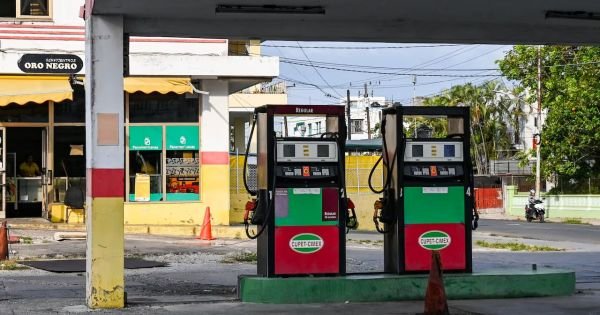
Cuba has warned international airlines that it will run out of aviation fuel starting Monday, widening an energy emergency that has already disrupted transport, public services and economic activity — and now threatens to further squeeze tourism, one of the island’s main sources of hard currency.
EFE, citing official sources, reported that airlines most likely to be affected include U.S., Spanish, Panamanian and Mexican carriers, though companies have not yet publicly detailed how they will handle potential disruptions, such as schedule reductions or cancellations.
The jet-fuel warning follows other emergency steps in the tourism sector. Authorities have moved to close some hotels and relocate tourists as part of an effort to consolidate operations and cut energy use during the peak season. Industry watchers say the aviation-fuel constraint could quickly translate into fewer seats, higher operational uncertainty and a sharper fall in arrivals.
The fuel crunch is unfolding amid heightened U.S. pressure on Cuba’s energy lifelines. A Reuters report described Cuba’s rollout of a contingency plan featuring fuel rationing, expanded remote work and reductions in services, while Havana blames the deterioration on external restrictions affecting oil and refined-product supplies. Cuban officials have repeatedly framed the shortages — including diesel and other fuels — as the consequence of a tightening U.S. “siege.”
Tourism, which provides critical foreign-exchange inflows, is particularly exposed to a sudden disruption in air connectivity. In recent years, official statistics have shown arrivals running below government targets and a weak recovery compared with pre-pandemic levels, compounding pressures on public finances and imports.
Beyond tourism, the fuel scarcity has fed longer blackouts and forced cuts across transport networks and state-run services. With jet fuel now in short supply, the crisis is poised to hit the country’s main gateway for visitors: international flights.
Flávio Bolsonaro’s move comes as President Luiz Inácio Lula da Silva continues to lead early polling and works to hold together a governing coalition
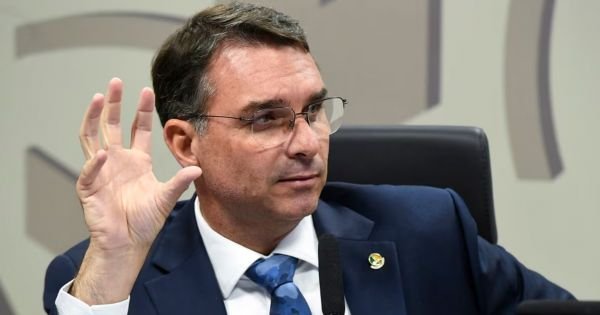
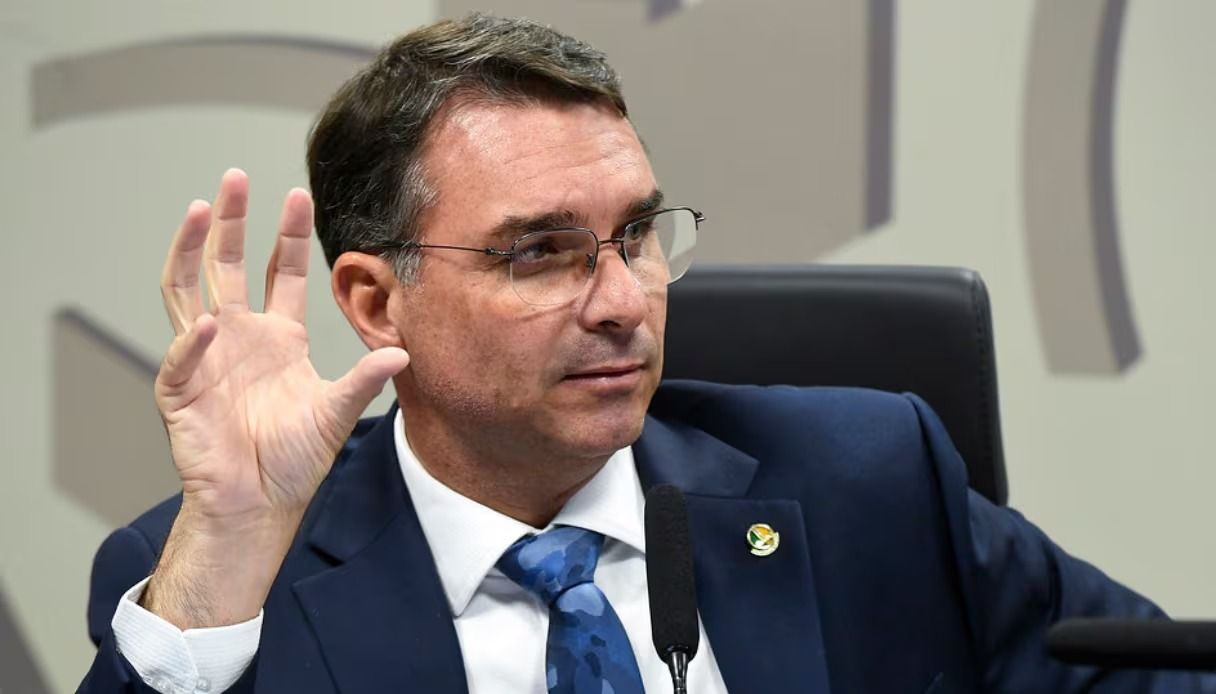
Brazilian Senator Flávio Bolsonaro, the eldest son of former President Jair Bolsonaro, has used an international tour in the Middle East to publicly cast himself as a contender for Brazil’s 2026 presidency, seeking visibility among transnational conservative networks as Brazil’s right tries to settle on a standard-bearer.
In Jerusalem, Bolsonaro delivered a direct opening line in English: “I speak here today not only as a senator but as a candidate for the presidency of Brazil,” he said.
The trip included events and meetings in Israel, followed by stops in Bahrain and the United Arab Emirates. Local reporting framed the itinerary as part of a broader effort to strengthen Bolsonaro’s international credentials and rally support among ideological allies abroad.
At home, signs of reshuffling on the right have grown more pronounced. In São Paulo — Brazil’s largest electoral prize — influential figures have described as “a closed chapter” the possibility that Governor Tarcísio de Freitas will run for president, a message that effectively clears space for the Bolsonaro brand to remain central to the opposition’s strategy.
Flávio Bolsonaro’s move comes as President Luiz Inácio Lula da Silva continues to lead early polling and works to hold together a governing coalition, with public security, the economy and entrenched political polarization still dominating the national agenda. Commentators cited in Brazilian outlets note that, with formal nominations still months away, the right faces a two-track challenge: consolidating the core Bolsonaro base while reaching more moderate voters without blunting its message.
Bolsonaro has portrayed his overseas appearances as part of a plan to “rebuild” alliances and reaffirm political affinities. Critics, however, argue he is turning foreign policy into campaign theatre and exporting Brazil’s domestic confrontation. For now, the race remains in its early phase — but the battle lines are beginning to form both in Brasília and beyond Brazil’s borders.
News Americas, SANTA CLARA, CA, Sun. Feb. 8, 2026: In the highly anticipated Apple Music Super Bowl LX Halftime Show at Levi’s Stadium, Puerto Rico-born, Grammy-winning superstar, Bad Bunny delivered more than a performance during his historic appearance – he delivered a powerful statement of Puerto Rican culture and unity across the Caribbean and the Americas.
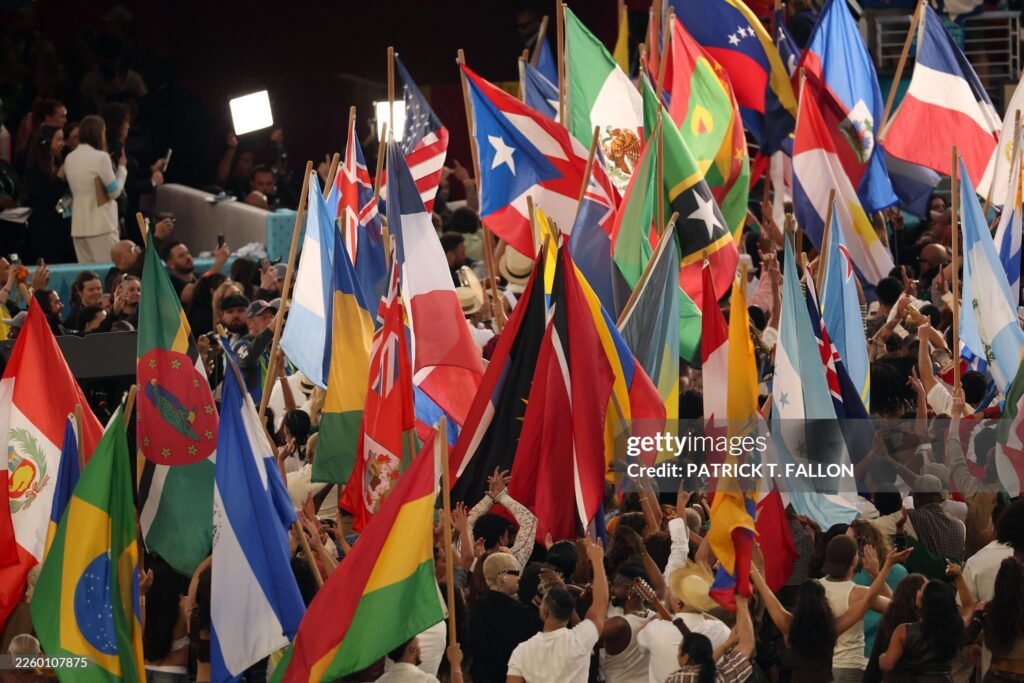
Performers wave the flags of sovereign countries in the Caribbean and the Americas at the conclusion of Puerto Rican singer Bad Bunny performance during Super Bowl LX Patriots vs Seahawks Apple Music Halftime Show at Levi’s Stadium in Santa Clara, California on February 8, 2026. (Photo by Patrick T. Fallon / AFP via Getty Images)
While the Puerto Rican icon proudly centered his homeland’s culture throughout the electrifying set, the closing moments of the show widened the spotlight. As the music swelled and the stage transformed, several Caribbean flags were waved as he closed the performance with his dancers, including the flags of Guyana, Grenada, St. Kitts and Nevis, Antigua and Barbuda, – a visual salute that resonated deeply across the region and the global diaspora.
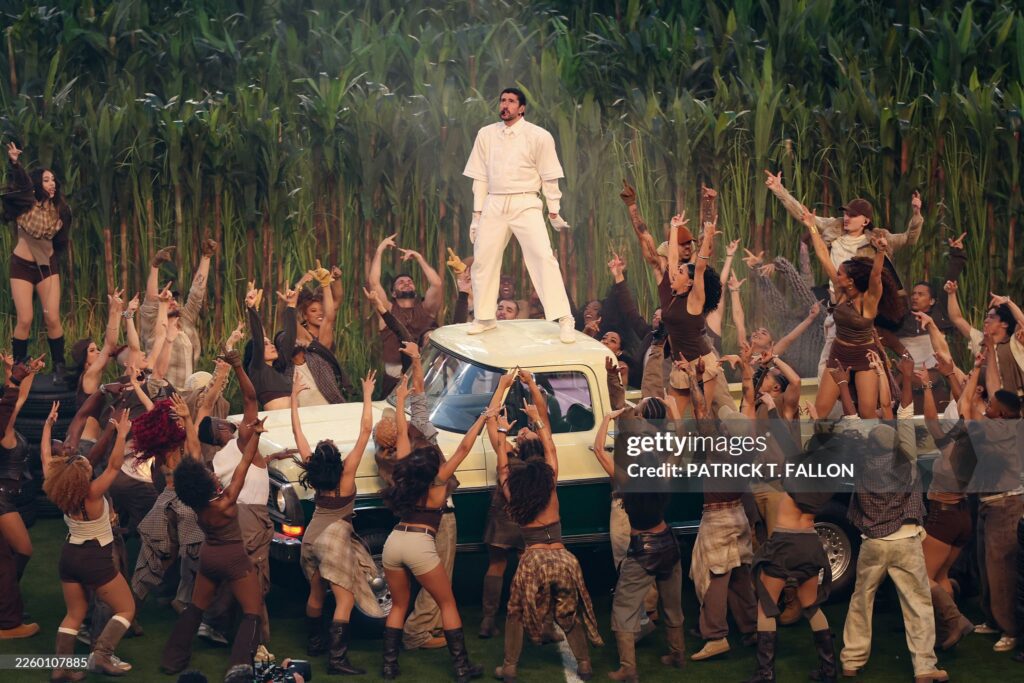
Puerto Rican singer Bad Bunny performs during Super Bowl LX Patriots vs Seahawks Apple Music Halftime Show at Levi’s Stadium in Santa Clara, California on February 8, 2026. (Photo by Patrick T. Fallon / AFP via Getty Images)
The gesture was unmistakable: this was not only a Puerto Rican moment, but a pan-Caribbean and Americas celebration on the world’s largest entertainment stage.
Fans across the Caribbean and in diaspora communities erupted online, praising the artist for recognizing islands that are rarely acknowledged at global mega-events. Social media quickly filled with clips and screenshots of the flags, with viewers calling the finale “historic,” “intentional,” and “long overdue.”
Bad Bunny performs during the Apple Music Super Bowl LX Halftime Show at Levi’s Stadium on February 08, 2026 in Santa Clara, California. (Photo by Ishika Samant/Getty Images)
Bad Bunny, whose artistry has consistently challenged borders of language, culture, and geography, has long emphasized his cultural identity as central — not peripheral — to global culture. Ending the halftime show with a tapestry of Caribbean flags underscored that message: the region is not invisible, and its people are part of the global story.
In a broadcast watched by hundreds of millions worldwide, the moment stood as a rare and affirming image for Puerto Rico and Caribbean culture and history, reminding viewers that the Caribbean’s influence extends far beyond its shores.
As the final notes faded and the flags waved, one message was clear: Puerto Rico, the Caribbean and the Americas showed up — and the world saw it.
OTHER PERFORMERS
Lady Gaga and Ricky Martin also performed with Bady Bunny, whose lively appearance followed an explosive musical mélange – reggaeton, bomba, hip-hop, and pop. The singer powered through a vibrant set anchored by “Tití Me Preguntó,” moving across a colorful backdrop of bamboo stalls, taco stands, and glittering jewelry displays that evoked street life across Puerto Rico, the Caribbean and Latin America.
The party intensified with “Yo Perreo Solo” and a provocative verse from “Safaera.” Dressed in a cream suit, Bad Bunny climbed atop a pink, shuttered house, dancing before crashing through the roof, kicking open the door, and rejoining his dancers in a high-energy tribute to his mentor Daddy Yankee with a rousing performance of “Gasolina.”
The halftime spectacle pulsed with cultural references and constant motion – from choreographed chaos to intimate moments – including a spontaneous, crowd-pleasing gesture when Bad Bunny handed one of his newly won Grammy awards to a young boy on the field.
As the show reached its finale with “Debí Tirar Más Fotos,” Bad Bunny shouted, “God bless America!” while a wave of flags from around the world streamed behind him, transforming the field into a moving mosaic of global and Caribbean identity.
The move is designed to reduce long-standing legal “grey areas” around the so-called “Mile 201” boundary
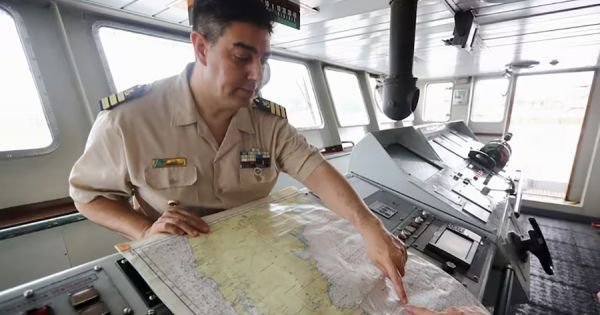
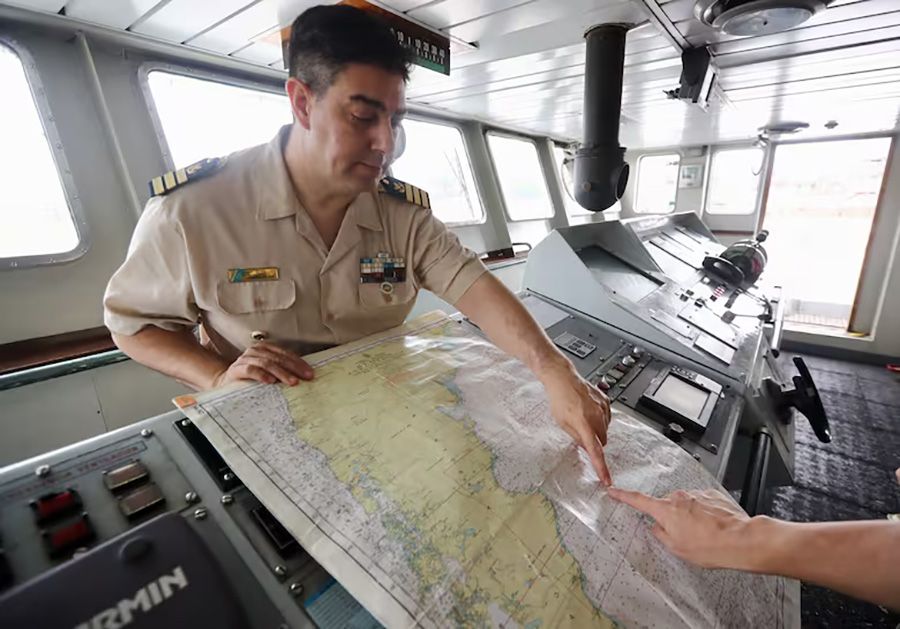
Argentina has tightened its enforcement framework against foreign vessels suspected of illegal fishing inside its Exclusive Economic Zone (EEZ), giving greater evidentiary weight to satellite records and other remote sensors to open proceedings and impose fines, under a new regulation published in the Official Gazette.
The move is designed to reduce long-standing legal “grey areas” around the so-called “Mile 201” boundary, where large foreign fleets—often squid jiggers—congregate seasonally. Argentine authorities and industry observers say some vessels cross into the EEZ and later claim “innocent passage,” weather shelter, or technical problems to dispute enforcement actions.
The new rules set presumptions based on navigation patterns consistent with fishing activity—such as sustained low speeds and course changes typical of trawling manoeuvres. For squid jiggers, the regulation introduces tailored indicators linked to very slow movement during operating windows. It also provides for due process, allowing captains to submit counter-evidence and technical documentation (including weather reports or breakdown logs) to justify their track and speed profiles.
The tougher stance follows recent monitoring episodes by Argentina’s coast guard authority, including reports of a foreign-flagged vessel detected inside the EEZ with movements assessed as consistent with unauthorized fishing. The shift signals an intention to move from surveillance to penalties that can be sustained even when the core proof is remote—satellite and electronic tracking rather than on-scene interception.
Transportación Habana TH said a “fuel deficit” is temporarily affecting the entire urban fleet and that there will be no service “until further notice” on any route
Cuba’s fuel shortage is rippling through daily life, with Havana’s urban bus network largely shut down, hospitals preparing to scale back non-urgent services, and longer planned blackouts announced in some areas—while social-media reports pointed to pots-and-pans protests in parts of the capital.
On its official Facebook page, Transportación Habana TH said a “fuel deficit” is temporarily affecting the entire urban fleet and that there will be no service “until further notice” on any route. Independent outlets also reported spillover into interprovincial travel, including cancellations and reduced frequencies in eastern provinces as authorities ration limited supplies.
The health system is also feeling the strain. CubaNet quoted sources at Havana’s flagship Hermanos Ameijeiras hospital as saying resources are “almost at zero,” prompting plans to cut consultations and prioritize life-threatening emergencies. A doctor compared the uncertainty to the COVID-19 period—except now, the duration of restrictions is unknown, raising concerns for patients awaiting necessary but non-emergency procedures.
On the power front, the electric utility on the Isle of Youth announced revised outage cycles tied to diesel availability, extending cuts across circuits on a rotating basis. In Havana, videos and posts circulated late Thursday and Friday alleging cacerolazos (pots-and-pans protests) in Fraternidad, a neighborhood in Arroyo Naranjo, reflecting rising social tension as transport collapses and blackouts stretch on.
The worsening crunch comes as Washington intensifies pressure around energy flows to the island. U.S. President Donald Trump said his administration is speaking with Cuba’s “highest levels” and suggested a deal is possible, amid strained bilateral ties and broader economic pressure measures.
Cuban authorities have acknowledged the seriousness of the energy situation and announced emergency steps, but have not provided a clear timeline for restoring normal transport operations or stabilizing electricity supply.
In 2025, Trump said the United States would impose a 25% tariff on imports from any country purchasing Venezuelan oil or gas
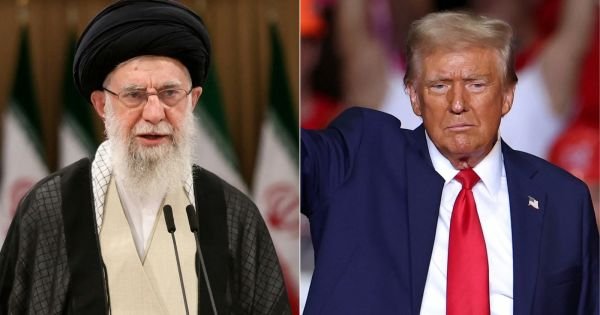
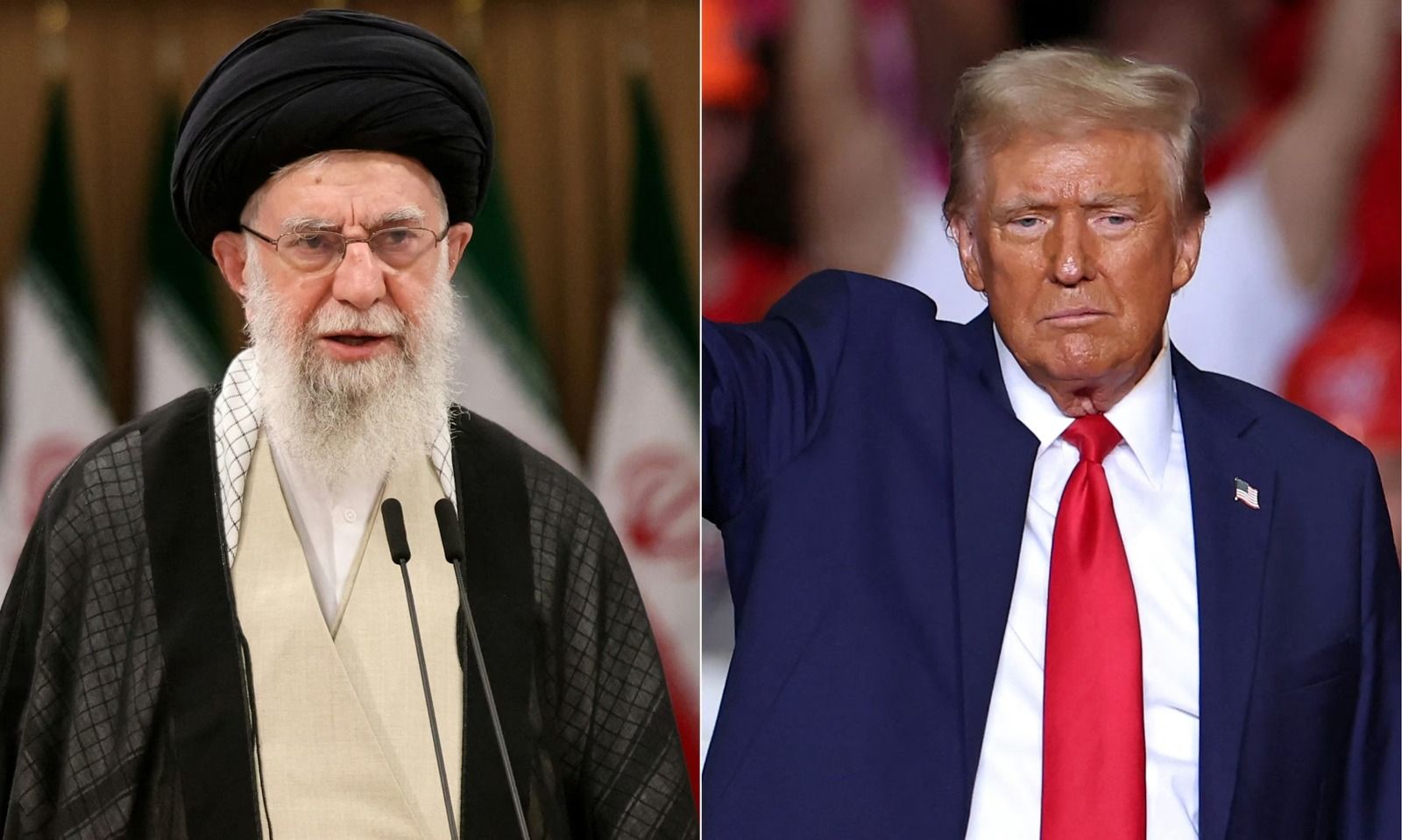
U.S. President Donald Trump signed an executive order authorizing an additional 25% tariff on imports from countries that buy Iranian goods or services, expanding Washington’s economic pressure campaign beyond direct sanctions on Tehran.
The White House framed the move under the national emergency related to Iran—first declared in 1995 and broadened multiple times—arguing that Tehran’s conduct continues to pose a national security risk requiring “additional measures,” according to the order’s language.
Under the mechanism, the Commerce Department is tasked with identifying countries engaged in relevant transactions with Iran, while the State Department—consulting other officials—would determine how the tariff is applied, including its scope. The order also allows for revisions if targeted countries retaliate or if Iran or affected states take steps the administration deems consistent with U.S. policy.
The directive does not automatically specify which products, sectors, or timelines would trigger the additional duties, but the intent is to raise the cost for third countries of maintaining commercial ties with Iran by tying those relationships to access to the U.S. market.
The approach echoes an earlier “secondary tariff” model Trump has used to advance foreign-policy goals through trade. In 2025, he said the United States would impose a 25% tariff on imports from any country purchasing Venezuelan oil or gas.
Earlier this week, Trump signed an executive order that may impose a 25% tariff on countries doing business with Iran, as part of a broader pressure posture.
“Reconciliation cannot be claimed when the freedom of those persecuted depends on the same institutions that ordered, carried out, or validated their imprisonment,” the coalition said
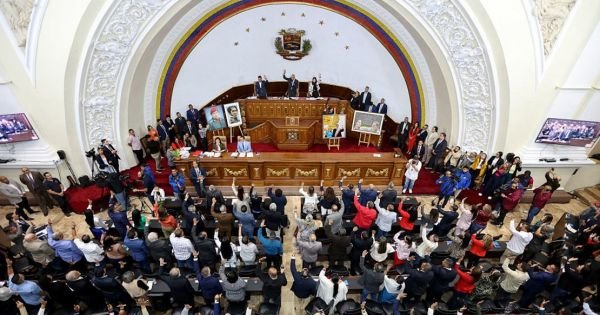
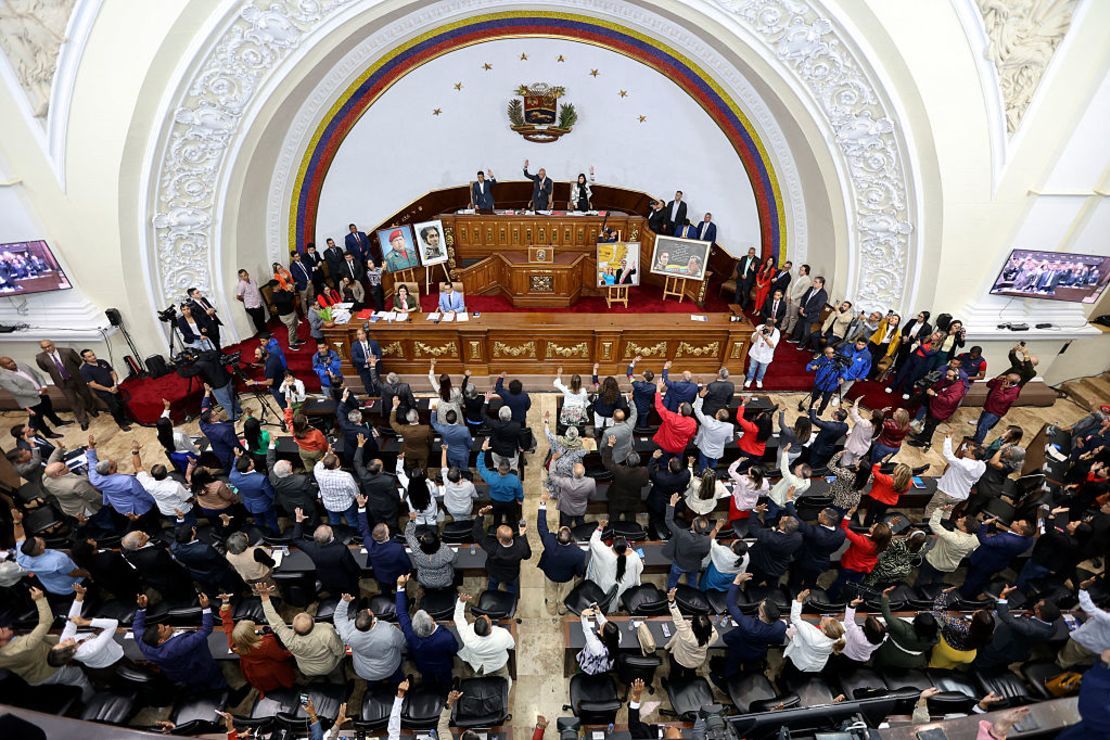
Venezuela’s main opposition coalition, the Democratic Unitary Platform (PUD), on Friday challenged what it called “serious omissions” in a proposed amnesty law promoted by acting President Delcy Rodríguez and approved in a first debate by the chavista-controlled National Assembly.
In a statement, the PUD argued the draft excludes “broad groups” of political prisoners—both civilians and military personnel—and omits time periods the coalition considers historically significant. The opposition also said the bill does not repeal legislation such as the “Law Against Hate” or the “Simón Bolívar Law,” which it views as part of Venezuela’s legal toolkit for political repression. The coalition further complained the text offers no guarantees for the “safe return” of exiles and does not lift political bans that have barred opposition figures from holding office.
The PUD also questioned how the amnesty would be implemented. “Reconciliation cannot be claimed when the freedom of those persecuted depends on the same institutions that ordered, carried out, or validated their imprisonment,” the coalition said, arguing that the Attorney General’s Office and the current justice system have been central to political persecution.
The dispute unfolds amid a broader, opaque release process that began in early January, after U.S. forces captured Nicolás Maduro on January 3—an event that shifted the political landscape but did not immediately dismantle chavismo’s institutional architecture. When Rodríguez announced a “general amnesty,” she framed it as a step toward “coexistence,” while signaling exclusions for serious common crimes; she also said the Helicoide—widely seen as a symbol of repression—would be turned into a community social and sports services center.
National Assembly Speaker Jorge Rodríguez later told relatives of detainees the bill would be passed definitively on Tuesday and that “by Friday at the latest” all detainees covered by the law would be freed—language that critics say will ultimately hinge on the final wording and enforcement. According to the rights group Foro Penal, 383 political prisoners have been released since January 8 and 687 remain behind bars. The acting government has claimed higher totals but has not published official lists—an issue families and advocacy groups have repeatedly demanded be addressed.
A White House official said a staffer “erroneously” made the post and that it was taken down
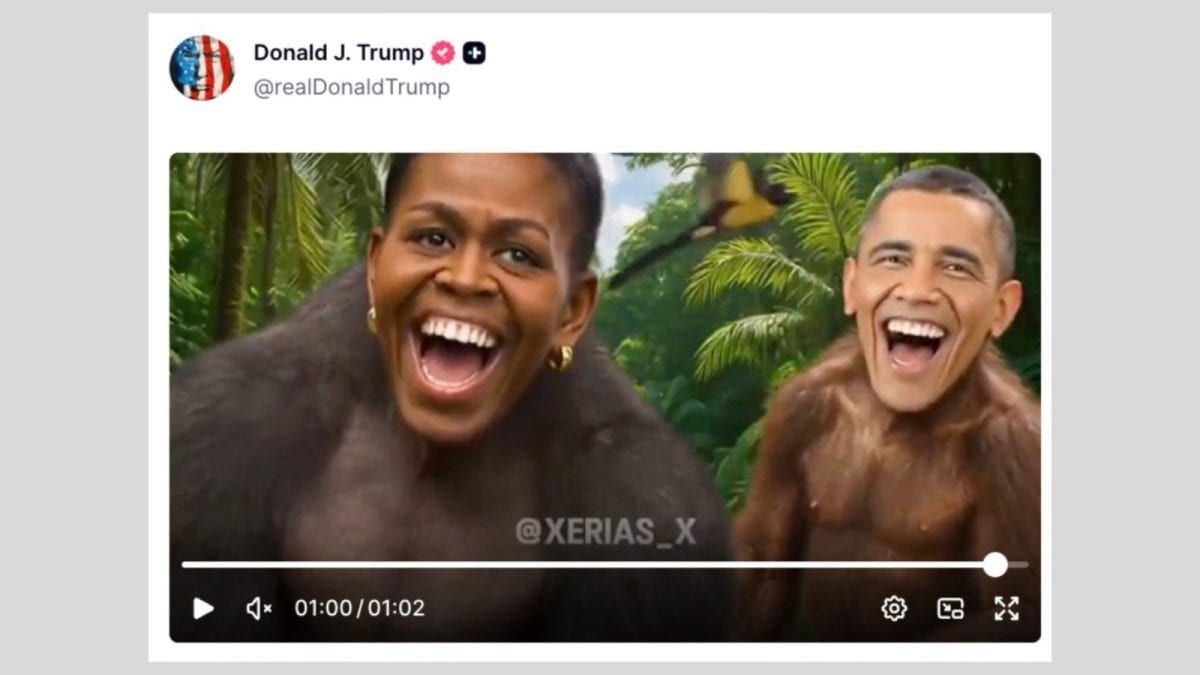
U.S. President Donald Trump removed a Truth Social video that depicted former President Barack Obama and former First Lady Michelle Obama with their faces superimposed on primate bodies, after a wave of criticism that included condemnation from some Republicans.
The roughly one-minute clip also amplified false claims about fraud in the 2020 U.S. election. Near the end, it included a brief segment — apparently AI-generated — featuring the altered images of the Obamas. The White House initially defended the post but deleted it about 12 hours after it appeared.
A White House official said a staffer “erroneously” made the post and that it was taken down. A Trump adviser said the president had not seen the video before it was posted late Thursday and ordered its removal once he learned of it. Earlier, spokeswoman Karoline Leavitt dismissed the backlash as “fake outrage,” describing the content as an internet meme.
Democrats and civil rights advocates sharply condemned the imagery. NAACP President Derrick Johnson called the video “blatantly racist” and “disgusting.” Ben Rhodes, a former Obama aide, said the incident would “haunt” Trump and his supporters in a social media post.
Republican criticism was also notable. Senator Tim Scott, a close Trump ally who is Black, urged that the post be removed and described it as “the most racist thing” he had seen from the White House. Other Republicans called for an apology, and some lawmakers privately contacted the White House about the video.
The episode has renewed scrutiny of internal controls over presidential social media, where posts can shape political narratives and reverberate beyond U.S. borders. Trump has previously faced criticism for racially charged rhetoric and for sharing manipulated content targeting political opponents.
Trump won’t apologize
Trump publicly defended the post and said he would not apologize. Speaking to reporters aboard Air Force One en route to Florida, the president stated that he “did nothing wrong” and ruled out dismissing the person responsible for posting the video. He said he did not watch the clip in full and merely “passed it along” for publication on his official account. The White House removed the video hours later, an unusual step for a president known for doubling down on controversial social media posts.
The video recycled false claims that Dominion Voting Systems manipulated the 2020 election results — allegations that courts have rejected after the company won multiple defamation lawsuits against outlets and figures promoting the narrative. The racist depiction of the Obamas appears in the final second of the clip, set to The Lion Sleeps Tonight, and was reportedly created by an Instagram user known for pro-Trump AI-generated memes, according to EFE. White House press secretary Karoline Leavitt initially dismissed the backlash as “manufactured outrage,” but the post drew criticism even from within the Republican Party, including Senator Tim Scott, a close Trump ally.
Transportación Habana TH said a “fuel deficit” is temporarily affecting the entire urban fleet and that there will be no service “until further notice” on any route
Cuba’s fuel shortage is rippling through daily life, with Havana’s urban bus network largely shut down, hospitals preparing to scale back non-urgent services, and longer planned blackouts announced in some areas—while social-media reports pointed to pots-and-pans protests in parts of the capital.
On its official Facebook page, Transportación Habana TH said a “fuel deficit” is temporarily affecting the entire urban fleet and that there will be no service “until further notice” on any route. Independent outlets also reported spillover into interprovincial travel, including cancellations and reduced frequencies in eastern provinces as authorities ration limited supplies.
The health system is also feeling the strain. CubaNet quoted sources at Havana’s flagship Hermanos Ameijeiras hospital as saying resources are “almost at zero,” prompting plans to cut consultations and prioritize life-threatening emergencies. A doctor compared the uncertainty to the COVID-19 period—except now, the duration of restrictions is unknown, raising concerns for patients awaiting necessary but non-emergency procedures.
On the power front, the electric utility on the Isle of Youth announced revised outage cycles tied to diesel availability, extending cuts across circuits on a rotating basis. In Havana, videos and posts circulated late Thursday and Friday alleging cacerolazos (pots-and-pans protests) in Fraternidad, a neighborhood in Arroyo Naranjo, reflecting rising social tension as transport collapses and blackouts stretch on.
The worsening crunch comes as Washington intensifies pressure around energy flows to the island. U.S. President Donald Trump said his administration is speaking with Cuba’s “highest levels” and suggested a deal is possible, amid strained bilateral ties and broader economic pressure measures.
Cuban authorities have acknowledged the seriousness of the energy situation and announced emergency steps, but have not provided a clear timeline for restoring normal transport operations or stabilizing electricity supply.