Category: Home

  • Emerging TikTok Best Selling Products And Market Insights — MercoPress
    Emerging TikTok Best Selling Products And Market Insights — MercoPress


    Emerging TikTok Best Selling Products And Market Insights

    Monday, February 2nd 2026 – 13:22 UTC


    Full article


    Scrolling through TikTok is often effortless, but engaging that attention into consistent sales of the product can be overwhelming. Trends are rapid, product lifecycles are short, and what sells today may lose momentum tomorrow.

    As a seller or marketer, you might be confused as to which categories are worth your time and which ones fade away before you can act. Moreover, knowing why some products work well is as important as knowing what they are. When you get closer, patterns start to be noticed in terms of content style, prices, and buyer intent.

    This article dissects those patterns simply and examines the emerging TikTok best-selling products and the market insights that are contributing to their success.

    5 Emerging TikTok Best Selling Products

    1. Beauty and Personal Care Continue to Dominate

    Description of the image

    Photo: Freepik

    Beauty and personal care remain one of the strongest drivers of TikTok commerce. In fact, TikTok shop best selling products are frequently from this category because of their visual appeal and repeat purchasing potential. Quick videos that show before-and-after results, texture testing, or routine-based use can help build trust quickly. As a result, viewers feel certain about making a purchase without extensive research.

    In addition, TikTok prefers authenticity. Products that address daily issues, such as maintaining skin sensitive to irritation, or easy-to-use products for grooming, tend to generate more traction. Instead of luxury positioning, accessible pricing and clear positioning of benefits are often the sources of higher conversion rates.

    More importantly, beauty content fits seamlessly into everyday scrolling. Tutorials tend to be educational instead of being promotional, keeping engagement high. Consequently, this category still outperforms others when combined with consistent creator-driven content.

    2. Health and Wellness Products Gain Momentum

    Health and wellness products are gradually making their way into the TikTok Shop. From posture correctors to sleep support tools, these products speak to the minds of users who are looking for simple lifestyle improvements. Since wellness is a personal journey, products that offer subtle but meaningful benefits perform better.

    However, trust plays a very important role here. Clear demonstrations, honest reviews, and routine-based usage help mitigate skepticism. When creators explain how a product fits into the daily life of their viewers, viewers are more likely to engage.

    Furthermore, educational storytelling is beneficial for this category. Instead of making bold claims, successful sellers focus on the way products may support comfort, balance, or routine consistency. This approach is in line with TikTok’s content-first commerce model and promotes sensible purchasing decisions.

    3. Home and Lifestyle Products Drive Impulse Buying

    Description of the image

    Photo: Freepik

    Home and lifestyle products always excel on TikTok because of the instant visual payoff. Organization tools, cleaning gizmos, and small home improvements are often impulse buys because viewers immediately see the instant transformation.

    What makes this category especially effective is its quality of being relatable. Messy spaces, time limitations, and daily inconveniences are issues many users recognize instantly. As a result, solution-based content is extremely effective.

    Moreover, these products generally don’t need much explanation. A short clip of a problem followed by a solution is often sufficient to gain interest. Combined with affordable pricing, home and lifestyle goods remain among TikTok’s fastest-moving products.

    4. Fashion Accessories Outperform Full Apparel

    While the fashion industry as a whole is very competitive, accessories have consistently outperformed full apparel on TikTok Shop. Items such as bags, jewelry, sun wear, and adaptive accessories are easier to size, style, and present in short videos.

    In addition, accessories adapt well to trends without requiring substantial changes in the inventory. An individual product can be styled in various looks, which increases the lifespan of the product’s content. This flexibility helps sellers experiment with various angles while staying consistent.

    Another benefit is the simplicity of decisions. Accessories are less risky for buyers, and that reduces hesitation. As a result, these products convert faster often, especially when the creators demonstrate multiple use cases in a single video.

    5. Tech Accessories Solve Everyday Friction

    Description of the image

    Photo: Freepik

    Tech accessories are getting noticed as users are seeking practical updates rather than big investments. Charging solutions, desk accessories, and phone enhancements perform well as they solve common pain points.

    Instead of concentrating on specifications, successful content emphasizes convenience. Showing how a product simplifies work, travel, or daily communication makes the value immediately clear. This clarity assists in helping the viewer connect the product with their own routines.

    In addition, tech accessories also benefit from problem-solving storytelling. Where creators display frustration followed by resolution, engagement naturally increases. This makes this category highly compatible with TikTok’s short-form, narrative-driven format.

    Market Insights That Explain Why These Products Sell

    Understanding why certain products succeed is key to staying competitive. First, TikTok rewards content that feels native rather than overly produced. Products that fit into natural routines gain more traction because they blend into everyday storytelling.

    Second, price sensitivity matters. Items that feel affordable yet valuable encourage quicker decisions. Viewers are more likely to purchase when the perceived risk is low and the benefit is clear.

    Equally important, creator trust drives conversions. Audiences respond better when products are introduced through genuine use rather than scripted promotion. This is why categories that allow for repeated, organic demonstrations tend to perform best.

    Finally, trend awareness shapes longevity. Products aligned with ongoing lifestyle shifts, such as wellness, convenience, and self-expression, maintain relevance longer than novelty items. Sellers who monitor these shifts can adapt faster and sustain momentum.

    Final Thoughts

    TikTok’s commerce ecosystem continues to evolve, but certain product categories consistently rise to the top. Beauty, wellness, home solutions, accessories, and practical tech items succeed because they align with how people consume content and make decisions on the platform.

    By understanding not just what sells, but why it sells, you can approach TikTok Shop with clarity rather than guesswork. When strategy meets insight, product discovery becomes opportunity-driven instead of trend-chasing.
    Source link

  • Orsi, Xi Jinping sign cooperation deals in Beijing as Uruguay backs “one China” and trade talks with Mercosur are floated — MercoPress

    Orsi, Xi Jinping sign cooperation deals in Beijing as Uruguay backs “one China” and trade talks with Mercosur are floated — MercoPress


    Orsi, Xi Jinping sign cooperation deals in Beijing as Uruguay backs “one China” and trade talks with Mercosur are floated

    Tuesday, February 3rd 2026 – 12:53 UTC


    Xi urged the two countries to work toward an “equal and orderly multipolar world” and an “inclusive” form of economic globalisation
    Xi urged the two countries to work toward an “equal and orderly multipolar world” and an “inclusive” form of economic globalisation

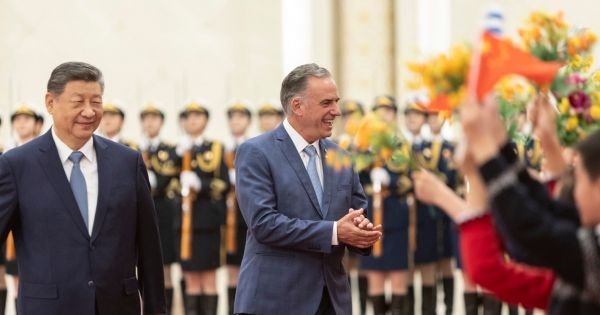
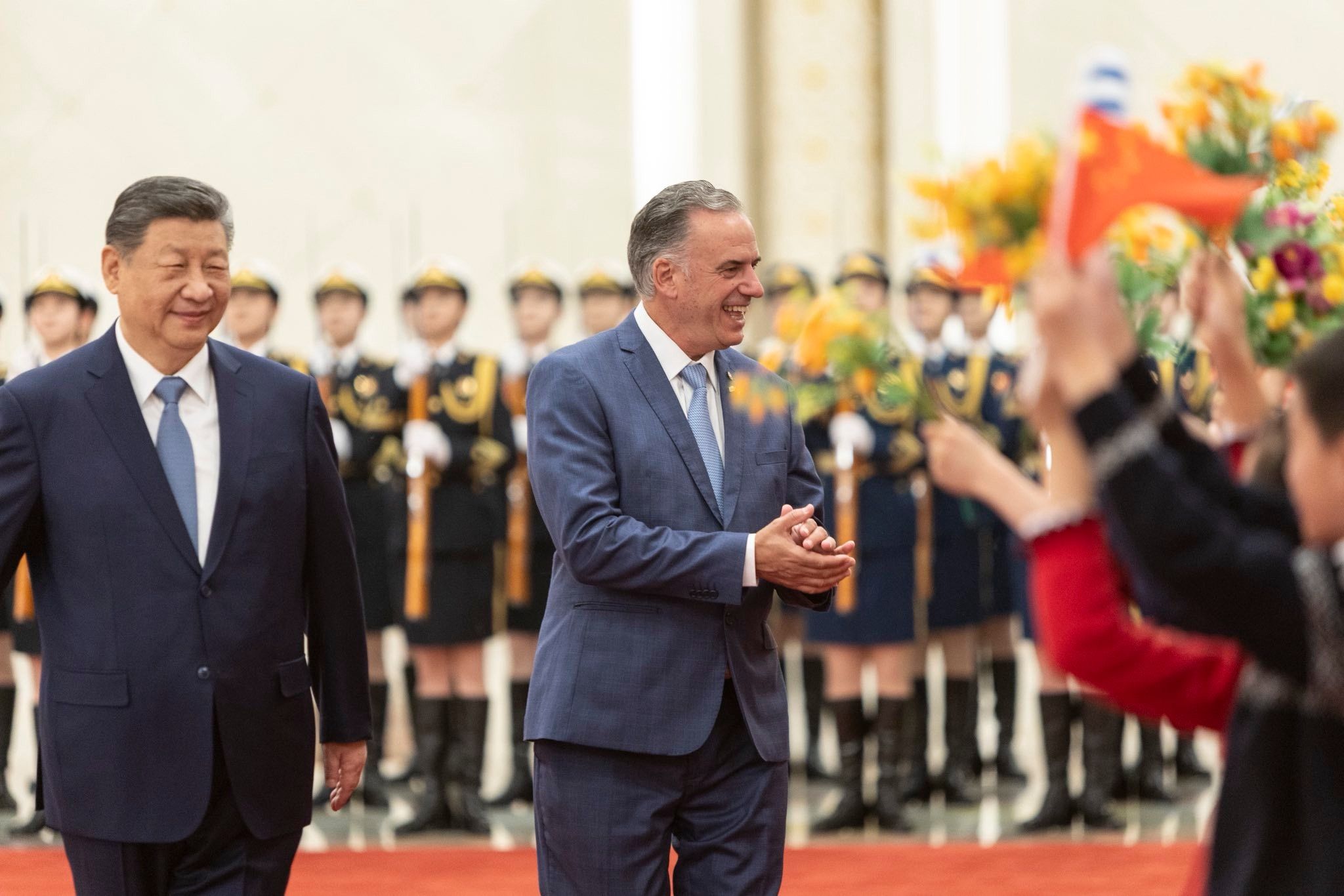
    China’s President Xi Jinping met Uruguay’s President Yamandú Orsi in Beijing on Tuesday, a visit framed by both sides as a bid to deepen political alignment and broaden economic ties at a moment of heightened geopolitical competition.

    Xi urged the two countries to work toward an “equal and orderly multipolar world” and an “inclusive” form of economic globalisation—language Beijing has increasingly used to criticise unilateral pressure and to rally Global South partners.

    The meeting produced a joint declaration and 12 cooperation documents spanning trade, environmental cooperation, science and technology, and intellectual property. The agency also said the two governments signalled interest in advancing conversations on a possible trade agreement involving China and Mercosur—an idea long discussed in the region but complicated by bloc dynamics.

    Orsi travelled with a roughly 150-strong delegation including business figures and academics, and his itinerary runs through February 7 with a stop in Shanghai, Uruguay’s presidency said. Orsi said the trip aimed to “empower Uruguay in the world” and generate new opportunities for investment and development.

    Diplomatically, Uruguay reiterated support for the “one China” principle and invited Xi to visit Uruguay. The official agenda also includes meetings with Chinese Premier Li Qiang and Zhao Leji, head of China’s top legislature, Uruguay’s government said.

    Trade remains the backbone. China is Uruguay’s top destination for agricultural exports—such as wood pulp, soybeans and beef—and that Uruguay posted a $187.1 million trade surplus with China in the first half of 2025, while importing Chinese machinery, electronics and chemicals. 


    Source link

  • Paraguay’s long-run growth leads South America, but income gains lag — MercoPress

    Paraguay’s long-run growth leads South America, but income gains lag — MercoPress


    Paraguay’s long-run growth leads South America, but income gains lag

    Tuesday, February 3rd 2026 – 12:57 UTC


    The same comparisons place larger economies behind Paraguay in percentage terms, including Colombia, Chile and Brazil
    The same comparisons place larger economies behind Paraguay in percentage terms, including Colombia, Chile and Brazil

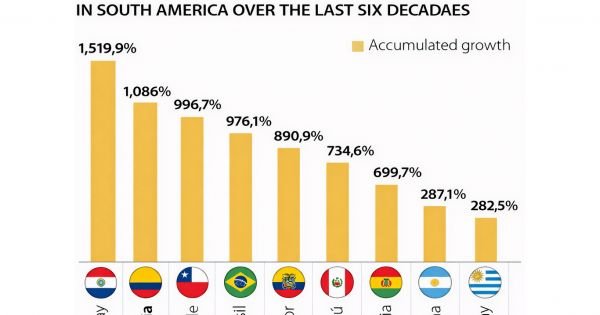
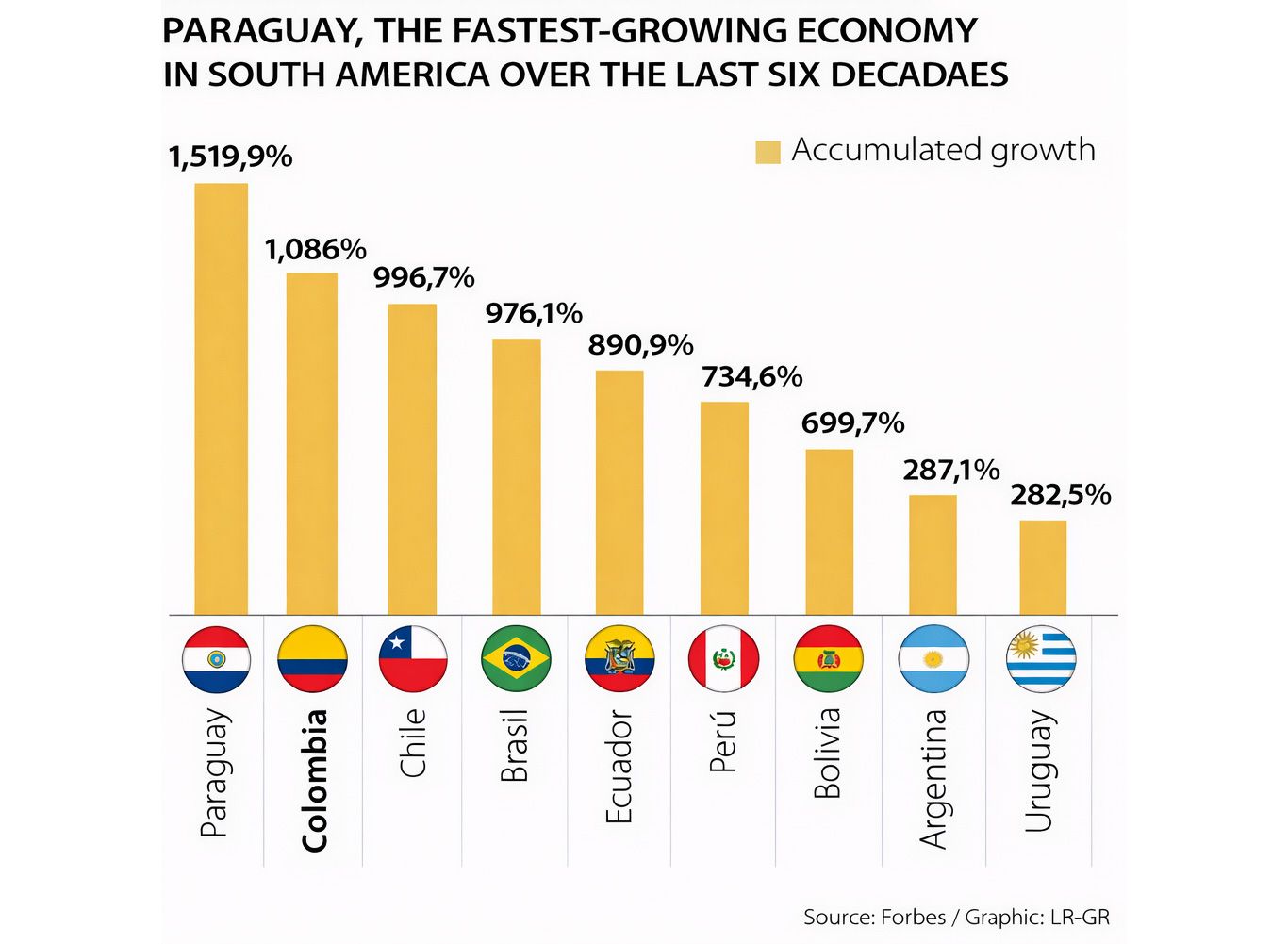
    From 1960 to 2024, Paraguay posted the highest cumulative GDP expansion in South America, according to calculations published by Forbes Paraguay and Colombia’s La República, drawing on World Bank constant-2015-dollar series. Over that span, Paraguay’s economy rose from roughly US$2.8 billion to about US$46 billion (2015 prices), multiplying more than sixteen-fold.

    The same comparisons place larger economies behind Paraguay in percentage terms, including Colombia, Chile and Brazil. The gap is wider versus Argentina and Venezuela, which the cited comparisons describe as far more volatile over the period.

    Economists typically add caveats: percentage leadership over six decades also reflects starting from a small base, and aggregate GDP does not capture living standards. In 2024, Paraguay’s GDP per capita (current dollars) remained well below Uruguay and other higher-income peers in the region, according to World Bank figures.

    Still, Paraguay’s post-2000s trajectory stands out for steadier macro management. An IMF “Selected Issues” paper links the growth pickup to a rebound after late-1990s turmoil, a favorable external backdrop and policy improvements. President Santiago Peña argued the economy could hold above 4% growth even amid weaker soy prices, pointing to investment and export-logistics support.

    Forward-looking indicators also suggest moderation rather than reversal: Paraguay’s central bank forecast 4.2% growth in 2026. At the same time, S&P raised Paraguay to investment grade in late 2025, citing stability and fiscal discipline, according to The Wall Street Journal and S&P Global.

    The policy question now is conversion: turning long-run expansion into higher productivity, better wages and a more complex export basket—beyond soy and beef—while leveraging cheap power from Itaipu Dam and tightening institutions that curb informality and corruption.


    Source link

  • Betting spike ahead of Machado’s Nobel Peace Prize and suspected cyber breach trigger leak probe — MercoPress

    Betting spike ahead of Machado’s Nobel Peace Prize and suspected cyber breach trigger leak probe — MercoPress


    Betting spike ahead of Machado’s Nobel Peace Prize and suspected cyber breach trigger leak probe

    Tuesday, February 3rd 2026 – 02:08 UTC


    The alert was triggered by activity on Polymarket, a platform where users buy and sell “odds” on public events
    The alert was triggered by activity on Polymarket, a platform where users buy and sell “odds” on public events

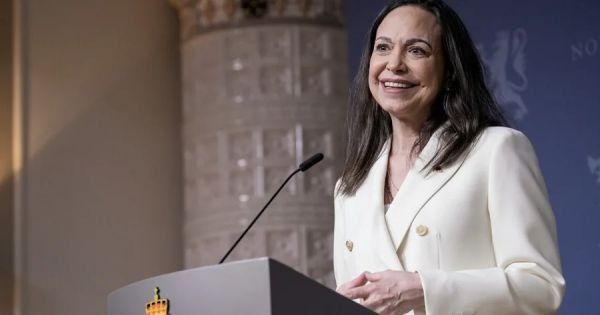
    The Norwegian Nobel Institute concluded that a cyberattack is the “most likely” explanation for the leak of information about the 2025 Nobel Peace Prize, after prediction markets registered an abrupt—and highly profitable—shift in favor of María Corina Machado a few hours before the official announcement.

    The alert was triggered by activity on Polymarket, a platform where users buy and sell “odds” on public events. According to Reuters‘ reconstruction, bets in favor of Machado skyrocketed in the early hours of October 10, when she went from being a marginal contender to the frontrunner, despite not having been among the favorites on expert lists or traditional betting houses until then.

    The internal report, whose conclusions were made public at the end of January, states that “there were actors capable of acquiring information illegally” about the Norwegian Nobel Committee’s decision. The investigation was supported by Norwegian intelligence services.

    The numbers fueled suspicions: at the peak of the episode, around US$2.2 million was wagered on the outcome, and one account reportedly placed nearly US$70,000 in bets in the hours leading up to the announcement, earning a profit of around US$30,000, according to reports cited by El País and The Guardian. The institution itself admits, however, that it was unable to determine precisely how the information was obtained, who bought it, or whether it was a state or private actor.

    The political dimension also weighs heavily. The leak appears to be the “penultimate” chapter in a series of controversies associated with the prize, especially after Machado’s public gesture of ‘sharing’ or symbolically handing over her medal to the US president. In response, the Institute and the Committee issued a statement reminding the public that the Nobel Prize “cannot be revoked, shared, or transferred to others” once it has been announced.

    The Committee justified the award on the basis of Machado’s role as a leading figure in the Venezuelan opposition and his defense of free elections. The institution did not rule out the possibility that a state actor was involved in the leak.

    This is not the first time the Nobel Prize has faced digital threats. The Institute recalled previous incidents such as the cyberattacks that followed the 2010 award to Chinese dissident Liu Xiaobo. It has now announced security reinforcements, but without detailing specific measures “for operational reasons.”


    Source link

  • Argentina’s stats chief quits as Milei’s government freezes inflation index overhaul — MercoPress

    Argentina’s stats chief quits as Milei’s government freezes inflation index overhaul — MercoPress


    Argentina’s stats chief quits as Milei’s government freezes inflation index overhaul

    Tuesday, February 3rd 2026 – 01:34 UTC


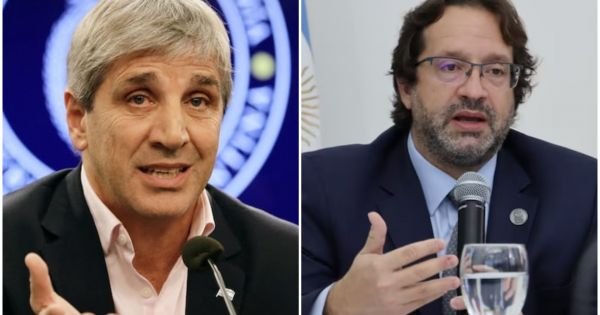
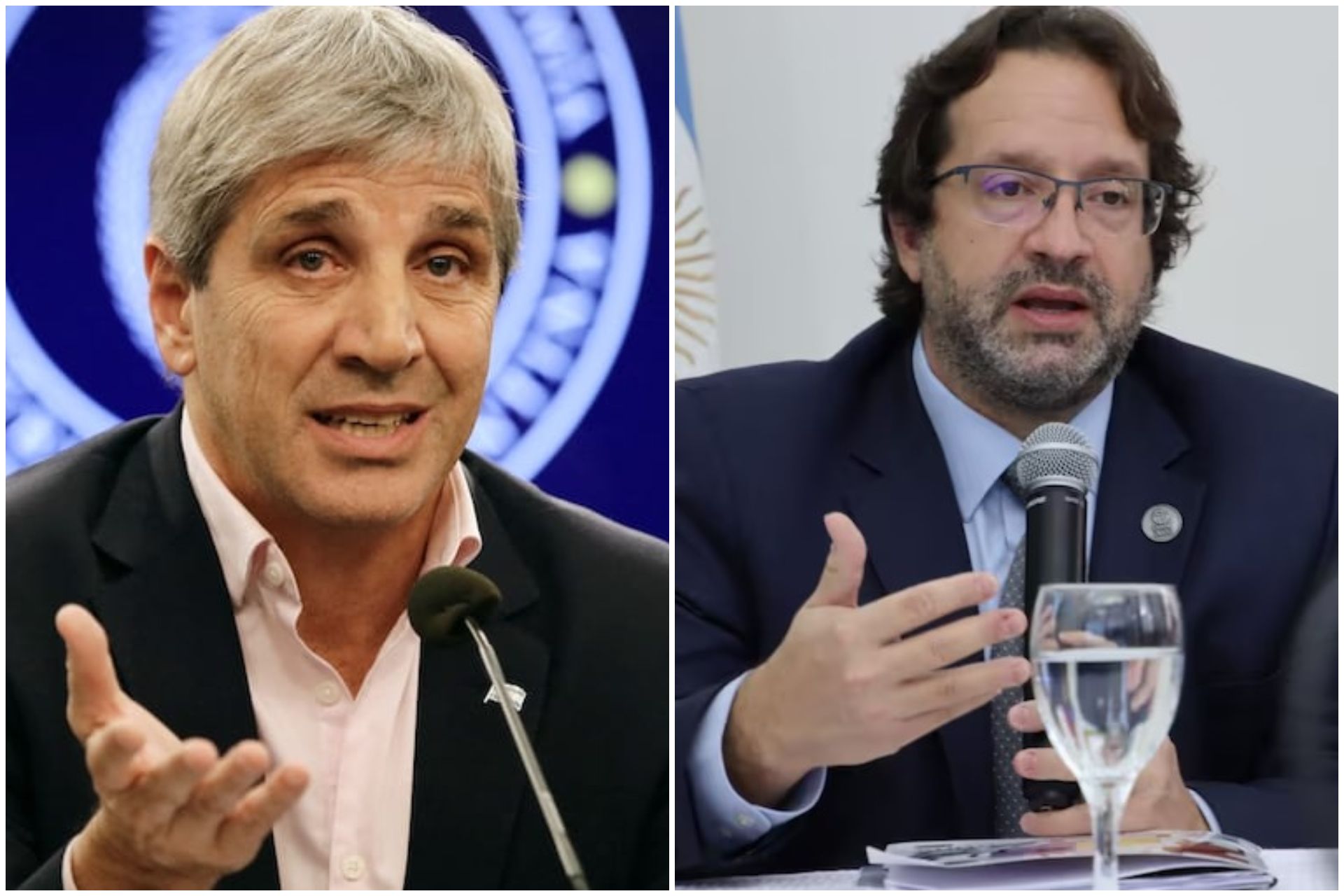
    Caputo (left) linked Lavagna’s (right) resignation to disagreements with President Javier Milei over timing, and said: “There is no need to change the index now… it makes virtually no difference.”
    Caputo (left) linked Lavagna’s (right) resignation to disagreements with President Javier Milei over timing, and said: “There is no need to change the index now… it makes virtually no difference.”

    Argentina’s national statistics agency, INDEC, said its director, Marco Lavagna, stepped down on Monday after more than six years in the post, just as the country was preparing to launch a revamped consumer price index (CPI). Within hours, Economy Minister Luis Caputo confirmed the methodology change would be delayed indefinitely “until the disinflation process is consolidated,” with no new date set.

    Caputo linked Lavagna’s resignation to disagreements with President Javier Milei over timing, and told Radio Rivadavia: “There is no need to change the index now… it makes virtually no difference.” The government named Pedro Lines, INDEC’s technical director, as the new head of the agency.

    At the center of the dispute is the long-planned CPI rebasing, scheduled to debut with January data due on February 10. The update would switch CPI weights to those derived from the 2017–2018 national household expenditure survey, replacing a basket still anchored in 2004. The goal was to better reflect current spending patterns and increase the weight of services relative to goods.

    The reversal has fueled speculation that the new basket could produce a higher headline reading than the current measure, complicating the government’s disinflation narrative and its 2026 inflation target of 10.1% embedded in the national budget. Private forecasts collected by Argentina’s central bank point to roughly 20.1% inflation in 2026—about double the official target—according to EFE and Reuters reporting.

    The argument is particularly sensitive because regulated prices have surged in recent years. Electricity, gas, water and transport—previously heavily subsidized—have seen increases that, in several stretches, outpaced the rise in goods such as food and clothing. In a report referenced by EFE, the central bank warned that under the new methodology tariff updates would tend to have a larger impact, alongside indexation mechanisms in rents and building fees and the evolution of wages.

    Officials argue that changing the CPI during a disinflation phase could trigger political “speculation” about the drop in inflation. Critics counter that an outdated basket helps explain why many Argentines feel day-to-day inflation is higher than the official figures suggest. A Chequeado analysis, drawing on private-sector calculations, found that the basket update can shift measured inflation across specific periods and categories, with services playing a larger role under the newer weights.

    The CPI update had also been cited as part of technical commitments under Argentina’s International Monetary Fund’s program, aligned with international classification and national accounts consistency.


    Source link

  • Latin America’s Child Safety Crisis Meets Data, Politics, and Choices


    A new regional report from UNICEF and PAHO maps how violence against children overlaps across homes, schools, streets, and screens. The question is no longer what is happening. It is whether governments will fund proven solutions before silence becomes inheritance.

    The Waiting Room Where Policy Becomes Personal

    In a clinic waiting room somewhere in Latin America and the Caribbean, the chairs are molded plastic, and the air carries that faint disinfectant smell that never quite leaves. A child sits close to an adult, knees pulled in, eyes fixed on the floor tiles. Nothing dramatic happens in the moment. That is the point. Violence against children rarely arrives with a single, cinematic event. It accumulates quietly, and by the time it reaches a hospital, a classroom, or a police desk, it has already done its work.

    This ordinary scene is implied across a regional report produced by the United Nations Children’s Fund and the Pan American Health Organization. Their framing is blunt: violence against children and adolescents includes physical, psychological, and sexual abuse, and it shows up through armed violence, violent discipline, bullying, and online violence, often at the same time. What this does is create overlap, where one harm becomes the gateway for another.

    The report’s insistence is that there is no single cause. Violence is tied to poverty, discrimination based on age, race, gender, and disability, weak protection systems, and the pressures of crime and conflict. Not all children face the same risk. Those living in poverty, in areas exposed to gangs and organized crime, or inside households already marked by violence are more vulnerable. The story is not only about individual acts. It is about conditions that make those acts predictable.

    The trouble is that the people who commit violence are often not strangers. They are parents, family members, teachers, caregivers, friends, or partners. Sometimes police. Sometimes members of gangs and organized crime. Violence lives uncomfortably close to the child, and sometimes inside the institutions that claim to protect them.

    And it lasts. Not a day. A lifetime. The report ties childhood violence to physical and mental health problems, difficulty learning, and behavior issues. Being abused or witnessing abuse also increases the risk of experiencing violence later in life. A cycle that reaches forward into the next generation, long after the original injury is forgotten by everyone except the person who carries it.

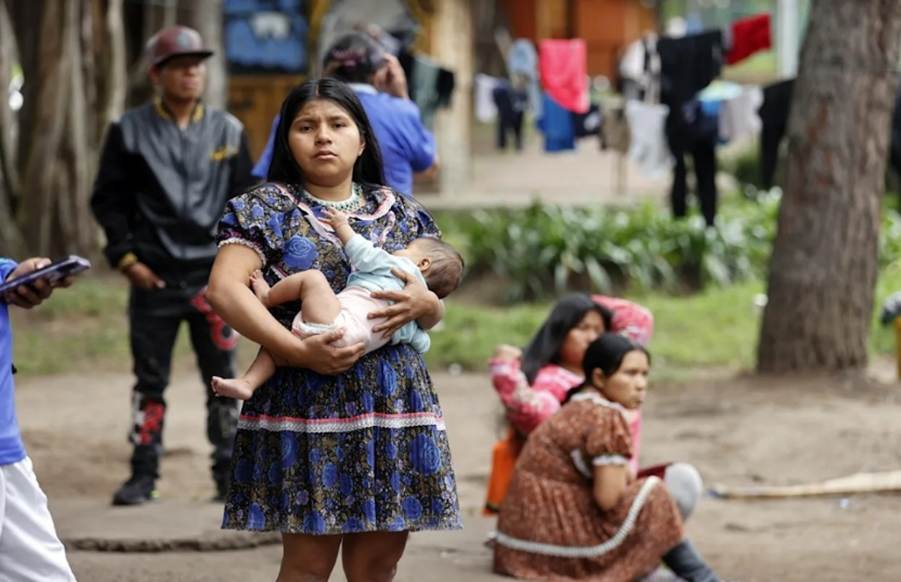
    Women and girls lack access to any form of social protection in Latin America. EFE/ Mauricio Dueñas Castañeda FILE

    Guns, Gangs, and the Age of Recruitment

    Armed violence is increasing in some parts of the region, driven by a mix that will feel familiar to anyone who has watched a neighborhood change: widening inequality, fewer safe public spaces, illegal trade, harmful gender norms, organized crime, and poor control over weapons. The report describes children as young as ten, sometimes as young as six or seven, being recruited into gangs and used as lookouts and drug couriers, or to carry weapons. As they grow older, the roles grow darker. Extortion. Killings.

    Girls face specific dangers within these structures, including sexual abuse, trafficking, and exploitation by gang leaders. The report does not pretend that recruitment is always the same story. Some children are forced. Others join because they want safety, respect, money, or simply a way to survive. Recruitment can happen face-to-face or online, including through gaming platforms. In that detail is a modern edge: the boundary between street and screen is thinner than adults like to admit.

    The report’s data show how deadly this becomes. In 2019, homicide was the leading cause of death for adolescents aged ten to nineteen in Latin America and the Caribbean. Between 2018 and 2022, the number of adolescent boys aged fifteen to seventeen who were homicide victims fell across the region, though the rate remained very high. Between 2021 and 2022, the number of adolescent girls aged fifteen to seventeen who were killed rose. Since 2023, homicide rates have increased in some countries, making it likely that more children and adolescents are affected.

    Children are not only victims. Between 2015 and 2022, about ten thousand five hundred children and adolescents aged zero to nineteen were arrested or suspected of homicide. Most were teenagers, aged 15 to 19, but one in 14 was as young as 10 to 14. Boys were thirteen times more likely than girls to be arrested or suspected, though the report notes that not all have actually committed these crimes. The wager here is whether societies treat these children only as threats or as evidence of systems that failed early and repeatedly.

    The report does not leave governments guessing about what can work: enforce firearms laws and policies, interrupt violence through mediation and community action, offer comprehensive social and educational programs for at-risk children and families, reduce financial incentives to join gangs, expand mental health and substance abuse services, and build child-friendly justice systems that emphasize restorative paths rather than additional harm.

    In remembrance of a woman who lost her life to gender-based violence. EFE/ Miguel Toña

    Homes, Schools, and the Violence We Tolerate

    Not all violence comes with a gun. Violent discipline remains one of the most widespread forms of abuse in the region, and the report places it where it belongs: inside homes and schools. More than six out of ten children aged zero to fourteen are subjected to violent discipline, most often at home or in school. Emotional abuse is the most common, with forty-six percent reporting it, while thirty-eight percent have faced physical punishment. Children and adolescents with disabilities face exceptionally high risks, and the report estimates nineteen point one million children and adolescents in the region live with disabilities.

    Many caregivers still believe violent discipline is the only way to teach respect and good behavior. The report argues the opposite. Hurting or threatening a child does not work. It harms health and well-being, makes learning harder, damages family relationships, and teaches that violence is an acceptable way to deal with conflict. The cycle continues because the lesson is learned, then repeated.

    Legal progress exists, but it is uneven. As of August 2025, eleven countries in the region had bans on violent discipline in all settings, and others are moving in that direction. But the report warns that bans are not enough when laws are not enforced, when emotional abuse is excluded, and when systems do not protect children in practice.

    Schools carry the same contradictions. Bullying and violence in schools remain widespread, threatening children’s right to safe and inclusive education. One in four children and adolescents experiences bullying. Boys are more likely to face physical bullying, while girls are more often exposed to psychological bullying and sexual harassment. Bullying also takes place in communities and online. Survivors face higher risks of depression, anxiety, suicidal thoughts, social isolation, and poor school performance. Responses across the region are uneven, with many countries lacking coordinated national commitment.

    The report’s solutions here are not mystical. Strong laws and policies are part of it, but so are the practical pieces: training school staff, building response services, challenging harmful social and gender norms, and creating school programs that last long enough to change behavior, not just decorate a semester.

    Online violence adds a final layer that is no longer optional. Perpetrators use social media platforms and video games to groom, harass, and exploit children. New tools, including artificial intelligence-generated fake sexual images, are being used for blackmail. The report notes that data are limited because few countries run surveys, but the available evidence shows substantial exposure to cyberbullying and offensive behavior online. Governments have taken steps through laws and child protection systems, but comprehensive legal frameworks and effective enforcement remain absent in many places.

    Back in that clinic waiting room, the child still does not look up. The everyday observation is painfully simple: silence can become a routine. UNICEF and PAHO argue, with data and tested examples, that the region already knows how to disrupt that routine. What is missing is not the map. It is the decision to follow it.

    Also Read:
    Haiti Council Moves to Oust Prime Minister as New U.N. Force Arrives


    Source link

  • Noise Without Collapse: Colombia–U.S. Relations After Twelve Months of Tension

    Noise Without Collapse: Colombia–U.S. Relations After Twelve Months of Tension


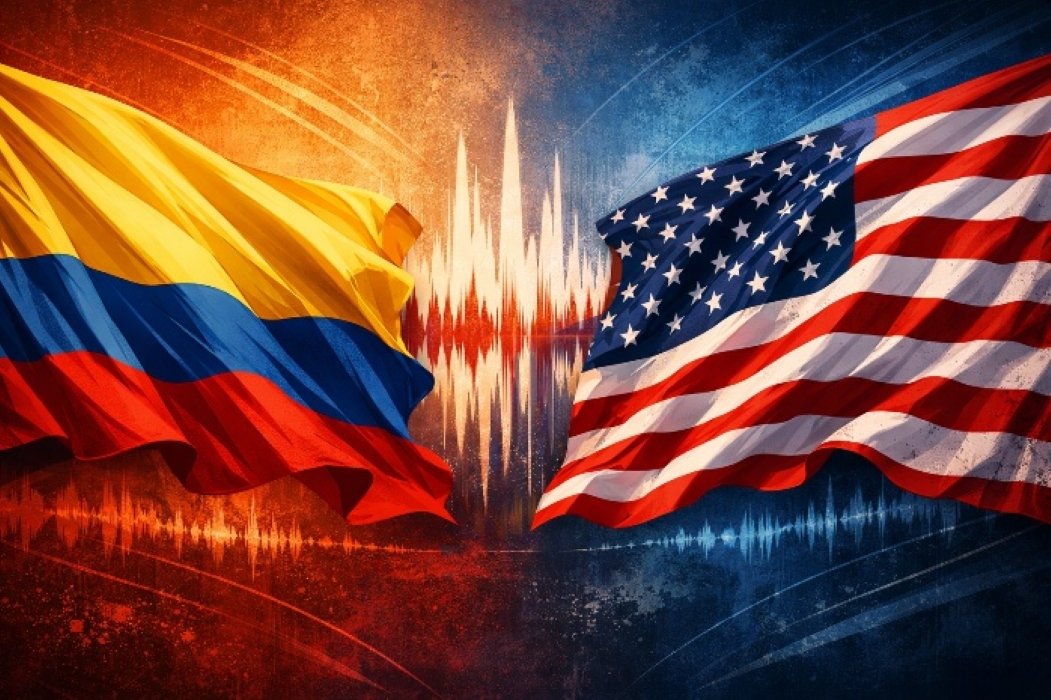
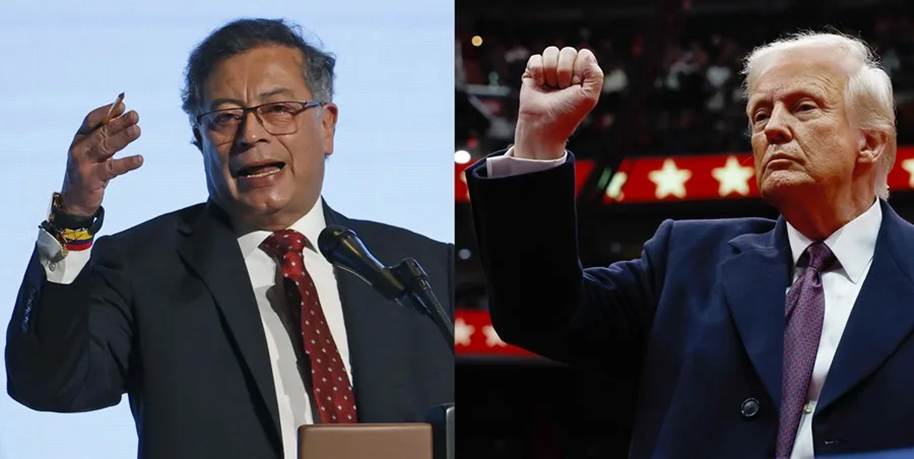
    A year after a deportation standoff jolted the Colombia-U.S. alliance, Presidents Gustavo Petro and Donald Trump are set to meet on February 3 at the White House. The wager is simple: cool the politics before it scorches commerce and security.

    Six Days In, the Tarmac Became a Test

    In the first week of Trump’s second term, the relationship did not drift into trouble. It hit it head-on.

    On January 26, 2025, two planes carrying deportees from the United States were bound for Colombia, and Colombia refused to let them enter. Petro argued that the deportees, arriving in handcuffs, were not being treated with dignity. It is the kind of dispute that starts as an image and turns into policy. Metal cuffs. A locked cabin door. A decision that has to be made fast, under bright airport lights that never flatter anyone. The everyday observation is almost banal: the whole machinery of a bilateral relationship can suddenly hinge on what happens to people at the edge of a runway.

    Trump threatened tariffs. Colombia faced the prospect of its first tariff war with the United States. And then, the same day, the immediate crisis was resolved. What remained was the bruise. The trouble is that bruises in diplomacy do not stay the size they start.

    “The 2025 left a clear conclusion: the Colombia-United States relationship is strategic and resilient; tensions make noise, but they did not break the foundations,” María Claudia Lacouture, president of the Colombian American Chamber of Commerce, told EFE. “The episode of January 26 confirmed precisely that: when there is friction, what is decisive is that there are formal channels, dialogue, and the ability to de-escalate so that politics does not end up affecting the economy.”

    Her point sounds procedural, almost technocratic, until you sit with what it implies. A strategic relationship is not a romantic one. It is maintained, repaired, and sometimes dragged back from the ledge by people whose job is to keep talking when presidents are busy performing.

    Colombia has reasons to treat the bond as more than symbolism. The United States is described in the notes as Colombia’s principal ally in security and defense, as well as its biggest trade partner. Since May 2012, they have been tied by a Free Trade Agreement. A year of crisis, therefore, does not float above the real economy. It leans on it.

    In 2024, the exchange of goods and services reached 53.300 billion dollars, according to data from the Office of the United States Trade Representative. That total came from U.S. exports of 28.300 billion dollars and imports from Colombia of 25.000 billion dollars, leaving a 3.300 billion dollar surplus for the United States. These figures are not just accounting lines. They are an argument, made in numbers, for why neither government can afford a theatrical collapse.

    “Between January and November 2025, the United States remained the main trade partner, with Colombian exports of 13.498,8 million dollars (thirty percent of the total), and it remained the main historical investor, with 3.375,4 million of investment through the third quarter (thirty-seven percent of the total received in the period),” Lacouture told EFE.

    The repetition here matters. Main partner. Main investor. Those are not romantic labels either. They are reminders.

    The president of Colombia, Gustavo Petro, and the president of the United States, Donald Trump. EFE/ Mauricio Dueñas Castañeda / Anna Moneymaker

    A Relationship That Took on Water, Then Sanctions

    After January 26, the relationship did not settle. It shook again and again, driven by Petro’s criticism of Trump across multiple fronts.

    The notes describe disputes over the U.S. military campaign against drug trafficking in the Caribbean Sea and the eastern Pacific, over the overthrow and capture of Nicolás Maduro, and over the war in Gaza and the Palestinian question. Each disagreement is its own fight, but together they create the steady churn of a relationship that is constantly reacting, never resting. What this does is make every issue feel like it belongs to the same argument, even when it does not.

    By mid-September, Washington removed Colombia from the list of countries deemed to be meeting obligations in the fight against narcotics, commonly known as “certification,” because of differences over the results of the drug war. Days later, Petro lost his visa.

    The stated reason, according to the notes, was a pro-Palestinian demonstration in New York where, the Department of State said, Petro “addressed U.S. soldiers” urging them to disobey orders and incite violence. It is hard to miss the escalation. This is not a quiet bureaucratic scolding. This is a formal rupture in the language of legitimacy.

    Then came October 24, when the U.S. Department of the Treasury included Petro, along with his wife, Verónica Alcocer, his eldest son, Nicolás Petro Burgos, and Colombia’s interior minister, Armando Benedetti, on the Office of Foreign Assets Control list known as the “Clinton List.” The notes say Trump called Petro a “leader of drug trafficking.” In Colombia, the practical meaning of a sanctions list is often discussed in the tone used for storms. You do not need to admire the storm to understand that it can close ports, freeze plans, and warp daily life in a thousand quiet ways.

    This is the point in the story where a human reporter starts to notice the emotional arithmetic underneath the policy. A relationship can survive noise, as Lacouture argues, but sanctions are not just noise. They are structured. They rearrange the room.

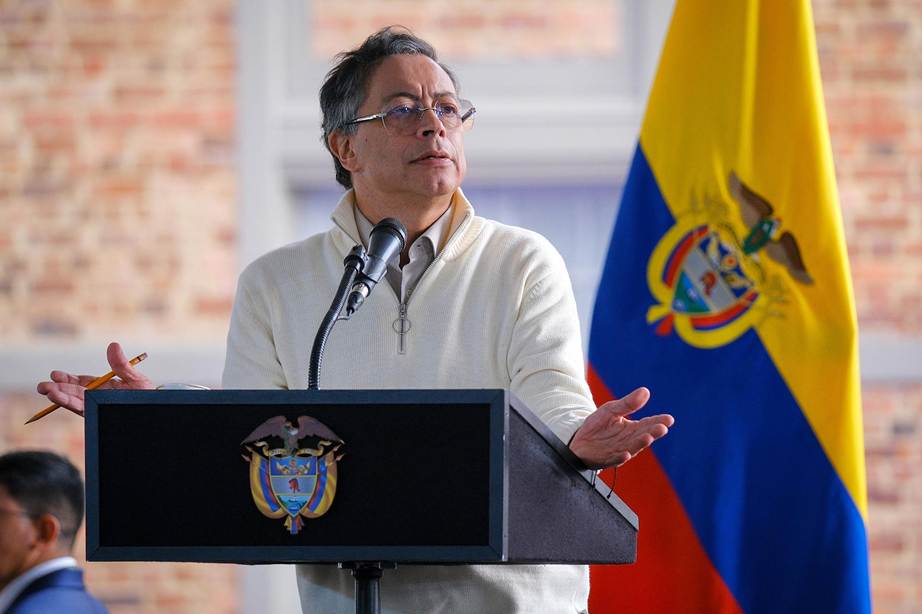
    The president of Colombia, Gustavo Petro. EFE/ Presidencia de Colombia

    February 3 in Washington, and the Thin Hope of Normal

    The notes describe a rise in tension after Maduro’s capture. Then, on January 7, Trump accepted a phone call from Petro. The temperature dropped. They agreed to meet on February 3 at the White House, their first meeting.

    “We have a lot of hope that this February 3 meeting goes well for the benefit of Colombia and the United States and that we normalize our diplomatic, political, and commercial relationship, and that we can contribute to solving problems and fighting the common enemy, which is drug trafficking,” Javier Díaz Molina, president of the National Association of Foreign Trade, told EFE.

    Hope is not policy, but it is sometimes the only available bridge.

    In Colombia, expectations are not vague. The notes say the press and public are asking what Trump might raise with Petro on drug trafficking, democratic guarantees, and support for his campaign in Venezuela, and what Petro will ask for, above all, to get out from under the sanctions hanging over him.

    Preparation is already underway. Colombia’s foreign minister, Rosa Villavicencio, spoke Friday with U.S. Secretary of State Marco Rubio to prepare the presidents’ meeting, “valuing the long and historic trajectory of cooperation and joint work between Colombia and the United States,” according to the notes.

    Still, the wager here is that talking can separate the political from the economic, even when politics has already reached into visas, certification, and sanctions. Lacouture offers the most grounded version of that wager, insisting the relationship requires permanent management across multiple actors, including the private sector, Congress, technical agencies, and think tanks, to keep channels open and protect trust.

    “The relationship goes beyond governments: it requires permanent management with multiple actors, to keep channels open, protect confidence, and separate the political from the economic,” Lacouture told EFE.

    That line has the feel of both a conclusion and a warning. February 3 might produce a thaw, or it might make a photo and a new round of arguments. But after a year of crisis and startle, Colombia is walking into Washington with a simple need: to keep the foundations standing, even if the roof keeps shaking.

    Also Read:
    Colombia’s Ongoing Struggle: The Enduring Legacy of Camilo Torres After Sixty Years


    Source link

  • China’s Xi calls to make Renminbi “a powerful currency,” as Trump is ready to change Fed’s chair — MercoPress

    China’s Xi calls to make Renminbi “a powerful currency,” as Trump is ready to change Fed’s chair — MercoPress


    China’s Xi calls to make Renminbi “a powerful currency,” as Trump is ready to change Fed’s chair

    Monday, February 2nd 2026 – 17:43 UTC


    The timing of Xi’s announcement is strategically significant since it coincides with notable weakness in the US dollar, which has fallen to a four-year low
    The timing of Xi’s announcement is strategically significant since it coincides with notable weakness in the US dollar, which has fallen to a four-year low

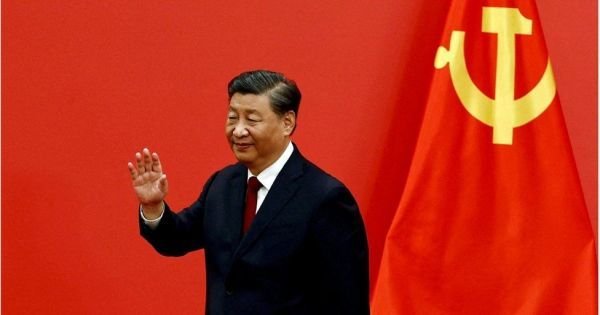
    China’s President Xi Jinping has called for the renminbi to achieve global reserve currency status, “a powerful currency” according to remarks published on Saturday in Qiushi, the Chinese Communist Party’s flagship ideology journal.

     The commentary, adapted from a speech Xi delivered to regional officials in 2024, defines what Beijing means by a “strong currency” in functional rather than symbolic terms. Xi stated that China needs to develop “a powerful currency that can be widely used in international trade, investment and foreign exchange markets, and attain reserve currency status”, in other words an explicit challenge of the US dollar’s dominance.

    Beyond currency rhetoric, Xi outlined three core institutional pillars required to support reserve status. First, China needs “a powerful central bank” capable of effective monetary management and capable of attracting global capital. Second, the country must develop globally competitive financial institutions. Third, cities like Shanghai and Shenzhen must evolve into genuine international financial centers able to “attract global capital and exert influence over global pricing.”

    The timing of the announcement is strategically significant. It coincides with notable weakness in the US dollar, which has fallen to a four-year low, and comes amid heightened global monetary uncertainty with central banks reassessing their exposure to dollar assets.

    In effect President Donald Trump’s trade policies, Federal Reserve leadership transition, and rising international frictions have created what Beijing perceives as an opportune moment. Trump has announced his new candidate as chair of the Federal Reserve, Kevin Warsh, and in a release from the White House describes the nominee as “exceptionally well-prepared to lead the world’s most influential central bank, with a distinguished background including degrees from Stanford University and Harvard Law School, prior roles as a Morgan Stanley executive and top economic advisor to the Bush Administration, and service as the youngest-ever Federal Reserve Governor — where he helped steer the institution through the 2008 financial crisis”

     However despite Xi’s ambitious vision, the renminbi’s current role in the global financial system remains modest. According to International Monetary Fund data from the third quarter of 2025, the yuan’s share of global reserves stood at 1.93%. This pales in comparison to the U.S. dollar, which accounted for approximately 57% of global reserves (down from 71% in 2000), and the euro at roughly 20%.

    The renminbi has made significant inroads in specific areas. Since Russia’s full-scale invasion of Ukraine in 2022, it has become the world’s second-largest trade finance currency. The Russia-Ukraine conflict fundamentally accelerated de-dollarization efforts as Western sanctions pushed Russia and its trading partners toward alternative payment systems. Yet despite progress in trade settlement, the currency’s role in official global reserves remains minimal.

    Han Shen Lin of The Asia Group clarified Beijing’s immediate objectives: “Beijing wants the yuan to be a serious global currency—not necessarily to replace the dollar overnight, but to be a strategic counterweight that limits US leverage in a fracturing financial order.” This pragmatic approach acknowledges both the dollar’s entrenched position and China’s own structural constraints.

    As to Kevin Warsh, he was once referred to as an inflation “hawk”, a banker who prioritizes fighting inflation, compared to a “dove” who prioritizes growth and jobs.

    From Warsh’s previous time at the Federal Reserve, he established a strong reputation as an inflation hawk. Even in the aftermath of the global financial crisis of 2008, Warsh was more worried about inflation than jobs.

    Given Trump’s past conflict with the current Fed chairman Jerome Powell around cutting interest rates, Warsh seems somehow curious. But it is also true that in recent months Warsh has moderated his views, echoing Trump’s criticism of the Fed and demands for lower interest rates.


    Source link

  • UK loses measles elimination status, WHO reports — MercoPress

    UK loses measles elimination status, WHO reports — MercoPress


    UK loses measles elimination status, WHO reports

    Monday, February 2nd 2026 – 17:58 UTC


     NHS is making vaccination easier, offering the second MMRV dose earlier at a new 18-month appointment to boost uptake and support elimination goals
    NHS is making vaccination easier, offering the second MMRV dose earlier at a new 18-month appointment to boost uptake and support elimination goals

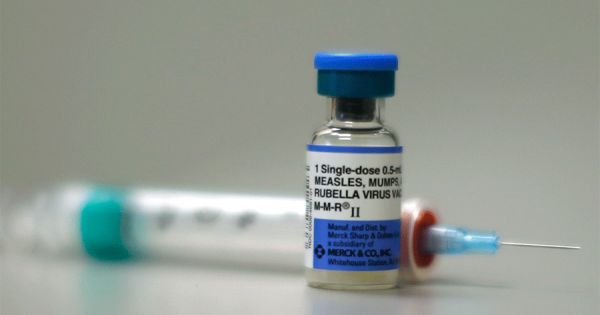
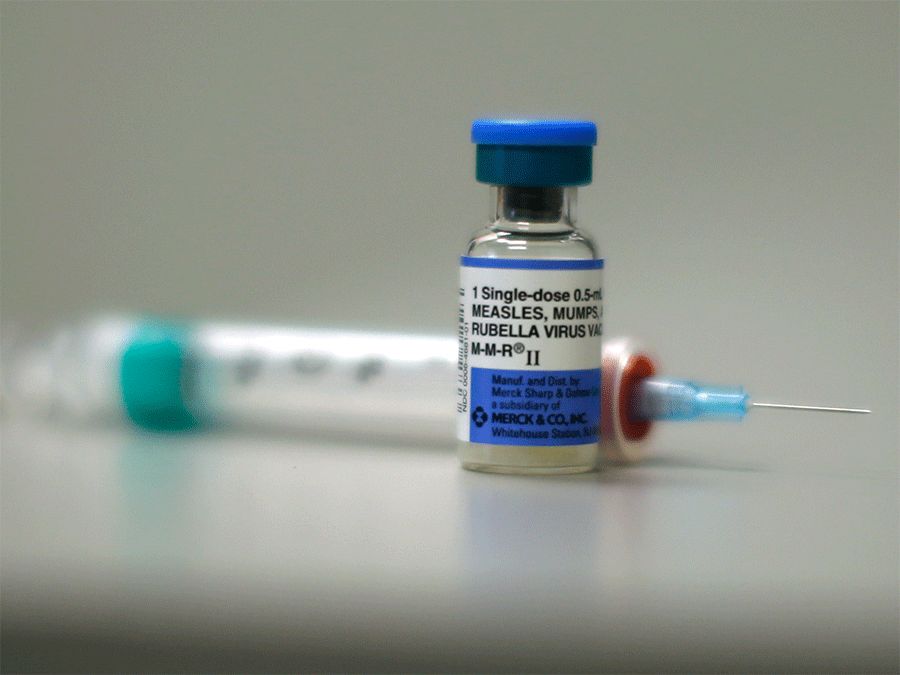
    The United Kingdom has lost its measles elimination status, the World Health Organization has announced. The move was based on the spread of cases in 2024 when there were 3,600 suspected cases. However elimination status means there is no sustained transmission so this decision was largely expected, given the scale of the outbreaks in 2024.

    There were more than 1,000 cases last year as well. The move is also a reflection of the fact vaccination rates are below the 95% threshold required to achieve herd immunity – when enough people in a community are vaccinated against a disease, making it hard for the pathogen to spread.

    The UK was first declared measles-free in 2017, but lost the status two years later, before regaining it after spread of the virus was almost halted completely in 2021 – although that was mainly because social distancing during the pandemic.

    Outbreaks in late 2023 meant measles started spreading more quickly again, leading to the surge in cases in 2024. Vaccination uptake at the end of 2024 was 92% for the first dose and just below 85% for the second dose.

    Dr Vanessa Saliba, consultant epidemiologist at UKHSA, said: “Infections can return quickly when childhood vaccine uptake falls – measles elimination is only possible if all eligible children receive two MMRV doses before school.

    ”The NHS is making vaccination easier, including offering the second MMRV dose earlier at a new 18-month appointment to boost uptake and support elimination goals.“

    She said older children and adults could still get vaccinated as the NHS offered catch-up jabs.

    Dr Bharat Pankhania, from the University of Exeter, said: ”Measles is an infection that can be prevented by vaccine – and it’s extremely concerning that in the UK we now have pockets of low or no vaccine uptake. We urgently need to remedy this situation.”

    WHO describes measles is one of the world’s most contagious diseases, spread by contact with infected nasal or throat secretions (coughing or sneezing) or breathing the air that was breathed by someone with measles. The virus remains active and contagious in the air or on infected surfaces for up to two hours. For this reason, it is very infectious. One person infected by measles can generate up to 18 secondary infections.

    It can be transmitted by an infected person from four days prior to the onset of the rash to four days after the rash erupts.

    Measles outbreaks can result in severe complications and deaths, especially among young, malnourished children. In countries close to measles elimination, cases imported from other countries remain an important source of infection. (BBC,WHO)./


    Source link

  • Falklands, 4 PARA current Roulement Infantry Company at BFSAI — MercoPress

    Falklands, 4 PARA current Roulement Infantry Company at BFSAI — MercoPress


    Falklands, 4 PARA current Roulement Infantry Company at BFSAI

    Monday, February 2nd 2026 – 18:07 UTC


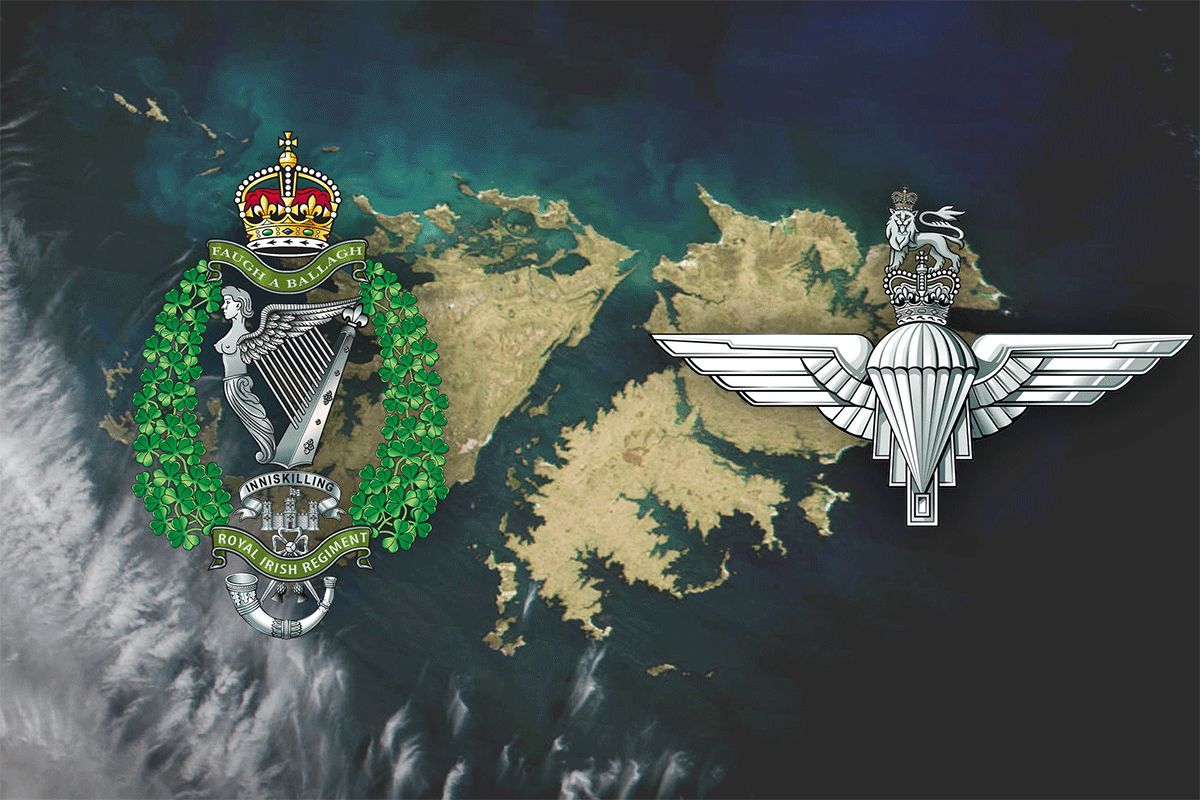
     The crests of the two Regiments involved, The Royal Irish and 4 PARAS
    The crests of the two Regiments involved, The Royal Irish and 4 PARAS

    The Parachute Regiment (4 PARA), 4th Battalion have officially taken over from B Company, 1st Battalion, The Royal Irish Regiment (1 R IRISH) as the British Forces South Atlantic Islands (BFSAI) Roulement Infantry Company (RIC), located at MPC, Falkland Islands.

     This handover marks the conclusion of a highly successful three month deployment for 1 R IRISH, during which they operated across the full breadth of the Joint Operational Area (JOA). Their commitment saw patrols conducted throughout the Falkland Islands, Ascension Island, and the first patrol of South Georgia since 2023, demonstrating flexibility, professionalism, and operational excellence in a demanding environment, in what wa named Operation Sothern Sovereignty.

    The incoming Officer Commanding RIC said: “The Parachute Regiment is proud to once again have its officers and soldiers operating on the Falkland Islands. We look forward to maintaining the strong friendships forged by our predecessors and to demonstrating ourselves as a trusted and reliable force to be reckoned with. We intend to exploit every aspect of the fantastic opportunity that serving in the South Atlantic Islands provides and, as always, remain Utrinque Paratus. ”

    Utrinque Paratus is a Latin phrase meaning “Ready for Anything,” serving as the official motto of The Prachute Regiment of the British Army. It signifies the elite unit’s ability to operate in any environment and to be prepared for any situation or contingency.

    In relates news, as part of the induction process, Members of the Falkland Islands Legislative Assembly recently visited BFSAI, meeting with personnel from a wide range of units across the station.

    The visit provided a valuable opportunity to showcase our people and capabilities, while strengthening important relationships with local partners. Thank you to everyone involved in supporting a successful engagement


    Source link

Translate »