Category: Home

  • Uruguay’s Orsi heads to China with large delegation to deepen trade and strategic ties — MercoPress
    Uruguay’s Orsi heads to China with large delegation to deepen trade and strategic ties — MercoPress


    Uruguay’s Orsi heads to China with large delegation to deepen trade and strategic ties

    Friday, January 30th 2026 – 05:35 UTC


    Uruguay’s Orsi heads to China with large delegation to deepen trade and strategic ties
    Uruguay’s Orsi heads to China with large delegation to deepen trade and strategic ties

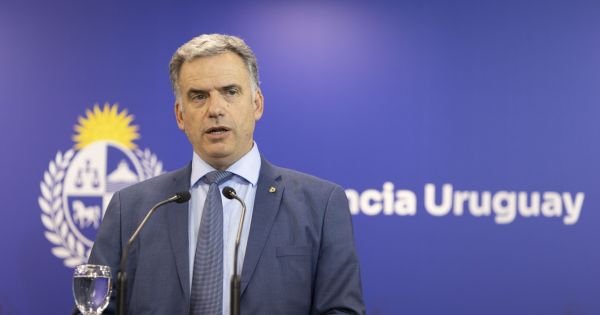
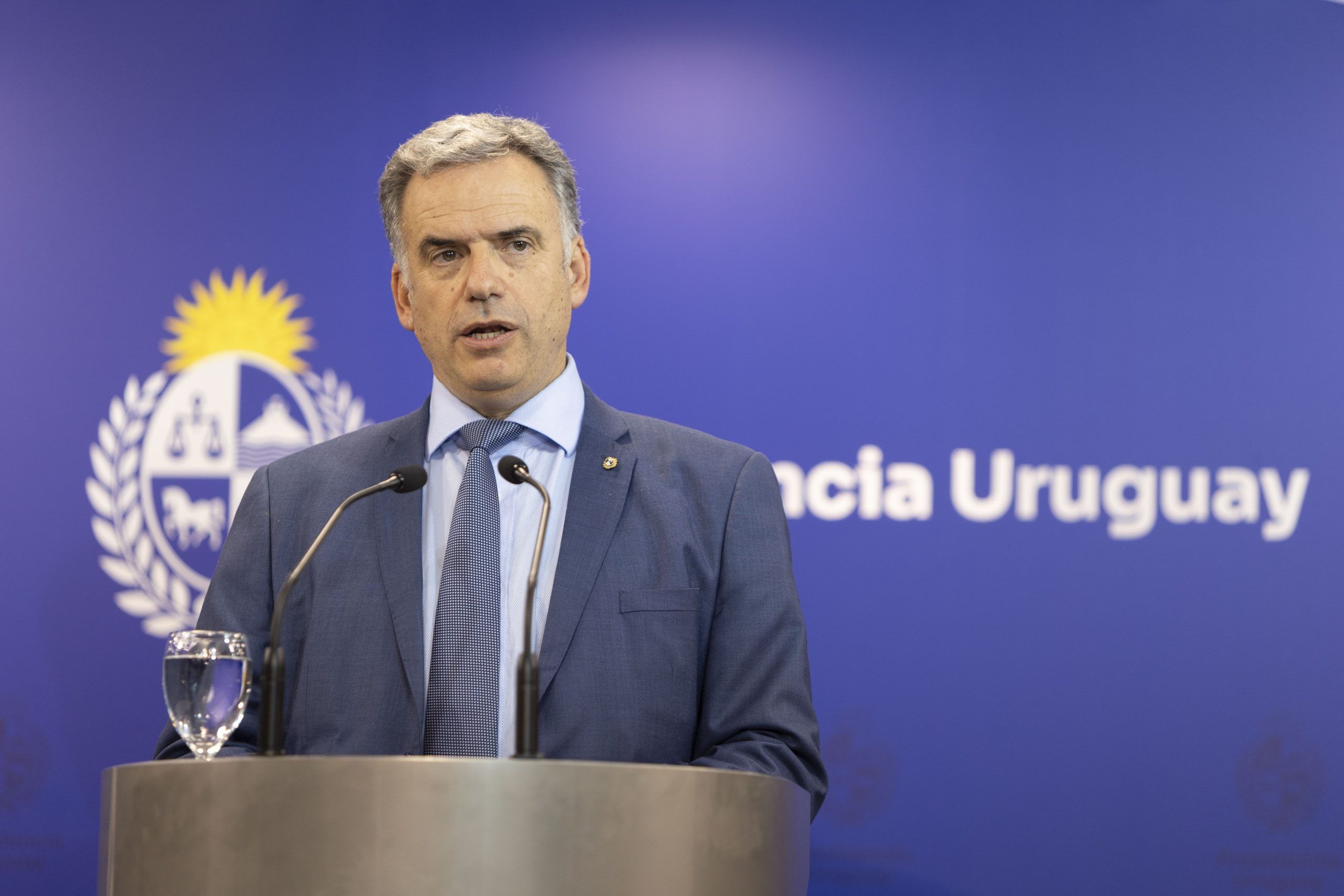
    Uruguayan President Yamandú Orsi has departed for China at the head of a roughly 150-strong delegation, framing the trip as a bid to “increase commercial and economic development” with Uruguay’s top trading partner. Before leaving, Orsi formally handed executive authority to Vice President Carolina Cosse, while the mission’s schedule in Beijing and Shanghai blends top-level political meetings with trade promotion and academic cooperation.

    The trip’s centrepiece is Orsi’s meeting with President Xi Jinping on Tuesday, 3 February—timed to mark the 38th anniversary of diplomatic relations between Uruguay and China, according to the official programme cited by EFE. A signing ceremony is expected to follow, covering areas such as trade, agriculture, innovation, science and logistics.

    Foreign Minister Mario Lubetkin emphasised the size and composition of the delegation as a deliberate signal to both Beijing and domestic stakeholders, noting that more than a hundred participants are private-sector business leaders. The itinerary also includes high-visibility cultural and protocol stops—the Museum of the Communist Party of China’s History, the Great Wall and the Forbidden City—before shifting to Shanghai for meetings with local authorities, a port visit and a trade-and-investment promotion seminar.

    A major strand of the visit involves university and technology partnerships. Uruguay’s flagship public university, the Universidad de la República (Udelar), said it will sign agreements and memorandums with Chinese universities, Huawei, and a Chinese research institute focused on water resources and hydropower. The projects range from student and academic exchanges to joint labs and applied artificial intelligence in health-related fields.

    The economic rationale is straightforward. China has become Uruguay’s leading export destination and accounted for roughly a quarter of Uruguay’s goods exports in 2025, according to figures cited by EFE and Uruguay XXI. Uruguay’s shipments to China are concentrated in agro-industrial staples—wood pulp, beef and soybeans—key sources of foreign currency and rural employment.

    But the trip also lands in a more complex trade environment. Reuters has reported that China moved to apply safeguard-style measures from 2026, including additional tariffs on beef imports above quota levels—policy changes closely watched by major South American suppliers. AFP also reported on the tightening framework affecting beef trade at the start of 2026. For Uruguay, where China absorbs a significant share of beef exports, shifts in Chinese import rules or demand can quickly translate into price and volume volatility.

    Geopolitically, Montevideo is trying to deepen ties with Beijing while preserving room to manoeuvre in an increasingly polarised landscape. Reuters has described China’s broader push in Latin America through financing and cooperation packages discussed at regional forums, running alongside renewed strategic competition with Washington. Orsi’s delegation is designed to convert that macro trend into concrete deals—trade-led diplomacy, backed by business, universities and a state-to-state message of continuity.
    Source link

  • Argentina’s central bank extends dollar-buying streak, pushing reserves to a Milei-era high — MercoPress

    Argentina’s central bank extends dollar-buying streak, pushing reserves to a Milei-era high — MercoPress


    Argentina’s central bank extends dollar-buying streak, pushing reserves to a Milei-era high

    Friday, January 30th 2026 – 09:30 UTC


    A notable tailwind has been the mark-to-market boost from gold holdings, as bullion rallied amid global volatility
    A notable tailwind has been the mark-to-market boost from gold holdings, as bullion rallied amid global volatility

    Argentina’s central bank (BCRA) posted another net purchase in the foreign-exchange market on Thursday, buying US$52 million and logging a 19-session streak of net buying, according to figures reported by local media. Over that run, the bank accumulated US$1.134 billion, while gross reserves rose to US$46.24 billion, the highest level since 2021 and the strongest reading since President Javier Milei took office.

    The accumulation comes at the start of what officials describe as “phase 4” of the economic program, built around reserve-building alongside an exchange-rate framework with bands and intervention rules. The BCRA has set a daily cap of 5% of traded volume in the official FX market for its purchases, while also allowing for direct, off-market transactions with counterparties to avoid disrupting market functioning.

    A notable tailwind has been the mark-to-market boost from gold holdings, as bullion rallied amid global volatility. Gold hit new all-time highs above US$4,700 an ounce in January, lifting the valuation of reserve assets for holders worldwide.

    Beyond valuation effects, analysts point to stronger dollar supply from agro-export settlements and corporate external funding, alongside softer demand for hard currency. In comments carried by Infobae, Adcap’s research head Federico Filippini said recent sessions showed slower FX buying “as liquidity increased significantly,” linking the shift to unsterilized purchases and warning that Treasury–central bank coordination becomes more important when liquidity rises quickly.

    Looking ahead, Reuters reported that under the updated monetary framework, the BCRA aims to buy up to US$10 billion in 2026, with total reserve accumulation potentially reaching US$17 billion depending on balance-of-payments flows—an effort Reuters said aligns with IMF calls to rebuild reserve buffers as Argentina seeks a more durable return to capital markets.

    Markets have also tracked the drop in country risk, which Milei highlighted this week after the benchmark slipped below 500 points. But El País (Argentina) noted that the headline record refers to gross reserves, while net reserves—the portion effectively available to the central bank—remain a key watchpoint for investors.

    Argentina repaid funds drawn from a U.S. credit line, a step framed by Washington as supportive of confidence-building. The same report cautioned that upcoming IMF repayments and other debt obligations will continue to test Argentina’s external liquidity position.


    Source link

  • UK Ambassador at inauguration of Honduras president Nasry Asfura — MercoPress

    UK Ambassador at inauguration of Honduras president Nasry Asfura — MercoPress


    UK Ambassador at inauguration of Honduras president Nasry Asfura

    Thursday, January 29th 2026 – 10:01 UTC


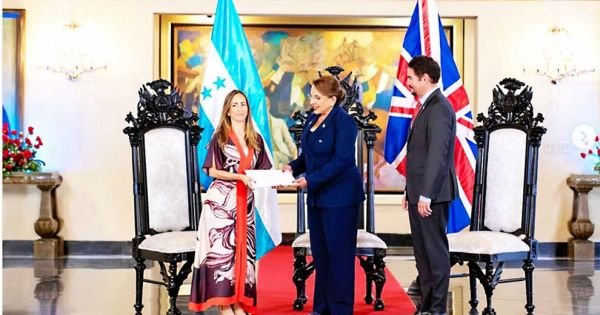
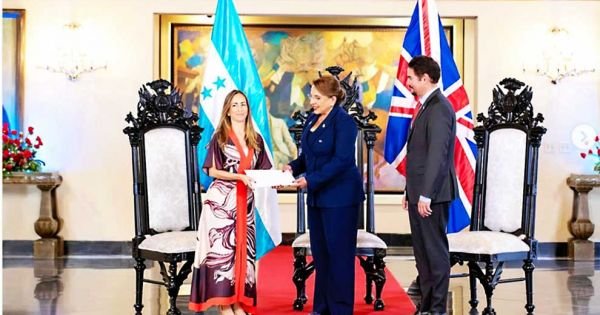
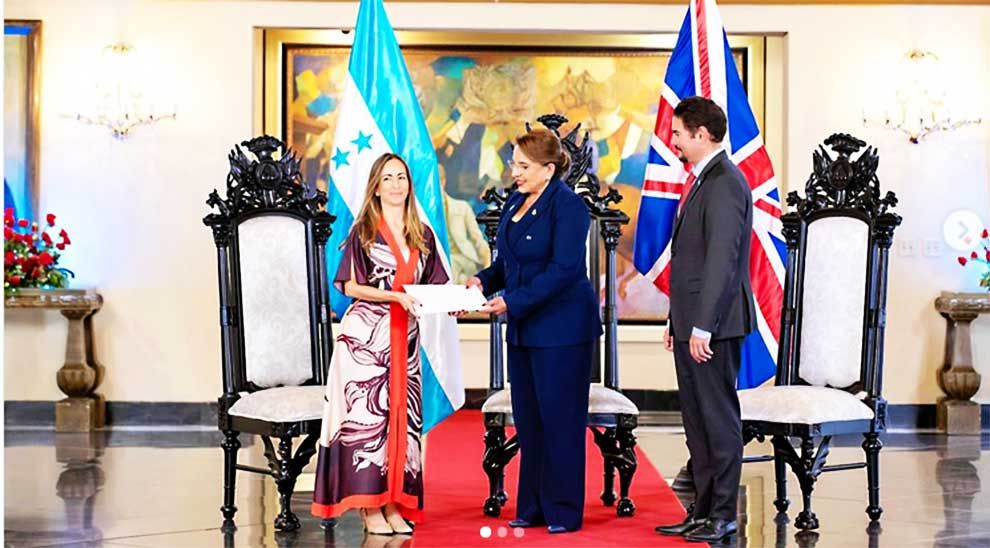
    Ambassador Correa delivered a letter from King Charles III to President Asfura
    Ambassador Correa delivered a letter from King Charles III to President Asfura

    The British Ambassador to Honduras, Juliana Correa, attended the inauguration of President Nasry Asfura on 27 January at the National Congress. During the ceremony, Ambassador Correa delivered a letter from His Majesty King Charles III to President Asfura, reaffirming the UK’s commitment to strengthening political dialogue and advancing shared priorities, including democratic stability, sustainable development, and social wellbeing. 

     As part of her visit, the Ambassador met with senior authorities, including Foreign Minister Mireya Agüero, Central District Mayor Juan Diego Zelaya and National Electoral Council President Ana Paola Hall. 

    Discussions focused on expanding cooperation in governance, rule of law, risk management, trade, environmental protection, and institutional strengthening. She also reiterated the UK’s recognition of Honduras’ recent electoral processes and its support for transparent and inclusive democratic governance. 

    The Embassy highlighted the UK’s long-standing engagement in Honduras through environmental conservation programs, humanitarian response efforts, responsible investment, and the Chevening Scholarship, which continues to provide professional development opportunities for Honduran leaders. 

    The United Kingdom reaffirms its readiness to work closely with the new administration to advance a modern, constructive, and results-oriented partnership that benefits both countries—particularly the most vulnerable communities in Honduras.


    Source link

  • South Georgia opens license application for 2026 toothfish fisheries — MercoPress

    South Georgia opens license application for 2026 toothfish fisheries — MercoPress


    South Georgia opens license application for 2026 toothfish fisheries

    Thursday, January 29th 2026 – 09:18 UTC


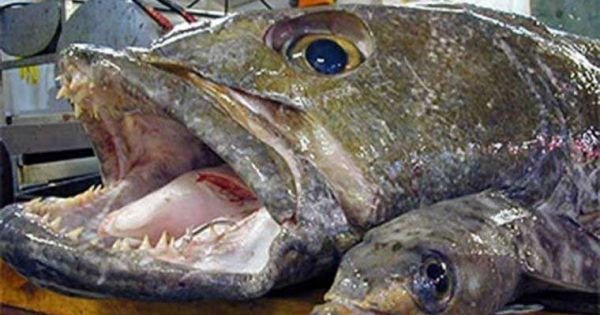
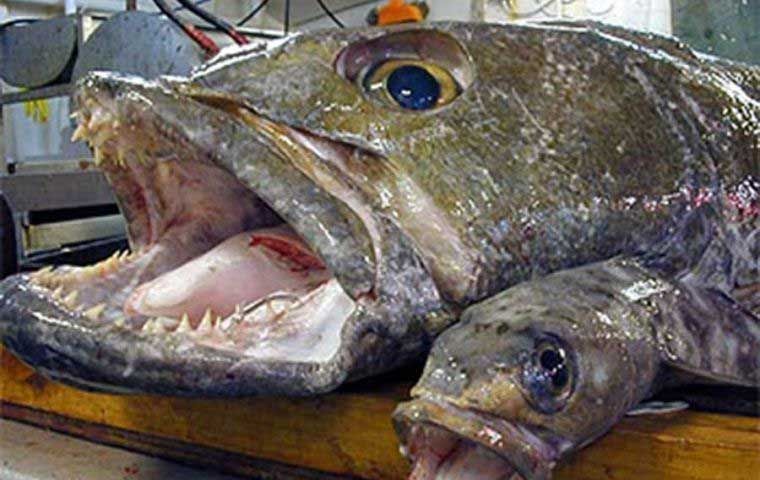
    The South Georgia toothfish (Dissostichus eleginoides) fishery is a highly regulated, MSC-certified longline fishery
    The South Georgia toothfish (Dissostichus eleginoides) fishery is a highly regulated, MSC-certified longline fishery

    The Government of South Georgia and South Sandwich Islands, GSGSSI has announced the opening of the license application round for the 2026 South Georgia & the South Sandwich Islands toothfish fisheries.

     For details on how to apply please contact the Director of Fisheries by email – dof(at)gov.gs

    The South Georgia toothfish (Dissostichus eleginoides) fishery is a highly regulated, MSC-certified longline fishery, often operating with a precautionary Total Allowable Catch (TAC) around 2,170 tons. The fishery is managed under CCAMLR regulations, with strict monitoring for bycatch and, uses bottom-set longlines.

     The fishery is specialized and highly targeted to avoid bycatch, with longlines restricted to depths between 700m and 2250m to protect younger fish and vulnerable habitats.


    Source link

  • UK Ambassador at inauguration of Honduras president Nasry Asfura — MercoPress

    UK Ambassador at inauguration of Honduras president Nasry Asfura — MercoPress


    UK Ambassador at inauguration of Honduras president Nasry Asfura

    Thursday, January 29th 2026 – 10:01 UTC


    Ambassador Correa delivered a letter from King Charles III to President Asfura
    Ambassador Correa delivered a letter from King Charles III to President Asfura

    The British Ambassador to Honduras, Juliana Correa, attended the inauguration of President Nasry Asfura on 27 January at the National Congress. During the ceremony, Ambassador Correa delivered a letter from His Majesty King Charles III to President Asfura, reaffirming the UK’s commitment to strengthening political dialogue and advancing shared priorities, including democratic stability, sustainable development, and social wellbeing. 

     As part of her visit, the Ambassador met with senior authorities, including Foreign Minister Mireya Agüero, Central District Mayor Juan Diego Zelaya and National Electoral Council President Ana Paola Hall. 

    Discussions focused on expanding cooperation in governance, rule of law, risk management, trade, environmental protection, and institutional strengthening. She also reiterated the UK’s recognition of Honduras’ recent electoral processes and its support for transparent and inclusive democratic governance. 

    The Embassy highlighted the UK’s long-standing engagement in Honduras through environmental conservation programs, humanitarian response efforts, responsible investment, and the Chevening Scholarship, which continues to provide professional development opportunities for Honduran leaders. 

    The United Kingdom reaffirms its readiness to work closely with the new administration to advance a modern, constructive, and results-oriented partnership that benefits both countries—particularly the most vulnerable communities in Honduras.


    Source link

  • UK leader Farage pledges amnesty for convicted Troubles’ veterans under Reform government — MercoPress

    UK leader Farage pledges amnesty for convicted Troubles’ veterans under Reform government — MercoPress


    UK leader Farage pledges amnesty for convicted Troubles’ veterans under Reform government

    Thursday, January 29th 2026 – 09:46 UTC


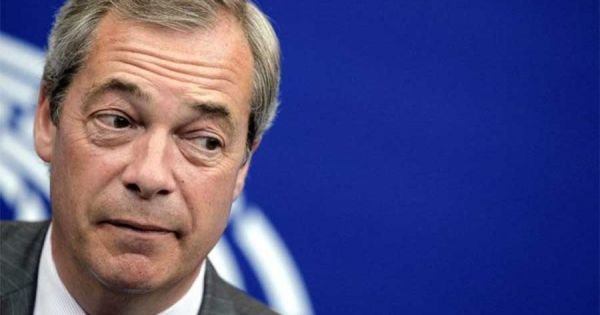
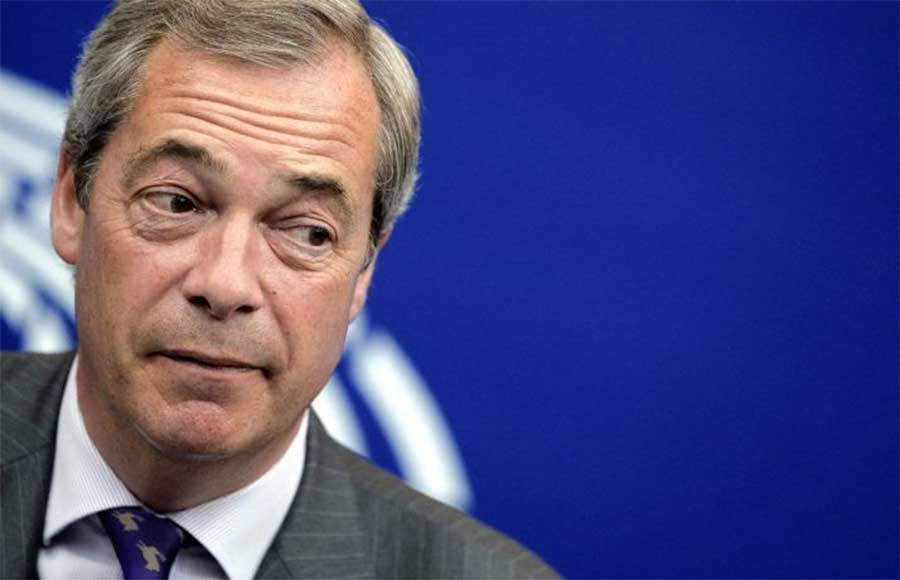
    Reform UK leader Mr Nigel Farage promised to end any ongoing prosecutions of British veterans for their roles in Northern Ireland
    Reform UK leader Mr Nigel Farage promised to end any ongoing prosecutions of British veterans for their roles in Northern Ireland

    British military veterans convicted for their roles during the Troubles in Northern Ireland would be pardoned under a Reform UK government, Nigel Farage has said.

    In a report by Tom Sables from Forces.net, the party leader’s promise came during an event in London to launch the Veterans for Reform party group, with improvements to post-service housing and mental health provision said to be on top of the checklist if the party came into power.

    Speaking before a London audience with representation from the forces community, party chairman David Bull described the current treatment of former personnel as “totally and utterly unacceptable”, before he introduced Mr. Farage.

    Mr. Farage, took aim at prosecutions, saying: “Not just of people who did their job in very, very tense, difficult and dangerous circumstances in Northern Ireland up to half a century ago – but now they’re going after our special forces.

    ”They’re after the SAS for virtually any action that took place in Afghanistan or Iraq,“ he said.

    The party leader said he’d end prosecutions of this nature against veterans through legislation or the royal prerogative of mercy, and stop future legal action.

    Earlier this month, MPs voted to remove a measure providing conditional immunity from prosecutions for Troubles-era crimes from the previous Conservative government’s Legacy Act.

    Immunity from prosecution was offered to anyone accused of crimes during the Troubles in Northern Ireland if they provided information to a truth recovery body.

    While the Legacy Act was approved in 2023, it was not enacted; the High Court in Belfast ruled parts of the act were incompatible with the European Convention on Human Rights in 2024.

    The then-Conservative government began the process of appealing the High Court decision, but this was dropped by Labour ministers after the 2024 general election.

    Labour is repealing the act and replacing it with new legislation, meaning some inquests into events will resume. 

    Last September, the UK and Ireland jointly announced the creation of a Legacy Commission, a collaborative framework to scrutinize the implications of the Troubles and find answers for families who lost loved ones. 

    Under the framework, inquests that had commenced but not been completed before the Legacy Act came into force last year will be restored.

    ”I promise you that a Reform government will end all of these vexatious claims taken against our veterans from conflict after conflict,” Mr. Farage told the London audience.

    More than 3,500 people died during 30 years of bloodshed and bombings known as the Troubles, which began in January 1969 when the UK government sent troops to Northern Ireland.

    Labour’s Legacy Commission framework involves Irish authorities cooperating with UK investigations and introduces a new package of protections for Northern Ireland veterans.

    This includes protections against repeated investigations, under which the commission has a statutory duty not to duplicate the work of any previous investigations unless there are compelling reasons to do so.


    Source link

  • UK and Chilean air forces share Operation ‘Austral Endurance’ in Antarctica — MercoPress

    UK and Chilean air forces share Operation ‘Austral Endurance’ in Antarctica — MercoPress


    UK and Chilean air forces share Operation ‘Austral Endurance’ in Antarctica

    Thursday, January 29th 2026 – 09:36 UTC


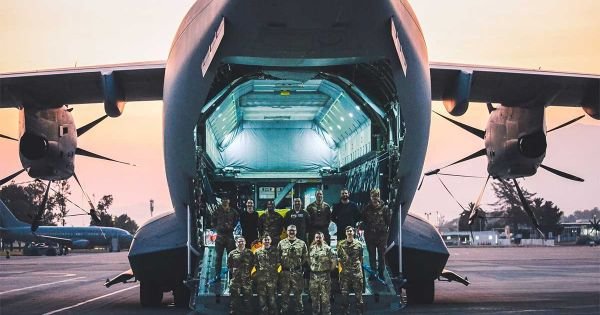
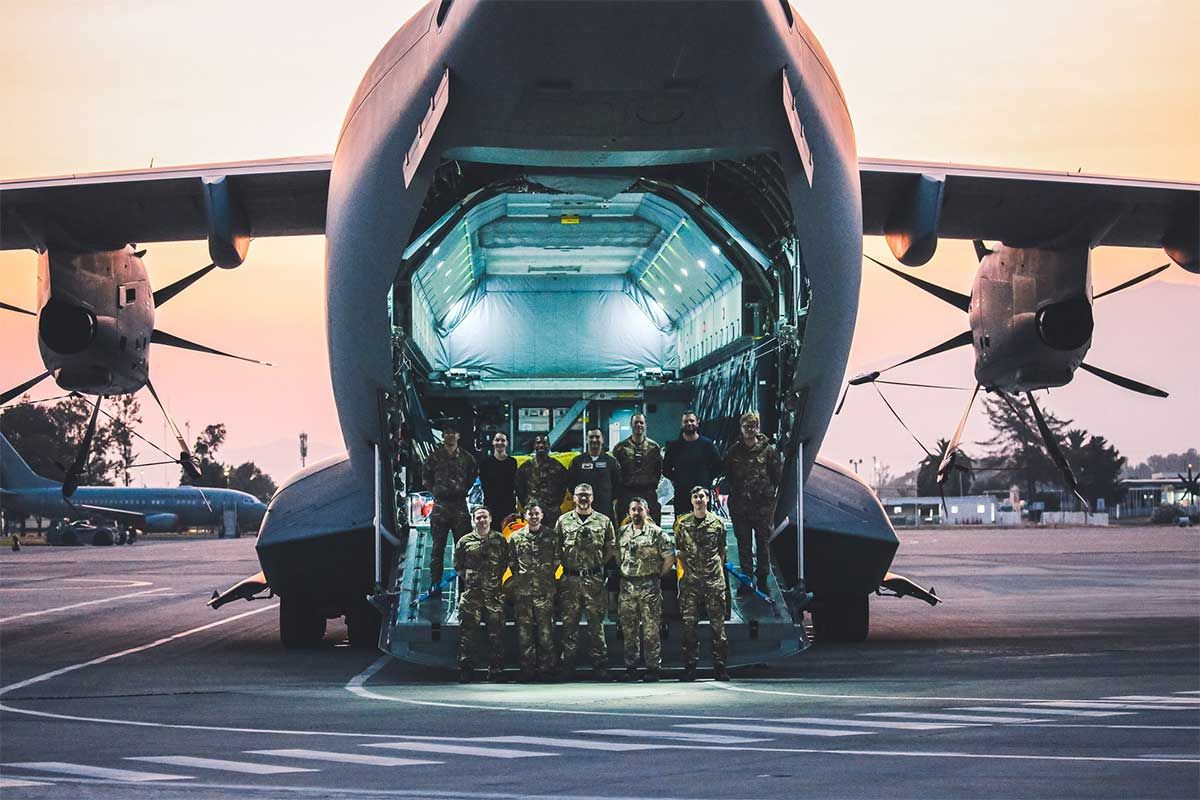
    Crew of one of the crew involved in the Austral Endurance Operation (Pic Flt Lt Leggott)
    Crew of one of the crew involved in the Austral Endurance Operation (Pic Flt Lt Leggott)

    British Forces South Atlantic Islands, BFSAI, stationed at the Falkland Islands have completed Operation ‘Austral Endurance’, strengthening the UK’s ability to operate safely and responsibly in the Antarctic.

     Working alongside the Chilean Air Force and UK partners, the mission supported Antarctic science, flight safety and international cooperation—fully in line with the Antarctic Treaty.

    Flying from Chile into the Antarctic region, an RAF A400M overflew British Antarctic Survey sites and integrated with RRS Sir David Attenborough at sea, demonstrating effective air–maritime cooperation in challenging conditions.

    Enabled by RAF Voyager airtoair refueling, the operation showcased the reach, resilience and professionalism required to support UK scientific activity at the end of the world. BFSAI thanks partners in Chile, BAS, and all air and maritime crews involved.


    Source link

  • Latin American presidents seek common ground as regional blocs weaken — MercoPress

    Latin American presidents seek common ground as regional blocs weaken — MercoPress


    Latin American presidents seek common ground as regional blocs weaken

    Thursday, January 29th 2026 – 05:29 UTC


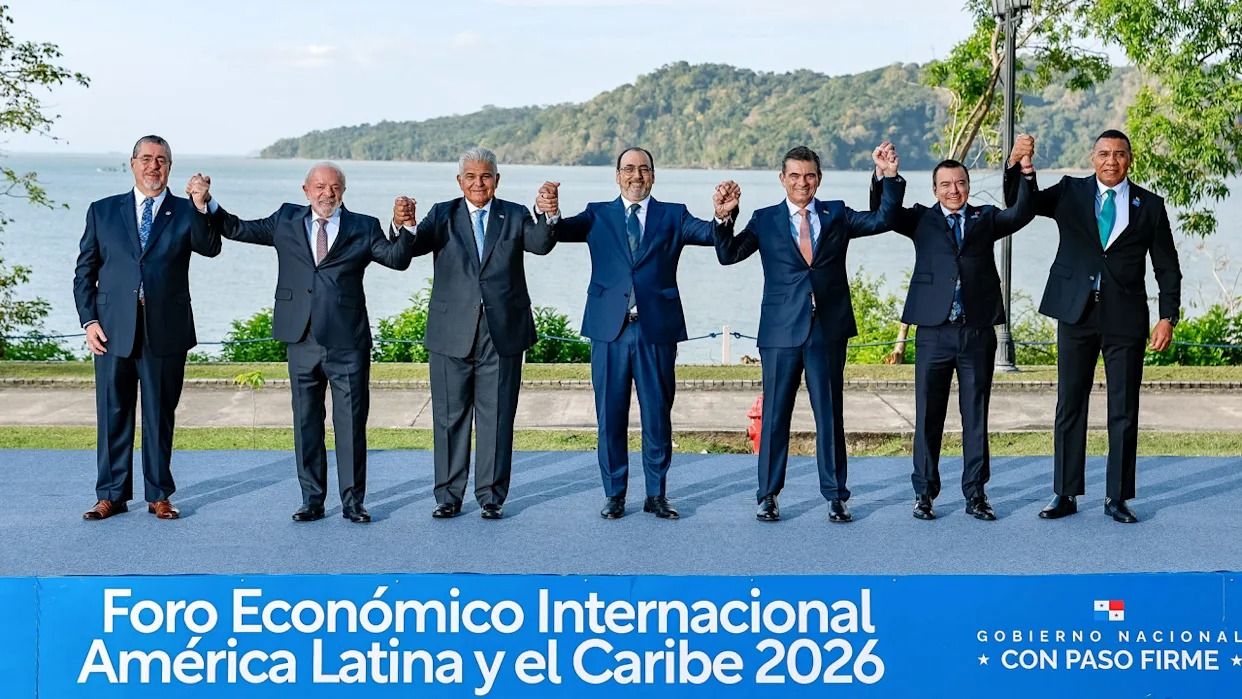
    Bernardo Arévalo, Luiz Inácio Lula da Silva, José Raúl Mulino, Sergio Díaz-Granados, Rodrigo Paz, Daniel Noboa and Andrew Holness.
    Bernardo Arévalo, Luiz Inácio Lula da Silva, José Raúl Mulino, Sergio Díaz-Granados, Rodrigo Paz, Daniel Noboa and Andrew Holness.

    Seven sitting heads of government and one president-elect from Latin America and the Caribbean shared the stage in Panama on Wednesday to call for deeper regional integration, an increasingly rare show of cross-ideological alignment in a polarized region. The message was delivered at the International Economic Forum Latin America and the Caribbean, backed by CAF and designed as a high-level convening point for governments, business leaders and multilaterals.

    Brazil’s President Luiz Inácio Lula da Silva, the main speaker, said “no country can solve its problems alone,” arguing the region is living through “one of the biggest setbacks” in integration. He criticised the weakness of regional mechanisms and pointed to CELAC’s paralysis and thin top-level attendance at recent summits as symptoms of fragmentation.

    CAF executive president Sergio Díaz-Granados framed the turnout —with large international delegations— as a political signal amid what he described as a fracture in the rules-based system, insisting Latin America is “not a marginal player” in the global chessboard.

    Geopolitics and security featured prominently. Colombia’s President Gustavo Petro delivered the sharpest warning, saying: “We don’t want missiles over Caracas or any other country in the Americas,” reflecting broader regional unease after Venezuela’s crisis. Ecuador’s President Daniel Noboa, without engaging Petro’s public invitation to address bilateral tensions, focused on cross-border security and urged a coordinated approach to criminal networks operating “from country to country.”

    Panama’s President José Raúl Mulino, Guatemala’s President Bernardo Arévalo, Bolivia’s President Rodrigo Paz, Jamaica’s Prime Minister Andrew Holness, and Chile’s president-elect José Antonio Kast also attended. Kast argued the region must “cross borders” —including ideological ones— and warned that “fragmentation weakens us.”

    No binding political commitments emerged, but the economic backdrop reinforced the repeated “regional bloc” argument. In Uruguay, competitiveness concerns have intensified alongside a weak dollar: the Economy and Finance Ministry has announced measures aimed at cushioning the impact of global dollar softness on exporters and on sectors competing with imports.

    Uruguay’s trade profile underlines why external coordination keeps returning to the agenda. Uruguay XXI reported goods exports of US$ 13.493 billion in 2025 —a decade high— with China as the top destination and Brazil a key partner, leaving the economy exposed to global shifts and regional decisions alike.

    Against that backdrop, the EU-Mercosur trade agreement signed on Jan. 17 —still awaiting ratification and facing political pushback in Europe— has been treated by governments and analysts as a test case for how far coordinated regional strategy can go on trade and investment, regardless of domestic ideological cycles.


    Source link

  • Latin American presidents seek common ground as regional blocs weaken — MercoPress

    Latin American presidents seek common ground as regional blocs weaken — MercoPress


    Latin American presidents seek common ground as regional blocs weaken

    Thursday, January 29th 2026 – 05:29 UTC


    Bernardo Arévalo, Luiz Inácio Lula da Silva, José Raúl Mulino, Sergio Díaz-Granados, Rodrigo Paz, Daniel Noboa and Andrew Holness.
    Bernardo Arévalo, Luiz Inácio Lula da Silva, José Raúl Mulino, Sergio Díaz-Granados, Rodrigo Paz, Daniel Noboa and Andrew Holness.

    Seven sitting heads of government and one president-elect from Latin America and the Caribbean shared the stage in Panama on Wednesday to call for deeper regional integration, an increasingly rare show of cross-ideological alignment in a polarized region. The message was delivered at the International Economic Forum Latin America and the Caribbean, backed by CAF and designed as a high-level convening point for governments, business leaders and multilaterals.

    Brazil’s President Luiz Inácio Lula da Silva, the main speaker, said “no country can solve its problems alone,” arguing the region is living through “one of the biggest setbacks” in integration. He criticised the weakness of regional mechanisms and pointed to CELAC’s paralysis and thin top-level attendance at recent summits as symptoms of fragmentation.

    CAF executive president Sergio Díaz-Granados framed the turnout —with large international delegations— as a political signal amid what he described as a fracture in the rules-based system, insisting Latin America is “not a marginal player” in the global chessboard.

    Geopolitics and security featured prominently. Colombia’s President Gustavo Petro delivered the sharpest warning, saying: “We don’t want missiles over Caracas or any other country in the Americas,” reflecting broader regional unease after Venezuela’s crisis. Ecuador’s President Daniel Noboa, without engaging Petro’s public invitation to address bilateral tensions, focused on cross-border security and urged a coordinated approach to criminal networks operating “from country to country.”

    Panama’s President José Raúl Mulino, Guatemala’s President Bernardo Arévalo, Bolivia’s President Rodrigo Paz, Jamaica’s Prime Minister Andrew Holness, and Chile’s president-elect José Antonio Kast also attended. Kast argued the region must “cross borders” —including ideological ones— and warned that “fragmentation weakens us.”

    No binding political commitments emerged, but the economic backdrop reinforced the repeated “regional bloc” argument. In Uruguay, competitiveness concerns have intensified alongside a weak dollar: the Economy and Finance Ministry has announced measures aimed at cushioning the impact of global dollar softness on exporters and on sectors competing with imports.

    Uruguay’s trade profile underlines why external coordination keeps returning to the agenda. Uruguay XXI reported goods exports of US$ 13.493 billion in 2025 —a decade high— with China as the top destination and Brazil a key partner, leaving the economy exposed to global shifts and regional decisions alike.

    Against that backdrop, the EU-Mercosur trade agreement signed on Jan. 17 —still awaiting ratification and facing political pushback in Europe— has been treated by governments and analysts as a test case for how far coordinated regional strategy can go on trade and investment, regardless of domestic ideological cycles.


    Source link

  • Petro revives anti-Trump rhetoric, urges U.S. to “return” Maduro ahead of Feb. 3 White House meeting — MercoPress

    Petro revives anti-Trump rhetoric, urges U.S. to “return” Maduro ahead of Feb. 3 White House meeting — MercoPress


    Petro revives anti-Trump rhetoric, urges U.S. to “return” Maduro ahead of Feb. 3 White House meeting

    Wednesday, January 28th 2026 – 22:52 UTC


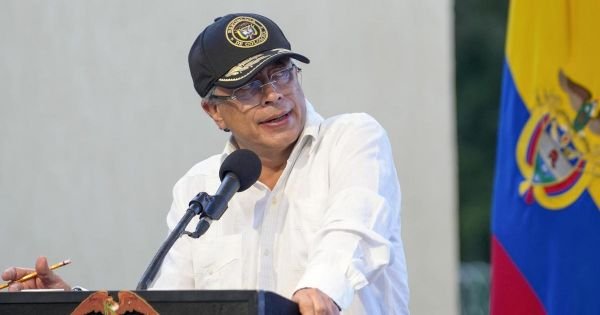
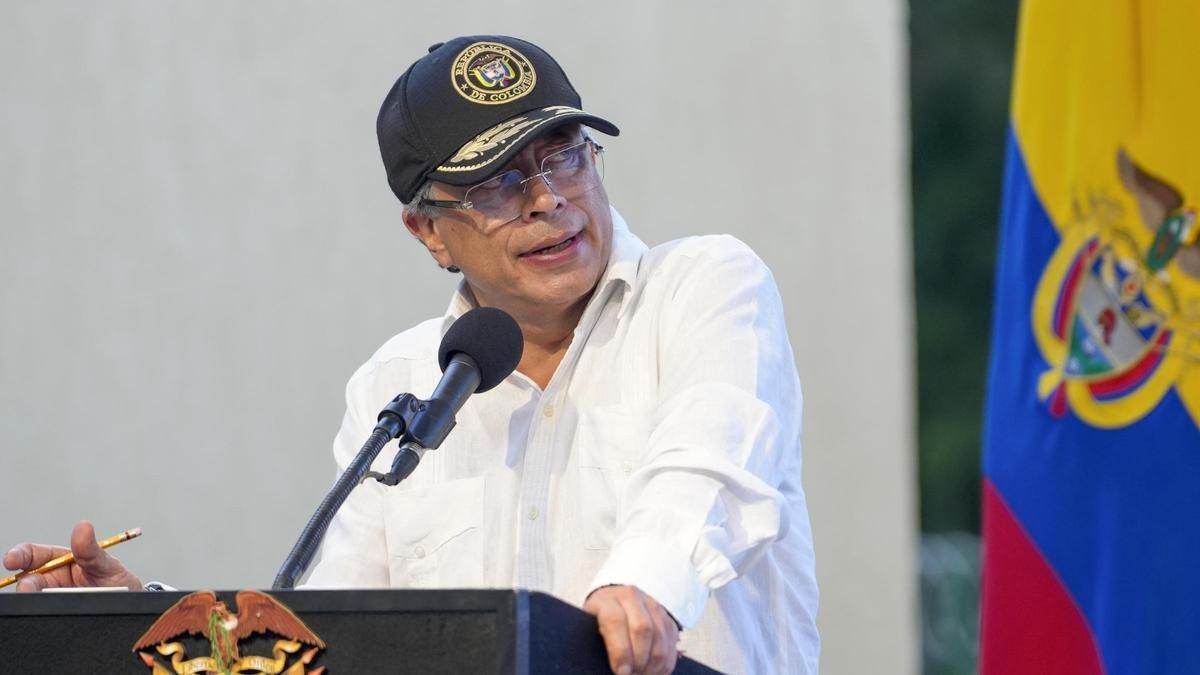
    ro compared the strike on Caracas to the bombing of Guernica in Spain’s civil war and accused Trump of “sinking international law with missiles”
    ro compared the strike on Caracas to the bombing of Guernica in Spain’s civil war and accused Trump of “sinking international law with missiles”

    Colombia’s President Gustavo Petro has revived his sharpest anti-Trump rhetoric days before a planned meeting with U.S. President Donald Trump, calling on Washington to “return” Nicolás Maduro so he can be tried in Venezuela rather than in U.S. courts.

    “They have to return him (Maduro) and let a Venezuelan court judge him, not an American one,” Petro said during a public event in Bogotá, where he also attacked the U.S. operation that captured the Venezuelan leader in early January.

    The remarks came just hours after Colombian authorities confirmed Petro had been granted a temporary U.S. entry authorization to attend the meeting with Trump, scheduled for Tuesday, February 3, 2026, despite having lost his visa last year. Colombian reporting said the permit is valid for five days and restricted to the official visit.

    In his speech, Petro compared the strike on Caracas to the bombing of Guernica in Spain’s civil war and accused Trump of “sinking international law with missiles.” Petro framed his demand on Maduro as a sovereignty issue, arguing Venezuela’s courts — not the United States — should determine legal accountability.

    The escalation complicates a relationship that had shown signs of de-escalation earlier this month after a phone call between the two presidents. Reuters reported Trump invited Petro to the White House after previously threatening tougher measures linked to narcotics flows and regional security. Separately, Colombia has signaled it will continue counter-narcotics cooperation with the U.S., relying on American intelligence and technology.

    Venezuela is the immediate backdrop. On January 3, Trump said U.S. forces captured Maduro in an overnight operation and transferred him to the United States to face charges, while an interim government led by Delcy Rodríguez took over in Caracas. The episode has triggered regional backlash and renewed arguments over international-law precedents and the scope of U.S. power projection.

    In Washington, policy signals have been mixed. The administration has notified Congress it is taking initial steps that could lead to reopening the U.S. embassy in Caracas and exploring a broader reset after the change of power. At the same time, senior officials have avoided ruling out additional coercive actions if the interim authorities fall short of U.S. expectations.

    Petro’s visit is also shaped by recent personal friction with Washington: in September 2025, the U.S. revoked his visa after he joined a pro-Palestinian protest in New York and made statements the State Department condemned as inflammatory. The issuance of a narrow, time-limited entry permit reopens the channel for high-level engagement, but Petro’s renewed messaging suggests the meeting will unfold under political strain.


    Source link

Translate »