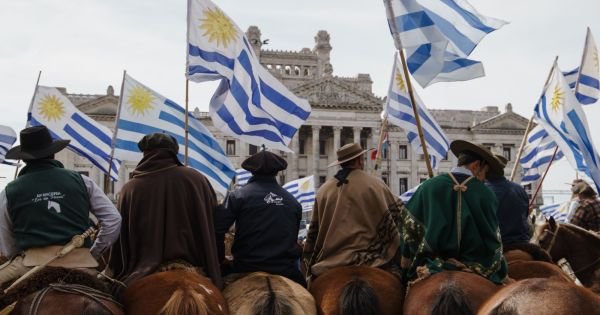
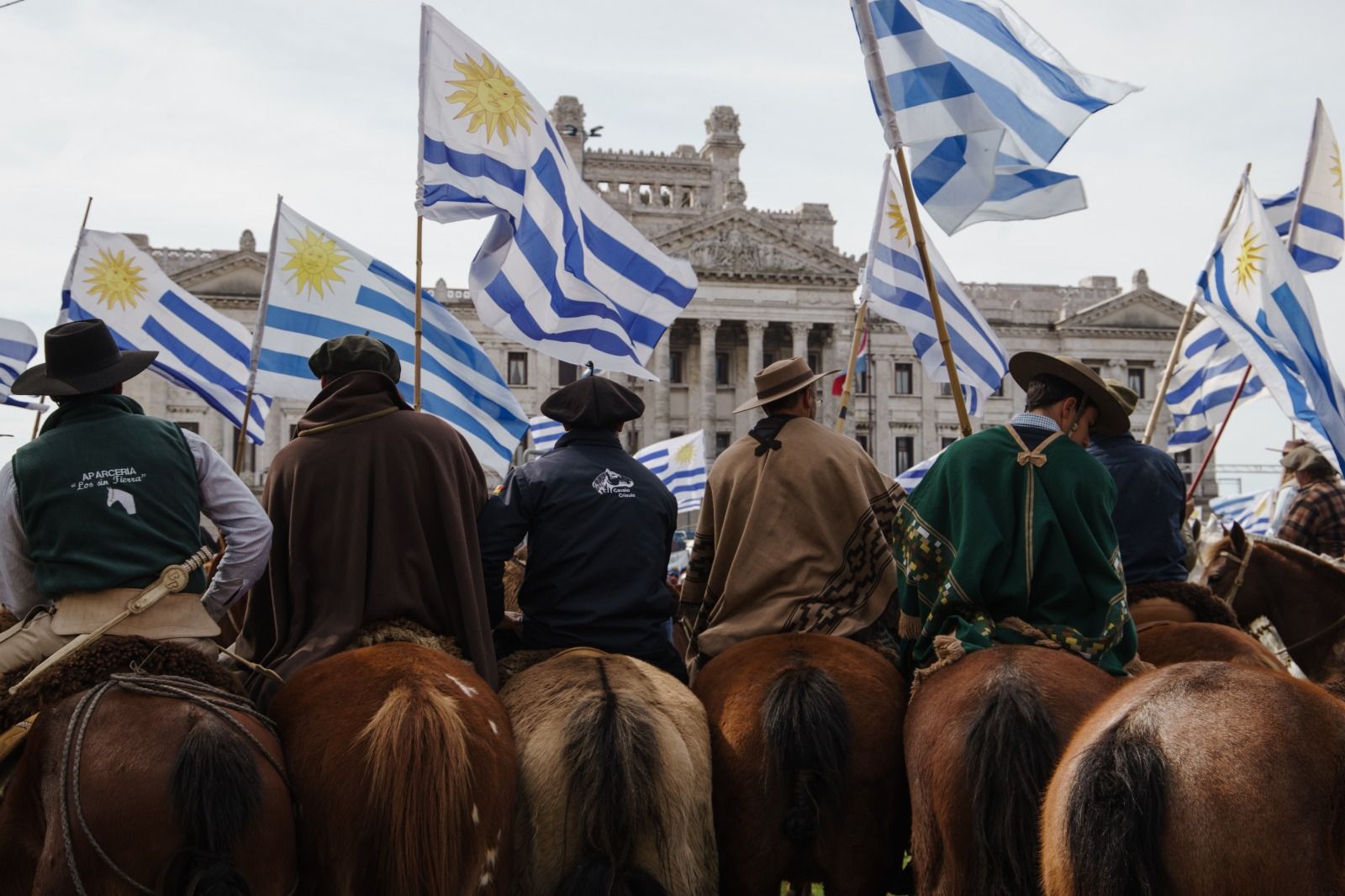
The warning comes as the government flags concern over the exchange rate. MEF said the peso–dollar path hurts exports and import-competing sectors. Photo: Sebastián Astorga
Uruguay’s Rural Association (ARU) is warning that the slide in the U.S. dollar is pushing the farm sector into a “critical situation,” arguing that while a stronger peso may feel beneficial for people paid in local currency, the broader impact can be job losses in export-oriented activities.
“We are in a borderline situation,” ARU president Rafael Ferber said after meeting with the Economy and Finance Ministry (MEF). Ferber added that the government’s economic team “understands it” and is working on the issue rather than downplaying it.
The warning comes as the administration publicly acknowledges concern over the exchange rate. In an official note, the MEF said it is worried about the recent path of the peso–dollar rate because of its impact on export competitiveness and on activities that compete with imports, and it outlined measures aimed at easing the pressure.
ARU brought proposals to the table, including allowing taxes to be paid in dollars for taxpayers who earn in that currency. Ferber also framed the currency problem as part of a longer-running structural challenge: “For 25 years we’ve had budgets that spend more than what comes in… this dragged situation is cumulative,” he said.
Market levels have remained near ranges the farm lobby sees as too low given domestic costs priced in pesos. On Wednesday, Jan. 28, Uruguay’s Central Bank (BCU) reported the interbank dollar opening around UYU 38.30, with state bank BROU quoting UYU 37.15 (buy) and UYU 39.55 (sell).
From the government’s perspective, the exchange rate is spilling into real activity. In remarks carried by Subrayado, Economy Minister Gabriel Oddone said the government decided to act because the dollar’s decline “impacts negatively,” and announced negotiations for FX forwards to buy dollars ahead of public-debt payments in foreign currency. The plan also includes coordination with state-owned companies to improve balance sheets and an effort to deepen domestic peso funding to reduce dollar-linked issuance that can feed back into the FX market.
Ferber emphasized the employment channel: “Many people paid in pesos logically see a favorable dollar, but at the end of the day there is job destruction,” he said. Sector-by-sector, he noted beef is enjoying “very good prices,” but said milk, rice and pulp are facing “depressed prices,” amplifying the effect of a low exchange rate.
China is also part of the backdrop. Ferber said a business delegation will travel with President Yamandú Orsi to China to “strengthen” ties with a client that is “absolutely decisive” for Uruguay’s economy, aiming to return with announcements. Uruguay exported US$ 13.493 billion in goods in 2025 and China remained the top destination, according to figures released by Uruguay XXI and the presidency.
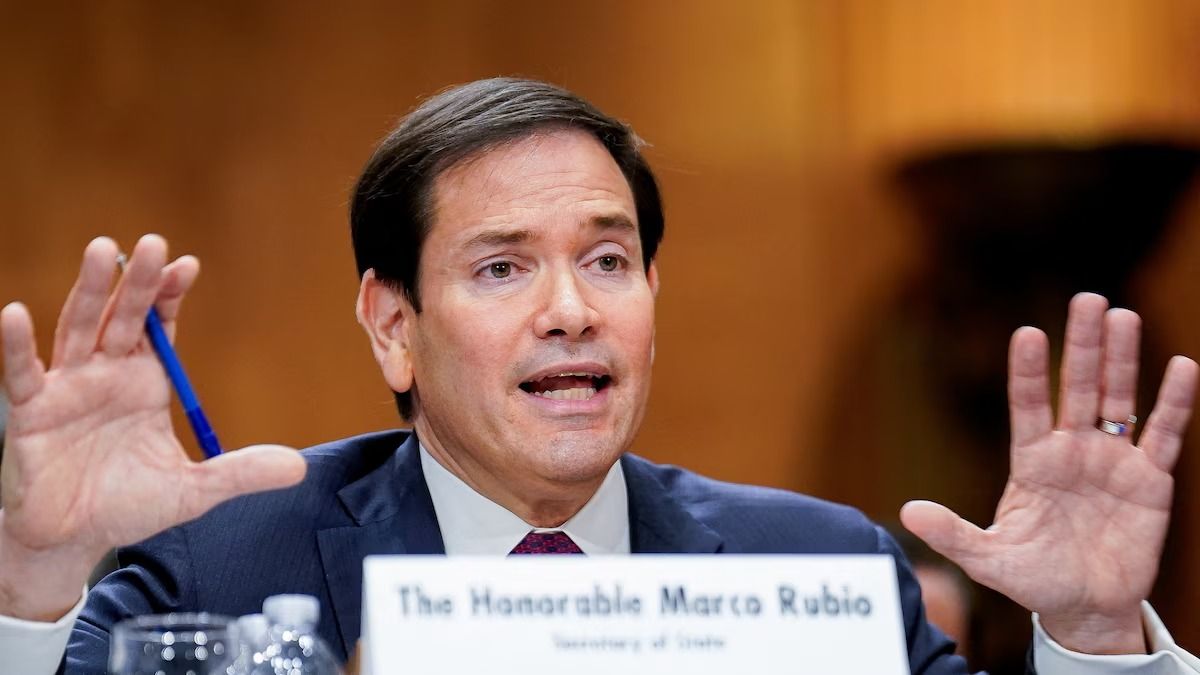
“I can assure you with complete certainty that we are not preparing, do not intend, and do not expect to take any military action in Venezuela at any time,” Rubio said
U.S. Secretary of State Marco Rubio said on Wednesday that Washington is not considering “any military action” in Venezuela, as he testified before the Senate Foreign Relations Committee to outline the Trump administration’s strategy following the capture of former president Nicolás Maduro earlier this month.
“I can assure you with complete certainty that we are not preparing, do not intend, and do not expect to take any military action in Venezuela at any time,” Rubio said, describing relations with the interim authorities led by Delcy Rodríguez as “productive and respectful,” while stressing that “there is still a lot of work to be done.”
The remarks struck a more restrained tone than a written statement Rubio submitted to the committee the previous night, in which he warned that the United States was prepared to use force if cooperation from Caracas fell short. In his oral testimony, Rubio softened that language while noting that President Donald Trump, as commander in chief, “never rules out options” in the face of specific security threats.
The hearing followed the Jan. 3 operation in which U.S. forces captured Maduro and his wife, Cilia Flores, an action the administration has described as a law-enforcement operation targeting alleged narcotics trafficking. Rubio argued that the mission did not amount to an occupation or an act of war and therefore did not require prior congressional authorization, a position that has drawn scrutiny from lawmakers.
Rubio told senators that Washington has made more progress in recent weeks than initially expected, including opening talks aimed at reducing the influence of Iran, China and Russia in Venezuela. “For the first time in twenty years, we are having serious conversations” on these issues, he said, adding that there are elements within Venezuelan society that favor restoring ties with the United States.
The U.S. roadmap for Venezuela, Rubio explained, unfolds in three phases: stabilization, recovery and transition. The initial phase focuses on restoring critical infrastructure, particularly in the oil sector, long the backbone of Venezuela’s economy. That would be followed by broader economic recovery and, eventually, a political transition leading to “free and fair” elections — a process Rubio acknowledged could take years.
He also expressed optimism about reopening the U.S. embassy in Caracas in the near future, saying the only American military presence currently in Venezuela consists of Marine guards protecting the diplomatic compound. Financing for the process, he added, is partly linked to oil revenues: Washington has already sold Venezuelan crude worth around $500 million, with part of the proceeds transferred to Caracas and the remainder held in a controlled account.
After the hearing, Rubio met behind closed doors with opposition leader María Corina Machado. Speaking afterward, Machado called for a “real transition” and said the release of political prisoners is an “absolute priority.” According to figures compiled by the Venezuelan rights group Foro Penal, more than 300 detainees have been released in recent weeks, while around 700 people remain imprisoned for political reasons.
ro compared the strike on Caracas to the bombing of Guernica in Spain’s civil war and accused Trump of “sinking international law with missiles”
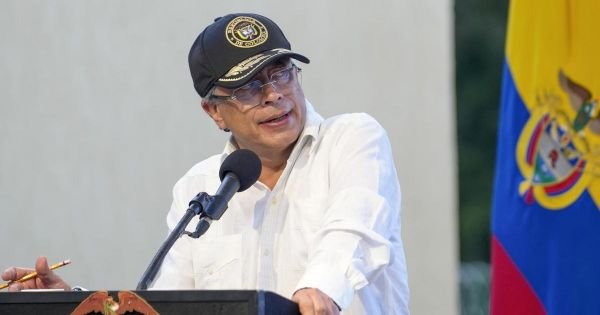
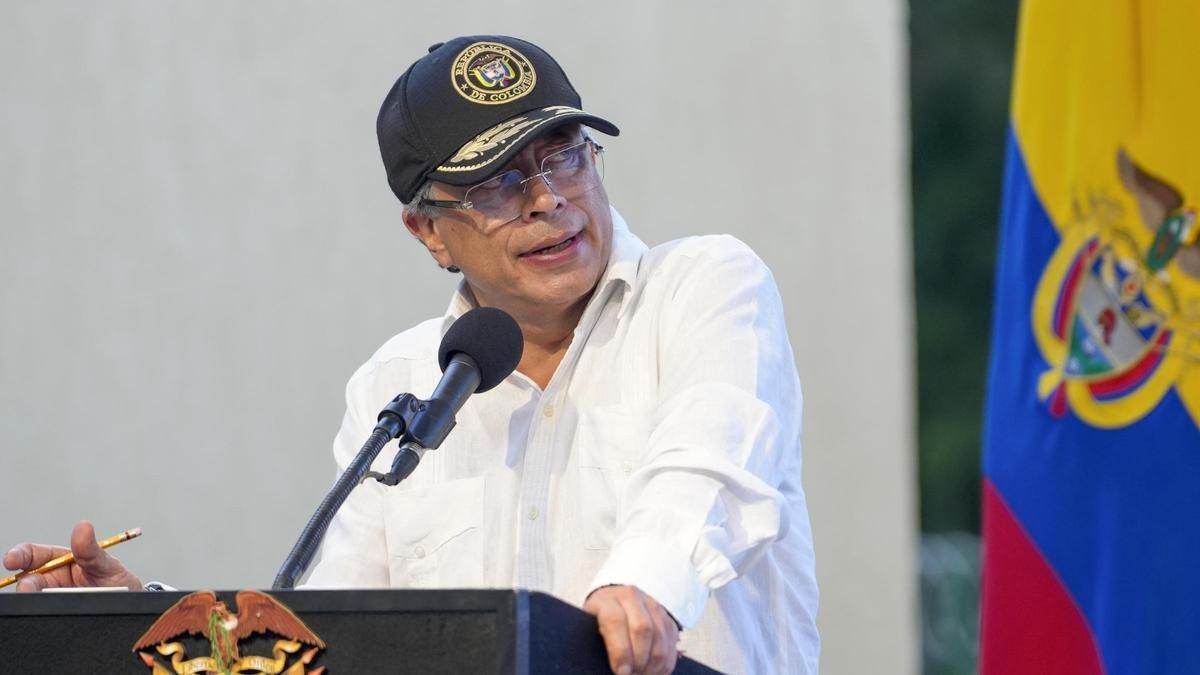
Colombia’s President Gustavo Petro has revived his sharpest anti-Trump rhetoric days before a planned meeting with U.S. President Donald Trump, calling on Washington to “return” Nicolás Maduro so he can be tried in Venezuela rather than in U.S. courts.
“They have to return him (Maduro) and let a Venezuelan court judge him, not an American one,” Petro said during a public event in Bogotá, where he also attacked the U.S. operation that captured the Venezuelan leader in early January.
The remarks came just hours after Colombian authorities confirmed Petro had been granted a temporary U.S. entry authorization to attend the meeting with Trump, scheduled for Tuesday, February 3, 2026, despite having lost his visa last year. Colombian reporting said the permit is valid for five days and restricted to the official visit.
In his speech, Petro compared the strike on Caracas to the bombing of Guernica in Spain’s civil war and accused Trump of “sinking international law with missiles.” Petro framed his demand on Maduro as a sovereignty issue, arguing Venezuela’s courts — not the United States — should determine legal accountability.
The escalation complicates a relationship that had shown signs of de-escalation earlier this month after a phone call between the two presidents. Reuters reported Trump invited Petro to the White House after previously threatening tougher measures linked to narcotics flows and regional security. Separately, Colombia has signaled it will continue counter-narcotics cooperation with the U.S., relying on American intelligence and technology.
Venezuela is the immediate backdrop. On January 3, Trump said U.S. forces captured Maduro in an overnight operation and transferred him to the United States to face charges, while an interim government led by Delcy Rodríguez took over in Caracas. The episode has triggered regional backlash and renewed arguments over international-law precedents and the scope of U.S. power projection.
In Washington, policy signals have been mixed. The administration has notified Congress it is taking initial steps that could lead to reopening the U.S. embassy in Caracas and exploring a broader reset after the change of power. At the same time, senior officials have avoided ruling out additional coercive actions if the interim authorities fall short of U.S. expectations.
Petro’s visit is also shaped by recent personal friction with Washington: in September 2025, the U.S. revoked his visa after he joined a pro-Palestinian protest in New York and made statements the State Department condemned as inflammatory. The issuance of a narrow, time-limited entry permit reopens the channel for high-level engagement, but Petro’s renewed messaging suggests the meeting will unfold under political strain.
Critics argue that the draft contains ambiguous language, legal contradictions, and tight timelines, potentially undermining its effectiveness and credibility with international investors
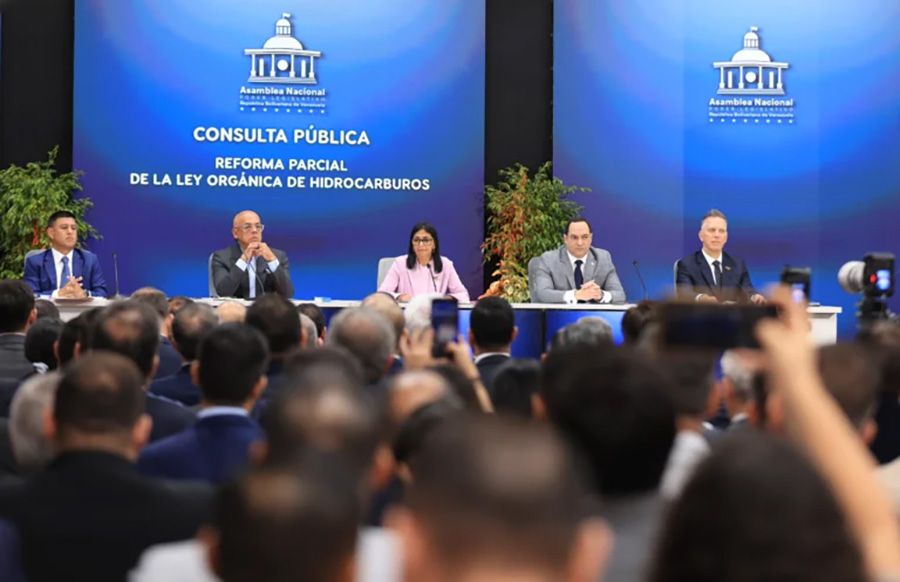
Venezuela’s proposed hydrocarbons law overhaul is under intense legislative scrutiny, with more than 80 amendments submitted by lawmakers, legal experts and energy sector associations ahead of a planned final vote, Reuters reported Tuesday.
The reform — championed by interim President Delcy Rodríguez after the capture of Nicolás Maduro — aims to draw foreign investment and boost oil output that has languished for years under state control and sanctions. The draft bill initially introduced production sharing contracts with tax incentives and operational flexibility.
Critics argue that the draft contains ambiguous language, legal contradictions, and tight timelines, potentially undermining its effectiveness and credibility with international investors. Some lawmakers have even argued that portions could be declared unconstitutional without clearer definitions of obligations, dispute resolution and international arbitration mechanisms.
Members of the National Assembly’s energy commission are tasked with integrating suggested changes into a revised draft before a final plenary vote scheduled for next week. While the reform’s overall goals are supported by many who see sector opening as essential to economic revival, the volume and content of amendments reveal deep disagreements over the scope and direction of Venezuela’s oil sector transformation.
International context plays a significant role. U.S. officials have signaled that clearer, more investor friendly regulations could pave the way for North American investment and energy services after an initial phase of special licenses. However, actual licences have been slow to materialize amid legal and political uncertainties that have kept many energy companies cautious.
Legal experts tell international outlets that the reform’s success hinges on legal certainty, transparent fiscal terms and regulatory stability. “Without clear arbitration frameworks and robust dispute settlement mechanisms, large scale foreign capital won’t flow into Venezuela,” said a Houston based energy analyst.
Venezuela’s oil production remains well below potential, emphasizing the urgency of effective reform. The overhaul is also viewed as critical to diplomatic efforts to normalize relations with multilateral institutions and to ease the country’s debt restructuring pressures, which continue to weigh heavily on the broader economy.
News Americas, Washington, D.C., Jan. 28, 2026: Trinidad and Tobago–born rapper Nicki Minaj is now publicly embracing former President Donald Trump – calling herself his “No. 1 fan” and dismissing criticism of her political turn as motivation rather than deterrence.
“I will say that I am probably the president’s No. 1 fan,” Minaj told the crowd Wednesday at a U.S. Treasury Department–hosted summit in Washington, D.C., marking the launch of so-called “Trump Accounts,” a new tax-advantaged savings program for children.
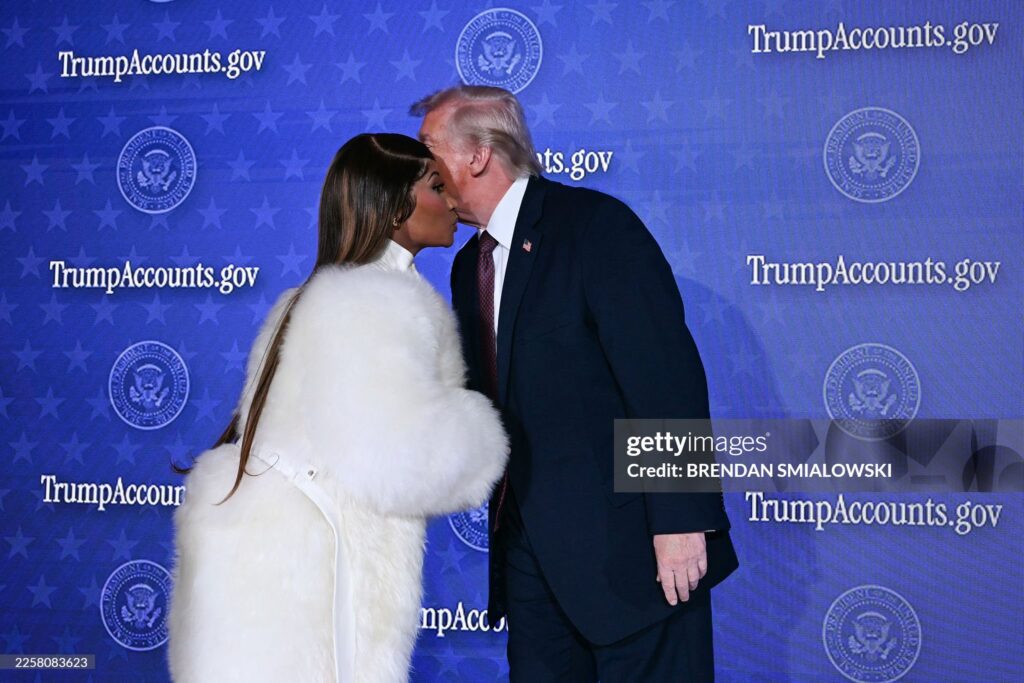
US President Donald Trump (R) greets Trinidadian rapper and singer-songwriter Nicki Minaj during an event on ‘Trump Accounts’ at the Andrew W. Mellon Auditorium in Washington, DC, on January 28, 2026. (Photo by Brendan SMIALOWSKI / AFP via Getty Images)
“And that’s not going to change,” the 43-year-old performer added.
Minaj, born Onika Maraj, said backlash over her support has only strengthened her resolve. “The hate or what people have to say does not affect me at all. It actually motivates me to support him more,” she said. “We’re not going to let them get away with bullying him and smear campaigns.”
Her remarks came just ahead of Trump’s own speech at the event, where she claimed divine protection over the former president. “He has a lot of force behind him, and God is protecting him,” she said.
A Sharp Turn From 2020
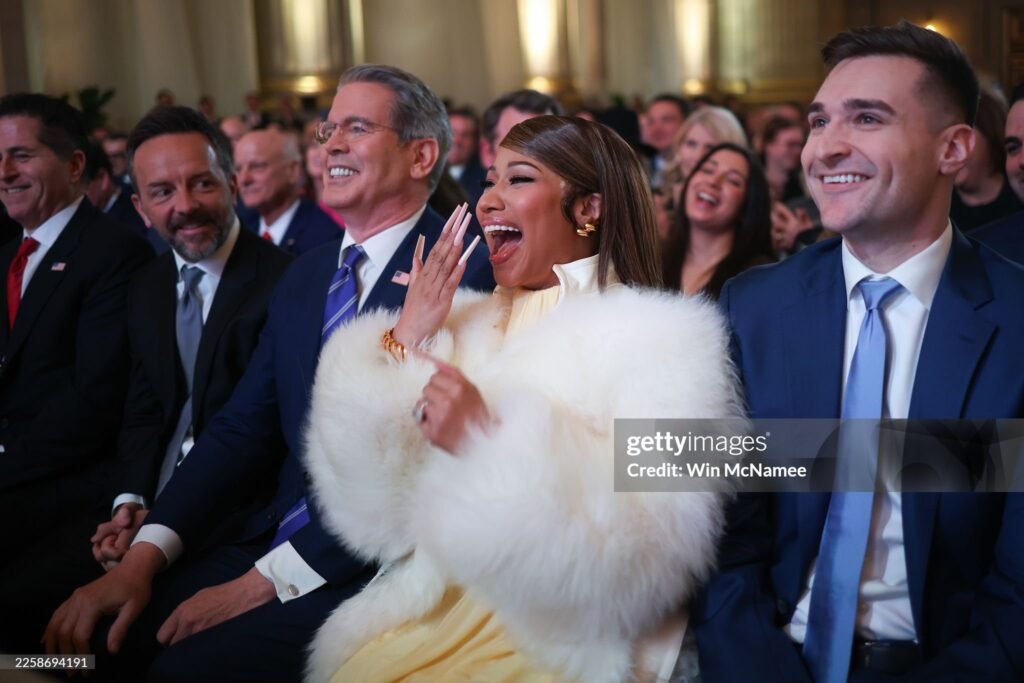
Nicki Minaj laughs during remarks by U.S. President Donald Trump at the Treasury Department’s Trump Accounts Summit with U.S. Treasury Secretary Scott Bessent (L) at the Andrew W. Mellon Auditorium on January 28, 2026 in Washington, DC. (Photo by Win McNamee/Getty Images)
Minaj’s endorsement marks a striking reversal from her public stance during Trump’s first term. In 2020, she said she would not “jump on the Donald Trump bandwagon,” and had previously spoken openly about coming to the United States as an undocumented child.
In a widely shared 2018 post, Minaj criticized family separations at the U.S.-Mexico border, writing that she herself entered the country without legal status as a child.
“I came to this country as an illegal immigrant,” she wrote at the time. “I can’t imagine the horror of being in a strange place & having my parents stripped away from me at the age of 5.”
She urged authorities then to stop the practice, calling it “so scary” and pleading for compassion toward children detained at the border.
Rising MAGA Visibility
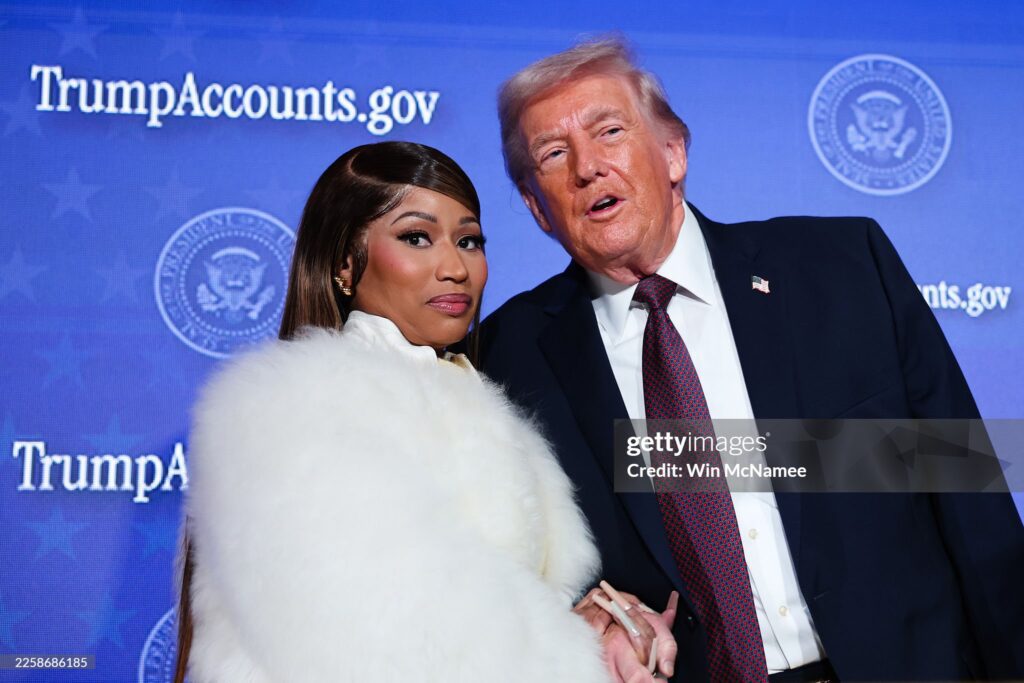
Nicki Minaj (L) joins U.S. President Donald Trump on stage as he delivers remarks during the Treasury Department’s Trump Accounts Summit at Andrew W. Mellon Auditorium on January 28, 2026 in Washington, DC. (Photo by Win McNamee/Getty Images)
Minaj’s appearance at the Treasury summit is part of a broader pattern of increasingly visible alignment with conservative causes. She recently appeared at Turning Point USA’s AmericaFest and has spoken favorably of Trump during interviews and public events – a shift that has drawn both praise and backlash, including online calls for her deportation.
“I have the utmost respect and admiration for our president,” Minaj said at a recent event. “He’s given so many people hope.”
The rapper has also drawn attention for public feuds, including a recent clash with former CNN host Don Lemon, whom she criticized on social media.
Some have suggested her embrace of the president is to help her brother and husband, who have faced legal challenges, obtain a pardon. Her husband, Kenneth Petty previously served four years in prison as a Level 2 sex offender after he was found guilty of raping a 16-year-old girl, whom he held at knifepoint, in 1994.
Her brother, Jelani Maraj, has also faced legal issues. In 2017, Maraj, then 38, was convicted of raping an 11-year-old girl at his Long Island residence. Maraj said the accusations were invented by the victim’s mother to go after Minaj’s family’s fortune. He was sentenced to 25 years to life in 2020.
What Are “Trump Accounts”?
The summit focused on the launch of Trump Accounts, a provision included in last year’s tax legislation. The program provides a $1,000 government contribution for U.S.-citizen newborns, invested in stock market index funds and accessible when the child turns 18 for approved uses such as education, home purchases, or starting a business.
Parents can contribute additional funds annually, with employers, relatives, and philanthropic organizations also allowed to participate. The accounts are managed by private financial firms and are subject to taxes upon withdrawal.
Trump argued the initiative would give children “real assets and a shot at financial freedom,” while critics say it favors families with the means to contribute and does little to address early childhood poverty.
Minaj did not address those criticisms directly but praised the initiative as expanding opportunity for future generations.
The United States is preparing a general licence to ease sanctions on Venezuela’s energy sector, aiming to facilitate an estimated $2 billion oil supply deal between Caracas and Washington, U.S. government sources told Reuters on Tuesday. The move is part of a strategic shift in U.S. policy after the Jan. 3 capture of former Venezuelan President Nicolás Maduro by U.S. forces.
The general licence would replace the previous patchwork of individual licences that critics say have slowed investment and restricted commercial operations. Major oil companies including Chevron, Repsol, ENI and Reliance Industries have applied for special permissions to operate in Venezuela, but delays and uncertainty have clouded planning and capital deployment.
U.S. officials argue the general licence would allow for the export of Venezuelan crude, repair of key energy infrastructure, and attraction of foreign direct investment without case by case bureaucratic approvals. A trading executive who spoke on condition of anonymity said, “This general licence could finally provide the legal certainty markets have been waiting for to commit meaningful capital in Venezuela.”
In Caracas, the interim government under Delcy Rodríguez has sought to open the energy sector to global players, part of a broader strategy to restore output and stabilize national finances. Though the National Assembly has moved forward with partial hydrocarbon law reforms to enable new contracting models, critics point to lingering legal uncertainties and fiscal conditions that could deter long term foreign investment.
The shift marks a notable U.S. policy evolution: sanctions and individual licence requirements had sharply curtailed Venezuela’s ability to export crude and earn revenue. A general licence would signal Washington’s intent to support Venezuela’s economic transition and to channel more oil revenues into transparent global markets, potentially benefiting U.S. energy companies.
Energy analysts note Venezuela’s vast proven crude reserves are key to any economic recovery strategy, but political developments and the terms of the general licence will be critical in determining whether major investors move decisively into the Venezuelan market.
At Sundance, where independent cinema thrives on contradiction, a Cuban actor admits he cannot dance—and turns that confession into a quiet argument about grief, movement, and how Latin American bodies are too often misunderstood on screen.
Unlearning the Cuban Dance Myth
Alberto Guerra knows exactly which stereotype he wants to dismantle first. The idea that all Cubans dance well, he insists, is fiction. Preparing for Ha-chan, Shake Your Booty!, a film competing at the Sundance Film Festival, learning to dance was not a flourish or a gimmick. It was the most challenging part of the job.
“Físicamente me retó muchísimo, ese fue el mayor reto de hacer esta película. Hay como una idea bastante errónea de que todos los cubanos bailamos, yo no,” Guerra told EFE, speaking with the candor of someone aware that the myth flatters even as it confines.
The admission matters because Guerra’s international fame—cemented by his portrayal of Ismael’ El Mayo’ Zambada in Narcos: México—has often been tied to intensity, menace, and controlled stillness. In Ha-chan, Shake Your Booty!, directed by Josef Kubota Wladyka, the Cuban actor is asked to do the opposite: to move, to sway, to let his body speak before words arrive.
The film follows Haru, played by Rinko Kikuchi, and Luis, portrayed by Alejandro Edda, a couple who compete in ballroom dance tournaments in Tokyo, Japan. When tragedy fractures Haru’s life and pulls her away from dance, it is not therapy or discipline that brings her back, but an encounter. Enter Guerra’s character: a sensual Uruguayan dance instructor whose lessons are not limited to technique.
“Es una de esas personas que uno se encuentra rara vez en la vida. Que te van soltando como consejos de vida sin que tú te des cuenta,” Guerra explained, describing the character as someone who teaches without preaching, he told EFE.
In Latin American storytelling, mentors often arrive wrapped in charisma, humor, or contradiction. Guerra’s instructor is less a savior than a catalyst, an “alma libre,” as the actor calls him—free-spirited, transient, resistant to definition.
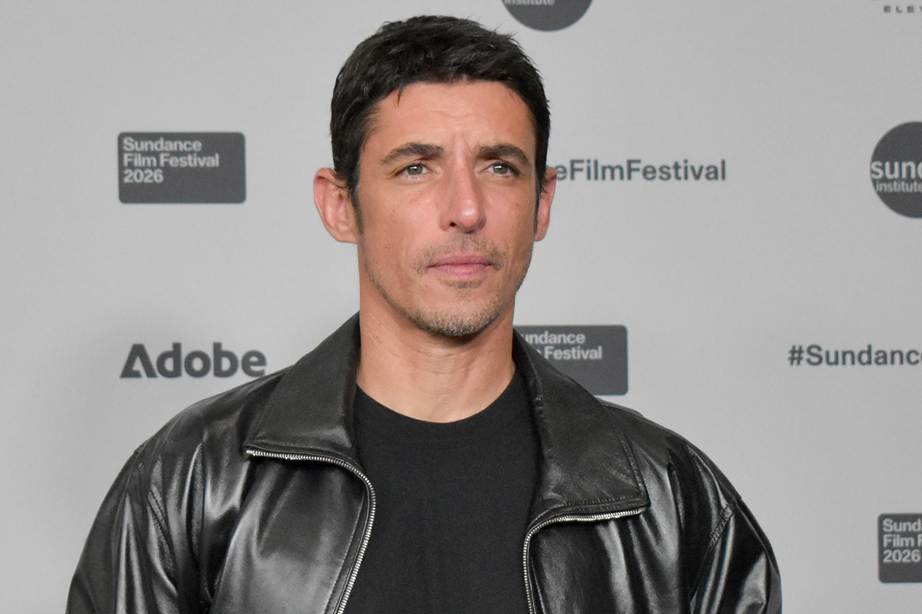
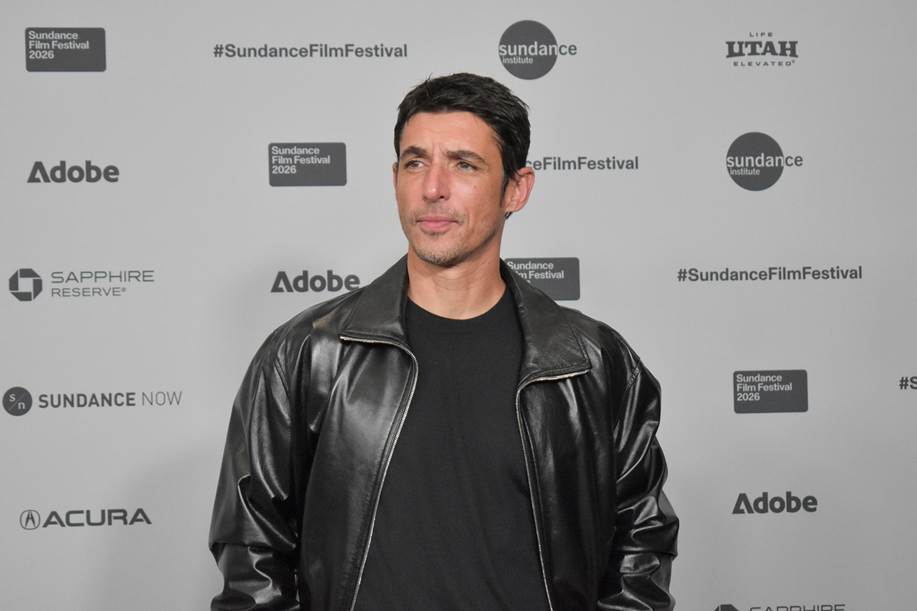
Cuban actor Alberto Guerra during the Sundance Film Festival last week. EFE/ Mónica Rubalcava
Training the Body to Tell the Story
To inhabit that freedom, Guerra had to submit to discipline. Two months before filming, his preparation began in earnest, not only to learn choreography but to unlearn the rigid posture of a body trained for stillness.
“Estuve ensayando coreografías y aprendiendo a bailar, pero no nada más eso, los bailarines tienen una postura muy única y una manera de caminar que parece que flotan. Había muchas cosas de este personaje que a mí me interesaba abordar que son muy sutiles,” he said, according to EFE.
Those subtleties are central to Wladyka’s vision. Known for Dirty Hands, the director approaches dance not as spectacle but as language. His camera follows bodies the way others follow dialogue, attentive to weight shifts, hesitations, the quiet grammar of movement. The result is a film that resists easy categorization.
Though officially labeled a drama, Ha-chan, Shake Your Booty! moves freely between tones. Comedy surfaces unexpectedly. Fantasy slips in through gesture and rhythm. Musical interludes echo classic Hollywood traditions without mimicking them. “Es un dramedy,” said actress Cristina Rodlo, who appears briefly in a pivotal moment alongside Damián Alcázar, grounding the story in emotional realism even as it flirts with whimsy, she told EFE.
Before its public screening, Wladyka described the project simply as a “rara y muy única película de baile,” a phrase that feels more like a warning than marketing. This is not a film about winning competitions or mastering form. It is about what happens when movement returns to a life that has stopped.
Cuban actor Alberto Guerra during the Sundance Film Festival last week. EFE
Grief in Motion Across Cultures
For Alejandro Edda, the film’s power lies in how it treats mourning not as stasis but as process. “Es una historia de duelo con un tema de movimiento. Va desde la cámara, la acción del personaje y la música. Es como el movimiento que necesitamos en la vida para enfrentar situaciones difíciles,” he reflected, he told EFE.
That perspective resonates deeply in a Latin American context, where grief is often communal, embodied, and ritualized—expressed through music, dance, and public gathering as much as through silence. By placing this sensibility in Tokyo, the film creates a dialogue between cultures rather than a clash. Asian restraint meets Latin openness, not as opposites but as complementary ways of surviving loss.
The soundtrack reinforces that fusion. Classic boleros like “Nosotros” by Los Panchos with Eydie Gormé sit alongside “Stay With Me” (Mayonaka no Door), weaving emotional geographies that cross oceans. Music becomes a bridge, reminding viewers that longing travels easily between languages.
This multicultural texture mirrors Wladyka’s own background—an American director with a Polish father and Japanese mother—yet the film avoids flattening difference into novelty. Instead, it lingers on the shared human need to move forward, literally and figuratively, after rupture.
The premiere’s setting adds another layer. The Sundance Film Festival, which runs until February one, is being held for the final time in Park City, Utah, after more than four decades in its historic home. This year’s edition carries a sense of transition, a fitting backdrop for a film about change through motion.
On Friday, the festival will honor its founder, Robert Redford, in a private gala attended by figures such as Amy Redford, director Chloé Zhao, documentarian Ava DuVernay, and actor Ethan Hawke—a reminder of Sundance’s legacy as a space where unconventional stories first learn to walk.
For Guerra, the journey is personal as much as professional. By admitting he cannot dance, and then learning to move anyway, he challenges not only a stereotype but a broader expectation placed on Cuban bodies in global cinema: that they must always be rhythmic, sensual, legible. Ha-chan, Shake Your Booty! argues for something quieter and more radical—that movement can be learned, grief can be shared, and identity is not a performance but a process, practiced step by uncertain step.
Over 500 deaths in Ecuador’s largest prison in 2025 reveal a crisis that demands urgent attention from the public and policymakers, as families describe a slow catastrophe of hunger, disease, and silence inside a space where survival depends on money or luck.
When Violence Fades, Neglect Takes Over
The bloodiest images of Ecuador’s prison crisis once came from massacres: mutilated bodies, burned cellblocks, headlines counting dozens of dead after gang clashes. In 2025, those scenes have largely receded within the Penitenciaría del Litoral, the country’s largest and most feared prison in Guayaquil. But for the families waiting outside its concrete walls, the quieter numbers are more alarming.
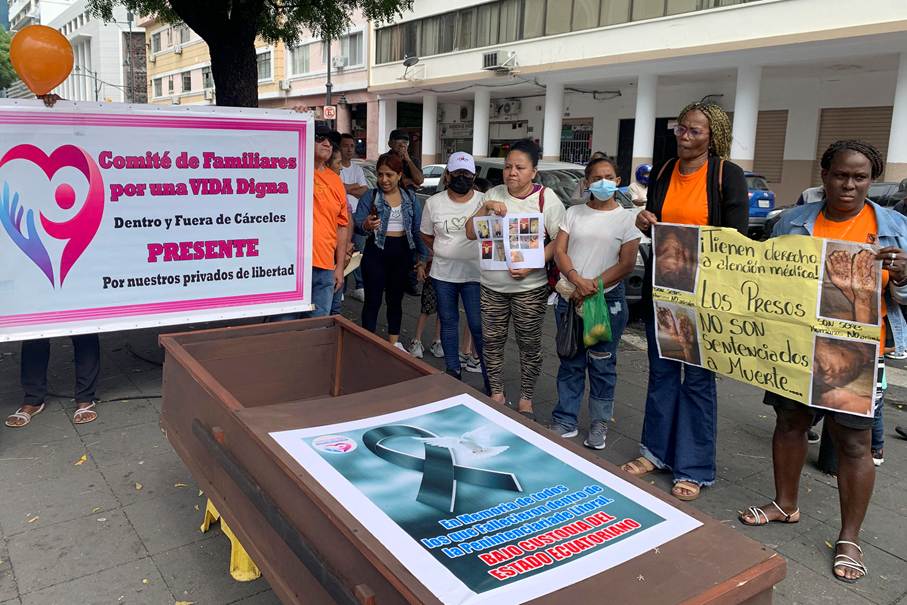
More than five hundred inmates died in the prison this year from causes officially described as “natural” or “under determination,” many linked by relatives to tuberculosis and severe malnutrition. Families like Ana Morales’s describe a living hell, emphasizing their deep concern and the urgent need for attention.
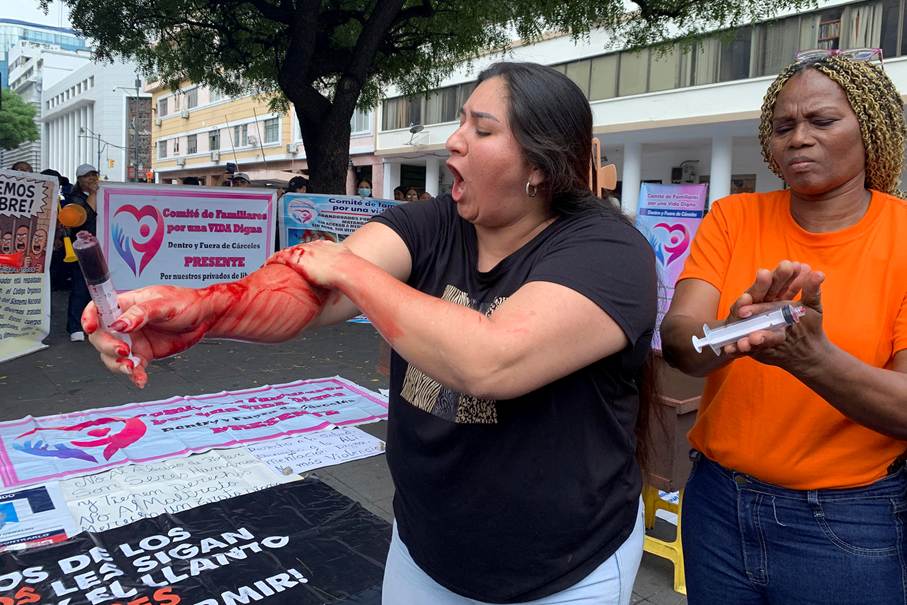
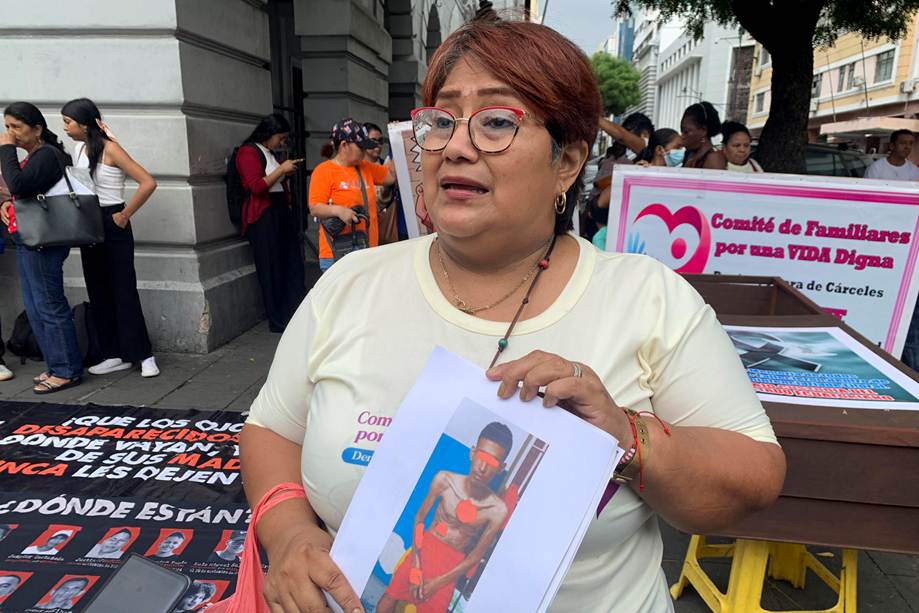
Morales joined dozens of relatives outside the provincial government delegation in Guayaquil, demanding explanations delayed for months. Their warnings about sick inmates, nonexistent medical care, and unsafe food highlight systemic neglect that should alarm policymakers and the public alike.
Inside the prison, which holds around 7,200 detainees, violence did not vanish. It changed shape. The gunshots stopped, but bodies kept leaving.
A protest in Guayaquil, Ecuador, over the deaths of more than 500 inmates in 2025 at the country’s most dangerous prison. EFE/ Cristina Bazán
Death Certificates Without Answers
As deaths increased, families appealed to courts and international bodies. On January 5, the Inter-American Commission on Human Rights issued precautionary measures, warning of ‘gravity and urgency’ and risking ‘irreparable harm’ to inmates’ rights, underscoring the need for immediate action.
State figures show the scale of the problem. Between January and September, 564 deaths were recorded in the prison: 288 labeled as “natural,” 262 as “undetermined,” and 14 classified as violent. Authorities insist inmates are receiving medical attention. Families say the paperwork hides the truth.
“They don’t put tuberculosis on the death certificate so they won’t get into trouble,” said Benigna Domínguez, whose son died in July, months after contracting the disease inside the prison, she told EFE. She had no contact with him for six months. When she finally saw him, he was emaciated, covered in rashes, barely recognizable. “He told me they were killing them with hunger. He also had scabies,” she said. The food he received, she added, sometimes contained “rat and bat feces.”
Tuberculosis thrives in overcrowded, poorly ventilated spaces. Medical journals such as The Lancet Infectious Diseases have long warned that prisons in Latin America function as reservoirs for the disease when screening, isolation, and treatment collapse. In Ecuador’s case, families allege those safeguards never existed.
The deaths did not slow. At least twelve inmates have died so far this year, according to the families’ committee, even as the prison remains under heavy military control.
A protest in Guayaquil, Ecuador, over the deaths of more than 500 inmates in 2025 at the country’s most dangerous prison. EFE/ Cristina Bazán
Militarization Without Care
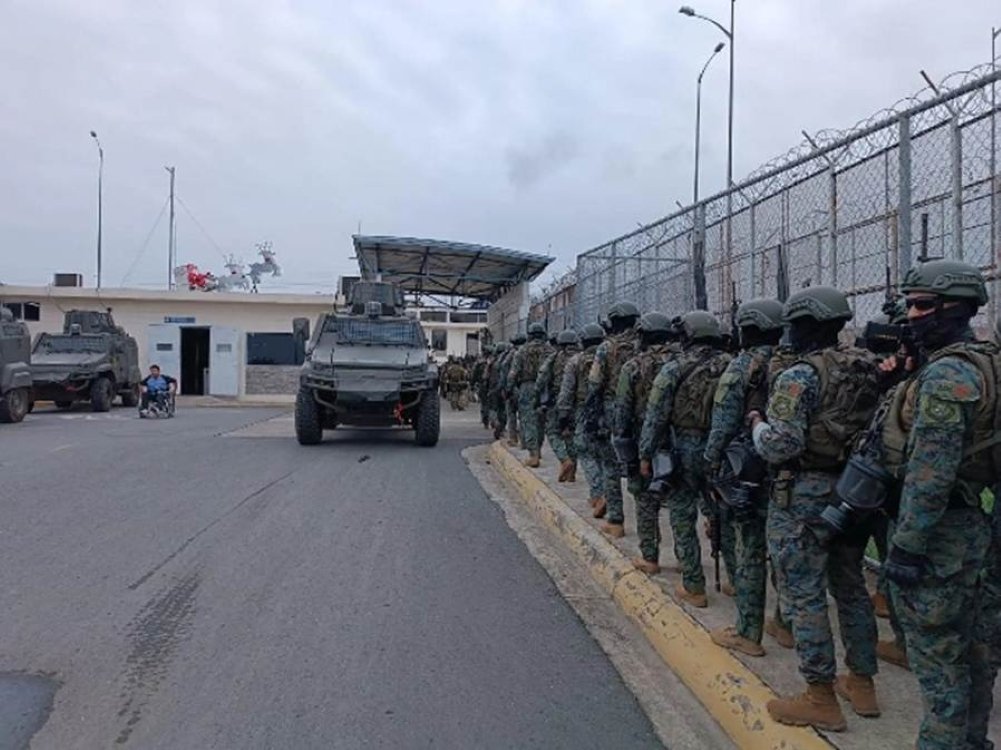
The Penitenciaría del Litoral is one of several prisons militarized after President Daniel Noboa declared Ecuador under an “internal armed conflict” in 2024, granting security forces extraordinary powers to confront criminal groups. For families, the presence of soldiers has not translated into protection.
“Now the soldiers decide who lives and who dies,” Domínguez said. “There is torture and extortion, in complicity with the military,” she told EFE. Her accusation reflects a more profound fear: that militarization, designed to stop gang violence, has created new layers of impunity when abuses involve the state itself.
For Reyna Guerrero, the consequences were devastating. One of her sons died in August from what she says was chronic malnutrition. She fears for another son still imprisoned with the same condition. She learned of the first death not from authorities but from other inmates’ relatives, five days later. Prison officials told her he was alive. She found him in the morgue. “They never let a doctor examine him,” she told EFE.
Rosario Carrillo has not seen her son in over a year. She knows his condition worsens with tuberculosis, and her plea to keep him alive underscores the moral imperative for immediate reform and humane treatment.
Their testimonies converge on a single point: death inside the prison is not an exception but a process—slow, bureaucratic, and largely invisible.
A person holds a photograph during a protest in Guayaquil, Ecuador, over the deaths of more than 500 inmates in 2025 at the country’s most dangerous prison. EFE/ Cristina Bazán
A Crisis Beyond the Walls
Ecuador’s prison emergency did not emerge in isolation. Over the past decade, the country’s incarceration rate rose sharply, driven by punitive security policies, overcrowding, and judicial delays. The Penitenciaría del Litoral became a pressure cooker where poverty, organized crime, and state abandonment collided.
When massacres shocked Ecuador between 2021 and 2023, they exposed gang control inside prisons. But the underlying problems—overcrowding, hunger, contaminated water, and healthcare collapse—are still unaddressed, showing a systemic failure that calls for urgent reform to prevent further tragedies.
Academic research in Revista Panamericana de Salud Pública has documented how carceral neglect in the region disproportionately affects inmates from poor and racialized communities, turning sentences into de facto death risks. Families in Guayaquil describe that transformation precisely: punishment morphing into abandonment.
After the latest protests, government officials committed to installing a kitchen inside the prison and deploying permanent medical brigades. The families’ committee says it will verify those promises during a visit tomorrow, led by the Defensoría del Pueblo.
For now, hope remains fragile. The numbers are too large, the explanations too thin. Ecuador succeeded in reducing spectacular violence inside its most dangerous prison, but at the cost of exposing a quieter horror: people dying not in riots, but in silence.
In the end, the families are asking for something painfully basic. Food that does not poison. Doctors who arrive before the morgue. Death certificates that tell the truth. Until that happens, the Penitenciaría del Litoral will remain, in their words, not a prison—but a waiting room for death.
Six decades after his death, the reported discovery of Camilo Torres’s remains revives Colombia’s unresolved arguments about faith, rebellion, and inequality, forcing a country shaped by war to confront why a priest’s choices still trouble politics, memory, and conscience today.
The Body That Refused to Disappear
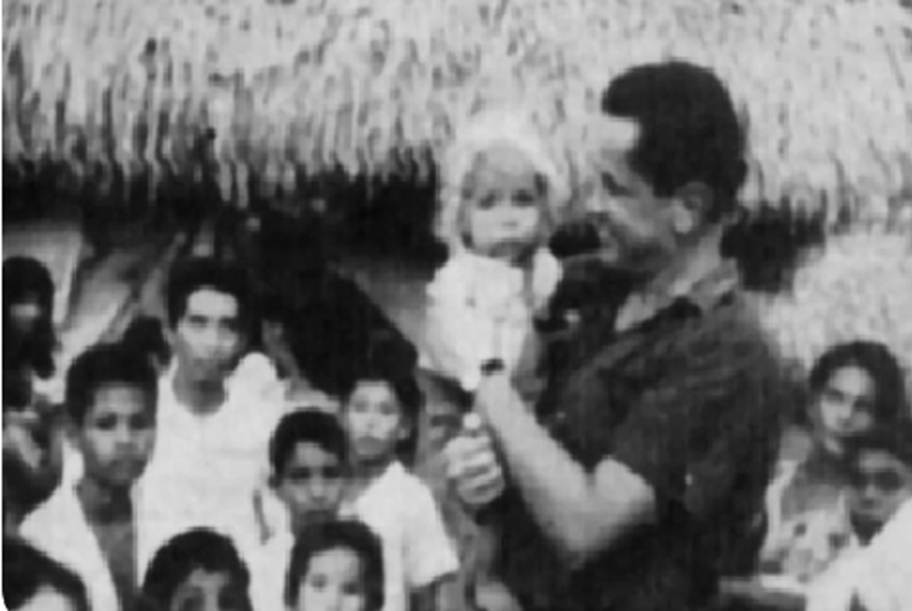
When the Ejército de Liberación Nacional (ELN) announced last week that it had located and identified the remains of Camilo Torres Restrepo, the news landed less like an archaeological update than a reopening of a wound. Torres, the priest-sociologist known as el cura guerrillero, died in 1966, at thirty-seven, during his first combat with the Colombian Army in Patio Cemento, a rural point of El Carmen de Chucurí, Santander. The body, the guerrilla says, was hidden by the State to prevent it from becoming a revolutionary relic—an act that turned absence into myth for decades.
The ELN’s statement framed Torres as more than a sepia-toned symbol, emphasizing his identity as a revolutionary and a person of action, which underscores the ongoing debate about his true legacy and its political significance in Colombia today.
Officialdom responded with caution. The Instituto de Medicina Legal confirmed that forensic analyses were underway “para establecer si una de las muestras corresponde al señor Camilo Torres Restrepo,” while stressing that it does not have custody of the body. In a country trained by conflict to distrust certainty, even bones must be verified twice.
Torres’s influence predates the gunfire that ended his life. Born into an upper-class secular family, trained in Europe, and doctorated at the University of Louvain, he returned to found Latin America’s first faculty of Sociology—a fact that matters because his politics were never merely incendiary. They were analytical. Colombia, he argued, was ruled by a narrow oligarchy; democracy without bread was theater; charity without structural change was hypocrisy. “I have taken off my cassock to be a truer priest,” he said, a line that still divides parishes and plazas alike.
That tension placed him at the threshold of what would soon be called Liberation Theology, a current consolidated at the Medellín Conference of 1968, which insisted that faith be measured by action among the poor. The Brazilian theologian Leonardo Boff would later describe the shift as a reordering of priorities from orthodoxy to orthopraxis—correct belief to right action. Torres did not live to see the label stick, but his life sketched the map.
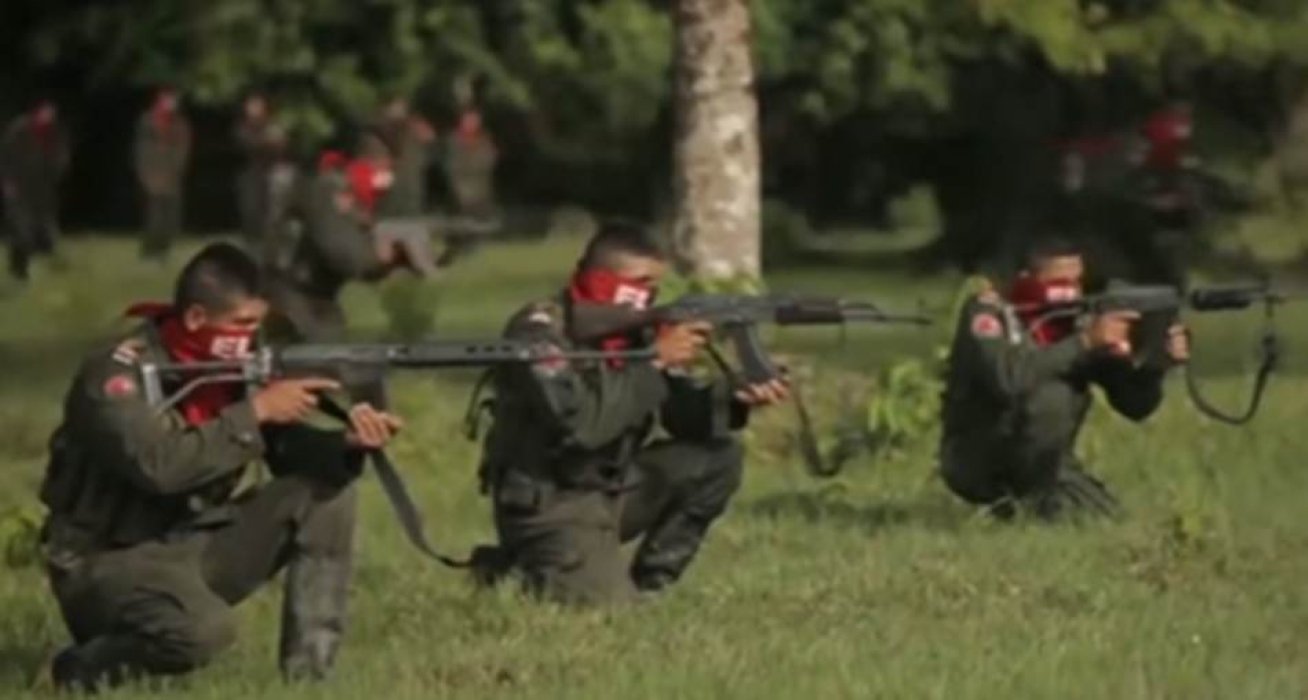
The ELN itself was founded in 1964 and, in its early years, drew priests from Colombia and Spain. Figures like Manuel Pérez Martínez, who later became the group’s top commander until he died in 1998, embodied a moment when theology, sociology, and insurgency overlapped. Not all liberation theologians embraced arms—Óscar Romero in El Salvador would die at the altar in 1980 without taking them—but many conceded that “systemic violence” made neutrality a luxury. In Colombia at midcentury, more than sixty percent of agricultural land belonged to less than four percent of owners; malnutrition stalked children by the tens of thousands each year. Those numbers did not require a sermon to indict them.
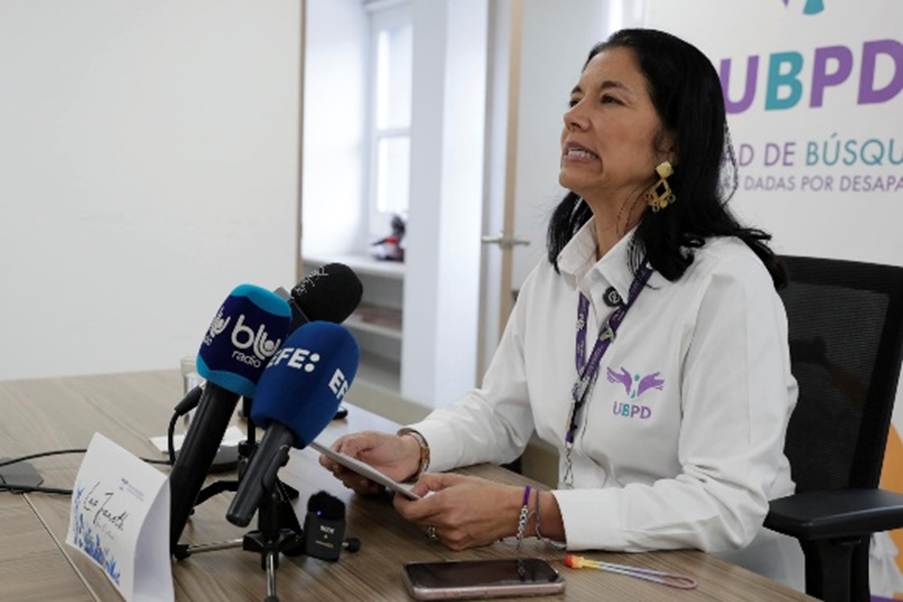
Luz Janeth Forero Martínez, head of Colombia’s Unit for the Search of Disappeared Persons, spoke in Bogotá after the ELN said it found the remains of priest Camilo Torres. EFE/ Carlos Ortega
Memory, Politics, And the Unfinished Argument
What unsettles Colombia now is not only the past but its curation. The ELN argues that Torres has been “desdibujado y aburguesado” by narratives that sand down his radicalism into a marketable saint. The complaint resonates beyond guerrilla communiqués. In June 2024, President Gustavo Petro—himself a former member of the M-19—said he possessed Torres’s cassock after scientific confirmation of its provenance, a gesture heavy with symbolism in a presidency that has tried to braid memory, reform, and reconciliation.
The debate inevitably returns to violence. Can a Christian take up arms? Torres sought laicization before entering the jungle, as if to quarantine the sacrament from the bullet. Critics cite the Gospel’s injunction to sheathe the sword; defenders point to the Church’s long accommodation with state violence and to papal language that has, at times, conceded the legitimacy of uprising against “manifest, long-standing tyranny.” The argument is old, but in Colombia it remains intimate. Violence here is not an abstraction; it is a geography.
Yet Torres’s writings insist on a different center of gravity. Love, he argued, is not sentiment but efficacy. Politics grows out of proximity, not slogans. He criticized a left enamored of imported jargon and indifferent to local suffering, and an elite content to export capital rather than invest in its own country. Read today, the lines sting with relevance.
The reported discovery of his remains forces Colombia to decide what to do with a man who refused to fit. To place him at the Universidad Nacional would be to return him to students and debate; to canonize him would be to betray his impatience with comfort; to bury him quietly would be to repeat the concealment that made him a legend. None of the options resolves the contradiction he embodied.
That may be the point. Camilo Torres Restrepo was a priest who doubted ritual without justice, a sociologist who mistrusted theory without risk, a revolutionary uneasy with the gun he carried. Sixty years on, Colombia is still arguing with him—not because his answers were final, but because his questions remain.
Kast argued that cooperation between Chile and Brazil “can lead the change our region needs”
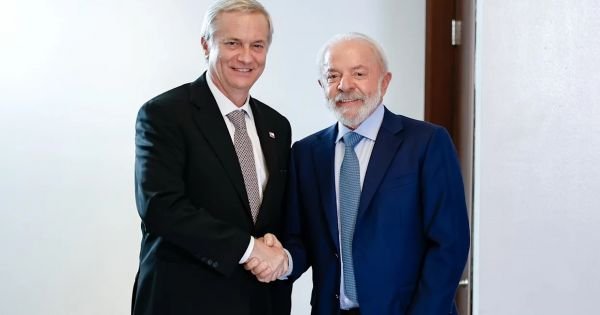
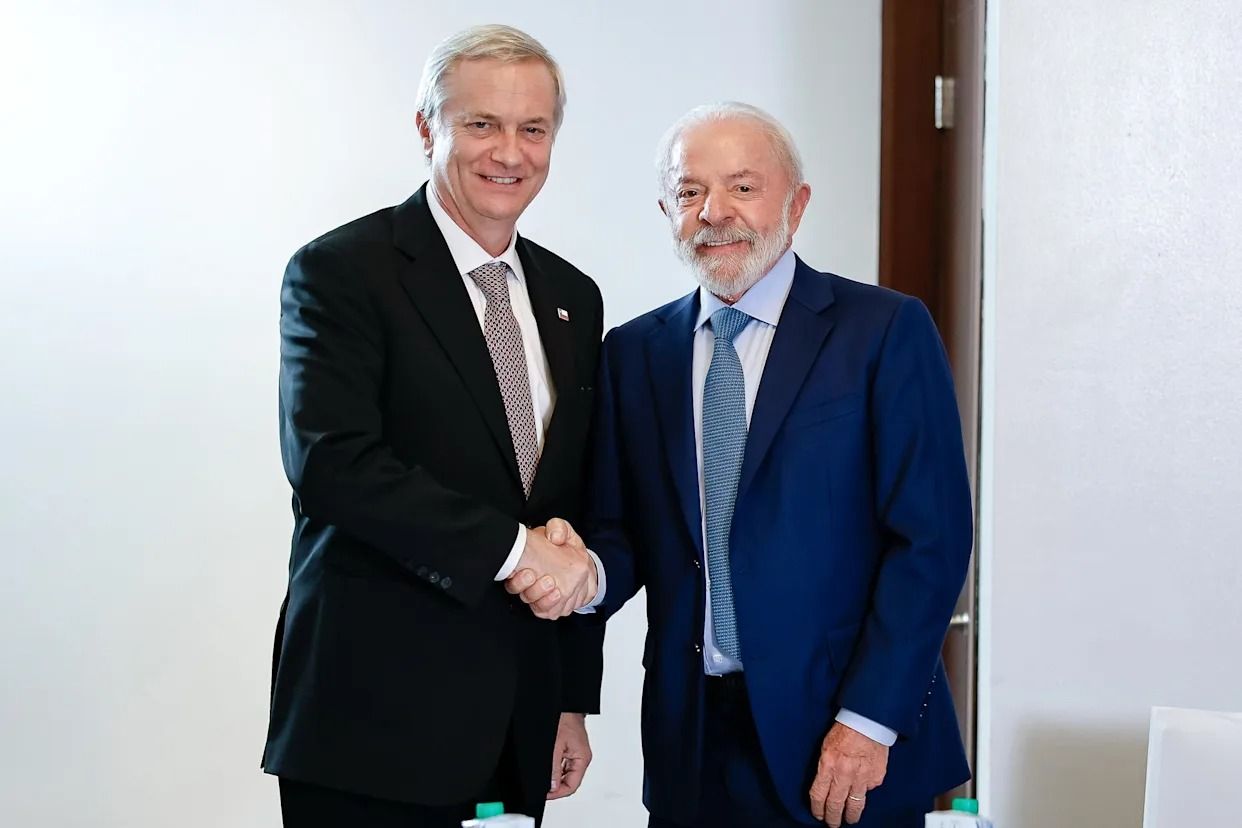
Brazil’s President Luiz Inácio Lula da Silva and Chile’s president-elect José Antonio Kast held their first bilateral meeting in Panama on Tuesday, shortly after arriving for the International Economic Forum for Latin America and the Caribbean — an event promoted by organizers and regional media as a “Latin Davos.”
The talks were held behind closed doors and brought together leaders from opposing political camps. After the meeting, Kast described it as “constructive” and said South America faces “enormous” challenges in security, economic progress and poverty reduction. He argued that cooperation between Chile and Brazil “can lead the change our region needs,” in a post on X.
Brazil’s Foreign Ministry had framed such contacts as normal on the sidelines of a gathering that will bring together multiple heads of state. “We maintain dialogue with absolutely all presidents in the region and our relations do not depend on the political cycle,” said Gisela Padovan, the ministry’s secretary for Latin America and the Caribbean, noting that Brazil was already in contact with Chile’s president-elect.
Forum draws eight top-level leaders
The forum runs in Panama City on January 28–29 and is expected to convene presidents, business leaders and multilateral institutions. CAF said the opening session will feature Panama’s President José Raúl Mulino, Lula, Bolivia’s President Rodrigo Paz, Ecuador’s President Daniel Noboa, Guatemala’s President Bernardo Arévalo and Jamaica’s Prime Minister Andrew Holness, with Kast attending as Chile’s president-elect.
Regional reporting has highlighted an agenda focused on growth, macroeconomic stability, investment, the energy transition, digital transformation and social cohesion, as the organizers seek to position the forum as a recurring high-level platform for Latin America and the Caribbean.
No official readout of the Lula–Kast discussion was released, but Kast’s public remarks pointed to security and economic cooperation as core themes, underscoring a broader pattern of cross-ideological engagement among governments across the region.