Category: Home

  • Global opposition to U.S. policy gains momentum after Davos confrontations — MercoPress
    Global opposition to U.S. policy gains momentum after Davos confrontations — MercoPress


    Global opposition to U.S. policy gains momentum after Davos confrontations

    Monday, January 26th 2026 – 02:02 UTC


    Although there is no single, unified global opposition bloc, the convergence of criticism from diverse regions highlights a trend toward a more multipolar diplomatic environment
    Although there is no single, unified global opposition bloc, the convergence of criticism from diverse regions highlights a trend toward a more multipolar diplomatic environment

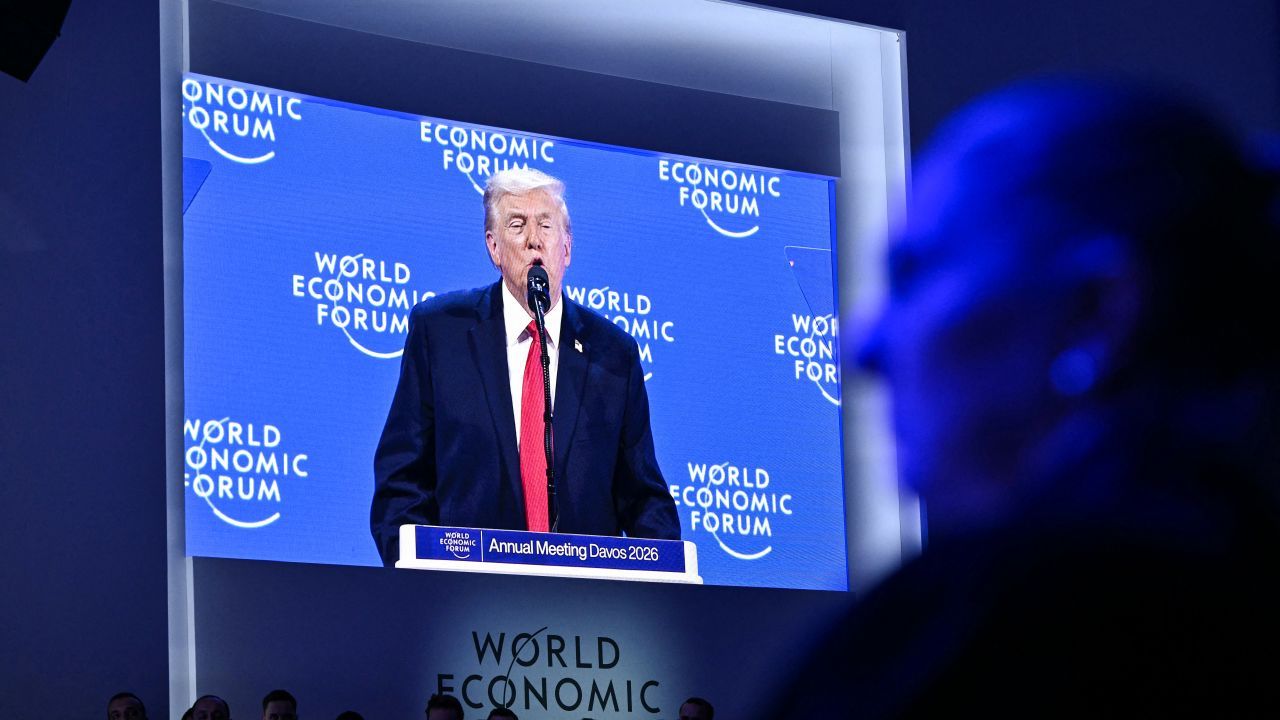
    Global opposition to United States foreign and trade policies has intensified in the wake of sharp confrontations at the World Economic Forum in Davos 2026, with leaders from Europe, Asia, and Latin America pushing back against unilateral U.S. initiatives, including strategic pressure tactics.

    At Davos, the pushback was unusually blunt. French President Emmanuel Macron called President Donald Trump’s tariff threat against European allies “fundamentally unacceptable” and said the European Union should be ready to deploy its anti-coercion mechanism — the so-called “trade bazooka.” “Can you imagine that? This is crazy,” Macron said, referring to the prospect of curbing U.S. access to European markets.

    Belgian Prime Minister Bart De Wever warned the bloc was “at a crossroads” and urged a coordinated response. “So we should unite and we should say to Donald Trump … ‘You’re crossing red lines here’,” he said, framing Europe’s choice starkly: “We either stand together or we will stand divided.”

    The opposition extends well beyond Europe. Countries including China, India, Canada and Brazil have voiced concerns about what they see as coercive or unilateral U.S. approaches on trade and global security, arguing that such steps weaken multilateral cooperation and the rules-based international order that took shape after World War II.

    At Davos, frustration also surfaced in debates over how to reduce strategic dependencies — energy, supply chains, critical infrastructure — without dismantling existing alliances. Against that backdrop, European leaders were preparing an emergency summit in Brussels to coordinate positions amid the Greenland dispute and tariff threats, while Washington urged the EU not to retaliate.

    International relations analysts say the moment could mark a pivot: long-standing alliances are being reassessed as U.S. foreign policy grows more assertive, and several governments have accelerated outreach and deals with other power centres — including China — across infrastructure, energy and technology to balance geopolitical influence.

    While there is no single, unified opposition bloc, the convergence of criticism from diverse regions points to a more multipolar diplomatic environment. In that climate, trade, collective security and sovereignty have moved back to the top of the international agenda — and the room for ambiguity is shrinking.


    Source link

  • Venezuela releases “at least 80” political prisoners as families wait outside jails — MercoPress

    Venezuela releases “at least 80” political prisoners as families wait outside jails — MercoPress


    Venezuela releases “at least 80” political prisoners as families wait outside jails

    Monday, January 26th 2026 – 01:11 UTC


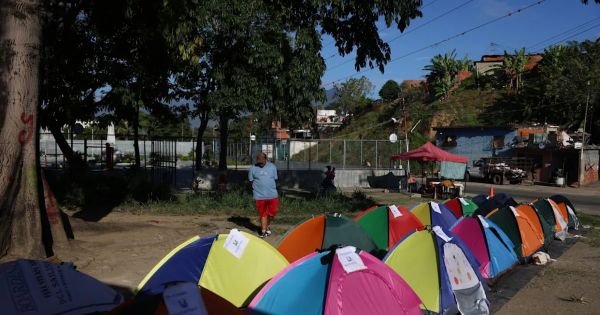
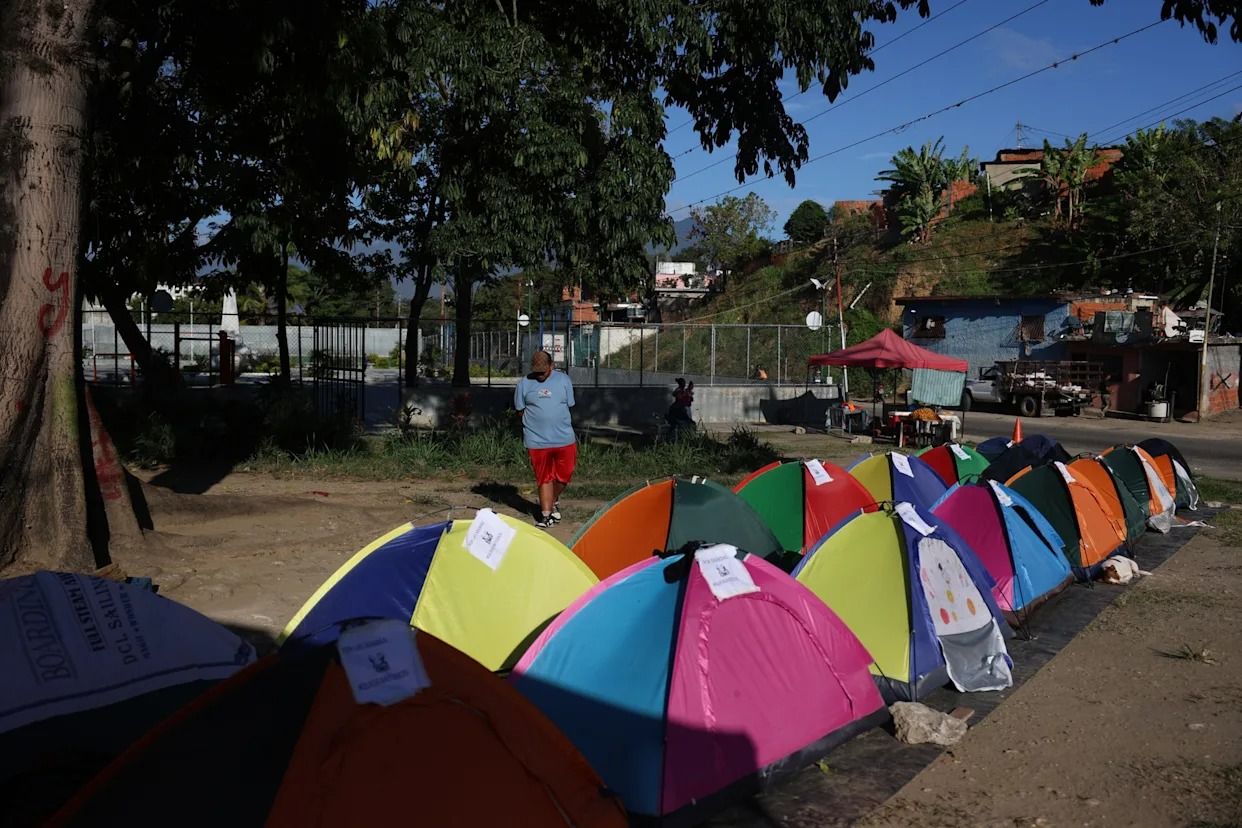
    Outside El Rodeo I prison near Caracas, families set up tents and mattresses to keep watch and share basic supplies
    Outside El Rodeo I prison near Caracas, families set up tents and mattresses to keep watch and share basic supplies

    Venezuela freed “at least 80” political prisoners on Sunday across multiple detention facilities, according to a preliminary count by rights group Foro Penal, in a slow-moving release process that has left relatives camping outside prisons while awaiting official confirmation.

    Foro Penal director Alfredo Romero said the group was “verifying” the releases and that the figure would “probably” rise as additional cases were confirmed. Lawyer Gonzalo Himiob said the releases took place overnight and that the total “is not definitive yet.”

    Outside El Rodeo I prison near Caracas, families set up tents and mattresses to keep watch and share basic supplies. “Now we are all family,” said Aurora Silva, the wife of opposition figure Freddy Superlano, who remains behind bars.

    Interim leader Delcy Rodríguez —who took over after Nicolás Maduro was captured in a U.S. military operation on January 3, according to official and media accounts— has promised a “significant” number of releases, but NGOs and opposition groups say the process lacks transparency and often involves restrictions rather than full freedom.

    Rodríguez has put the official total of releases since December at 626 and said she would ask the UN human rights office led by High Commissioner Volker Türk to verify the lists. She pushed back against NGO criticism, saying: “Enough of lying to the Venezuelan people.”

    Those official figures conflict with independent tallies. A Cooperativa report credited to EFE said Foro Penal and the opposition coalition Plataforma Unitaria Democrática estimated between 154 and 173 releases since the process was announced, while Infobae highlighted fluctuating partial counts and the uncertainty faced by families.

    Recent high-profile releases reported internationally include Rafael Tudares —son-in-law of opposition leader Edmundo González Urrutia— former presidential candidate Enrique Márquez, rights activist Rocío San Miguel and journalist Roland Carreño, with AFP describing the broader release effort as incremental amid lingering tensions after the 2024 protests and mass arrests.


    Source link

  • Milei takes over Ushuaia port as Tierra del Fuego warns of “overreach” and geopolitical motives — MercoPress

    Milei takes over Ushuaia port as Tierra del Fuego warns of “overreach” and geopolitical motives — MercoPress


    Milei takes over Ushuaia port as Tierra del Fuego warns of “overreach” and geopolitical motives

    Saturday, January 24th 2026 – 18:01 UTC


    The Tierra del Fuego government denied wrongdoing and said it will challenge the measure in court
    The Tierra del Fuego government denied wrongdoing and said it will challenge the measure in court

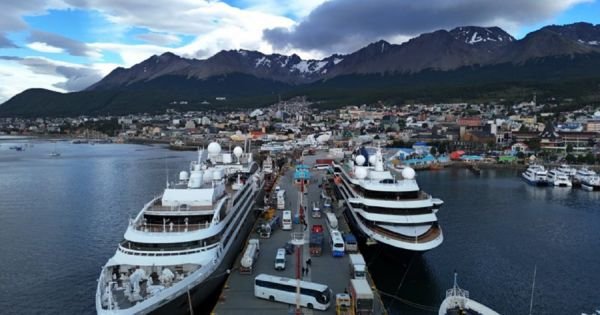
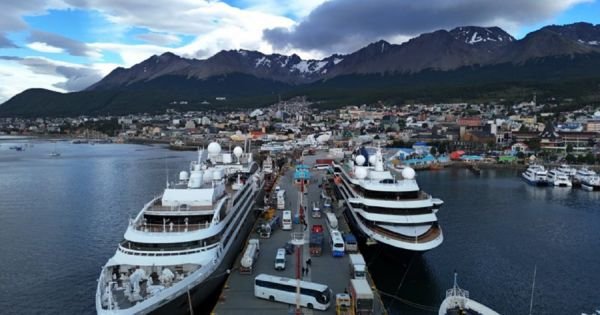
    Argentina’s government under President Javier Milei has intervened in the port of Ushuaia—the country’s southernmost port and a major gateway to Antarctica—taking control of operations for one year in a move that has reignited tensions with the Tierra del Fuego provincial administration and opened a wider dispute over federal authority.

    The intervention was ordered by the National Ports and Navigation Agency (ANPyN), a federal body under the executive branch, following inspections and allegations involving infrastructure shortcomings and the handling of funds. ANPyN said the decision followed a “lack of concrete responses” from provincial authorities, alongside workers’ complaints and concerns raised by shipping companies operating at the port.

    ANPyN director Iñaki Arreseygor told local media that an audit found that “more than 30%” of the port’s revenue had allegedly been used to cover provincial “deficits and expenses,” despite rules he said require the money to be reinvested in the port itself. He put the amount at roughly 6 billion pesos out of 20 billion pesos in total revenue identified in the audit.

    The Tierra del Fuego government denied wrongdoing and said it will challenge the measure in court. In an official statement, the province argued the intervention “constitutes an overreach” against its constitutionally protected autonomy, “without any argument or fact to support it,” and warned of “worrying narratives” about possible “geopolitical or economic intentions” behind the federal move.

    Peronist Governor Gustavo Melella—an outspoken Milei critic—said he does not agree with “the measure or its grounds,” and insisted the port meets “excellent standards,” pointing to its activity levels. Ushuaia has become a key node in South Atlantic maritime connectivity: over the past two seasons it logged more than 1,300 calls—ranging from cruise ships to fishing, cargo, military and scientific vessels—carrying nearly 200,000 passengers, according to official figures cited by the press.

    Peronist opposition figures have framed the intervention as part of a broader strategic push by the United States in Argentina’s far south. Guillermo Carmona, who served in the previous government’s now-dissolved secretariat covering the South Atlantic and Antarctica, said the takeover should be read “in a context of expanding US interests in Ushuaia” and what he described as the Milei administration’s willingness to allow a greater Washington footprint in the area.

    Those claims draw on recent precedents. In April 2024, Milei visited Ushuaia and met then–US Southern Command chief Laura Richardson, a trip presented as part of closer bilateral ties and Ushuaia’s role in Antarctic logistics.


    Source link

  • Brazil is expecting 353 million tons from the 2025/26 grains’ harvest — MercoPress

    Brazil is expecting 353 million tons from the 2025/26 grains’ harvest — MercoPress


    Brazil is expecting 353 million tons from the 2025/26 grains’ harvest

    Saturday, January 24th 2026 – 15:20 UTC


    Overall production is 0.3% higher than in 2024/25, but the planted area has increased 2.1 million tons to 89.3 million tons
    Overall production is 0.3% higher than in 2024/25, but the planted area has increased 2.1 million tons to 89.3 million tons

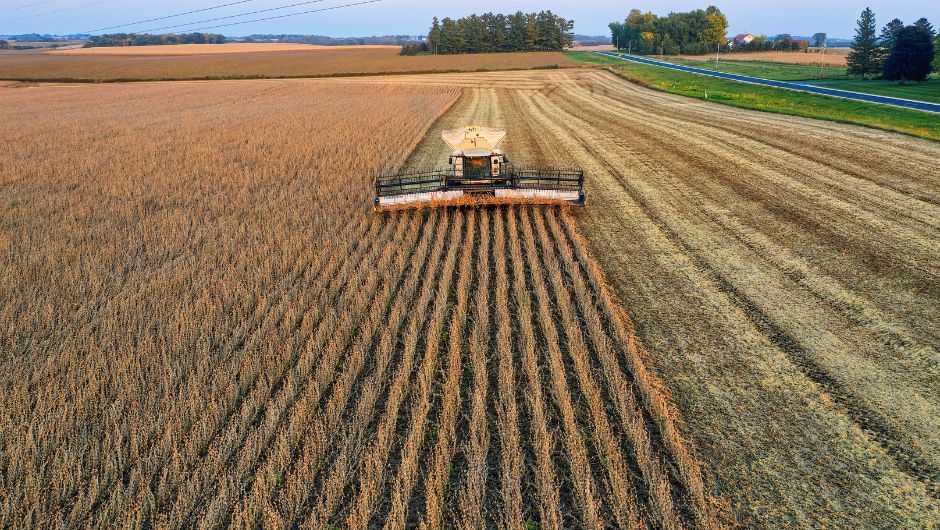
    Brazil is heading for a new record production of its 2025/26 grains harvest, mainly soybeans, maize sorghum, sunflower, according to the latest survey by Conab, the country’s agriculture supplies company. Overall the harvest is expected to reach 353.1 million tons, 0.3% higher than the previous farm year, while the area sown has reached 83.9 million hectares, 2.1 million higher than in 2024/25.

    In the vast Brazilian territory, the north/northeast region is forecasted to reach 55.8 million tons (15.8% of the total), while in the central/south region is estimated at 297.3 million tons (84.2%), and the Center/West and main production area, with 174.5 million tons, equivalent to almost half the overall crop production.

    More specifically soybean is expected to reach 176.1 million tons, 2.7% higher than the previous harvest, with the area planted also grown 2.8% from 47.4 million hectares to 48.7 million hectares. Yields remain overall stable, conditioned by climatic conditions.

    Regarding maize, and the three crops, despite an increase in area sown, from 21.7 million to 22.8 million hectares, there has been a slight drop in volume and yields, which has meant that the overall harvest is estimated at 138.9 million tons, compared to 141 million tons in 2024/25. Likewise the yield has fallen 343 kilos per hectare, from 6.457 to 6.114 k/ha.

    Sorghum according to Conab is expanding with the area planted increasing 11.3% and the crop has increased from 6.1 million to 6.7 million tons.

    Brazil’s demand for vegetable oil and bio-diesel has also had an impact on sunflower production, with a 102.000 tons production, an expansion both in area and volume, compared to 2024/25.

    With rice, production is estimated down 13% to 11.1 million tons, while the area planted also dropped 9.9%. Price and other options played a role. When it comes to feijão, or black beans, a staple legume in Brazil, total production is expected at 3 million tons, with a slight 0.5% drop from the previous harvest, and also an 11% reduction in the area planted.

    Regarding winter crops, the final volumes will be officially delivered next month but it is anticipated that the main grain, wheat, reached 7.9 million tons, similar to the previous winter season, despite a 20% fall in the area planted. Anyhow Brazil is a strong importer of wheat and rice from its Mercosur partners.


    Source link

  • Uruguay preparing for ‘super flu’ H3N2; reports first two cases from overseas contagion — MercoPress

    Uruguay preparing for ‘super flu’ H3N2; reports first two cases from overseas contagion — MercoPress


    Uruguay preparing for ‘super flu’ H3N2; reports first two cases from overseas contagion

    Saturday, January 24th 2026 – 15:38 UTC


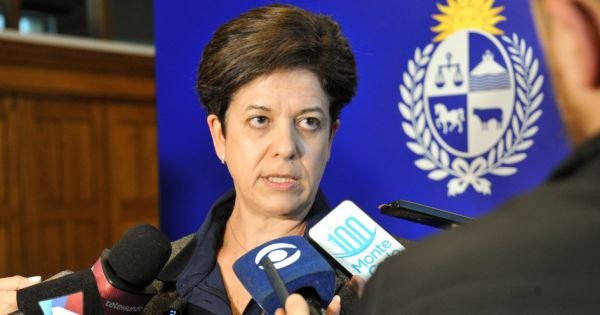
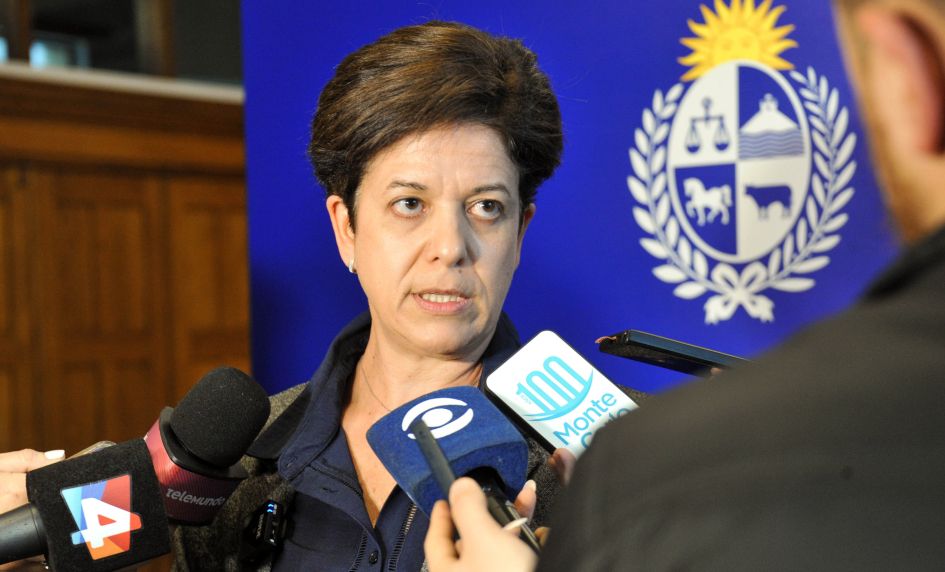
      Dr. Fernanda Nozar, head of National Health Department
    Dr. Fernanda Nozar, head of National Health Department

    Uruguay’s Public Health Ministry confirmed this week it had detected for the first time two cases of the so called ‘super flu K’ H3N2, both from people returning to the country, a boy who recently arrived from Finland, and a woman who visited next of kin in United States.

    According to the official information both patients have overcome the infection process with no complications. Contagion cases were detected by Health ministry ‘sentinel’ centers which are on the epidemiology watch-out. However there will not be an individual follow up, but rather an assessment of the overall sanitary impact.

    “So far there has been no community circulation of the virus, but we know it will happen as it is behaving in the northern hemisphere, and we expect this strain to begin expanding as we approach (austral) winter months”, Dr. Fernanda Nozar, head of National Health Department said. Community circulation is expected when there is no epidemiology link as in the first of the two cases detected.

    The influenza strain H3N2 is highly volatile with ‘subclades’ such as the current K, prevalent in the northern hemisphere and which surprised sanitary officials. Thus the name of ‘superflu,’ since outbreaks tend to be larger with a lesser immune reply, which overall is not necessarily more severe.

    Symptoms are similar to other variants of flu, high fever, sore throat and nasal secretion, pain in joints, coughing and fatigue. Contamination is also similar, droplets when speaking, common use utensils and closed environments.

    Dr. Nozar said that essentially there is no greater virulence, but rather more people infected, which threatens those with a predisposition for other health conditions or lesser immune capacity and “makes them more exposed to possible complications”.

    Such susceptible cases were identified as babies, children below five years, old timers (plus sixty), pregnancies, comorbidities and/or immune-depression.

    Meanwhile Uruguayan authorities have ordered and requested quick dispatch of anti-flu vaccines, which include the K subclade with the purpose of advancing the vaccination campaign from April to March. Uruguay has been following indications announced at the end of last year by the Americas regional Health Organization and World Health Organization.


    Source link

  • quick reaction Typhoons to upgrade state of the art radar system — MercoPress

    quick reaction Typhoons to upgrade state of the art radar system — MercoPress


    Falklands: quick reaction Typhoons to upgrade state of the art radar system

    Saturday, January 24th 2026 – 15:39 UTC


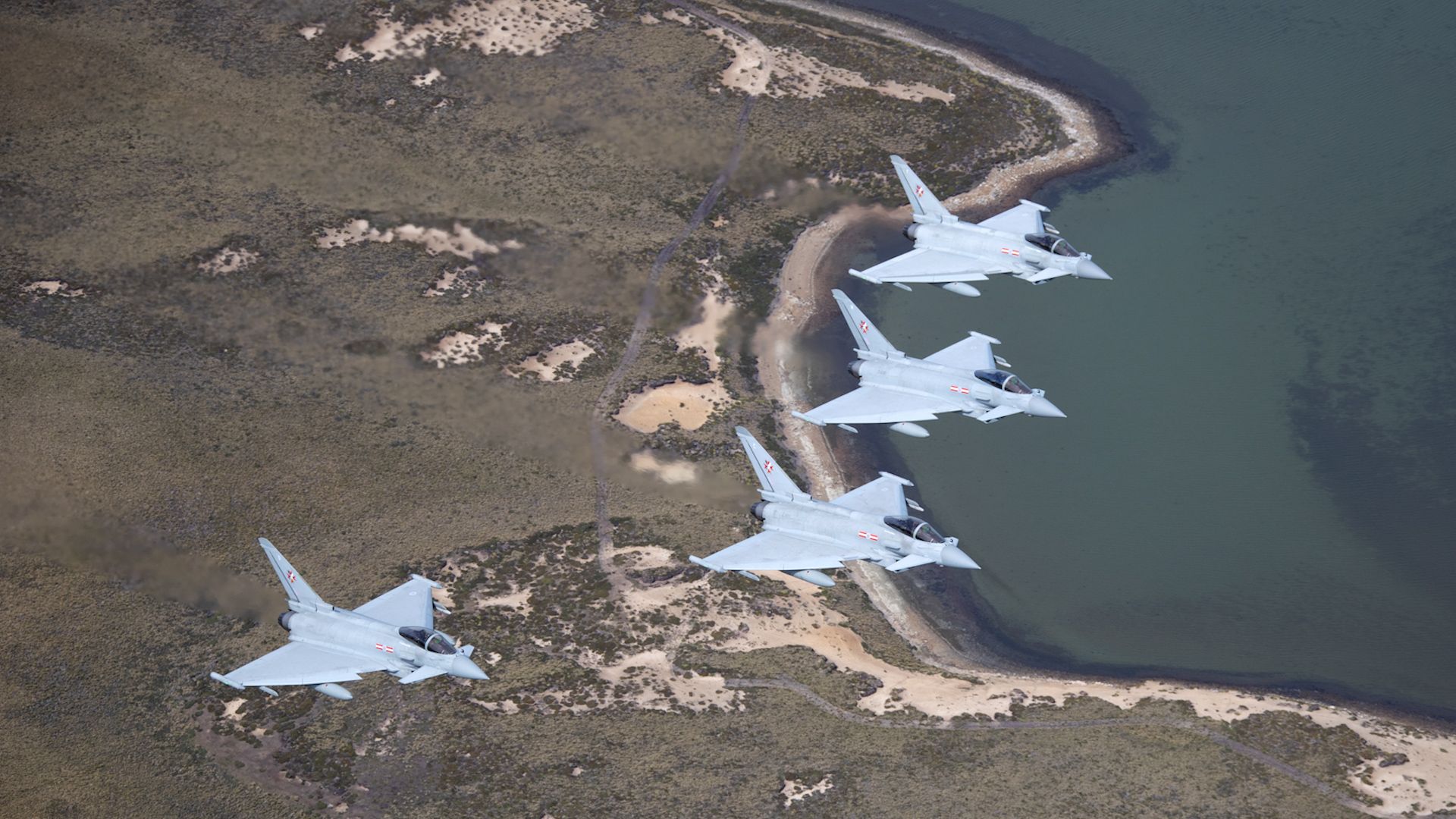
    A display of Typhoons over the Islands
    A display of Typhoons over the Islands

    The RAF’s fleet of Typhoon FGR Mk4s is being upgraded with new state-of-the-art radar systems to help the jets better detect and identify potential enemy aircraft. Typhoons play a key role in UK’s Quick Reaction Alert missions including in the Falkland Islands, as reported by Forces.net.

    The new radars, which are being manufactured under a £453m contract at Leonardo UK’s site in Edinburgh, aim to improve on the capability already provided by the existing European Common Radar System Mk2.

    Forty advanced ECRS Mk2 radars will be fitted to RAF Typhoons, including 38 new systems and modifications to two test systems.

    The current system is already quite potent, being capable of locating, identifying and suppressing enemy air defenses, providing advanced electronic warfare capabilities.

    The RAF points out how the radar’s ability to track both airborne and ground-based emitters without discharging a signal itself is a significant advancement over previous versions.

    This capability allows Typhoons to remain operational and effective in high-threat environments, ensuring they can detect, identify and track multiple targets simultaneously.

    Defence Secretary John Healey said of the new radar: “Our Typhoon fleet is the backbone of UK and NATO air defense, operated across Europe by the Royal Air Force and our allies to protect our skies and security.

    ”As the threats we face increase, and as Russian drones continue to strike Ukraine and violate NATO airspace, this cutting-edge radar capability will keep Britain secure at home and strong abroad for many years to come.”

    Under the new contract, BAE Systems, Leonardo UK and Parker Meggitt will equip the RAF’s Typhoons with the new radar systems over the coming years.

    The Typhoon F Mk2 was originally introduced for air-to-air combat, but has evolved into the FGR Mk4 – a highly capable and agile fourth-generation combat aircraft. It can be deployed in a wide range of air operations, including air policing, peacekeeping and high-intensity conflict.

    The Typhoon has been used efficiently in various missions, such as Operation Ellamy in Libya, Operation Shader in Iraq and Syria, Operation Azotize for Baltic Air Policing and Operation Biloxi for Southern Air Policing in Romania.

    The Mount Pleasant Complex station was opened in 1985 to establish a fighter and transport presence in the Falkland Islands. Currently base in MPC are No 1435 Flight with 4 Typhoon FGR4, No 1312 Flight, with a Voyager tanker and an Atlas C1 (A400M).


    Source link

  • Milei takes over Ushuaia port as Tierra del Fuego warns of “overreach” and geopolitical motives — MercoPress

    Milei takes over Ushuaia port as Tierra del Fuego warns of “overreach” and geopolitical motives — MercoPress


    Milei takes over Ushuaia port as Tierra del Fuego warns of “overreach” and geopolitical motives

    Saturday, January 24th 2026 – 14:01 UTC


    The Tierra del Fuego government denied wrongdoing and said it will challenge the measure in court
    The Tierra del Fuego government denied wrongdoing and said it will challenge the measure in court

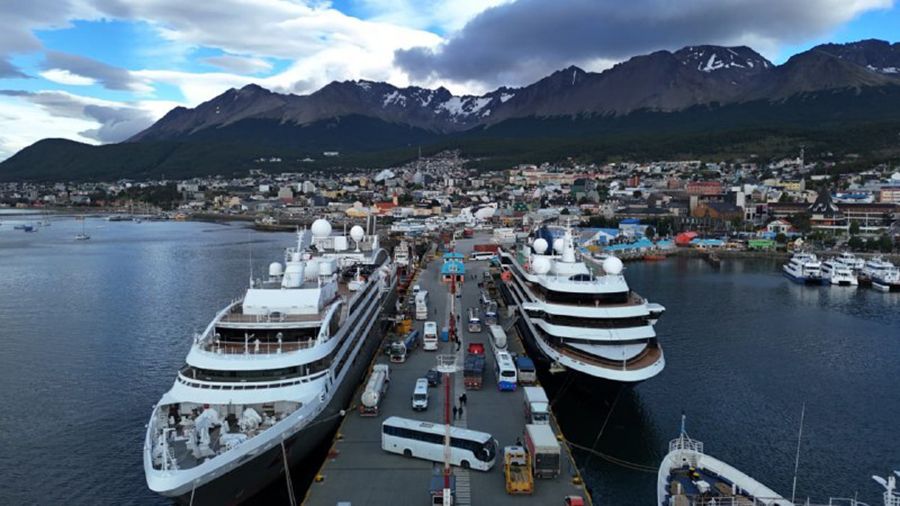
    Argentina’s government under President Javier Milei has intervened in the port of Ushuaia—the country’s southernmost port and a major gateway to Antarctica—taking control of operations for one year in a move that has reignited tensions with the Tierra del Fuego provincial administration and opened a wider dispute over federal authority.

    The intervention was ordered by the National Ports and Navigation Agency (ANPyN), a federal body under the executive branch, following inspections and allegations involving infrastructure shortcomings and the handling of funds. ANPyN said the decision followed a “lack of concrete responses” from provincial authorities, alongside workers’ complaints and concerns raised by shipping companies operating at the port.

    ANPyN director Iñaki Arreseygor told local media that an audit found that “more than 30%” of the port’s revenue had allegedly been used to cover provincial “deficits and expenses,” despite rules he said require the money to be reinvested in the port itself. He put the amount at roughly 6 billion pesos out of 20 billion pesos in total revenue identified in the audit.

    The Tierra del Fuego government denied wrongdoing and said it will challenge the measure in court. In an official statement, the province argued the intervention “constitutes an overreach” against its constitutionally protected autonomy, “without any argument or fact to support it,” and warned of “worrying narratives” about possible “geopolitical or economic intentions” behind the federal move.

    Peronist Governor Gustavo Melella—an outspoken Milei critic—said he does not agree with “the measure or its grounds,” and insisted the port meets “excellent standards,” pointing to its activity levels. Ushuaia has become a key node in South Atlantic maritime connectivity: over the past two seasons it logged more than 1,300 calls—ranging from cruise ships to fishing, cargo, military and scientific vessels—carrying nearly 200,000 passengers, according to official figures cited by the press.

    Peronist opposition figures have framed the intervention as part of a broader strategic push by the United States in Argentina’s far south. Guillermo Carmona, who served in the previous government’s now-dissolved secretariat covering the South Atlantic and Antarctica, said the takeover should be read “in a context of expanding US interests in Ushuaia” and what he described as the Milei administration’s willingness to allow a greater Washington footprint in the area.

    Those claims draw on recent precedents. In April 2024, Milei visited Ushuaia and met then–US Southern Command chief Laura Richardson, a trip presented as part of closer bilateral ties and Ushuaia’s role in Antarctic logistics.


    Source link

  • Brazil courted by U.S., EU over critical minerals amid geopolitical competition — MercoPress

    Brazil courted by U.S., EU over critical minerals amid geopolitical competition — MercoPress


    Brazil courted by U.S., EU over critical minerals amid geopolitical competition

    Saturday, January 24th 2026 – 14:13 UTC


    International analysts note that Brazil could emerge as a major supplier outside the traditional dominance of China
    International analysts note that Brazil could emerge as a major supplier outside the traditional dominance of China

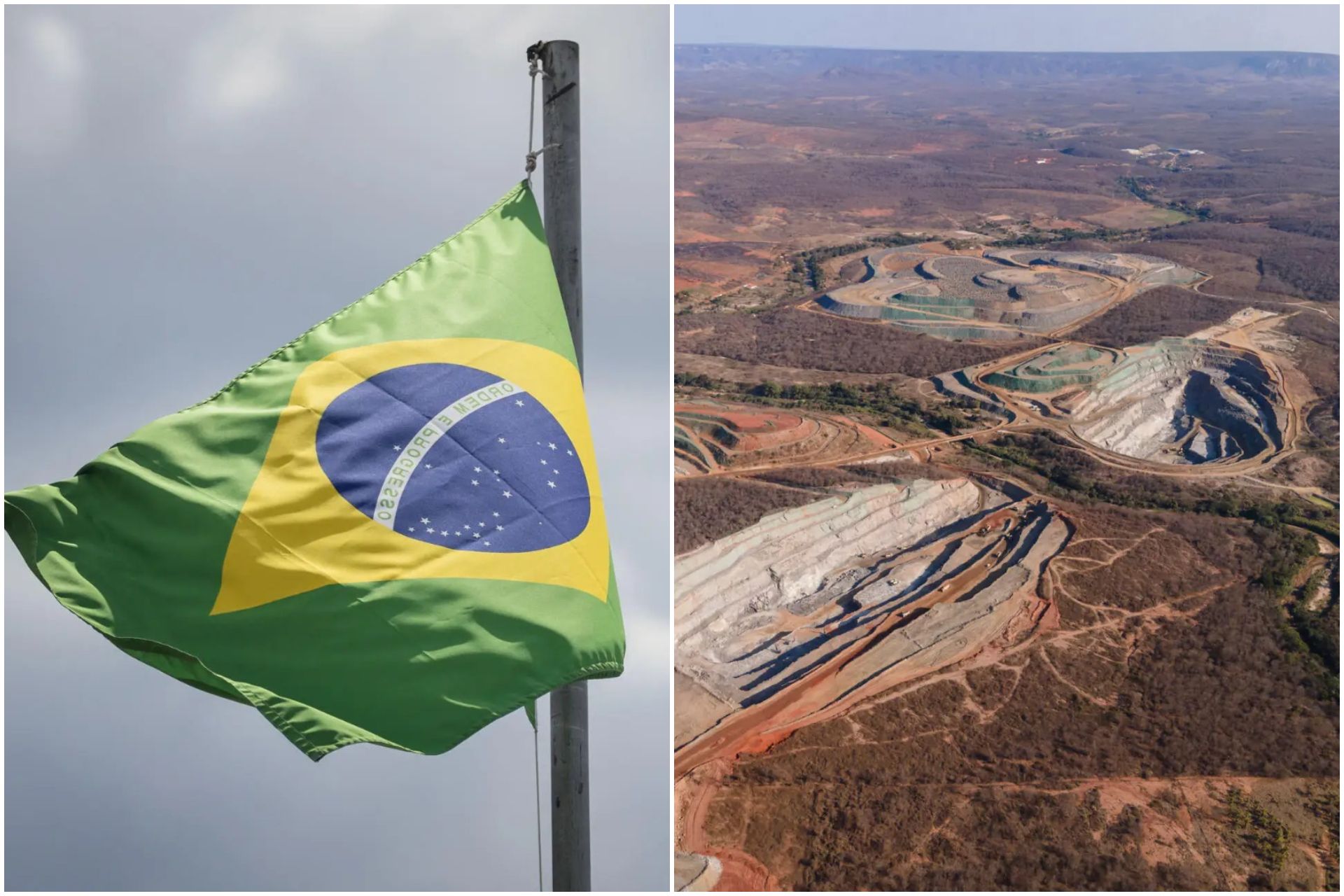
    Brazil has positioned itself as a strategic player in the global competition for critical minerals such as graphite, nickel, and niobium, which are essential for clean energy technologies, batteries, and defense systems. Both the United States and the European Union have stepped up diplomatic and commercial engagement with Brasília to secure supply deals and cooperation in value chains considered vital for the energy transition and industrial security.

    Brazilian officials, aware of their country’s vast mineral potential, have stressed that any collaboration will be assessed against environmental sustainability standards and national economic interests. They aim to avoid over‑dependence on single buyers while maximizing local benefits.

    International analysts note that Brazil could emerge as a major supplier outside the traditional dominance of China, especially for minerals critical to electric vehicle batteries and renewable energy infrastructure.

    This strategic positioning comes amid intensifying global competition to secure critical supply chains, driven by policy shifts toward industrial autonomy and trade fragmentation.


    Source link

  • What Now After Davos | News Americas Now

    What Now After Davos | News Americas Now


    By Dr. Isaac Newton

    News Americas, NEW YORK, NY, Sat. Jan. 24, 2026: Davos is the annual meeting of the World Economic Forum in Switzerland, where political leaders, CEOs, central bankers, and global influencers gather to discuss where the world is headed. No binding decisions are made, but signals are sent. What is said there often shapes policies that later touch everyday lives.

    This year, Canada’s Prime Minister Mark Carney used that stage to name a reality many already feel. He described the moment as “a rupture, not a transition,” warned that “the strong do what they can and the weak suffer what they must,” and reminded middle powers that “if we’re not at the table, we’re on the menu.” His message was simple and unsettling. Power is again setting the rules.

    What Now After Davos
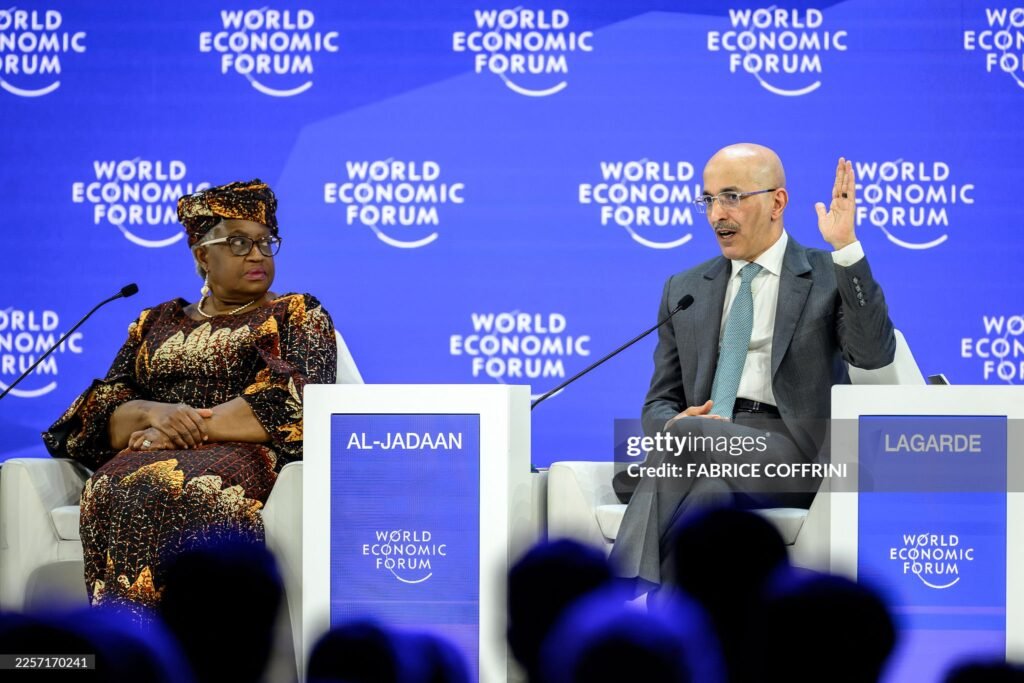
    Saudi Arabia’s Finance Minister Mohammed Al-Jadaan (R) gestures next to World Trade Organization (WTO) Director-General Ngozi Okonjo-Iweala during a session during the final day of the World Economic Forum (WEF) annual meeting in Davos on January 23, 2026. (Photo by Fabrice COFFRINI / AFP via Getty Images)

    That shift does not stay in conference rooms. When large economies clash, prices rise at local markets. When alliances tighten or loosen, jobs and investments follow. Davos speeches still sound polished, but outcomes now track interest more than intent. Smaller states feel the squeeze first, caught between decisions made elsewhere and consequences felt at home. The language of cooperation remains familiar, yet pressure has become the quiet driver.

    In this environment, influence comes from preparation. Policymakers need sharp priorities that guide every negotiation. Foreign ministries must focus on trade, debt, and security with technical skill, not ceremony. For ordinary citizens, foreign policy shows up in fuel costs, food supply, and internet access. Countries that plan well, coordinate internally, and act decisively earn respect even without size.

    For African and Caribbean nations, the response must be practical. Work together to buy food and fuel at better prices. Enter debt talks as groups, not single voices. Strengthen local energy, agriculture, and digital systems to soften global shocks. Keep partnerships balanced so no one relationship defines the future. In a world where order feels uncertain, clarity and cooperation remain powerful tools.

    EDITOR’S NOTE: Dr. Isaac Newton is an international strategist trained at Harvard, Princeton, and Columbia. He advises governments and global institutions on governance and development, helping leaders turn ideas into practical and lasting results.


    Source link

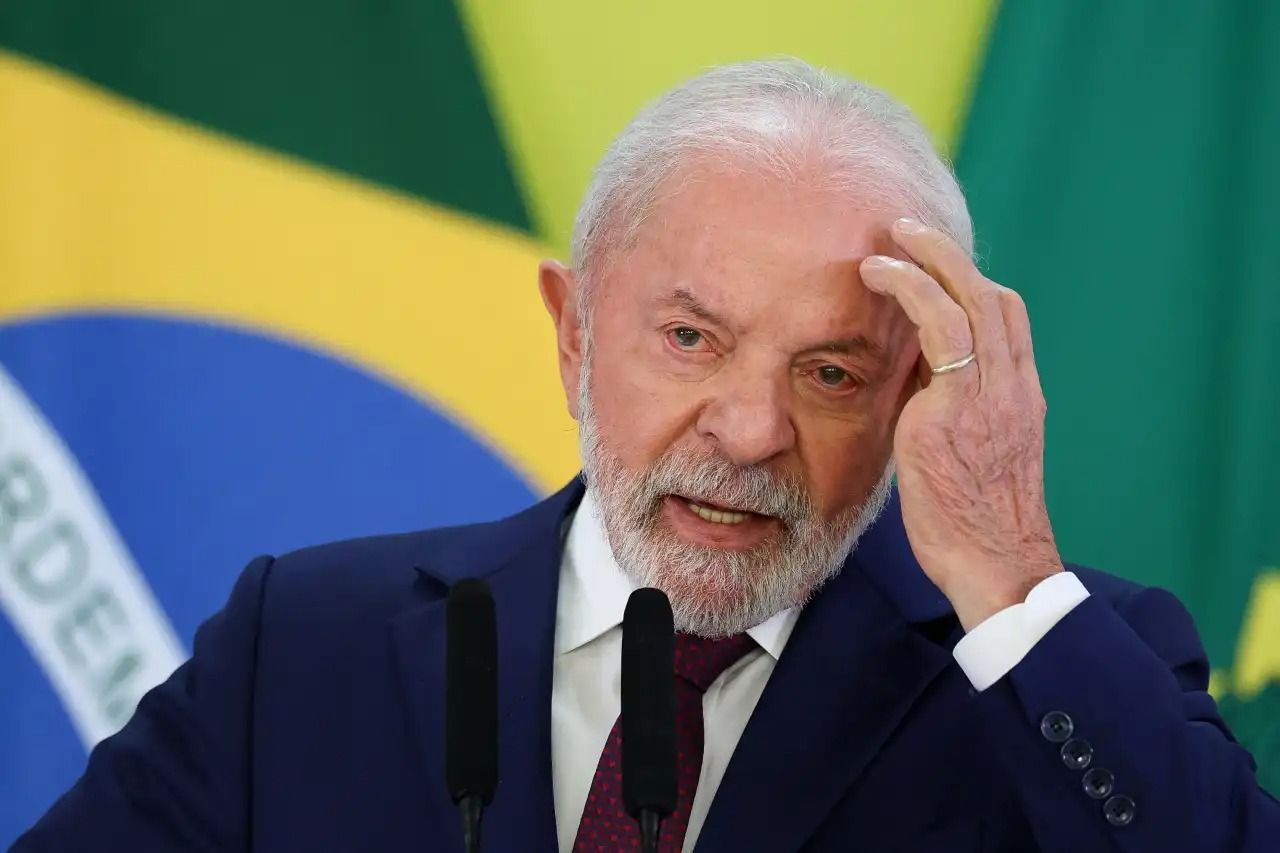
  • Lula says Trump wants to “create a new UN” as he attacks proposed Gaza Peace Council — MercoPress

    Lula says Trump wants to “create a new UN” as he attacks proposed Gaza Peace Council — MercoPress


    Lula says Trump wants to “create a new UN” as he attacks proposed Gaza Peace Council

    Saturday, January 24th 2026 – 02:32 UTC


    Lula spoke at the closing session of the 14th National Meeting of Brazil’s Landless Workers’ Movement (MST) in Salvador, Bahia
    Lula spoke at the closing session of the 14th National Meeting of Brazil’s Landless Workers’ Movement (MST) in Salvador, Bahia

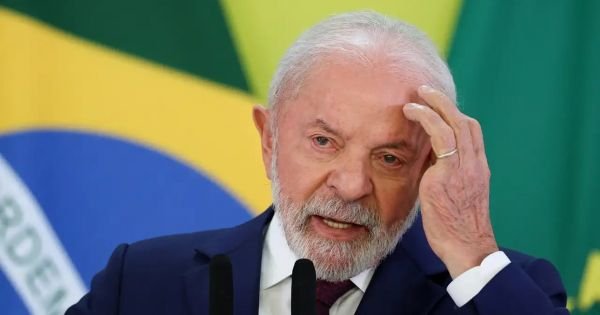
    Brazilian President Luiz Inácio Lula da Silva said on Friday that global politics is entering a critical phase in which “multilateralism is being thrown out by unilateralism,” and argued that US President Donald Trump is effectively proposing “to create a new UN in which he alone is the owner,” referring to Washington’s plan to set up a Peace Council tied to the administration of Gaza.

    Lula spoke at the closing session of the 14th National Meeting of Brazil’s Landless Workers’ Movement (MST) in Salvador, Bahia. He said the UN Charter was being “torn up” and reiterated Brazil’s long-standing call for UN reform—specifically, expanding permanent membership of the Security Council to include countries such as Brazil and Mexico, as well as African nations.

    The White House said Trump invited Lula to join the Peace Council, which—according to Washington—will supervise the work of a National Committee for the Administration of Gaza (NCAG). Trump has floated a “Board/Peace Council” concept to support an interim Gaza administration committee, with invitations also directed to other international leaders.

    In his remarks, Lula said he had been calling several leaders—including China’s Xi Jinping, Russia’s Vladimir Putin, India’s Narendra Modi and Mexico’s Claudia Sheinbaum—seeking a way to prevent multilateralism from being “knocked to the ground” and to avoid a return to politics dominated by “the force of weapons” and intolerance.

    Lula also condemned the recent US action in Venezuela that led to the capture of ruller Nicolás Maduro, questioning what he portrayed as a violation of territorial integrity. Maduro was seized in a US military operation and that the move drew condemnation from some international leaders.

    The MST delivered a letter to Lula that denounced “imperialism” and cited the Venezuela operation as an attack on sovereignty, while warning that such moves can be driven by the “plunder” of natural resources including oil, minerals, rare earths, water and forests.

    For now, the Trump administration has not publicly provided detailed parameters for the Peace Council—its membership, mandate or timeline—beyond linking it to the proposed Gaza administrative structure.


    Source link

Translate »