Category: Home

  • Using Latin American News to Improve Spanish Class Vocabulary

    Using Latin American News to Improve Spanish Class Vocabulary


    Studying Spanish often means learning words in lists, then trying to remember them during class. News from Latin America gives you vocabulary in action. You see how people actually describe politics, culture, sports, and daily life. You also learn regional phrases that textbooks rarely include. With the right method, a short article can build stronger vocabulary than an hour of random memorization.

    For many international students, learning Spanish through news can feel harder than it looks. You are not only decoding new vocabulary, but also adjusting to unfamiliar accents, political references, and cultural context. Even simple headlines can include idioms, abbreviations, or fast-changing slang. Add school deadlines on top, and it’s easy to fall behind. When your schedule is packed, you may rely on extra tools and support options to stay consistent, whether that means bilingual dictionaries, graded news platforms, study groups, or a tutor who can explain tricky phrasing in plain language.

    At the same time, international students often juggle writing-heavy classes in a second language, which can drain the energy they need for daily reading practice. If you are trying to keep up with essays, presentations, and vocabulary goals at once, it helps to build a backup plan for busy weeks. Some students use templates, sample outlines, or editing support, and others search for services that can do my essay online when they need structure help or a faster draft to learn from. The key is to use any extra resource in a way that improves your learning, such as turning corrections into a personal grammar checklist and reusing strong phrases in your next news summary.

    Why Latin American news works better than word lists

    News writing repeats key terms across days and weeks. Elections, inflation, protests, and public health topics return often. This repetition helps your brain store words faster. You also meet words in full sentences, which makes meaning clearer. When you see “subir,” “bajar,” or “aumentar” in economic stories, you learn how Spanish expresses change, not just the translation.

    Latin American outlets also expose you to real variation. Spanish class often leans on one “standard” model. News lets you hear Mexico, Colombia, Argentina, Chile, and Peru through their own word choices. You begin to notice patterns. For example, some regions prefer certain everyday verbs or political terms. Learning this early makes your vocabulary more flexible.

    Picking the right articles for your level

    The best article is the one you can finish. If you are A2–B1, choose short reports with clear structure. Sports recaps, weather events, and community updates are easier than long opinion pieces. If you are B2 and above, editorials and investigative reports can work well. Still, start with topics you already understand in your first language. Background knowledge reduces stress and improves comprehension.

    Aim for articles with these features:

    • Short paragraphs and simple headlines
    • A clear timeline of what happened
    • Familiar themes like education, sports, transport, or technology
    • Few names and acronyms, which can slow you down

    You can also follow the same topic for a week. That creates a “vocabulary loop,” where words repeat in new contexts.

    A simple 15-minute routine you can use daily

    You do not need to translate every word. Use a routine that forces active learning.

    Step 1: Skim the headline and first paragraph (2 minutes).

    Underline words that look important. Ignore details at first. Try to answer one question: “What is this about?”

    Step 2: Read for meaning (6 minutes).

    Read once without stopping. Then read again slowly. Each time you meet an unknown word, ask if it is essential. If not, keep going.

    Step 3: Choose 8–12 useful words (4 minutes).

    Pick words that you can reuse in class discussions. Prioritize verbs, connectors, and common nouns. Words like “sin embargo,” “mientras,” “debido a,” and “según” appear everywhere.

    Step 4: Make mini-sentences (3 minutes).

    Write one short sentence per word. Use the same tense you are studying in class. This turns passive recognition into active recall.

    This routine is small enough to repeat. Consistency matters more than intensity.

    How to build a “news vocabulary notebook” that actually helps

    Many students collect long lists and never review them. A better notebook is organized by use, not by date.

    Try these sections:

    • Power verbs: aprobar, anunciar, aumentar, reducir, exigir, denunciar
    • Connectors: sin embargo, por lo tanto, aunque, mientras, a pesar de
    • Numbers and change: porcentaje, tasa, promedio, incremento, caída
    • Public life: ciudadanía, protesta, sindicato, juicio, seguridad
    • Feelings and tone: polémico, crítico, contundente, preocupante

    Add two things to each entry: a short definition in Spanish and one real sentence from the article. Then write your own sentence below it. That second sentence is where learning happens.

    Turning one article into speaking practice

    Vocabulary improves faster when you use it out loud. After reading, do a 60-second summary. Keep it simple and structured:

    1. Tema: De qué trata la noticia. 2. Hechos: Qué pasó y cuándo.

    • Actores: Quiénes participaron.
    • Resultado: Qué cambió o qué se espera ahora.

    Then add one opinion sentence. Even a basic line works: “Me parece una decisión importante porque…” This pushes you to reuse connectors and adjectives from the text.

    If you work with a partner, ask and answer three questions:

    • ¿Qué parte te pareció más importante?
    • ¿Qué palabras nuevas aprendiste hoy?
    • ¿Estás de acuerdo con la decisión o la reacción?

    Noticing regional Spanish without getting confused

    Latin American news is great for exposure, but it can feel overwhelming. The goal is not to learn every regional term at once. Instead, learn to label variation.

    When you find a word that seems regional, do this:

    • Write it down with the country and the sentence.
    • Add a “neutral” alternative if you know one.
    • Keep both, but practice the one your class expects.

    This approach prevents confusion while still expanding your awareness. Over time, you will recognize accents and local vocabulary with less effort.

    Choosing words that help in exams and essays

    Not all news vocabulary is equally useful for school tasks. For class writing, focus on “academic news language,” because it transfers well into essays and presentations.

    High-value categories include:

    • Cause and effect: causa, consecuencia, provocar, afectar
    • Evidence and sources: datos, informe, cifras, según, de acuerdo con
    • Debate and policy: propuesta, medida, reforma, regulaciones
    • Trends: crecimiento, descenso, aumento, reducción

    When you learn these, your writing sounds more natural and more precise.

    Common mistakes and how to avoid them

    Mistake 1: Translating every word.

    This slows you down and kills motivation. Choose only essential words.

    Mistake 2: Saving vocabulary without review.

    If you never return to your list, it is just storage. Review twice a week.

    Mistake 3: Picking articles that are too hard.

    Difficulty should be “challenging but finishable.” Start shorter.

    Mistake 4: Learning nouns only.

    Verbs and connectors create fluency. Balance your selections.

    Conclusion

    Latin American news can turn Spanish vocabulary study into a real-world habit. You get repetition, context, and regional richness in a format that matches how Spanish is used every day. Use a short routine, pick reusable words, and speak or write with them right away. If you do this even four times a week, your vocabulary will expand faster, and your confidence in class will grow with it.



    Source link

  • Brazilian Startup Detects Water Leaks, Saving Billions of Liters and Earning Global Recognition

    Brazilian Startup Detects Water Leaks, Saving Billions of Liters and Earning Global Recognition


    From São Paulo to Abu Dhabi, one young engineer is proving that water can be saved not only with concrete and valves, but with listening. After a US$1 million global prize, her startup aims for Spain and beyond.

    A Bionic Ear Beneath the Asphalt

    In the first seconds after Marília Lara speaks, you can hear the decade she carries on her shoulders: the persistence of a country that swims in rivers yet still thirsts in neighborhoods, the patience of a scientist translating street noise into public policy, the quiet urgency of someone who has watched a basic right leak away, drop by drop, under the pavement of Brasil. Ten years ago, she began what she now calls the “Shazam” for water leaks: a company that can pinpoint losses in pressurized pipes by analyzing sound and vibration. Today, that same idea has traveled farther than many municipal water plans ever do, landing on a stage in Abu Dhabi with the kind of recognition that changes a small firm’s future overnight.

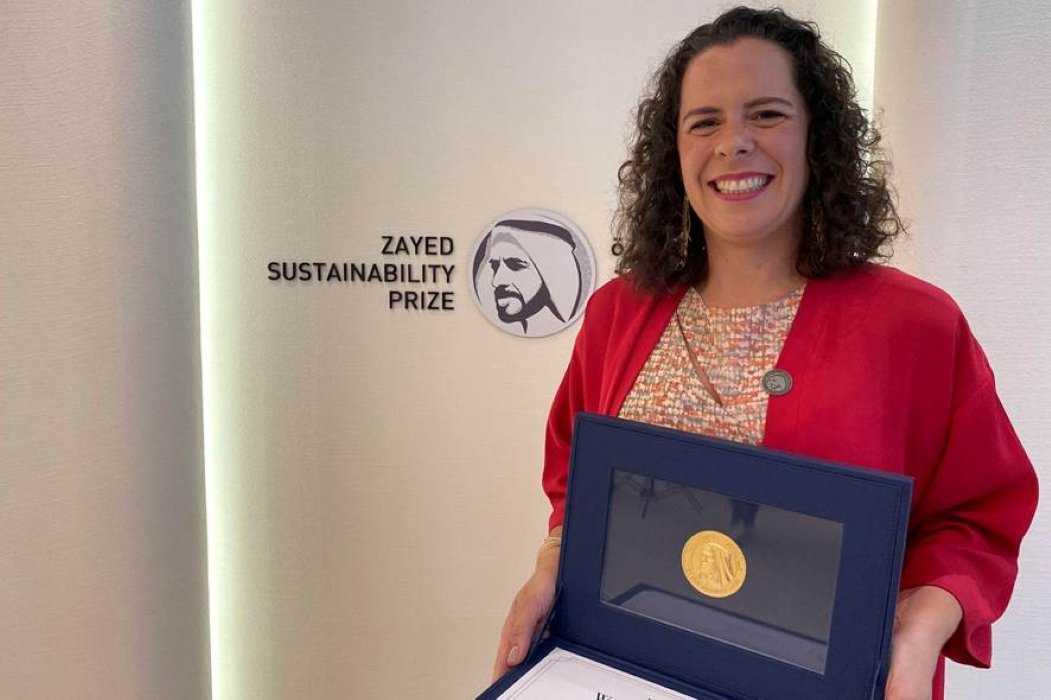
    The name of her company, Stattus4, was announced during the Zayed Sustainability Prize ceremony at Abu Dhabi Sustainability Week (ADSW), an event organized by the Emirati renewable-energy giant Masdar. The prize, worth US$1 million, recognized the project as the best global water initiative. Speaking to EFE after receiving the award—presented by Mohamed bin Zayed, president of the United Arab Emirates (EAU)—Lara framed the moment less as a trophy and more as fuel. “We’ve been developing this project for 10 years,” she told EFE, adding that the goal is to reinvest in the technology and, above all, expand beyond Brazil.

    Her explanation feels surprisingly tactile for something so data-driven. She describes the system as an “oído biónico,” a bionic ear. In practical terms, Stattus4 collects pressure readings and acoustic data from pipes—networks that must remain pressurized so water can climb the subtle hills and long blocks of any city. When a rupture occurs, the pipe vibrates differently than when it is intact. That difference, she told EFE, becomes a signature. With the help of artificial intelligence, the software learns to recognize these signatures, flagging not just leaks but inefficiencies in distribution. At one point, Lara asks a simple question through a smile—“Have you used ‘Shazam’?”—and the metaphor lands because it is familiar: the app that identifies a song in seconds. “We are the ‘Shazam’ of water leaks,” she told EFE, making the invisible suddenly easy to picture.

    In Latin America, where infrastructure often arrives late and maintenance is even later, metaphors matter. They translate innovation into something that city councils, overstretched utilities, and ordinary residents can grasp. And they cut through the political fog that so often surrounds water—treated as a technical issue until taps run dry, then weaponized as a scandal.

    One Million Dollars And The Weight Of Public Trust

    The organizers of the Zayed Sustainability Prize credited Stattus4 for combining artificial intelligence (AI) with the Internet of Things (IdC) in a way that allows utilities to detect and repair leaks with speed and precision described as “unprecedented,” according to the prize’s own assessment reported by EFE. The numbers attached to the company’s work are bold enough to sound like fiction, but they are presented as measurable outcomes: monitoring more than 5,000 kilometers of distribution networks, identifying over 22,000 potential leak points, and enabling savings of around 5.560 billion liters of water per day. The organizers said this reinforces water security for more than 4 million people and reshapes the efficiency of urban systems. These are not merely statistics; in a region where a missed repair can mean a neighborhood rationing water for weeks, each figure carries the emotional weight of daily life.

    Lara told EFE that the company already serves about eight clients among the ten largest water-distribution companies in Brazil—a telling detail in a sector that is often cautious, bureaucratic, and historically slow to adopt new tools. The leap from pilot projects to major contracts suggests that the technology has done something even more difficult than detecting leaks: it has earned institutional trust.

    Now, the ambition is to export that trust across the Atlantic. Lara said Stattus4 already has some projects in Portugal and that, for about a year, the team has studied how to expand into Mediterranean Europe—specifically Spain, Italy, and Portugal—where aging infrastructure, drought pressure, and political scrutiny are reshaping water management. The target is not only technical compatibility but a shared sense of urgency. The Mediterranean is no stranger to scarcity, and Latin America knows the feeling of watching a climate problem become a social one, then a political crisis.

    Her language, as reported by EFE, leans toward a kind of pragmatic idealism: working with cities in other countries to help save the “water of the world.” It is the sort of phrase that can sound grand, but in the hands of someone who has spent a decade listening to pipes, it reads less like marketing and more like a working hypothesis: that small, scalable fixes inside cities can have global consequences when repeated thousands of times.

    Abu Dhabi Sustainability Week (ADSW), the first major energy event of 2026, organized by the Emirati renewable-energy giant Masdar. EFE/Isaac J. Martín

    Brazil Has Water, Yet Loses It In Plain Sight

    There is a reason this story feels so Latin American: abundance and fragility live side by side. Brazil holds 12% of the planet’s freshwater reserves—about 53% of South America’s water resources—and much of the country’s borders are literally drawn by water, shaped by 83 border and transboundary rivers, along with basins and aquifers. Those figures should make insecurity unthinkable. Yet, in practice, water is not only a matter of how much a country has. It is also about pipes, governance, inequality, and whether the benefits of geography reach the periphery.

    That contradiction sharpens when the map changes color. A study released by the MapBiomas network found that Brazil lost 2.2% of its surface water in 2024 compared with 2023, maintaining a trend of decline that began in 2009. The same reporting highlighted that 2024 brought an extreme drought—the worst in six decades—and that the Amazon was hit hard, losing 3.6% of its water surface that year compared to its historical average. In a country where the word “Amazonía” serves as both an ecological symbol and a political battleground, those numbers sound like a warning siren.

    And yet Lara is careful about where her technology can—and cannot—go. Stattus4 is built for cities, she told EFE. It is not yet operating in the Brazilian Amazon. Even in Manaus, one of the region’s largest cities, she suggested that foundational issues must be solved before the company’s approach can be fully effective. Distribution has to exist. Homes must be connected to pipes. Water meters must be installed. Only then can the system reliably compare what enters the network with what reaches households. In other words, the bionic ear cannot hear what politics refuses to build.

    That candor is part of what makes her argument solid. Too often, innovation is sold as a shortcut around the slow work of public investment. Lara’s approach, as described to EFE, implies the opposite: technology can amplify good systems, but it cannot substitute for them. For Brazil, the lesson is uncomfortable and necessary. The country’s water challenge is not a lack of rivers; it is the modern challenge of making rights real through infrastructure, measurement, and management—especially in places where history has normalized absence.

    In the end, the scene in Abu Dhabi is less about glamour than about translation. A Brazilian startup took a problem many people accept as inevitable—water loss through unseen leaks—and turned it into something audible, actionable, and fundable. That is a Latin American kind of ingenuity: born from scarcity inside abundance, shaped by public pressure, and sharpened by the knowledge that when water disappears, it is never just water. It is time, money, dignity, and the fragile trust between a city and its people.

    Also Read:
    The Global Rise of LLCs, But Are They Always Protected?


    Source link

  • Bolivia’s vice president points to Urubó as possible hideout for fugitive Uruguayan trafficker Marset — MercoPress

    Bolivia’s vice president points to Urubó as possible hideout for fugitive Uruguayan trafficker Marset — MercoPress


    Bolivia’s vice president points to Urubó as possible hideout for fugitive Uruguayan trafficker Marset

    Friday, January 23rd 2026 – 13:55 UTC


    Marset, 34, has been on the run since July 2023, when he escaped a police operation in Santa Cruz
    Marset, 34, has been on the run since July 2023, when he escaped a police operation in Santa Cruz

    Bolivia’s Vice President Edmundo Lara said fugitive Uruguayan drug trafficker Sebastián Marset may be hiding in Urubó, an affluent residential area on the outskirts of Santa Cruz de la Sierra, and urged security forces and Interpol to carry out “urgent” raids to verify the lead. In a video posted on social media, Lara questioned why major operations had not been conducted in the area “for a long time,” suggesting a gap in enforcement that could be shielding the suspect.

    Lara also claimed police sources warned him that a police captain had become Marset’s “right-hand man,” implying internal protection networks. No public evidence has been released to substantiate the allegation against a specific officer, and Bolivian authorities have not formally detailed any case file linked to the claim. The remarks nonetheless raise the stakes in a cross-border manhunt that has repeatedly collided with accusations of corruption and local complicity.

    Marset, 34, has been on the run since July 2023, when he escaped a police operation in Santa Cruz. His case has evolved into one of the region’s most politically charged fugitive searches, with investigative threads reaching into Paraguay and Uruguay. Uruguayan reporting has documented his earlier run-ins with authorities over irregular travel documents and described alleged efforts to use political and diplomatic contacts to address legal exposure abroad.

    In Uruguay, the fallout has been particularly acute due to the passport scandal that triggered high-level resignations after revelations surrounding documentation that enabled Marset to leave Dubai, where he had been detained.

    Paraguay’s broader anti-trafficking investigations —including the A Ultranza Py case— have also kept Marset in the spotlight as a suspected key figure in transnational drug logistics and money laundering, according to reporting cited by Uruguayan outlets and investigations published with regional partners.


    Source link

  • Chavismo pushes oil-law reform to open Venezuela’s upstream to private firms — MercoPress

    Chavismo pushes oil-law reform to open Venezuela’s upstream to private firms — MercoPress


    Chavismo pushes oil-law reform to open Venezuela’s upstream to private firms

    Friday, January 23rd 2026 – 17:29 UTC


    According to the text, the reform would allow privately owned companies domiciled in Venezuela to take part in “upstream” activity through contracts with the state
    According to the text, the reform would allow privately owned companies domiciled in Venezuela to take part in “upstream” activity through contracts with the state

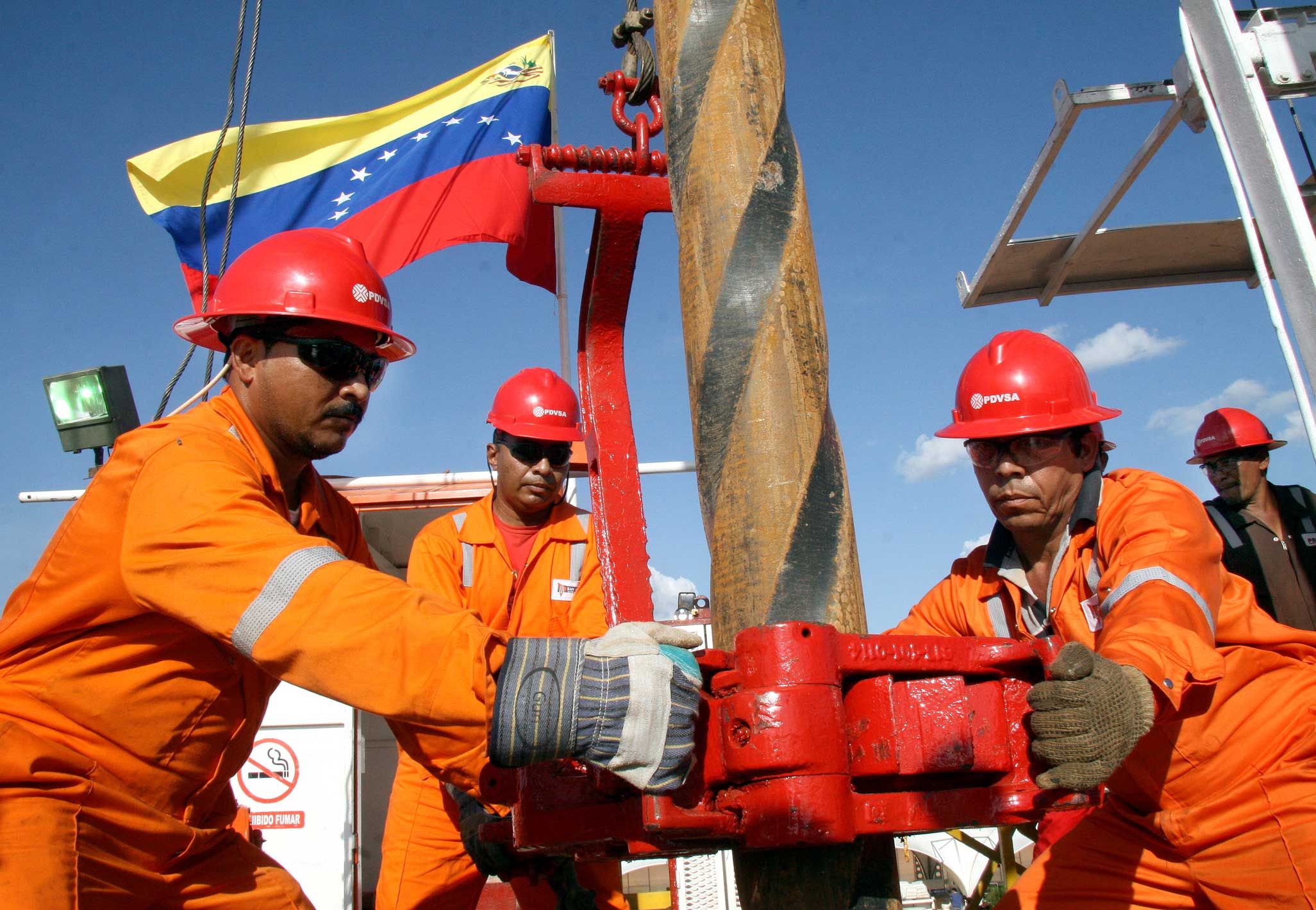
    Venezuela’s National Assembly has approved, in a first reading, a reform to the country’s Hydrocarbons Law that would expand private participation in crude production and marketing—an important shift from the long-running “mixed-company” model in which the state held majority stakes. The bill still requires a second reading before it can become law, EFE reported.

    According to the text and the rationale presented in parliament, the reform would allow privately owned companies domiciled in Venezuela to take part in “upstream” activity through contracts with the state, while also enabling producers to market crude directly. The draft also adds provisions allowing disputes to be handled in Venezuelan courts or through mediation and independent arbitration mechanisms.

    A politically sensitive element is the state take linked to output. The proposal lowers the applicable percentage to 15% in certain cases when mixed ventures operate, while maintaining other thresholds for private operators—changes that opposition lawmakers argue are being rushed through without adequate debate.

    Opposition figures have broadly backed the idea of attracting investment and restoring output, but they challenged the process. Lawmaker Stalin González wrote online that his caucus had not received the bill ahead of the session. Henrique Capriles called for an open discussion: “We would like to know the scope of the new energy agreements and what they want to change in the law. Let’s not be afraid of an oil debate in this country.”

    The legislative push comes amid heavy pressure on Venezuela’s oil sector and rising interest from companies and trading houses. It has been described talks in Washington and competition among firms seeking a role in marketing crude exports and accessing stockpiled volumes.

    In parallel, Delcy Rodríguez’s government has tried to signal political autonomy in its dealings with the United States. “If I had to visit Washington… I would do it standing, walking, not crawling,” Rodríguez recently said, framing upcoming diplomacy as a sovereignty test amid sensitive negotiations in parallel of opposition leader María Corina Machado’s visit to the White House.

    The second legislative debate will determine whether the government can lock in an opening that potential investors still tie to legal certainty and political risk—factors that, after past expropriations and long-running disputes with international oil companies, remain central to any long-term bet on Venezuela.


    Source link

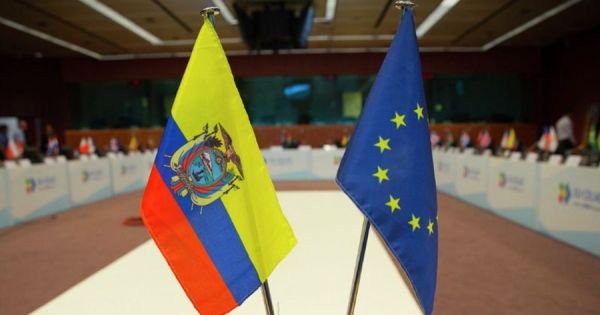
  • EU and Ecuador wrap up talks on sustainable investment deal, EU’s first SIFA with Latin America — MercoPress

    EU and Ecuador wrap up talks on sustainable investment deal, EU’s first SIFA with Latin America — MercoPress


    EU and Ecuador wrap up talks on sustainable investment deal, EU’s first SIFA with Latin America

    Friday, January 23rd 2026 – 14:04 UTC


    The EU-Ecuador talks were launched in late 2025 as Brussels sought to expand its investment toolkit beyond Europe and Africa and deepen engagement with strategic partners
    The EU-Ecuador talks were launched in late 2025 as Brussels sought to expand its investment toolkit beyond Europe and Africa and deepen engagement with strategic partners

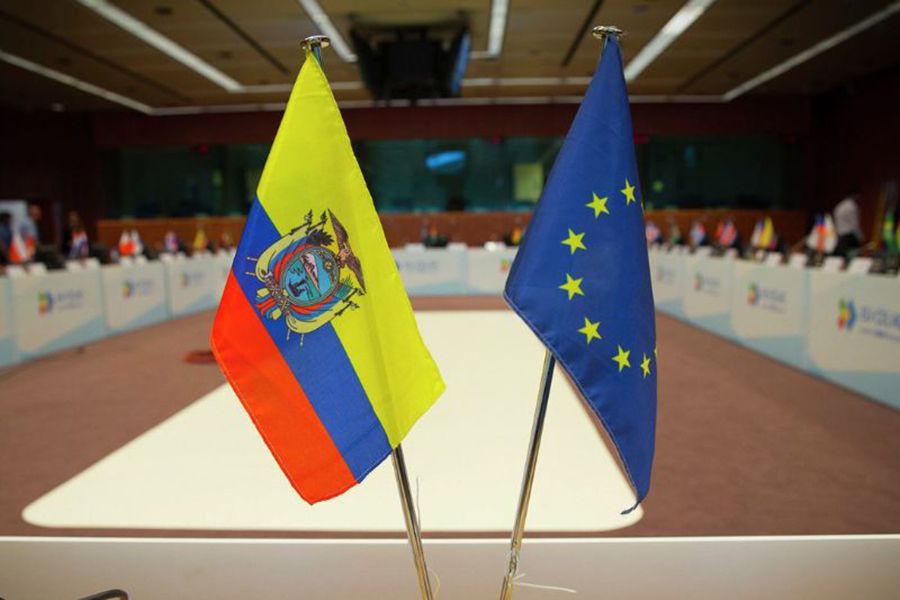
    The European Union and Ecuador have concluded negotiations on a Sustainable Investment Facilitation Agreement (SIFA), in what Brussels is portraying as the bloc’s first such deal with a Latin American country, according to an EFE report on Friday.

    In a Commission statement cited by EFE, the EU said the agreement is designed to make Ecuador’s business environment “more transparent and efficient,” targeting long-standing investor complaints such as regulatory uncertainty and bureaucratic hurdles. The Commission described the pact as “fundamental” to promoting EU investment in Ecuador.

    Unlike traditional investment protection treaties, a SIFA is built primarily around facilitation—streamlining authorisations, improving transparency and predictability of investment-related measures, and setting up administrative “focal points” to help investors navigate procedures. EU reference material on the bloc’s first SIFA (with Angola) frames these agreements as tools to make investment easier and more sustainable by promoting transparency, simplifying processes and encouraging responsible business conduct, including sustainability provisions and state-to-state dispute avoidance and settlement mechanisms.

    The EU-Ecuador talks were launched in late 2025 as Brussels sought to expand its investment toolkit beyond Europe and Africa and deepen engagement with strategic partners. At the time, EU messaging stressed Ecuador’s potential to attract more European capital if administrative frictions were reduced and legal predictability improved—an argument echoed in Ecuadorian coverage following the start of negotiations.

    The agreement also builds on an existing economic backbone: Ecuador has been part of the EU’s trade framework with Andean partners since joining the EU-Colombia-Peru trade agreement in 2017, which structured market access and rules for a significant share of bilateral commerce.


    Source link

  • Bolivia’s vice president points to Urubó as possible hideout for fugitive Uruguayan trafficker Marset — MercoPress

    Bolivia’s vice president points to Urubó as possible hideout for fugitive Uruguayan trafficker Marset — MercoPress


    Bolivia’s vice president points to Urubó as possible hideout for fugitive Uruguayan trafficker Marset

    Friday, January 23rd 2026 – 13:55 UTC


    Marset, 34, has been on the run since July 2023, when he escaped a police operation in Santa Cruz
    Marset, 34, has been on the run since July 2023, when he escaped a police operation in Santa Cruz

    Bolivia’s Vice President Edmundo Lara said fugitive Uruguayan drug trafficker Sebastián Marset may be hiding in Urubó, an affluent residential area on the outskirts of Santa Cruz de la Sierra, and urged security forces and Interpol to carry out “urgent” raids to verify the lead. In a video posted on social media, Lara questioned why major operations had not been conducted in the area “for a long time,” suggesting a gap in enforcement that could be shielding the suspect.

    Lara also claimed police sources warned him that a police captain had become Marset’s “right-hand man,” implying internal protection networks. No public evidence has been released to substantiate the allegation against a specific officer, and Bolivian authorities have not formally detailed any case file linked to the claim. The remarks nonetheless raise the stakes in a cross-border manhunt that has repeatedly collided with accusations of corruption and local complicity.

    Marset, 34, has been on the run since July 2023, when he escaped a police operation in Santa Cruz. His case has evolved into one of the region’s most politically charged fugitive searches, with investigative threads reaching into Paraguay and Uruguay. Uruguayan reporting has documented his earlier run-ins with authorities over irregular travel documents and described alleged efforts to use political and diplomatic contacts to address legal exposure abroad.

    In Uruguay, the fallout has been particularly acute due to the passport scandal that triggered high-level resignations after revelations surrounding documentation that enabled Marset to leave Dubai, where he had been detained.

    Paraguay’s broader anti-trafficking investigations —including the A Ultranza Py case— have also kept Marset in the spotlight as a suspected key figure in transnational drug logistics and money laundering, according to reporting cited by Uruguayan outlets and investigations published with regional partners.


    Source link

  • EU and Ecuador wrap up talks on sustainable investment deal, EU’s first SIFA with Latin America — MercoPress

    EU and Ecuador wrap up talks on sustainable investment deal, EU’s first SIFA with Latin America — MercoPress


    EU and Ecuador wrap up talks on sustainable investment deal, EU’s first SIFA with Latin America

    Friday, January 23rd 2026 – 14:04 UTC


    The EU-Ecuador talks were launched in late 2025 as Brussels sought to expand its investment toolkit beyond Europe and Africa and deepen engagement with strategic partners
    The EU-Ecuador talks were launched in late 2025 as Brussels sought to expand its investment toolkit beyond Europe and Africa and deepen engagement with strategic partners

    The European Union and Ecuador have concluded negotiations on a Sustainable Investment Facilitation Agreement (SIFA), in what Brussels is portraying as the bloc’s first such deal with a Latin American country, according to an EFE report on Friday.

    In a Commission statement cited by EFE, the EU said the agreement is designed to make Ecuador’s business environment “more transparent and efficient,” targeting long-standing investor complaints such as regulatory uncertainty and bureaucratic hurdles. The Commission described the pact as “fundamental” to promoting EU investment in Ecuador.

    Unlike traditional investment protection treaties, a SIFA is built primarily around facilitation—streamlining authorisations, improving transparency and predictability of investment-related measures, and setting up administrative “focal points” to help investors navigate procedures. EU reference material on the bloc’s first SIFA (with Angola) frames these agreements as tools to make investment easier and more sustainable by promoting transparency, simplifying processes and encouraging responsible business conduct, including sustainability provisions and state-to-state dispute avoidance and settlement mechanisms.

    The EU-Ecuador talks were launched in late 2025 as Brussels sought to expand its investment toolkit beyond Europe and Africa and deepen engagement with strategic partners. At the time, EU messaging stressed Ecuador’s potential to attract more European capital if administrative frictions were reduced and legal predictability improved—an argument echoed in Ecuadorian coverage following the start of negotiations.

    The agreement also builds on an existing economic backbone: Ecuador has been part of the EU’s trade framework with Andean partners since joining the EU-Colombia-Peru trade agreement in 2017, which structured market access and rules for a significant share of bilateral commerce.


    Source link

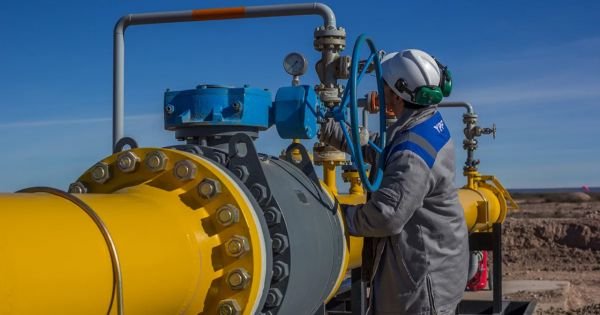
  • YPF and Pluspetrol swap upstream stakes to deepen Vaca Muerta push and feed Argentina LNG plan — MercoPress

    YPF and Pluspetrol swap upstream stakes to deepen Vaca Muerta push and feed Argentina LNG plan — MercoPress


    YPF and Pluspetrol swap upstream stakes to deepen Vaca Muerta push and feed Argentina LNG plan

    Friday, January 23rd 2026 – 14:16 UTC


    Pluspetrol will become a shareholder in Vaca Muerta Inversiones (VMI)—a YPF-controlled vehicle with exposure to the La Escalonada and Rincón de Ceniza blocks
    Pluspetrol will become a shareholder in Vaca Muerta Inversiones (VMI)—a YPF-controlled vehicle with exposure to the La Escalonada and Rincón de Ceniza blocks

    Argentina’s state-run oil company YPF and local producer Pluspetrol have agreed to a portfolio swap aimed at reshaping their positions in the Vaca Muerta shale play and strengthening supply for YPF’s flagship liquefied natural gas (LNG) export initiative.

    Under the deal, Pluspetrol will become a shareholder in Vaca Muerta Inversiones (VMI)—a YPF-controlled vehicle with exposure to the La Escalonada and Rincón de Ceniza blocks—while YPF will take over Pluspetrol’s interests in Meseta Buena Esperanza, Aguada Villanueva and Las Tacanas, areas tied by Argentine energy press to the future LNG export chain.

    Local coverage said YPF is positioning those three blocks as “strategic” for Argentina LNG, which the company has framed as a cornerstone for future growth and a source of hard-currency export revenues.

    The swap lands as Argentina’s shale sector continues to scale up output and infrastructure, with Vaca Muerta widely described as one of the world’s largest unconventional resources. Reuters, citing industry executives, has highlighted the basin’s high-quality rock and its importance to attracting sustained investment in Argentina’s energy outlook.

    Argentina LNG is central to that thesis. Reuters has reported that YPF has been building partnerships for the project—an export venture it has pitched in the tens of billions of dollars—seeking to ship LNG sourced from Vaca Muerta, initially using floating facilities before potentially expanding to onshore infrastructure.

    For Pluspetrol, the transaction fits a broader expansion strategy in Neuquén. The company significantly increased its Vaca Muerta footprint after acquiring ExxonMobil’s Argentine assets, including a stake in the La Calera development, one of the play’s key gas and condensate areas, according to EconoJournal.

    Analysts in Buenos Aires and Neuquén have framed YPF’s ongoing portfolio moves as part of a shift away from mature conventional assets and toward capital-intensive shale and export-linked projects—an approach that has become politically salient amid domestic debate over investment incentives, fiscal revenues and the pace at which energy exports can ease Argentina’s external constraints.


    Source link

  • Against The Odds: A Guyana Born Centenarian And Current Health Care

    Against The Odds: A Guyana Born Centenarian And Current Health Care


    By Ron Cheong

    News Americas, TORONTO, Canada, Fri. Jan. 23, 2026: Giving birth in a developing nation a hundred years ago was an act of quiet bravery. In British Guiana in the 1920s, childbirth carried an ever-present risk: infant mortality stood at a staggering 159 deaths per 1,000 live births. Mothers laboured without modern diagnostics, antibiotics, blood banks, or neonatal care. Survival often depended on little more than resilience, luck, and the skill of a handful of dedicated doctors. Against those odds, my aunt Pauline (Irma) Persaud was born and survived, along with three of her siblings.

    Guyana-born Centenarian Pauline (Irma) Persaud, c. (contributed image)
    Guyana-born Centenarian Pauline (Irma) Persaud, c. (contributed image)

    This week, she reached the extraordinary age of 100. Frail in body now, her mind remains remarkably sharp. Even in her late nineties, she could correct me when I misremembered a family detail. At 100, her mental clarity endures, though the energy to converse has understandably waned.

    Yet, when I asked her what she could recall of her earliest years, she surprised me. She believes the attending physician at her birth was Dr. Bissessar. She remembers him fondly, especially an image that has stayed with her for nearly a century: the doctor placing her younger sister – my mother – on a swing and gently rocking her. My mother, she said, adored him.

    What my aunt did not know is that Dr. Bissessar’s grandson and I have been lifelong close friends. For decades, neither of us was aware of this earlier connection. It is a coincidence that quietly bridges generations – one life, one family, and one country’s long arc of medical progress.

    A Century Later: Measuring The Distance Traveled

    Fast-forward to 2025. Guyana’s infant mortality rate stands at approximately 24 deaths per 1,000 live births. While still higher than in developed countries, the difference from a century ago is profound. Behind that single statistic lies improved antenatal care, trained midwives, vaccination programs, emergency obstetric services, and access – however uneven – to modern medical facilities.

    Healthcare progress, of course, is never linear. Guyana’s system has experienced periods of neglect, underinvestment, and uneven leadership. But the past five years mark a notable inflection point.

    Rebuilding The Foundations: Infrastructure And Access

    One of the most visible changes has been the rapid expansion of healthcare infrastructure. Several new regional hospitals have been brought on stream or advanced significantly, including facilities in Kato, Lethem, and Moruca – areas long underserved due to geography and historical neglect. These are not symbolic projects; they are functional hospitals intended to reduce the need for dangerous and costly medical travel.

    In communities such as Mahdia, improved health facilities have dramatically improved access to primary and emergency care. Across the country, dozens of health posts and clinics have been built or rehabilitated, bringing services closer to hinterland and rural populations where outcomes were once predictably poor.

    For a nation still grappling with vast distances and uneven population distribution, bricks and mortar matter. But buildings alone are not enough.

    Leadership And Stewardship: A Stark Contrast

    Under the stewardship of Minister of Health Dr. Frank Anthony, the health sector has demonstrated coherence, urgency, and a clear sense of direction. This stands in sharp contrast to the dismal performance under a previous administration.

    That earlier period was marked by shortages, industrial unrest, deteriorating facilities, and a worrying absence of strategic planning. Morale among healthcare workers sank, and public confidence eroded. The system did not merely stagnate – it regressed.

    Dr. Anthony’s return to the ministry brought immediate stabilization and a longer-term reform agenda. Procurement improved, staffing challenges were addressed more systematically, and partnerships that had long been discussed but never realized were finally activated.

    COVID-19: A Defining Stress Test

    Nothing tested Guyana’s healthcare leadership more severely than the Covid-19 pandemic. The contrast between administrations could not have been clearer.

    Dr. Anthony’s response was swift, science-driven, and largely transparent. Guyana moved quickly to secure vaccines, expand testing capacity, and communicate public-health guidance. Mistakes were inevitable, but course corrections were made.

    Covid exposed weaknesses everywhere, but it also demonstrated what competent leadership could achieve under pressure.

    Vision 2030: Leapfrogging Into Modern Care

    Today’s reforms are framed within a broader national blueprint: Vision 2030. The ambition is unapologetically bold: to transform Guyana’s public health system into a modern, accessible, and resilient one.

    Central to this vision is “leapfrogging”: using digital health tools and targeted investments to bypass outdated systems entirely. Initiatives include electronic health records, telemedicine for hinterland communities, and dramatically faster diagnostics. The national pathology laboratory, for example, has reduced test turnaround times from months to days – a change that saves lives quietly but decisively.

    Partnerships underpin this effort. Collaborations with Mount Sinai, the World Bank, and others are helping modernize infrastructure, train healthcare workers, and strengthen pandemic preparedness through a “One Health” approach that integrates human, animal, and environmental health.

    Maternal and child health, cancer care, and workforce development are explicit priorities. Immunization rates have improved significantly, malaria cases have fallen sharply, and diagnostic capacity has expanded nationwide.

    One Life, One Century, One Measure Of Progress

    My aunt was born into a world where survival itself was uncertain. That she reached adulthood -let alone 100 – is a testament to personal resilience and the quiet dedication of doctors like Dr. Bissessar, working with limited tools but immense commitment.

    Her life also offers a human measure of national progress. From an era when infant death was tragically common to one where modern healthcare is increasingly expected, Guyana has traveled far, but there is more to do – the work continues, and my aunt continues to be an inspiration.

    EDITOR’S NOTE: Ron Cheong, born in Guyana, is a community activist and dedicated volunteer with an extensive international background in banking. Now residing in Toronto, Canada, he is a fellow of the Institute of Canadian Bankers and holds a Bachelor of Science degree from the University of Toronto. His comments are his own and do not reflect those of News Americas or its parent company, ICN.


    Source link

  • Argentina’s tax and customs agency complaint targets national football federation over fake invoices — MercoPress

    Argentina’s tax and customs agency complaint targets national football federation over fake invoices — MercoPress


    Argentina’s tax and customs agency complaint targets national football federation over fake invoices

    Friday, January 23rd 2026 – 04:08 UTC


    The case is being handled in federal court and remains at an early stage
    The case is being handled in federal court and remains at an early stage

    Argentina’s Revenue and Customs Control Agency (ARCA) has filed a fresh complaint against the Argentine Football Association (AFA), alleging undocumented outflows of money and the use of fake invoices, with a preliminary estimated tax damage of more than 375 million pesos (around USD 262,372.01), according to Argentine media reports.

    The filing follows an audit of AFA operations covering March 2023 to June 2025. As reported by Infobae, ARCA’s review flagged fund movements that allegedly lacked sufficient supporting documentation, as well as payments to suppliers identified through the tax authority’s risk-analysis systems.

    The case is being handled in federal court and remains at an early stage. TN reported that ARCA described the move as “a new complaint,” rather than an add-on to an earlier case.

    Media accounts say the probe included on-site inspections, address checks, banking analysis and cross-referencing tax databases. The alleged pattern involves companies issuing high-value invoices without the economic capacity to provide the declared services—such as lacking staff, infrastructure or a track record consistent with the billed work—raising suspicion that the invoices were used to justify expenditures without real underlying transactions.

    AFA, led by Claudio “Chiqui” Tapia, has reportedly challenged the administrative tax adjustments, triggering a deeper “assessment ex officio” procedure—standard when a taxpayer disputes initial determinations.

    The new complaint adds to a separate, earlier ARCA filing involving alleged tax and social security evasion that local coverage estimates at more than ARS 19 billion.

    ARCA is the agency that replaced AFIP by presidential decree in October 2024, retaining tax, customs and social security collection powers.


    Source link

Translate »