Category: Home

  • EU-Mercosur trade deal could turn South America into a critical minerals powerhouse — MercoPress
    EU-Mercosur trade deal could turn South America into a critical minerals powerhouse — MercoPress


    EU-Mercosur trade deal could turn South America into a critical minerals powerhouse

    Monday, January 19th 2026 – 10:57 UTC


    The emphasis on critical minerals comes amid a broader geopolitical scramble for resources essential to green and digital economies
    The emphasis on critical minerals comes amid a broader geopolitical scramble for resources essential to green and digital economies

    The free trade agreement between the European Union (EU) and the Mercosur bloc (Argentina, Brazil, Paraguay and Uruguay) could help turn South America into a major player in the global market for critical minerals and rare earths, EU Trade Commissioner Maroš Šefčovič said in an interview with EFE from Asunción.

    Šefčovič, who signed the historic deal on behalf of the 27 EU member states, insisted that the pact will not harm European farmers and stressed that lower tariffs and increased market access will benefit consumers and support job creation. “We want to live in a world where tariffs are low so that consumers — our citizens — can access a greater variety of products at better prices,” he said.

    Strategic minerals and geopolitical opportunity

    The Trade Commissioner underscored that one of the sectors with the greatest growth potential under the agreement is that of critical minerals and rare earth elements — key components in clean energy technologies, digitalization and defense systems.

    Currently, China dominates the processing and production of critical minerals, a dependency that the EU’s Critical Raw Materials Act seeks to reduce by 2030 through diversified sourcing, increased recycling and domestic extraction targets. The EU-Mercosur pact is seen as a tool to secure stable supplies of essential raw materials, given that Mercosur countries are significant producers of materials such as graphite, niobium and manganese, which are used in batteries, advanced electronics and strategic industrial applications.

    Brazil and Argentina in the minerals race

    South America’s reserves of rare earths and other critical minerals are substantial, though largely underdeveloped due to investment and infrastructure gaps, Šefčovič acknowledged. “Brazil has the second-largest reserve, but it needs investment, procurement agreements and long-term contracts — and that is exactly what we want and need,” he said. Argentina also has notable deposits that could attract investment under the new trade framework.

    The EU-Mercosur agreement — which will progressively eliminate more than 90% of bilateral tariffs and create one of the world’s largest free trade areas with around 780 million consumers — is expected to stimulate investment in mining and supply chain development.

    Addressing European concerns

    European farmers have protested the deal, fearing competition from South American agricultural imports. Šefčovič defended the pact’s safeguard mechanisms, saying they are “unprecedented in depth, breadth and scope” to prevent price and volume shocks that could disadvantage local producers.

    He also addressed concerns about the use of pesticides in South America that are not allowed in the EU, noting that impact assessments on animal welfare and food safety are underway but are not expected to be problematic. The deal includes significant increases in inspections and audits on both sides of the Atlantic to ensure compliance.

    Global context of critical resources

    The emphasis on critical minerals comes amid a broader geopolitical scramble for resources essential to green and digital economies. Europe has lagged behind competitors such as the United States and China in securing supply chains for critical materials, prompting initiatives like the Critical Raw Materials Act and strategic deals such as the EU-Mercosur agreement.

    The pact, signed after more than 25 years of negotiation, reinforces economic ties and reflects strategic efforts by both blocs to diversify supply sources, build investment partnerships and reduce reliance on dominant global suppliers, particularly China.

    Source link

  • Chile wildfires kill at least 18; Boric orders curfew and declares state of catastrophe — MercoPress

    Chile wildfires kill at least 18; Boric orders curfew and declares state of catastrophe — MercoPress


    Chile wildfires kill at least 18; Boric orders curfew and declares state of catastrophe

    Monday, January 19th 2026 – 04:05 UTC


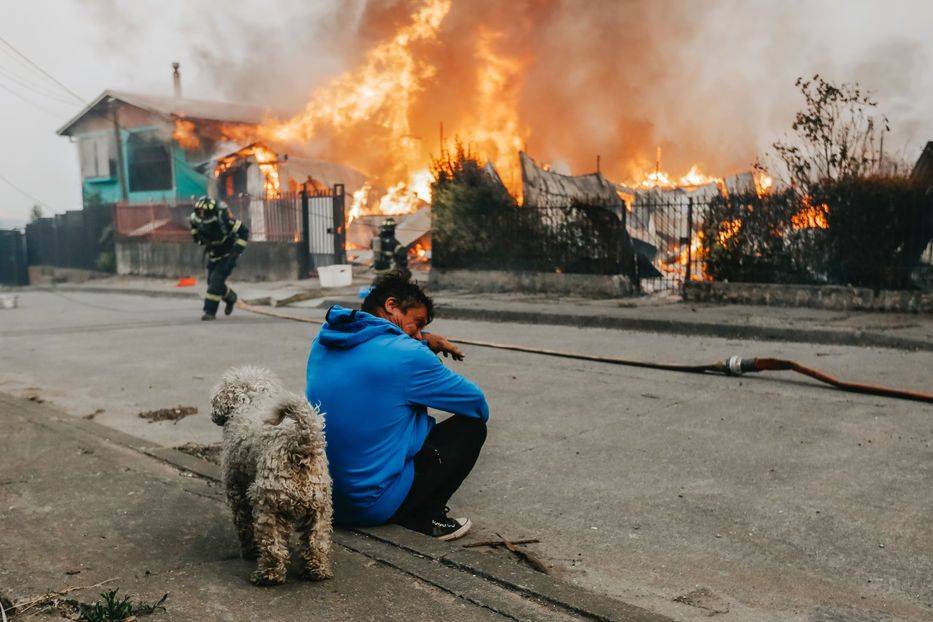
    Photo: EFE/Pablo Hidalgo
    Photo: EFE/Pablo Hidalgo

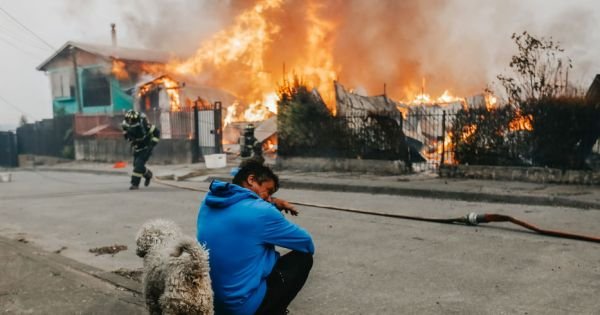
    Wildfires sweeping through south-central Chile have killed at least 18 people—later updated by government reports to 19—and forced the evacuation of more than 50,000 residents in the Ñuble and Biobío regions amid extreme heat and strong winds.

    President Gabriel Boric declared a “state of catastrophe” and announced a nighttime curfew in the worst-hit areas as emergency teams battled to contain multiple fire fronts. “We have 18 confirmed deaths, but that number will increase,” Boric said in remarks carried by local outlets; subsequent updates raised the death toll to 19.

    Authorities said firefighters and forest brigades were confronting several major blazes in the affected regions, part of a broader national emergency with more than 20 active wildfires reported across the country.

    Interior Minister Álvaro Elizalde said the situation remained difficult. “We are facing a complex scenario,” he stated, pointing to forecasts of extreme temperatures and winds that could accelerate the spread. Senapred director Alicia Cebrián also warned: “Today and tomorrow we will have extreme temperatures… It’s a complex scenario.”

    Reuters and AP reported extensive damage, including hundreds of homes destroyed and thousands of hectares burned, as mass evacuations expanded through Chile’s emergency alert system and shelters were opened for displaced families.

    The crisis echoes Chile’s deadly 2024 wildfire disaster in the Valparaíso region near Viña del Mar, which killed more than 130 people, according to figures cited by international news agencies.


    Source link

  • Drama As Diplomacy And Power In The Age Of Spectacle

    Drama As Diplomacy And Power In The Age Of Spectacle


    By Dr. Isaac Newton

    News Americas, NEW YORK, NY, Mon. Jan. 19, 2026: A single image can ignite a movement. A short video can topple governments. A carefully staged event can shift public opinion across continents before most of us even notice. Power is no longer only armies, laws, or treaties. Power is performed. Power is felt. In the age of spectacle, it is often orchestrated long before it is negotiated.

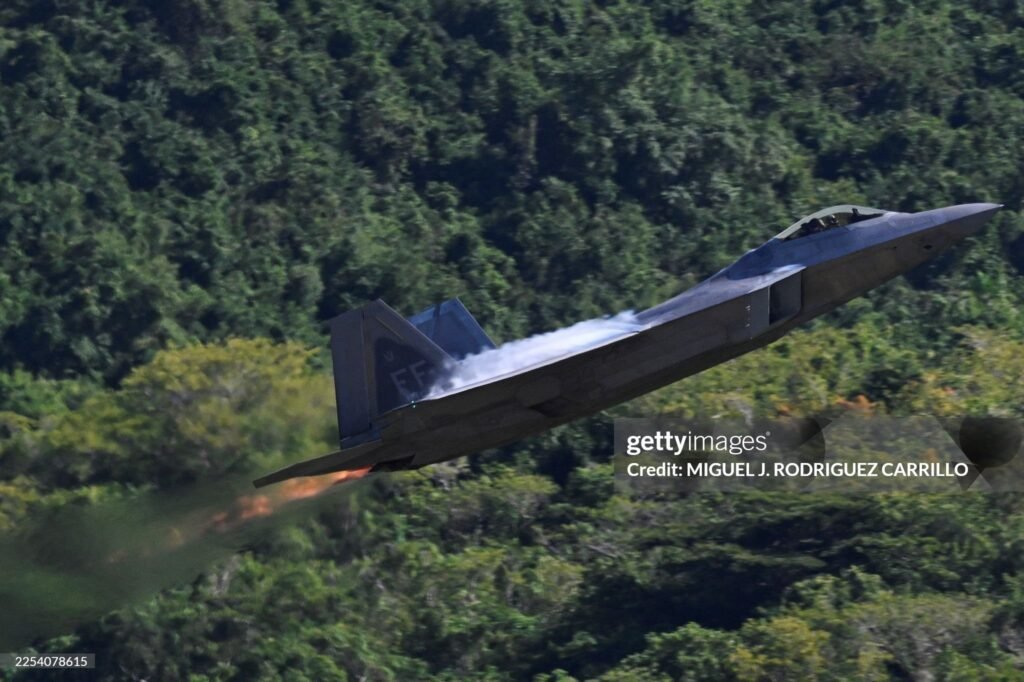
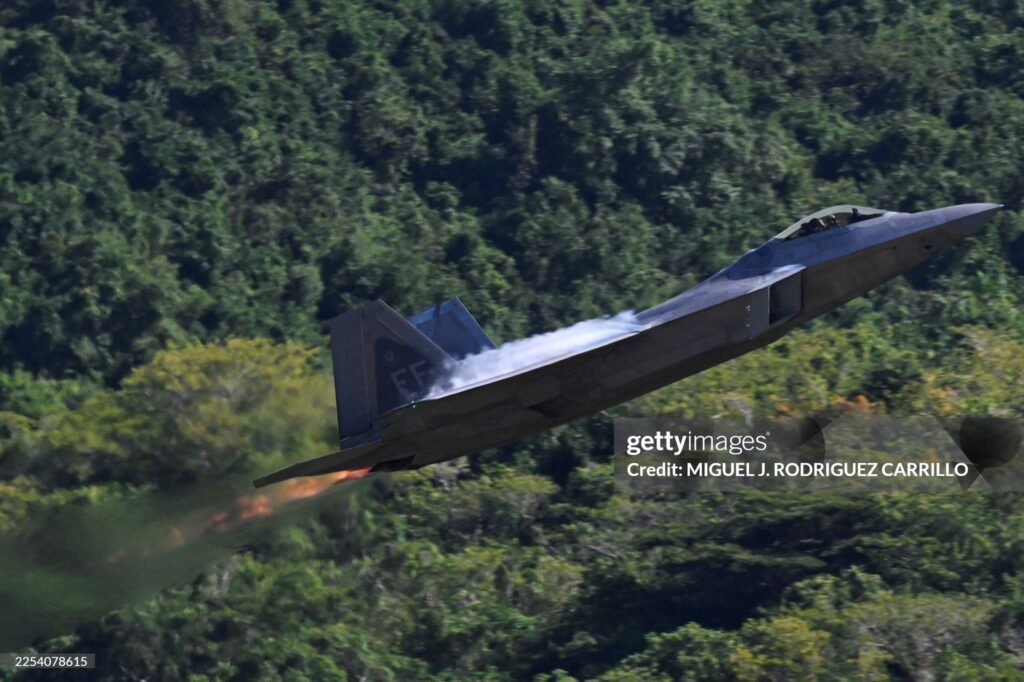
    us-raptor-takes-off-from-puerto-rico amid US fighting of drugs in the Caribbean
    A US Air Force F22-Raptor takes off from José Aponte de la Torre Airport, formerly Roosevelt Roads Naval Station, in Ceiba, Puerto Rico, on January 4, 2026. US President Donald Trump threatened Sunday that Venezuela’s new leader will pay a “big price” if she does not cooperate with the United States, after US forces seized and jailed her former boss Nicolas Maduro. If interim president Delcy Rodriguez “doesn’t do what’s right, she is going to pay a very big price, probably bigger than Maduro,” Trump told The Atlantic in a telephone interview. (Photo by Miguel J. Rodriguez Carrillo / AFP via Getty Images)

    For nations in Africa, Latin America, and the Caribbean, this is real. Public opinion can be moved, policies influenced, and leaders cornered without a single formal discussion. Chaos can be designed. Drama can be weaponized. Understanding the performance of power is as vital as understanding its rules.

    Small nations face a particular challenge. They cannot always outshine great powers in spectacle, but they can choose when and how to respond. Silence becomes strategy. Timing becomes leverage. Coordination with neighbors, reliance on treaties, and measured messaging turn restraint into influence. Leaders who resist the urge to react to every viral moment transform composure into power.

    Citizens face a similar battlefield. Every post, tweet, and trending video competes for attention. Separating what matters from what provokes is essential. Slow down. Question. Reflect. Think beyond the scroll. Democracy thrives not only on protest or outrage but on informed, grounded, and clear-minded participation.

    Some nations are already showing the way. Barbados and Jamaica amplify their voices in climate negotiations by speaking together through CARICOM. Rwanda and Ghana use regional media and digital diplomacy to ensure their perspectives on trade and security are heard. Soon, ministries may deploy teams to monitor viral events, plan measured responses, and coordinate regional messaging. Citizens can join media literacy campaigns, fact-checking initiatives, and civic forums. Together, disciplined leadership and an informed public turn attention into real influence.

    Seeing through the spectacle is itself a form of power. Small nations and engaged citizens who blend vigilance with restraint, insight with action, and principle with flexibility do more than survive. They shape the stage on which global drama unfolds. In a world where chaos is designed and drama is diplomacy, clarity, focus, and patience are the new instruments of influence.

    Will you watch the spectacle unfold, or will you step onto the stage with eyes wide open and shape its story?

    Editor’s Note: Dr. Isaac Newton is a strategist trained at Harvard, Princeton, and Columbia. He advises governments and international institutions on governance, transformation, and global justice, helping nations turn vision into lasting progress.


    Source link

  • With Milei present and Lula absent, Mercosur and EU sign landmark deal in Asunción — MercoPress

    With Milei present and Lula absent, Mercosur and EU sign landmark deal in Asunción — MercoPress


    With Milei present and Lula absent, Mercosur and EU sign landmark deal in Asunción

    Sunday, January 18th 2026 – 02:20 UTC


    Milei called the deal “the most important achievement in Mercosur’s history” and said Argentina would continue to pursue additional trade initiatives beyond the EU agreement
    Milei called the deal “the most important achievement in Mercosur’s history” and said Argentina would continue to pursue additional trade initiatives beyond the EU agreement

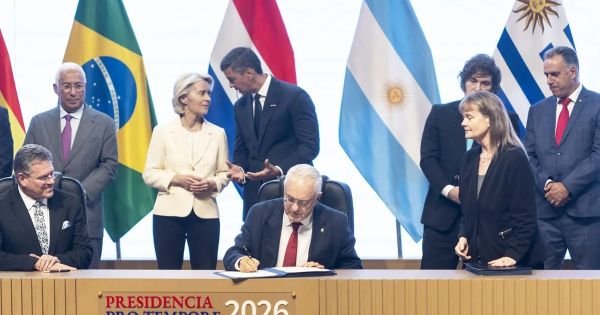
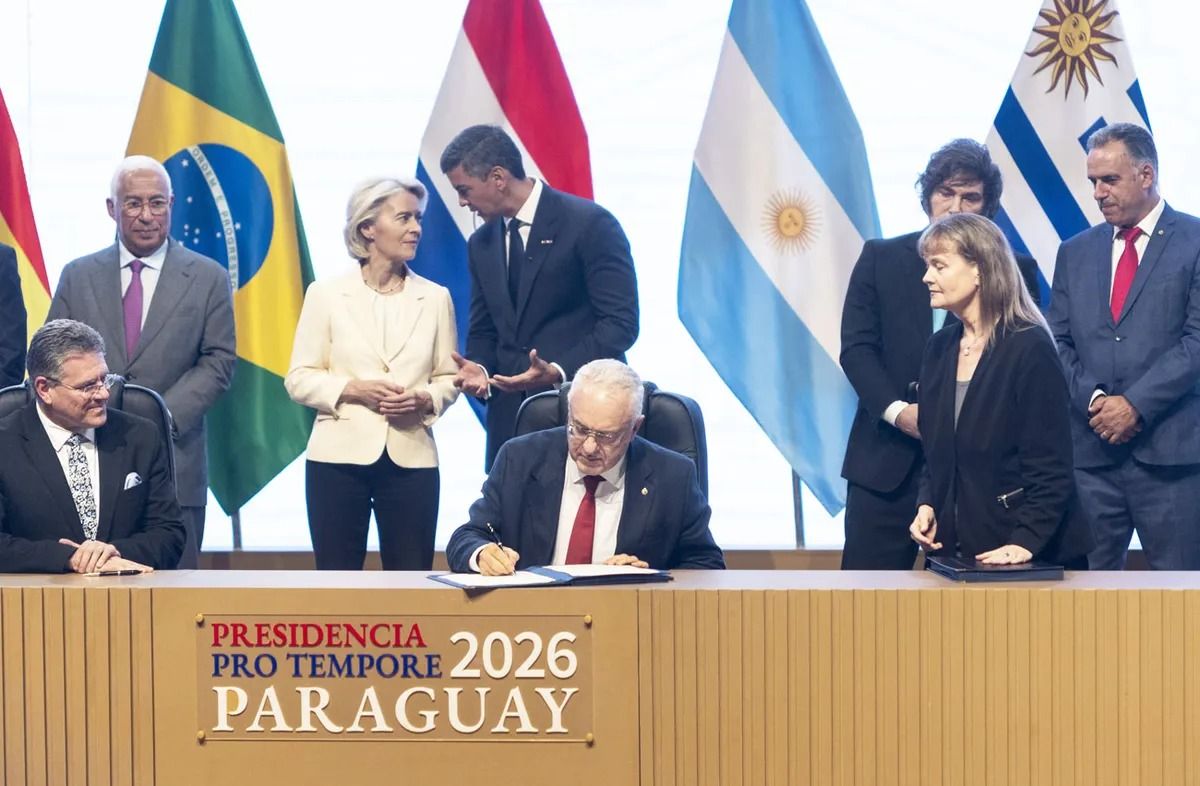
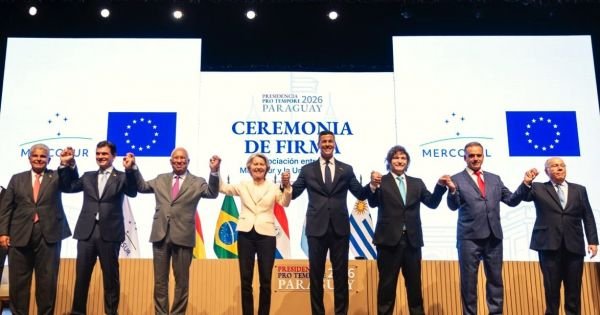
    The European Union and South America’s Mercosur bloc signed their long-negotiated association and free trade agreement on Saturday in Paraguay, with Argentina’s President Javier Milei attending the ceremony and Brazil’s Luiz Inácio Lula da Silva absent, represented instead by his foreign minister.

    The signing took place at Paraguay’s Central Bank theater in Asunción. Under the format agreed for the event, the treaty was formally signed by Mercosur foreign ministers and the EU’s trade commissioner, Maroš Šefčovič.

    Leaders’ remarks at the ceremony

    Milei called the deal “the most important achievement in Mercosur’s history” and said Argentina would continue to pursue additional trade initiatives beyond the EU agreement, according to Argentine coverage.

    EU Commission President Ursula von der Leyen framed the pact as a broader platform for cooperation, while European Council President António Costa said the agreement affects more than 700 million people across both regions.

    Paraguay’s President Santiago Peña, hosting the summit as Mercosur’s rotating chair, argued that Europe and South America should “unite” in a “complex, unstable” world, as reported by local outlets.

    What the deal does

    The agreement aims to phase out tariffs on more than 90% of bilateral trade and would create one of the world’s largest integrated free trade areas, with a combined market of roughly 720 million people.

    EU–Mercosur trade reached about €111 billion in 2024, with EU exports focused on machinery, chemicals and other industrial goods, while Mercosur exports are dominated by agricultural products and minerals.

    Lula’s absence and the ratification challenge

    Lula’s decision not to attend became a focal political detail. AFP reported—citing a presidency source—that the Brazilian president would not travel to Paraguay for the signing. Brazil would be represented by its foreign minister, even as Lula publicly defended the agreement’s economic potential.

    Ratification remains uncertain. Reuters said the deal still needs approval by the European Parliament and by the legislatures of Mercosur’s full members (Argentina, Brazil, Paraguay and Uruguay). European farmers and environmental groups have raised concerns about increased South American imports and environmental impacts, including deforestation.

    Signature vs. entry into force

    On the EU side, the Council adopted decisions authorising the signature of the comprehensive partnership agreement and an Interim Trade Agreement, designed to advance the commercial pillar as the broader treaty proceeds through political steps.

    Regional reporting in South America highlighted that implementation details—technical standards, sectoral safeguards and domestic adjustment measures—will be shaped during the ratification phase and subsequent regulatory work in each member state.

    International context

    AP described the signing as taking place amid heightened global trade tensions, with the EU seeking to strengthen its strategic and economic footprint in South America.

    EFE likewise presented the agreement as the culmination of 26 years of negotiations, with the process still facing political hurdles and internal debates—particularly in Europe—before it can take effect.


    Source link

  • Historic Endurance model unveiled in Stanley — MercoPress

    Historic Endurance model unveiled in Stanley — MercoPress


    Historic Endurance model unveiled in Stanley

    Saturday, January 17th 2026 – 03:33 UTC


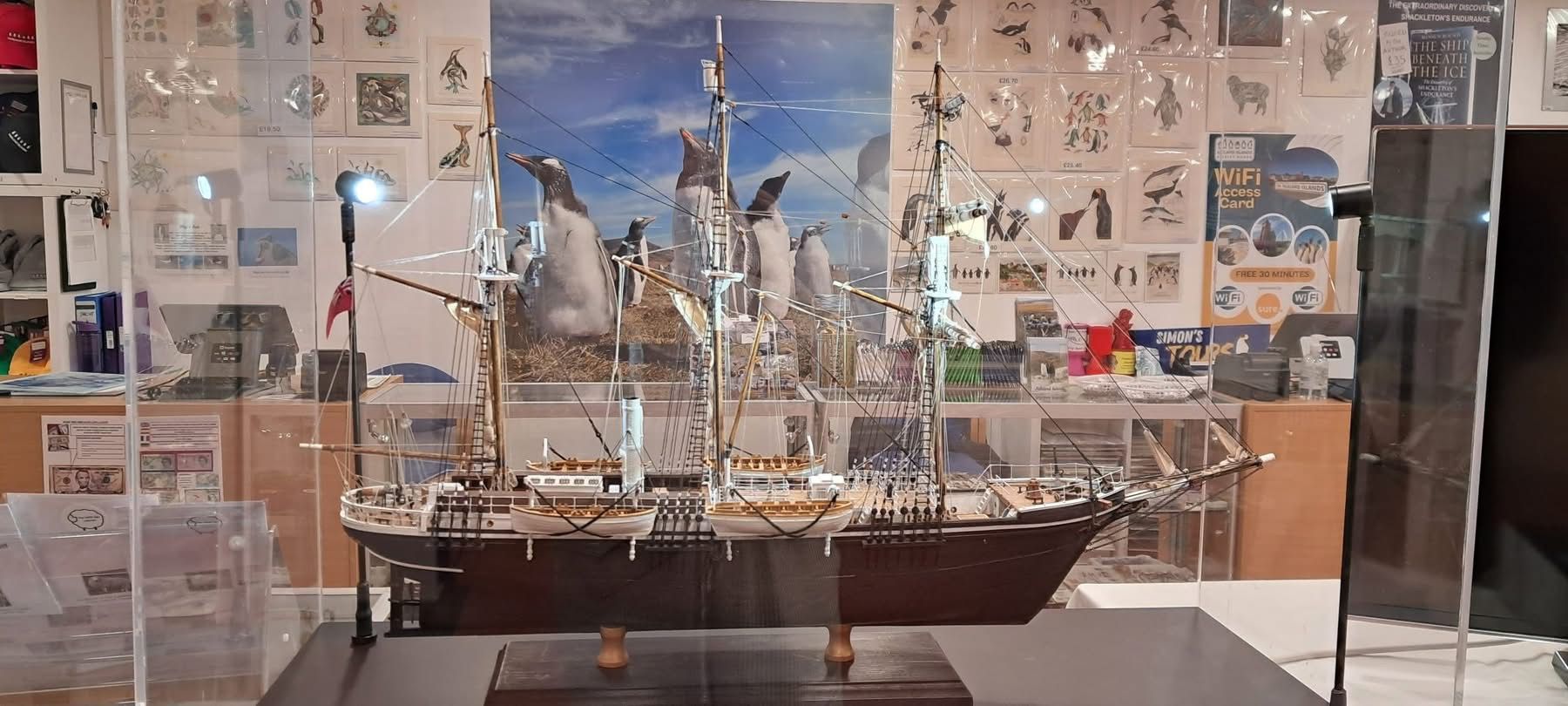
    The finely crafted 1:52 scale model was built in Dnipro, Ukraine, by retired engineer Vitaliy Vrubel amid ongoing conflictx
    The finely crafted 1:52 scale model was built in Dnipro, Ukraine, by retired engineer Vitaliy Vrubel amid ongoing conflictx

    A scale model of the Endurance, the legendary polar ship of Ernest Shackleton, was officially unveiled on Thursday at the Jetty Visitor Centre in Stanley, becoming a new long-term public exhibit, according to the Falklands Maritime Heritage Trust (FMHT).

    The finely crafted 1:52 scale model was built in Dnipro, Ukraine, by retired engineer Vitaliy Vrubel amid ongoing conflict. It reached the Falklands aboard the RRS Sir David Attenborough, operated by the British Antarctic Survey, after travelling through Antarctic waters in a symbolic echo of Shackleton’s expedition.

    Description of the image


    The unveiling was hosted by the FMHT in partnership with the Falkland Islands Tourist Board and included remarks on the Trust’s ongoing work and future plans. “This remarkable model has already lived a story of endurance worthy of its name,” said Elena Lewendon, noting that it was crafted under extreme conditions and has now arrived in a place “forever connected to Shackleton’s story”.

    Originally commissioned by the Shipwreck Treasure Museum in Cornwall, the model was acquired by the FMHT after the museum’s closure to ensure it remained accessible to the public. It is now on loan to the Tourist Board and will be displayed at the Jetty Visitor Centre for residents and visitors alike.

    Stephanie Middleton, Executive Director of the Falkland Islands Tourist Board, said the model is “a wonderful addition to the maritime stories we are proud to share with our visitors”.


    Source link

  • Mercosur and EU sign historic trade agreement in Asunción after 26 years of negotiations — MercoPress

    Mercosur and EU sign historic trade agreement in Asunción after 26 years of negotiations — MercoPress


    Mercosur and EU sign historic trade agreement in Asunción after 26 years of negotiations

    Saturday, January 17th 2026 – 10:55 UTC


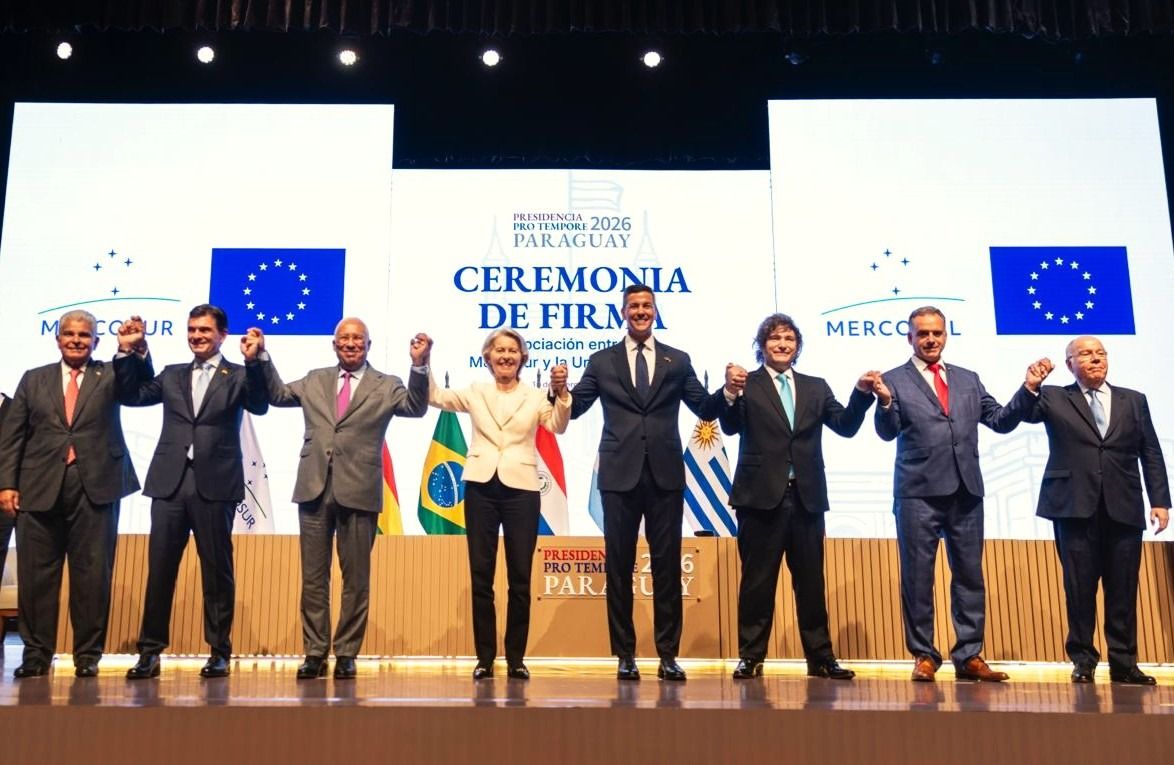
    The signing ceremony took place at the Gran Teatro José Asunción Flores, the same venue where the founding treaty of Mercosur was signed in 1991
    The signing ceremony took place at the Gran Teatro José Asunción Flores, the same venue where the founding treaty of Mercosur was signed in 1991

    On January 17, 2026, the Mercosur bloc and the European Union (EU) formalized a comprehensive association and free trade agreement in Asunción, Paraguay, marking the culmination of nearly 26 years of negotiations, according to international and regional news outlets.

    The signing ceremony took place at the Gran Teatro José Asunción Flores, the same venue where the founding treaty of Mercosur was signed in 1991. Leaders of Paraguay, Argentina, and Uruguay participated, alongside representatives from the EU including Ursula von der Leyen and António Costa.

    Brazil’s President Luiz Inácio Lula da Silva, who played a leading role in advancing the deal, did not attend the signing ceremony, delegating his country’s representation to the foreign minister, in a move seen by observers as indicative of political tensions within Mercosur.

    The pact will establish one of the largest free trade areas globally, linking Mercosur —comprising Argentina, Brazil, Paraguay and Uruguay— with all 27 EU member states, encompassing an estimated 720 million people and a combined GDP surpassing US$25 trillion.

    In December 2025, the signing initially expected around the Foz do Iguaçu Mercosur summit was pushed back to January amid EU internal divisions and mounting pressure from farmers’ protests. MercoPress reported Ursula von der Leyen saying the bloc needed “a few more weeks” to settle outstanding issues with member states, while European Council President António Costa played down the delay after a quarter-century of talks.

    Momentum shifted on Jan. 9, when a qualified majority of EU countries backed moving ahead despite France’s opposition. MercoPress noted that Italy’s move was pivotal, following negotiations that included a boost to the Common Agricultural Policy and “emergency brake” safeguards for sensitive products—against the backdrop of renewed farmer mobilisations, particularly in France.

    On the Mercosur side, it was described a stance of “constructive patience” as EU politics delayed the timetable, while Paraguay—set to hold the rotating presidency—outlined a 2026 agenda aimed at cutting red tape and simplifying customs. Uruguay’s Foreign Minister Mario Lubetkin, meanwhile, called the EU green light an “extraordinary” breakthrough as the Asunción signing was confirmed.

    Government expectations and post-signature implementation

    Ahead of the signing, Uruguayan President Yamandú Orsi indicated that a key priority is initiating discussions with the EU delegation on how to implement the treaty following ratification by legislative bodies on both sides of the Atlantic. (reported by regional diplomatic sources)

    Officials expect that the agreement’s economic texts and regulatory frameworks will require extensive review and consultation with domestic sectors, especially those that may face heightened competition, such as agriculture and manufacturing. (based on regional economic reporting and government communications)

    Global and geopolitical context

    The agreement was approved by EU member states on January 9, opening the way for the formal signing, although it still requires approval from the European Parliament and the national parliaments of Mercosur countries before it can enter into force.

    For the EU, the pact represents not only a commercial milestone but also a strategic step in strengthening economic ties with Latin America, amid broader global trade tensions and efforts to diversify partnerships.

    The deal includes safeguard mechanisms to address concerns from agricultural sectors in Europe, particularly after opposition from countries like France and Poland, with concessions negotiated to secure broader support.


    Source link

  • Delcy Rodríguez meets CIA director in Caracas — MercoPress

    Delcy Rodríguez meets CIA director in Caracas — MercoPress


    Delcy Rodríguez meets CIA director in Caracas

    Saturday, January 17th 2026 – 01:02 UTC


    Ratcliffe traveled to Venezuela under instructions from President Donald Trump “to convey the message that the United States expects an improvement in the working relationship”
    Ratcliffe traveled to Venezuela under instructions from President Donald Trump “to convey the message that the United States expects an improvement in the working relationship”

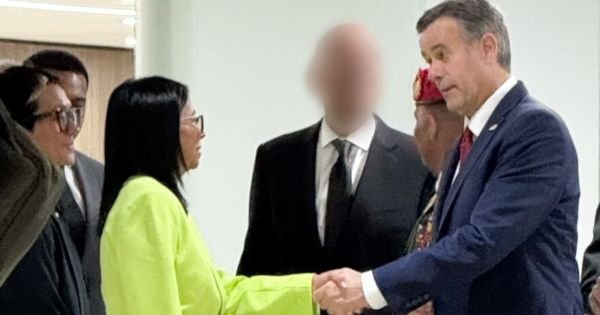
    Venezuela’s interim president Delcy Rodríguez met on Thursday in Caracas with CIA Director John Ratcliffe, holding talks focused on security and cooperation, US intelligence sources confirmed to EFE.

    Ratcliffe traveled to Venezuela under instructions from President Donald Trump “to convey the message that the United States expects an improvement in the working relationship,” The New York Times first reported, citing a US official. According to an official source quoted by CNN, Ratcliffe discussed “potential opportunities for economic cooperation” and said Venezuela “can no longer be a safe haven for US adversaries, especially drug traffickers.”

    EFE reported that the meeting aimed to “build confidence” between the two sides. Ratcliffe is the highest-ranking US official and the first member of Trump’s Cabinet to visit Venezuela since the January 3 military operation that led to the capture of President Nicolás Maduro and his wife Cilia Flores, who were taken to New York to face narcoterrorism charges.

    The Caracas meeting coincided with a separate encounter in Washington between opposition leader María Corina Machado and Trump at the White House. Machado presented Trump with her Nobel Peace Prize medal, despite the US president having ruled her out as a potential leader of a political transition in Venezuela due to what he described as insufficient domestic backing.

    Following Maduro’s capture, Washington backed Rodríguez as interim president. The interim government has agreed to ship millions of barrels of crude oil to the United States for sale and has moved to open Venezuela’s oil industry to foreign investment, with support from the Trump administration.


    Source link

  • Common Questions Answered — MercoPress

    Common Questions Answered — MercoPress


    Using AmourFeel: Common Questions Answered

    Friday, January 16th 2026 – 00:37 UTC


    Full article


    Online dating is now part of daily life. AmourFeel is a website where people can talk and connect with others. The platform is made for those who want online conversations and to learn more about new people. This guide explains the main points about using the site.

    What Is AmourFeel and How the Platform Works

    AmourFeel is a website for communication and relationship building. The platform works through a browser on a computer or mobile phone.

    The website helps users find people with similar interests using a simple search tool. Profiles can be filtered by country, age, and gender. The system also shows profiles based on users’ interests, making it easier for them to meet new people online.

    According to the article, the global audience of online dating services has surpassed 360 million active users, with nearly 75% of them under the age of 35.

    How to Get Started with AmourFeel

    Getting started with AmourFeel is simple because the interface is easy to use. The platform gives quick access to all main features, so users can start talking and connecting comfortably.

    AmourFeel Login and Registration

    To start using the platform, a user needs to create an account. The process is simple and fast. The website can be opened in a browser, and the registration button can be located. Basic information, such as email, password, and a few personal details, must be provided.

    AmourFeel login is completed via the main page login form by entering the email and password. If a password is forgotten, a recovery feature is available.

    How Does AmourFeel Work: Key Features

    AmourFeel features give users tools to make communication simple, safe, and meaningful. Each of these features is made to help people talk better and avoid common mistakes when chatting online.

    Search and Filters

    The search page on AmourFeel is the primary tool for interacting with new people. Users can set filters by age, country, and gender. There is also an option to view only online users or those they follow.

    The “People Carousel” feature functions as a carousel of recommended profiles. Users can browse them one by one, like, or save interesting profiles. This helps them find people they are interested in more quickly.

    Communication and Messaging on Amourfeel

    – Chat and “Let’s Talk” are tools for starting conversations.

    – If it’s hard to write the first message, use ready-made phrases from “Let’s Talk”.

    – Mails allow users to send longer messages.

    – Send Media lets you share photos directly in the chat.

    – Drafts save unfinished messages as drafts.

    Like, Wink, Follow

    These AmourFeel features help the community express interest. Like indicates that a user likes a profile. Wink is a playful, free way to attract attention. Follow allows you to subscribe to a profile and track the person’s activity.

    These simple actions can serve as the start of a conversation that is interesting and engaging. Often, people respond in a positive way when they see that someone is interested in talking with them.

    Safety and User Support

    The platform focuses on keeping users safe and comfortable. AmourFeel is made to give a secure place for communication and to ensure that every user has a positive and pleasant experience while using it.

    Data Protection and Privacy

    AmourFeel takes security seriously. The platform uses modern fraud detection algorithms to prevent fraud, and a professional team of moderators promptly removes any unwanted content.

    Users’ profile activity is hidden from search engines, so their data does not appear in Google search results. If a user decides to delete their account, they can do so without a trace through AmourFeel customer support.

    AmourFeel customer service

    The support team operates around the clock. They are friendly and responsive, ready to assist with any issues. The first response usually comes within 24 hours.

    Even difficult requests are usually solved within about five days, so users do not have long delays while using the platform. If a problem appears, users can send a message to support through a contact form on the website.

    How to Use AmourFeel Effectively

    AmourFeel gives users simple tools that make talking easy and comfortable. Using these suggestions helps people have conversations that feel more enjoyable.

    Creating an Attractive Profile

    After registering, users are encouraged to fill out their profiles completely. They should add several photos and include their hobbies and interests. The more details they provide, the easier it is for others to see if they have things in common.

    A profile is the first impression people get. It is recommended to use clear, natural-looking photos where the user appears relaxed and friendly.

    Be specific when writing about yourself. Instead of just saying “I love music,” users can write “I listen to jazz and go to concerts.” This gives other people ideas for starting a conversation.

    Tips for the First Message

    The first message should be friendly and honest. You can write about something they saw in the other person’s profile to show true interest. They should ask questions that need more than a simple yes or no answer.

    It’s better not to use standard greetings like “Hi, how are you?” and instead write something more original. When they notice shared interests, they can begin the conversation about those topics, which makes it easier to connect with other people.

    Building Meaningful Conversations

    Meaningful interactions go beyond just casual chat. People can ask about a person’s dreams, goals, and views on different things. Share your own stories and experiences, which help build trust through honest conversations.

    User Experience

    AmourFeel reviews are positive, with the community noting how easy the interface is to use and the many features it offers. People enjoy being able to talk with different pen pals and meet people with similar interests online. The customer support is also often mentioned as helpful.

    Conclusion

    AmourFeel is a website that helps people connect with others with similar interests and build relationships. The platform has an interface that is easy to use, several ways to communicate, and a system that keeps you safe.

    To join AmourFeel, users only need to sign up on the website and create their profile. They can use search filters, take part in conversations, and be open to connecting with new people. It is important to stay safe and be respectful to others while using the platform.

    The support team is ready to help with any questions. The platform is created to make online communication simple, safe, and clear. AmourFeel is a good choice for people who want online conversations and to connect with new individuals.


    This content is brought to you by AmourFeel. It is written for entertainment purposes only. You should always consult with a qualified expert for any relationship or health-related concerns.


    Source link

  • Wildfires continue in Argentine Patagonia; ten provinces on alert — MercoPress

    Wildfires continue in Argentine Patagonia; ten provinces on alert — MercoPress


    Wildfires continue in Argentine Patagonia; ten provinces on alert

    Friday, January 16th 2026 – 18:54 UTC


    Regional cooperation has also come into play, with Chile sending two light aircraft to assist Argentina in combating fires in the Los Alerces area
    Regional cooperation has also come into play, with Chile sending two light aircraft to assist Argentina in combating fires in the Los Alerces area

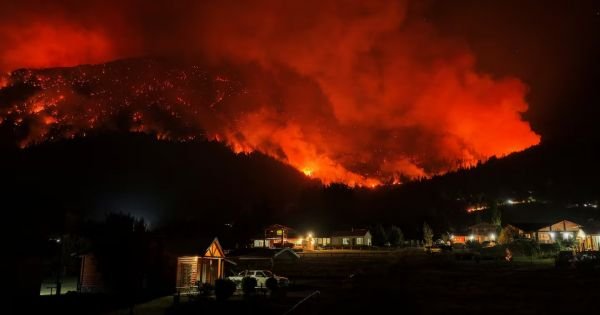
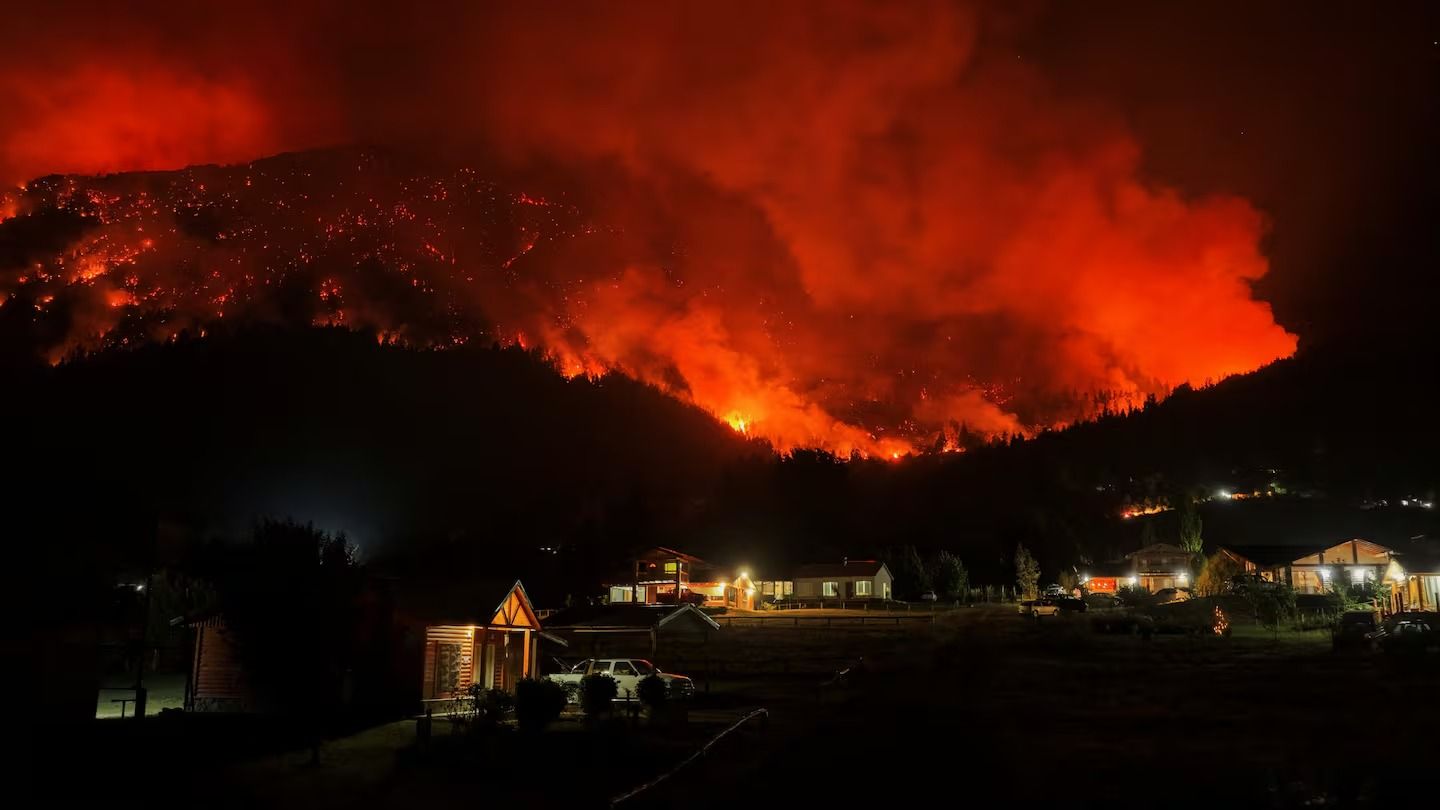
    Ten Argentine provinces are under alert for wildfire risk, as several fire fronts in Chubut and wider Patagonia have already burned more than 20,000 hectares.

    The Federal Emergency Agency of Argentina issued warnings of fire danger not only in the Patagonian provinces of Neuquén, Río Negro, Chubut and Santa Cruz, but also in La Pampa, the Cuyo region (San Juan, Mendoza, San Luis), and in the southern reaches of Córdoba and Buenos Aires.

    The main blaze began on January 5 in Puerto Patriada, near Epuyén and El Hoyo, consuming extensive native forest, brush and grassland along with infrastructure and homes. While several fire sites have been controlled or contained, the active fire at Los Alerces National Park remains a focus of ongoing suppression efforts.

    Recent rainfall has helped temper some of the flames, assisting firefighters and emergency crews in better controlling certain fronts, though the threat of renewed activity persists. Officials have credited the work of brigades, firefighters and security forces in difficult conditions.

    The response involves hundreds of personnel and aerial support, reflecting the scale of the wildfire emergency, with authorities continuing operations to prevent flare-ups should weather conditions worsen.

    Regional cooperation has also come into play, with Chile sending two light aircraft to assist Argentina in combating fires in the Los Alerces area.


    Source link

  • Lula and von der Leyen say Mercosur-EU deal advances multilateralism — MercoPress

    Lula and von der Leyen say Mercosur-EU deal advances multilateralism — MercoPress


    Lula and von der Leyen say Mercosur-EU deal advances multilateralism

    Friday, January 16th 2026 – 19:07 UTC


    Von der Leyen praised Lula’s commitment to “values important to us, such as democracy, the international rules-based order and respect for communities and sovereign nations”
    Von der Leyen praised Lula’s commitment to “values important to us, such as democracy, the international rules-based order and respect for communities and sovereign nations”

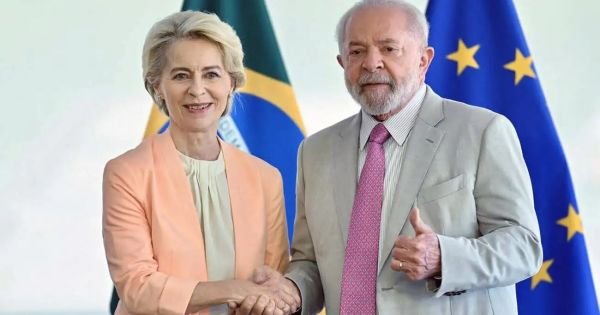
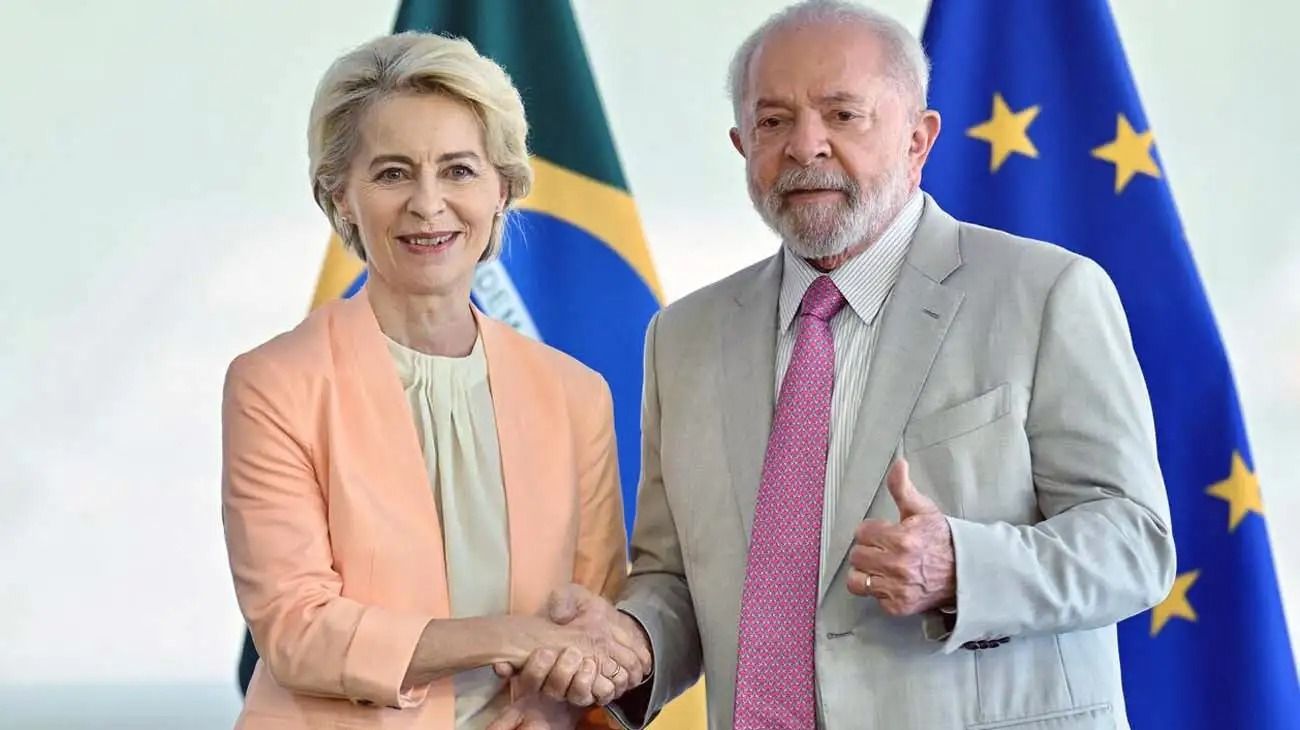
    Brazilian President Luiz Inácio Lula da Silva and European Commission President Ursula von der Leyen agreed on Friday that the free trade agreement between Mercosur and the European Union (EU), due to be signed Saturday in Asunción, will benefit global trade, democracy and multilateralism, EFE reported.

    In a meeting in Rio de Janeiro, von der Leyen praised Lula’s commitment to “values important to us, such as democracy, the international rules-based order and respect for communities and sovereign nations.” Lula said the pact “is good for Mercosur, is good for the European Union and is good for the democratic world and multilateralism.”

    The agreement, the result of more than 25 years of negotiations, is set to create one of the largest free trade areas in the world, linking Mercosur —Argentina, Brazil, Paraguay and Uruguay— with all 27 EU states, a combined market of about 700 million people.

    Before it can take effect, the deal must be ratified by the European Parliament and the national parliaments of EU member states, a process expected to take several weeks.

    The pact has also drawn opposition from some European agricultural sectors, with concerns about competition from South American products and calls for additional safeguards ahead of full approval.


    Source link

Translate »