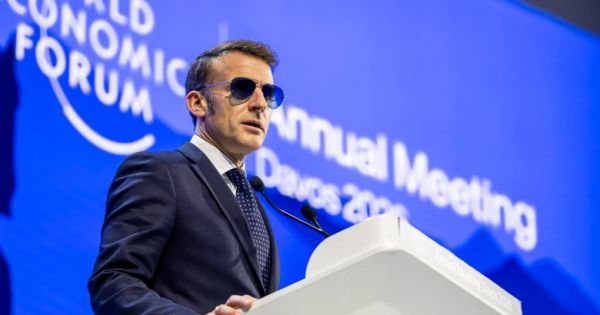
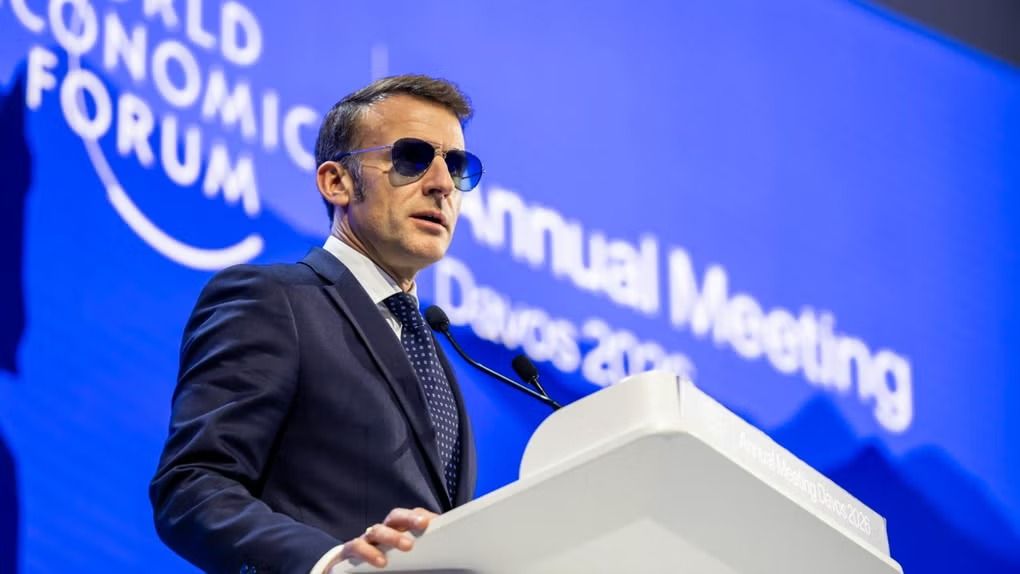
Macron said the “endless accumulation” of new US tariffs was “fundamentally unacceptable” and urged Europe to respond more decisively
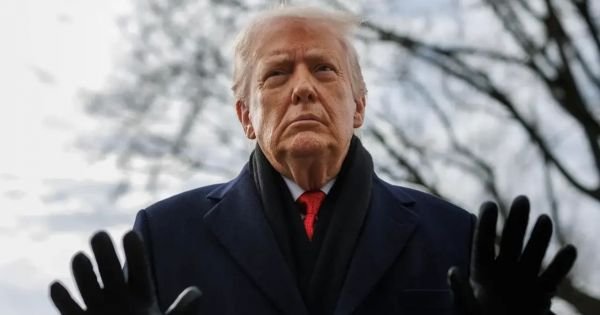
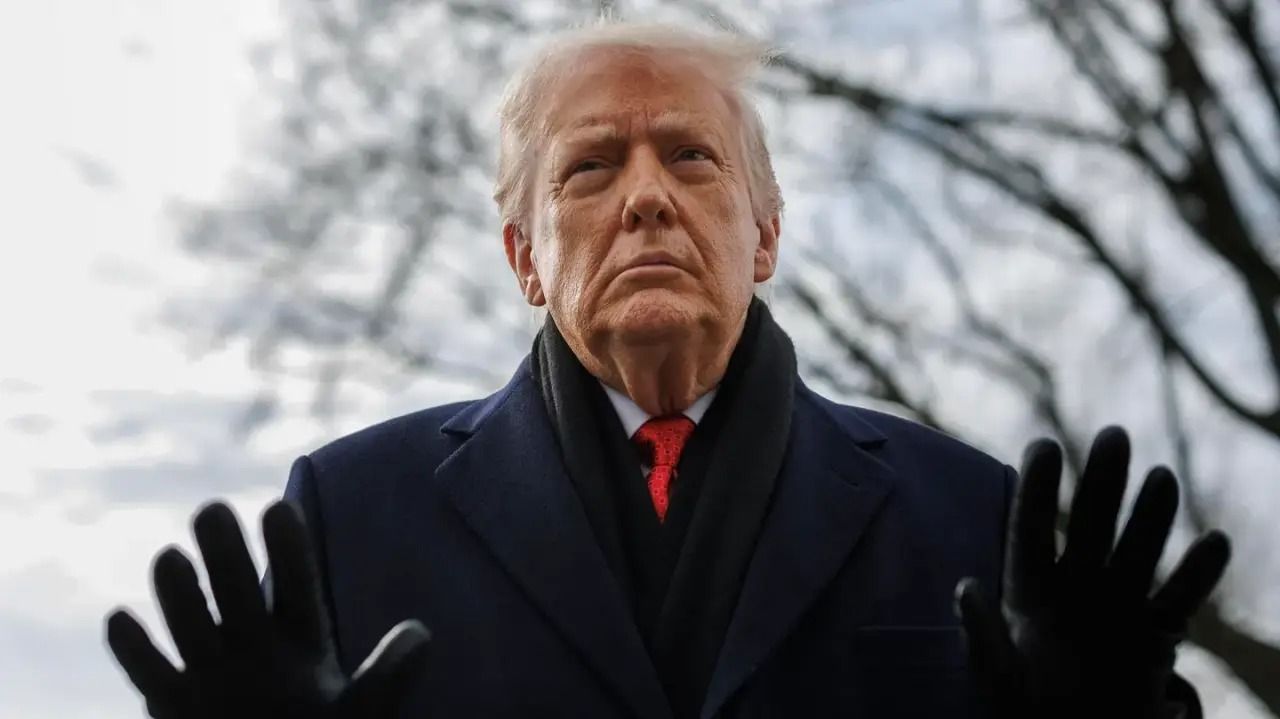
French President Emmanuel Macron told the World Economic Forum in Davos on Tuesday that the world is drifting toward a “world without rules,” where the law of “the strongest” prevails—remarks delivered against the backdrop of a deepening transatlantic dispute over Donald Trump’s push to secure control of Greenland and his fresh tariff threats.
Macron said the “endless accumulation” of new US tariffs was “fundamentally unacceptable” and urged Europe to respond more decisively, including by using its anti-coercion tools, France 24 reported. In his speech, Macron framed the moment as one of mounting “instability and imbalance,” warning that multilateral guardrails are eroding amid wars and trade tensions.
His comments come as President Trump has doubled down on Greenland—an autonomous Arctic territory under the sovereignty of the Kingdom of Denmark—and publicly linked his ambitions to resentment over not receiving the Nobel Peace Prize. In a diplomatic flare-up, Trump sent a message to Norwegian Prime Minister Jonas Gahr Støre that, according to reports circulating in the European policy sphere, repeated his demand for “total and absolute” US control of Greenland.
The dispute has also sharpened the EU’s debate over retaliation and deterrence. In Davos, European Commission President Ursula von der Leyen said Greenland’s sovereignty was “non-negotiable” and that Europe’s response would be “firm,” as European capitals weigh how to counter any coercive trade measures. (France 24)
After prison riots spilled into street attacks, Guatemala entered a thirty-day emergency that limits protests and expands police powers. With ten officers dead, families mourn while commuters move carefully, measuring each errand against fear.
Coffins Inside, Checkpoints Outside
The violence began where Guatemala’s order is supposed to be most absolute: behind bars. On Saturday, inmates seized control of three prisons in what authorities described as apparently coordinated riots, taking forty-three guards hostage. The demand, officials said, was blunt and familiar in a region where criminal groups bargain with the state through intimidation: privileges for members and leaders. For the public, the meaning was just as clear—if prisons can be captured, the line between confinement and command has already blurred.
By Sunday morning, police had liberated one prison. But the restoration of control inside did not stop the retaliation outside. Shortly afterward, suspected gang members attacked police across Guatemala City, turning the capital into a warning: this was not a contained disturbance, but an escalation aimed directly at the state’s most visible uniform.
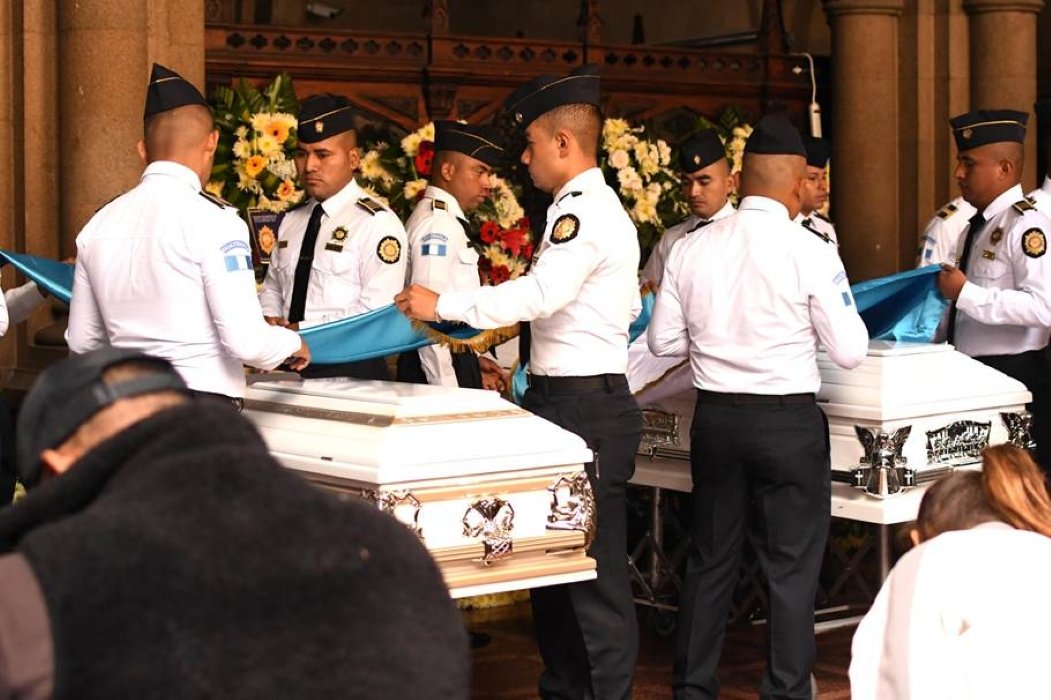
By late Monday, officials said a tenth police officer had died from the attacks. The count mattered not as a statistic but as a national wound—ten families pushed into grief, ten empty seats, ten lives that now carry the burden of serving as symbols. In a ceremony at the Interior Ministry, police honored the fallen officers. Flag-draped coffins sat in a row, the flags doing what flags always do in moments like this: making private loss into public narrative.
President Bernardo Arévalo spoke in language shaped by duty and mourning. “Today it pains me to give each one of the families this flag, symbol of the nation that will not forget the sacrifice and commitment of their police fallen in the fulfillment of their duty,” he said on Monday. Outside the ministry, grief had no need for rhetoric. José Antonio Revolorio, seventy-two, stood as the father of José Efraín Revolorio Barrera, twenty-five, and said what parents often say when the state asks them to absorb the unthinkable: “I hope that the criminals who did this to my son will one day pay for it, that the law will go after them. And that this doesn’t end here, because my son was an honest man, competent at his work.”
That phrase—“that this doesn’t end here”—carried more than anger. It carried a regional memory of cases that do end there, dissolving into impunity, paperwork, or quiet resignation.
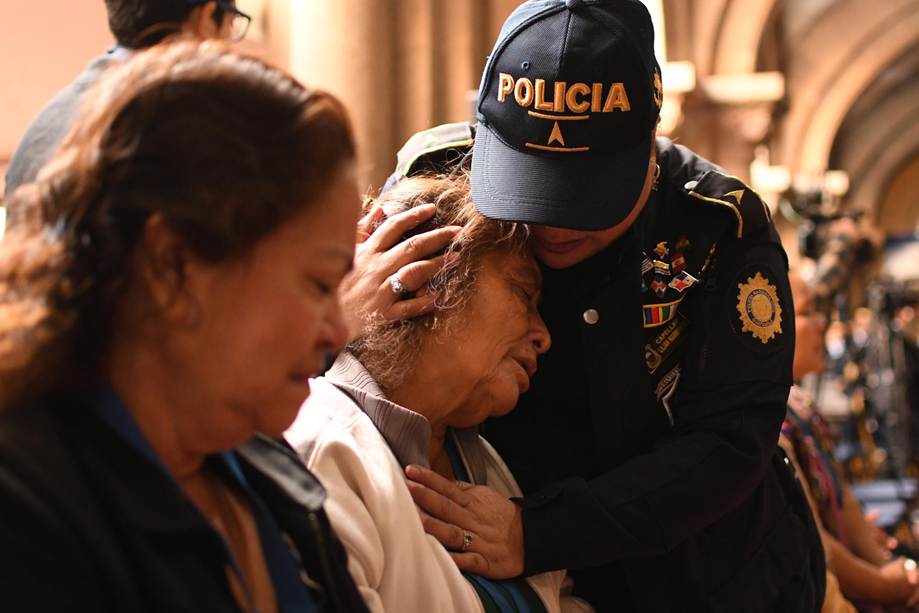
A police officer embraces a family member on Monday at the Interior Ministry in Guatemala City (Guatemala). EFE/ Alex Cruz
A Declaration That Tightens the Street
As mourning unfolded, the government moved to reassert control with law. The official gazette published Monday Arévalo’s declaration of a thirty-day state of emergency, describing “coordinated actions by self-named maras or gangs against state security forces, including armed attacks against civilian authorities.” The words were bureaucratic, but the reality behind them was immediate. Among the rights limited under the declaration are freedom of action and demonstrations. The measure also allows police to arrest people without a judicial order if they are suspected gang members. Security forces can prohibit the movement of vehicles in certain places or subject them to searches.
In a country where public trust is fragile and the line between protection and abuse has historically been contested, those provisions land with mixed weight. They promise speed, but they also carry risk: suspicion can become a shortcut, and shortcuts can become precedent. Emergency powers are always sold as temporary; the public often learns later what parts of “temporary” survive.
On Monday night, Guatemala’s unicameral Congress approved the state of emergency with minor changes, voting one hundred forty-nine in favor to one against, with ten absent or on approved leave. The declaration had already gone into effect on Sunday, meaning the country’s new rules were already shaping behavior before lawmakers finished debating them.
The streets reflected that shift. Traffic in the capital on Monday looked lighter than usual, the kind of quiet that doesn’t feel peaceful so much as cautious. For many Guatemalans, the emergency did not begin as policy; it began as a decision about whether to leave home.
“This situation is a shame. It affects people psychologically: they don’t want to go out,” said Óscar López, a sixty-eight-year-old radio technician who still had to keep his doctor’s appointment. His support for the emergency captured a complicated kind of relief that often appears in moments of insecurity. “I agree with the president imposing the state of emergency because it doesn’t stop the violence, but it relaxes people,” he said. The sentence is almost paradoxical—admitting that a measure may not end the danger while still believing it can soothe the nerves enough to keep daily life moving.
For Ileana Melgar, sixty-four, the risk felt more personal. She needed to renew her identification, an ordinary civic task that suddenly carried the emotional weight of a journey. “But I was afraid to go out, I called my friend to go with me,” she said. Her fear wasn’t abstract; it was logistical. “You don’t know if they will also stop (public) transportation and we can’t get back home.” In Latin America, instability often arrives first as a disruption of movement—buses paused, streets blocked, routes controlled—before it arrives as a headline.
As a safety precaution, school was suspended nationwide on Monday, a decision that signals both seriousness and vulnerability. When a government tells children to stay home, it is admitting that the public sphere is no longer reliably safe.
Terror Labels, Foreign Eyes, And A Regional Pattern
The crisis also drew international attention, and with it, international language. The U.S. Embassy in Guatemala instructed U.S. government personnel to shelter in place on Sunday, then lifted the order later that day while advising continued caution when traveling. On Monday, the embassy condemned the attacks on police, calling the perpetrators “terrorists” and warning that those who cooperate with them or are linked to them “have no place in our hemisphere.” It reaffirmed support for Guatemala’s security forces “to curb the violence,” framing the issue not only as Guatemala’s emergency but as a matter of hemispheric stability.
The word “terrorist” now hovers over Guatemala’s gang problem in a way that reshapes how the state—and foreign partners—justify action. In October, Guatemala’s Congress reformed laws to declare members of the Barrio 18 and Mara Salvatrucha gangs terrorists, lengthening prison sentences for gang members who commit crimes. The United States government also declared those gangs foreign terrorist organizations last year.
These labels matter because they don’t just describe; they authorize. They expand the moral and legal space for harsher measures, longer sentences, more aggressive policing. In some cases, they can also help governments secure resources and cooperation. But in Guatemala, where citizens have watched both criminals and institutions wield power with little accountability, the deeper question isn’t what the gangs should be called. It’s what the state becomes when it fights them.
For now, the emergency has created a country moving with a smaller stride. People still go to doctors, still renew IDs, still try to work. But they do so with a new internal arithmetic: is this trip worth it, can I get home, what happens if the road changes, what happens if someone decides I look suspicious?
And behind that arithmetic is the more painful truth made visible in the Interior Ministry: a line of coffins, ten flags, and families asked to believe that sacrifice will be remembered in a region where memory is often the only justice offered.
International organizations and rights groups have repeatedly flagged serious abuses connected to gold mining in Venezuela’s south, including the role of armed groups
Venezuela’s interim president Delcy Rodríguez said her administration aims to raise gold production by 30% in 2026 to generate additional foreign-currency revenues, as the government seeks to shore up public finances and draw fresh investment into the mining sector, according to reports attributed to EFE.
Rodríguez said Venezuela produced 9.5 tonnes of gold in 2025 and plans to exceed that figure this year. Speaking at a government event, she argued that gold revenues help sustain external obligations and fund public programs, while acknowledging—implicitly through limited detail—the longstanding lack of transparency around the sector.
Her remarks came alongside signals of a regulatory push. Rodríguez said the National Assembly is preparing a new mining and minerals law designed to attract “significant international investment flows,” and she also pointed to plans to expand output of iron and coal.
Sanctions, licenses and the gold trade
Venezuela’s gold industry has been targeted by U.S. sanctions, including measures linked to state miner Minerven and gold-related transactions. In October 2023, Washington issued temporary sanctions relief—including authorizations tied to Minerven—after an electoral roadmap agreement between Nicolás Maduro’s government and the opposition.
In 2024, the U.S. rolled back part of that relief, including the Minerven component, after disputes over the electoral process, AP reported.
International organizations and rights groups have repeatedly flagged serious abuses connected to gold mining in Venezuela’s south, including the role of armed groups and exploitation in and around illegal mines. Human Rights Watch has documented violence and abuses in Bolívar state, while the International Crisis Group has described gold mining as central to conflict dynamics and informal governance in the region.
The government argues higher output and new rules will expand revenues and formalize the sector. There’s an absence of public audits on production volumes, sales channels and environmental impact.
News Americas, FORT LAUDERDALE, Fl: Generation Z – generally defined as people born between 1997 and 2012 – spend a significant amount of time on digital platforms. Social media and video-based apps are central to how this generation consumes culture, with YouTube, TikTok, and Instagram ranking among their most-used platforms (Pew Research Center). That pattern has created a new pathway for older films, including Caribbean movies released decades before Gen Z was born.
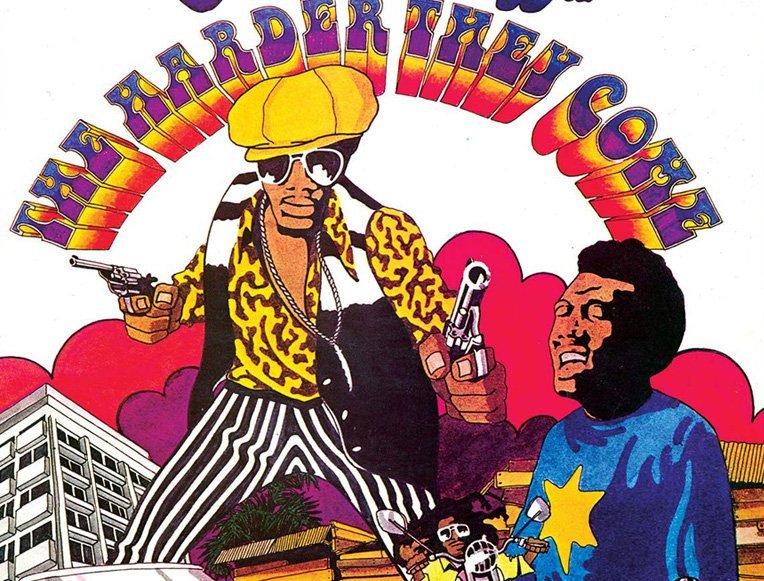
Gen Z is rediscovering classic Caribbean movies like Shottas, Cool Runnings, and The Harder They Come through streaming, TikTok, and music-driven digital culture.
Titles from the 1970s through the early 2000s are reaching younger audiences through streaming platforms, social video, and soundtrack-driven discovery. In many cases, these films were originally watched by Gen Z’s parents or older relatives, especially within Caribbean and diaspora households. Today, they are being encountered independently, through digital circulation rather than family viewing.
Digital Discovery And Generational Distance
One of the most visible examples is Shottas. The film circulates widely on TikTok and Instagram, where short clips tied to dancehall tracks appear under hashtags related to Jamaican culture and early-2000s aesthetics, such as #Shottas. These clips often omit context, allowing music, fashion, and setting to communicate tone quickly. Viewers encountering the film for the first time frequently comment that they discovered it through social media rather than through family viewing or traditional broadcast.
By contrast, Cool Runnings reaches Gen Z primarily through streaming. Since its inclusion on Disney+, the film has appeared in reaction videos, ranking lists, and commentary threads on YouTube and TikTok. Gen Z viewers are more likely than older cohorts to engage with films through reactions and short commentary rather than full reviews, according to Nielsen. Cool Runnings benefits from this pattern because its pacing, humor, and soundtrack translate well into short clips.
Music As A Bridge Between Eras
Soundtracks play a central role in rediscovery. ‘The Harder They Come’ continues to surface because its music remains widely streamed. Jimmy Cliff’s title track appears in film edits, playlists, and recommendation threads on platforms such as Letterboxd, where younger users often note encountering the music before the film itself. This mirrors broader findings from Spotify and Apple Music, which show Gen Z frequently discovering older media through soundtrack-driven exploration.
Dancehall Queen (1997) has gained renewed visibility among Gen Z viewers through fashion- and performance-focused clips shared on Instagram Reels and TikTok. Short excerpts featuring Audrey Reid’s dancehall performances circulate as references for styling, movement, and stage presence, often detached from the film’s broader storyline. The visual elements of these scenes – custom outfits, bold color choices, body-focused silhouettes, and competitive presentation – align closely with contemporary dancehall-inspired music videos.
This continuity is frequently noted in discussions comparing the film’s imagery to modern productions such as Major Lazer’s ‘Watch Out For This,’ (Bumaye), which draws on similar dancehall fashion codes, performance framing, and crowd dynamics. For younger viewers, Dancehall Queen functions as a visual reference point, offering a clear line between 1990s Jamaican dancehall culture and its ongoing influence on global music video aesthetics.
Rockers continues to circulate because it offers direct access to late-1970s Jamaican music culture at work. Performance and sound system scenes featuring artists such as Jacob Miller and Burning Spear are frequently shared on YouTube and referenced in reggae-focused forums, where viewers often describe them as archival footage rather than traditional cinema.
The film documents how musicians rehearsed, performed, dressed, and moved through everyday spaces, with minimal separation between the music and the environment that produced it. For Gen Z audiences accustomed to behind-the-scenes content and documentary-style visuals, Rockers reads more like a record of process than a scripted narrative.
Why These Films Circulate Now
These films persist because they translate efficiently into short-form viewing. Their music establishes place and tone within seconds. Their visuals are legible without extensive explanation. Many of the most-shared clips are under 2 minutes, aligning with Gen Z’s dominant viewing habits.
There is also a secondary effect. For second-generation Caribbean viewers, these rediscoveries often prompt conversations at home about films their parents watched when they were first released. For viewers without a Caribbean background, the films function as entry points into a broader cultural archive encountered through music and visual media.
This is the space Reggae Genealogy Music Festival occupies. Through ‘Lights. Camera. Reggae,’ the festival examines how Jamaican music has shaped film, television, and global pop culture across decades, connecting archival work with present-day circulation. Hosted by Island SPACE Caribbean Museum, Reggae Genealogy builds on the museum’s mission to preserve, interpret, and present Caribbean cultural history in ways that remain accessible to new audiences. As younger viewers continue to encounter these films through modern platforms, initiatives like Reggae Genealogy provide a framework for understanding where the work came from, how it traveled, and why it still holds relevance today.
Learn more about Reggae Genealogy: Lights. Camera. Reggae, coming to Plantation, Florida, on Saturday, February 7, 2026, at reggaegenealogy.org.
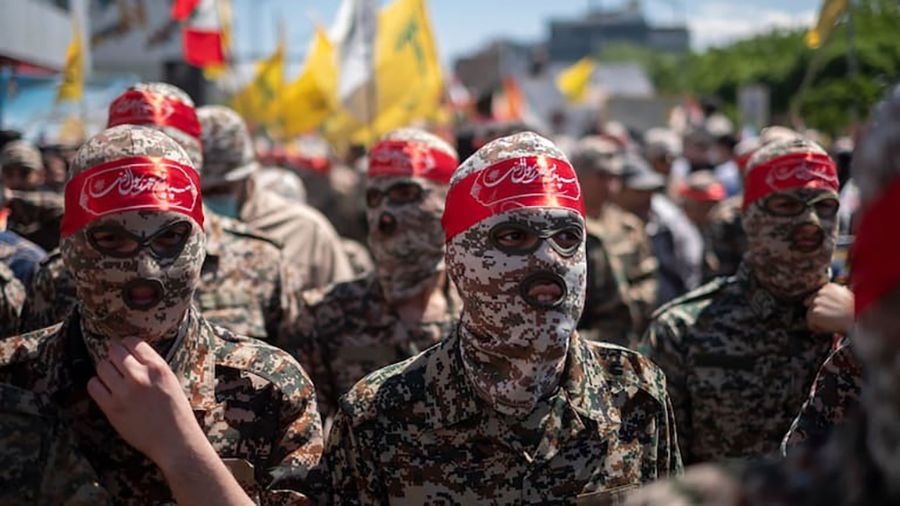
The Quds Force is widely described by Western governments as the Revolutionary Guards’ external arm,
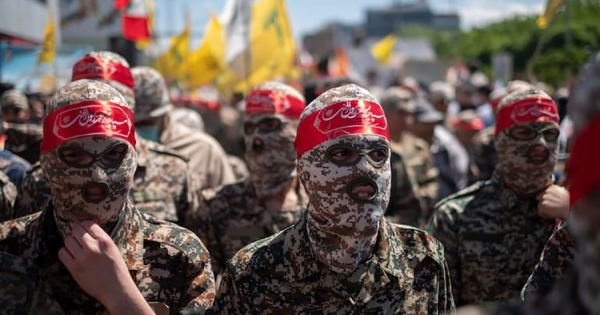
Iran warned it would deliver an “appropriate response” after the Argentine government designated the Quds Force—an external-operations unit within Iran’s Revolutionary Guards—as a “terrorist organization” and added it, along with 13 linked individuals, to Argentina’s Public Registry of Persons and Entities Connected to Terrorism and its Financing (RePET).
At a press briefing, Iranian Foreign Ministry spokesman Ismail Baghaei called the move “unacceptable” under international law and “dangerous” politically, arguing that Argentina was branding “a part of a country’s official armed forces” as terrorist. Baghaei said Tehran would respond “in an appropriate manner.”
Argentina’s decision was announced on Jan. 17 by the Office of the President. The official statement links the Quds Force to the 1992 bombing of Israel’s embassy in Buenos Aires and the 1994 AMIA attack, and orders its inclusion in RePET—an administrative step that enables domestic financial sanctions and operational restrictions.
Background: AMIA, allegations against Iran, and the regional dimension
In the AMIA case, a longstanding line of Argentine judicial and prosecutorial work has alleged responsibility by senior Iranian officials and Hezbollah as the operational actor, claims Tehran has repeatedly denied.
The Quds Force is widely described by Western governments as the Revolutionary Guards’ external arm, associated with intelligence and power-projection activities abroad. The United States, for instance, has sanctioned and publicly accused it of involvement in regional operations.
In Argentina, RePET functions as an administrative tool to list individuals and entities linked to terrorism and its financing. In recent years, successive governments have used it to incorporate organizations tied—by official findings or allied intelligence—to attacks or transnational networks, while Argentina’s public agenda on memory and justice for the 1990s bombings remains active.
Reactions: Israeli support and calls for coordinated action
Tehran’s warning came as Israel publicly welcomed the Argentine move. Israeli Foreign Minister Gideon Saar praised the designation as “an important step” that “strengthens the international front against Iranian terrorism,” and urged other countries to follow Argentina’s example.
In Buenos Aires, the announcement fits a foreign-policy posture seeking closer alignment with Western partners on security and counterterrorism. Argentine outlets reported the government framed the measure around protecting the financial system and strengthening international cooperation against illicit networks, alongside the symbolic weight attached to the 1992 and 1994 victims.
For now, Iran has not detailed concrete retaliatory steps beyond its diplomatic warning. The next phase will depend on whether Tehran escalates through formal complaints in international forums or bilateral measures, and whether Argentina expands administrative or judicial actions linked to the case.
BYD framed the shipment as both a logistics milestone and a strategic expansion step
The BYD Changzhou car carrier docked on Monday at Terminal Zárate, in Argentina’s Buenos Aires province, and unloaded around 5,800 hybrid and electric vehicles shipped from China—described by local coverage as the largest single import landing of its kind in the country.
The arrival followed days of political sparring over President Javier Milei’s market-opening agenda and the scope of incentives tied to “new energy” vehicles. The dispute intensified after comments by Economy Minister Luis Caputo and criticism from opposition figures—including Miguel Ángel Pichetto—who questioned the impact of large-scale imports on domestic manufacturing.
A key point in the debate is tariff treatment. Argentina has been moving ahead with a framework aimed at easing electric and hybrid vehicle imports through quotas and eligibility rules, including FOB price caps by powertrain category, as reported by local business media.
BYD framed the shipment as both a logistics milestone and a strategic expansion step. Stephen Deng, the company’s Argentina country manager, said the firm’s shipping capacity helps it operate “at scale, with efficiency and lower emissions,” while expanding dealerships and broadening the model lineup in the local market.
The Changzhou is a next-generation vehicle carrier with a 199.9-meter length and capacity for up to 7,000 cars, using dual-fuel LNG propulsion—an arrangement that the company and sector outlets link to lower maritime emissions versus conventional fuel-only operations.
Trump challenges Denmark’s claim to Greenland and argues Copenhagen cannot protect the territory from Russia and China
US President Donald Trump reignited tensions with European allies on Monday by linking his push for control of Greenland to the Nobel Peace Prize — arguing that, because he did not receive the award, he no longer feels “obliged to think only about peace.” In a message addressed to Norwegian Prime Minister Jonas Gahr Støre —later circulated to European embassies in Washington— Trump pivoted from the Nobel grievance to Greenland, saying the world would not be safe without “total and absolute” US control of the Arctic island.
Støre confirmed the authenticity of the message and reiterated Norway’s support for Denmark on Greenland’s sovereignty, stressing that the Nobel Peace Prize is decided by an independent committee, not by the Norwegian government.
In the letter, Trump challenges Denmark’s claim to Greenland and argues Copenhagen cannot protect the territory from Russia and China. “The world is not safe until we have total and absolute control over Greenland,” he wrote, according to the transcript reported by US outlets.
The dispute comes as Trump heads into the World Economic Forum in Davos. The World Economic Forum’s official programme lists a “Special Address” by the US president on Wednesday, 21 January. This year’s gathering—bringing together thousands of political leaders and corporate executives—has been framed by expectations of US positions on trade, security and transatlantic alliances, according to an AP preview of the summit.
Pressure on Denmark and Europe’s response
Beyond the Norway exchange, Greenland has triggered renewed diplomatic coordination in Europe. Denmark has indicated it will work with allies on a response should the United States move further toward more forceful measures regarding the territory, Reuters reported.
The argument sits within a broader Arctic security debate involving sea routes, surveillance and military posture. The United States has long held strategic presence in Greenland—including the Pituffik base—under arrangements with Denmark, a point often raised by critics who argue Washington can expand capabilities through cooperation without needing “ownership.”
Trump, however, has framed Greenland as a national security necessity and has claimed NATO “should do something” for the United States, presenting the issue as part of alliance burden-sharing. Across Europe, the rhetoric has prompted political pushback and public protests, particularly in Denmark and parts of the Nordic region, according to international coverage.
Nobel, Venezuela, and the political backdrop
The Nobel angle also intersects with Venezuela: the Nobel Committee awarded the most recent prize to opposition leader María Corina Machado—an outcome Trump references in his complaint, as reported by AP. European observers note Trump’s repeated use of symbolic gestures and direct messages to leaders as a pressure tactic—now with Davos serving as an immediate global stage.
In practical terms, the message to Støre adds uncertainty about Washington’s Arctic intentions at a moment when several European governments are trying to avoid an open crisis within NATO. Norway’s response—underscoring the Nobel committee’s independence while backing Danish sovereignty—seeks to de-escalate without conceding the core question: whether Greenland remains a self-governing territory under the Danish crown, or becomes subject to US control through political leverage or coercion.
With Trump set to speak in Davos, the Greenland dispute is no longer a side provocation. It is becoming an early test of how the White House intends to renegotiate—publicly—the boundaries of the transatlantic relationship.
In Mexico, an enchilada is sold as a symbol of heritage, comfort, and belonging. But its real story is messier: an empire’s banquet, a conquest’s hunger, a border’s contempt, and a working-class lunch that survived being mocked.
A Royal Bite That Europe Couldn’t Stop Watching
When Bernal Díaz del Castillo entered Tenochtitlán on November 8, 1519, he didn’t write first about stone and ceremony. He wrote about food, about abundance so overwhelming it sounded like a dare to the imagination. In his account, Moctezuma II ate like a universe: three hundred dishes prepared for him, one thousand more for guests, served on “red and black Cholula pottery,” with “two thousand pots of chocolate” and a catalogue of birds and beasts too long to finish. There was even, he said, talk of human flesh, a rumor placed like a shadow at the edge of the table.
Then came the detail that matters for the rest of us, centuries later, when we scroll menus and argue about what counts as “real” Mexican food. Midway through the meal, Díaz wrote, two young women brought the monarch tortillas “as white as snow,” dressed with eggs and other nourishing ingredients, delivered on clean napkins like a small ritual between larger courses. The description is brief, but it’s often read as the earliest European glimpse of what would become the enchilada, an ordinary object made suddenly historical because a conquistador noticed it. The moment is almost unfair: a dish that existed long before the Spanish arrived becomes “born” in the record only when a foreign pen decides it is worth naming.
Chīllapīzzali And The Food Of The Street
Long before Díaz looked down at that plate, corn tortillas and tlaxcalli had been made in southern Mexico for thousands of years, serving at first as edible tools: a plate, a spoon, a wrapper. Over time, they became a method for carrying flavor. In the preclassical era, roughly 2000 to 250 BC, the Maya of the Yucatán Peninsula were already dipping tortillas in pumpkin seeds, rolling them around chopped, hard-boiled egg, and finishing them with tomato sauce. The enchilada, in other words, did not appear as a single invention. It emerged the way rivers do: fed by smaller streams of practice, need, and taste.
The Aztecs gave the dish its most recognizable spine: heat. The Nahuatl name chīllapīzzali, often translated as “chilli-flute,” points straight at the ingredient that made it distinctive. Chilli was ground into a paste; tortillas were dipped; fillings could be beans, squash, fish, game, or eggs. And crucially, it was not only a noble indulgence. It lived in the marketplace, available to ordinary people who needed food that was portable, cheap, and satisfying.
A few decades after Díaz, Bernardino de Sahagún described stalls in his Historia general de las cosas de la Nueva España (1575–86) with the attention of someone who understood that empires actually happen in daily life. He found tortillas dipped in chilli and filled with shelled beans, cooked, uncooked, mashed, mixed with maize, sometimes with meat, accompanied by sauces that could be, in his telling, terrifyingly hot. The enchilada’s early identity was not a museum piece. It was a system: corn, heat, filling, and the social world that gathered around it.
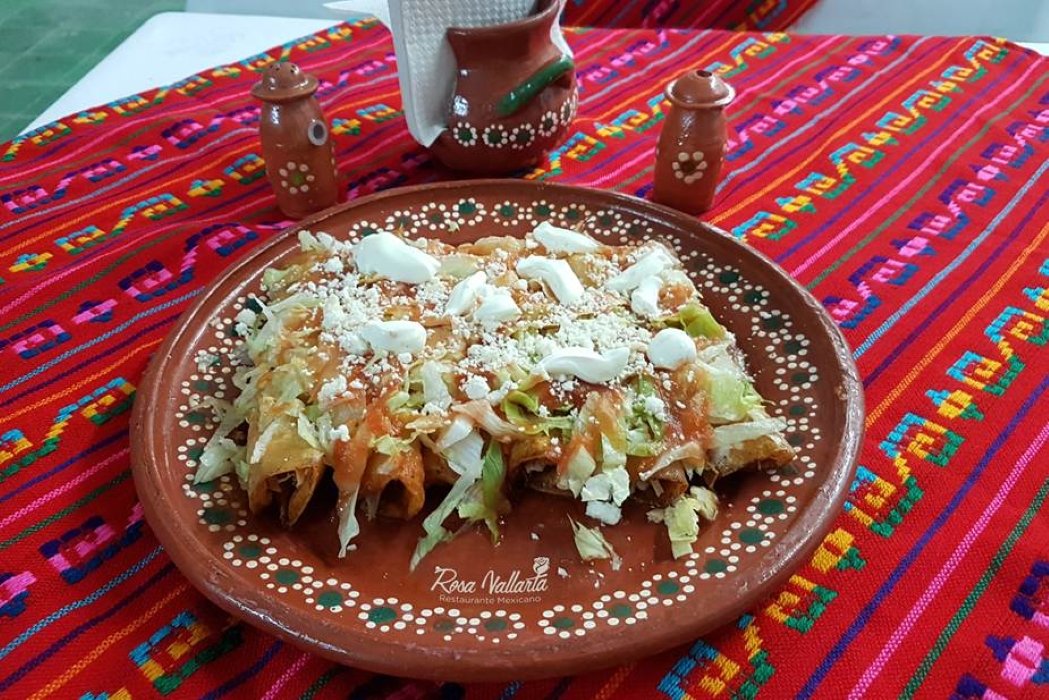
Photo by ELSA GAREY / Wikimedia Commons — Licensed under Creative Commons Attribution-ShareAlike 4.0 International (CC BY-SA 4.0).
From Conquest To Texas, The Dish That Crossed With The Workers
Then Hernán Cortés came, and Tenochtitlán fell, and what followed was not merely a change of rulers but a violent reordering of memory. The account is blunt: culture destroyed, temples sacked, palaces and records burned. Yet cuisine proved harder to erase, and easier to steal. Enchiladas were appealing to the conquistadors because they were tasty, simple, and practical, even on the march. They could also be bent to Spanish appetite: cheese, pork, and chicken entered the picture; sauces began to replace the chilli paste that had once been central.
By the time Mexico settled into colonial life as the Viceroyalty of New Spain, the enchilada had become a hybrid, shaped by new ingredients and new hierarchies. It began as curiosity, then turned into a symbol, and the symbolism was never innocent. For ordinary people, especially those whose lives were braided by intermarriage and local survival, the dish could express a mixed identity, half-Spanish, half-Aztec. For colonial elites, the same dish could be worn like a badge: proof of superiority and, later, of distance from Iberia and of desire for autonomy. Food, in this telling, becomes a language that everyone speaks but no one admits is political.
By the mid-eighteenth century, as colonial rule began to chafe, enchiladas shed their earlier labels and started to read as distinctively “Mexican.” By 1821, at independence, they were close to a national dish. When the first Mexican cookbook appeared in 1831, Cristina Barros included two recipes, an act of pride that also suggests variety, not purity, was already part of the tradition.
The next transformation was driven not by romance but by borders and labor. After the United States annexed Texas (1845) and took California and the Southwest (1846–48), Mexican dishes moved into American culture, laying the groundwork for what would later be called “Tex-Mex.” Enchiladas led the way, becoming a favorite among hard-up farmhands and factory workers, with food cooked on makeshift stoves or bought at roadside stalls. In this version, meat grew less common, cheaper ingredients like lettuce and onion appeared, and chilli’s role softened.
An early recipe surfaced in the Centennial Buckeye Cook Book (1876), contributed by Anson Safford, territorial governor of Arizona. The instructions were domestic and practical: process the corn with lime or lye, bake tortillas, fry them, make a sauce with ground red pepper, “chili colorad”, sweet oil, vinegar, then dip, add cheese and onions, and there you have enchiladas. It is a recipe that reads like adaptation under constraint, not betrayal.
But alongside this culinary borrowing ran contempt. Mexicans lived and worked beside Americans across the frontier, yet hostility followed them, expressed in slurs and in disgust aimed at their food. A visitor in 1883 dismissed enchiladas as “greasy tortilla sandwich[es]” and “nasty messes,” complaining of a “pungent, nauseous smell.” The insult is revealing: what the traveler couldn’t stomach wasn’t only chili and lard, but the proximity of cultures, bodies, and lives that refused to remain separate.
By the early twentieth century, wider acceptance arrived through migration, growing city influence, and changing tastes, especially in places like San Antonio. In 1921, food writer Louise Lloyd Lowber described enchiladas at the “famous Enchilada House in Old Albuquerque” with the reverence of someone trying to translate pleasure into print: tortillas layered with rich red chile and cheese, crowned with chopped onions, an egg nestled on top, lettuce as cooling garnish, an enchilada presented as art, not stigma.
And yet the argument over “authenticity” persists. Some Mexicans, especially in Mexico itself, have rejected the heavy, lavish estadounidense versions as inauthentic and called for a return to simpler recipes. But the dish’s own history complicates the demand. Enchiladas have been appropriated and reshaped so many times that claiming they “belong” to only one people risks repeating the very prejudice that once made them a target. If this food carries a lesson, it is not that recipes should be guarded behind walls. It is that a tortilla can travel, survive contempt, absorb loss, and still arrive warm, asking to be shared with an open mind, a warm heart, and a friendly smile.
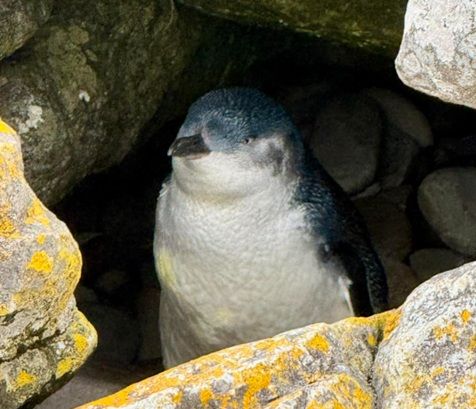
The Little Blue Penguin stands about 10-12 inches (25-30 cm) tall and weighs around 2.2 pounds (1 kg).
The Falkland Islands have recently been delighted to welcome a new visitor all the way from New Zealand!
The smallest penguin in the world, the aptly named Little Penguin, has recently been spotted near Falklands’ capital Stanley, a mere 5000+ miles from its home.
The smallest penguin in the world is known as the Little Penguin (Eudyptula minor), also named the Fairy Penguin or Little Blue Penguin, standing about 10-12 inches (25-30 cm) tall and weighing around 2.2 pounds (1 kg).
Found along the coasts of Southern Australia, Tasmania, and New Zealand, these tiny penguins are unique for their blue and white plumage and thrive in temperate, sometimes urban, environments.
However appearing in the Falklands, yes land of penguins, is most extraordinary.
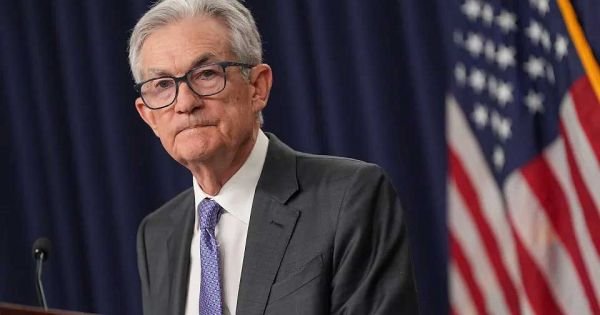
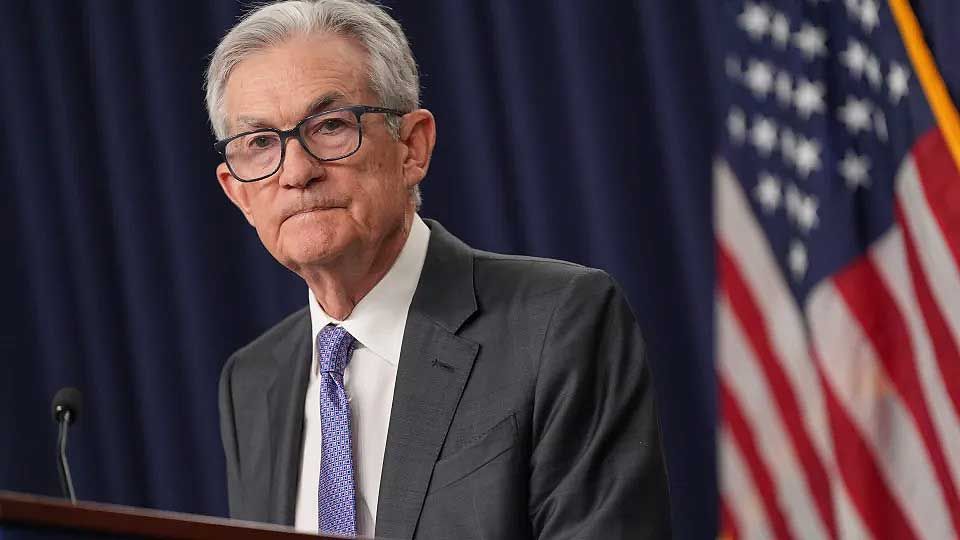
Powell said “whether interest rates based on evidence and economic conditions – or whether monetary policy will be directed by political pressure or intimidation”
By John Hawkins (*) – Central bankers from around the world have issued a joint statement of support for US Federal Reserve Chair Jerome Powell, as he faces a criminal probe on top of mounting pressure from US President Donald Trump to resign early.
It is very unusual for the world’s central bank governors to issue such a statement. But these are very unusual times.
The reason so many senior central bankers – from Australia, Brazil, Canada, Europe, New Zealand, South Africa, South Korea, the United Kingdom and other countries, as well as the central banks’ club the Bank for International Settlements – have spoken up is simple. US interest rate decisions have an impact around the world. They don’t want a dangerous precedent set.
Over the course of my career as an economist, much of it at the Reserve Bank of Australia and the Bank of International Settlements, I have seen independent central banks become the global norm in recent decades.
Allowing central banks to set interest rates to achieve inflation targets has avoided a repeat of the sustained high inflation which broke out in the 1970s.
Returning the setting of monetary policy to a politician, especially one as unpredictable as Trump, is an unwelcome prospect.
Trump has repeatedly attacked the US Federal Reserve (known as the Fed) over many years. He has expressed his desire to remove Powell before his term as chair runs out in May. But legislation says the president can only fire the Fed chair “fro cause”, not on a whim. This is generally taken to mean some illegal act.
The Supreme Court is currently hearing a case about whether the president has the power to remove another Fed board member, Lisa Cook.
And Powell revealed he had been served with served with a subpoena by the US Department of Justice, threatening a criminal indictment relating to his testimony to the Senate banking committee about the US$ 2,5 billion renovation to the Fed’s historic office buildings.
Trump has denied any involvement in the investigation.
But Powell released a strong statement in defense of himself. He said the reference to the building works was a “pretext” and that the real issue was:
“Whether the Fed will be able to continue to set interest rates based on evidence and economic conditions – or whether monetary policy will be directed by political pressure or intimidation”. (US Federal Reserve Chair Jerome Powell’s statement addressing the investigation).
A few days later, more than a dozen of the world’s leading central bankers put out a statement of support:
“We stand in full solidarity with the Federal Reserve System and its Chair Jerome H Powell. The independence of central banks is a cornerstone of price, financial and economic stability in the interest of the citizens that we serve. It is therefore critical to preserve that independence, with full respect for the rule of law and democratic accountability”.
Another statement of support came from leading US economists – including all the living past chairs of the Fed. This included the legendary central bank “maestro” Alan Greenspan, appointed by Ronald Reagan and reappointed by George HW Bush, Bill Clinton and George W Bush.
This statement warned undermining the independence of the Fed could have “highly negative consequences” for inflation and the functioning of the economy.
Why it matters for global inflation
Trump has said he wants the Fed to lower interest rates dramatically, from the current target range of 3.5% to 3.75% down to 1%. Most economists think this would lead to a large increase in inflation.
At 2.8% in the US, inflation is already above the Fed’s 2% target. The Fed’s interest rate would normally only drop to 1% during a serious recession.
A clear example of the dangers of politicized central banks was when the Fed lowered interest rates before the 1972 presidential election. Many commentators attribute this to pressure from then president Richard Nixon to improve his chances of re-election. This easing of monetary policy contributed to the high inflation of the mid-1970s.
A more recent example comes from Turkey. In the early 2020s, President Recep Tayyip Erdoğan leaned on the country’s central bank to cut interest rates. The result was very high inflation, eventually followed by very high interest rates to try to get inflation back under control.
Trump should be careful what he wishes for
What will happen if Trump is able to appoint a compliant Fed chair, and other board members, and if they actually lower the short-term interest rates they control to 1%? Expected inflation and then actual inflation would rise.
This would lead to higher long-term interest rates.
If Trump gets his way, US voters may face a greater affordability problem in the run-up to the mid-term elections in November. This could then be followed by a recession, as interest rates need to rise markedly to get inflation back down.
And as over a dozen global central bank leaders have just warned us, what happens in the US matters worldwide. (The Conversation)
(*) Head of Canberra School of Government; Mr. Hawkins was formerly a senior economist at the Reserve Bank of Australia and the Bank for International Settlements.