Category: Home

  • Chile Burns Again as Wind Turns Neighborhoods into Ash Overnight

    Chile Burns Again as Wind Turns Neighborhoods into Ash Overnight


    A wall of fire tore through Biobío as Chile’s summer heat peaked, killing at least 16 and forcing more than 20,000 from their homes. In Penco, the mayor said he was “emotionally destroyed” watching firefighters weep at the command post.

    Orange Skies, Empty Streets

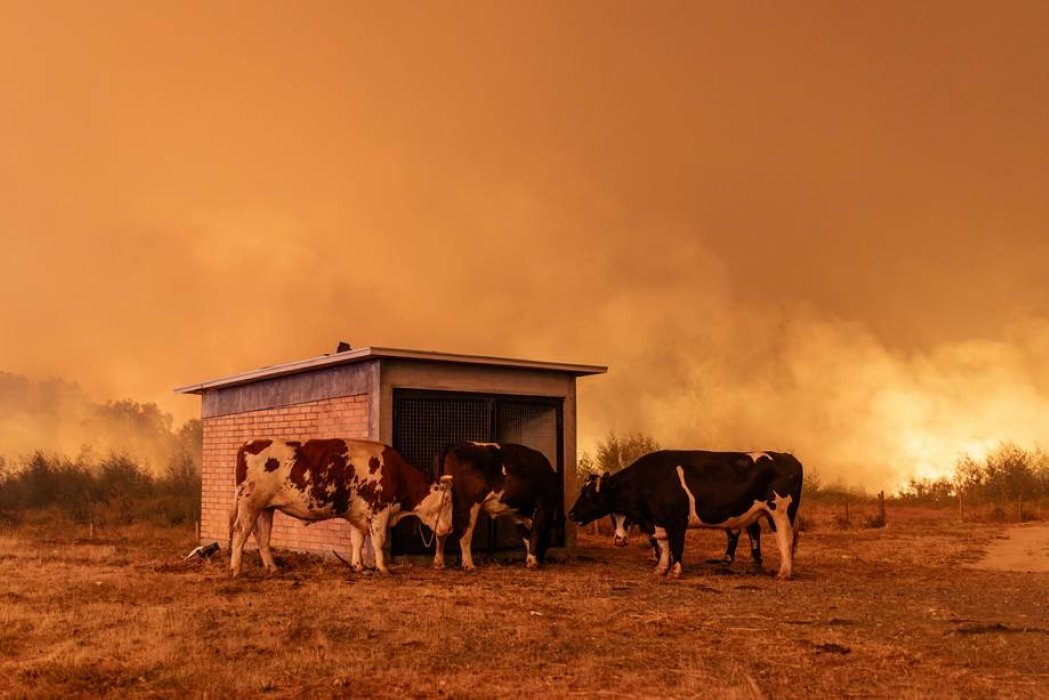
    By Sunday, the southern forests and hills of Chile were no longer background scenery; they were an advancing front. Entire neighborhoods in Biobío were reported destroyed, with evacuees streaming toward temporary shelters carrying what they could grab in the minutes before smoke turned the day to dusk. Videos and photographs captured flames leaping across buildings and utility poles, thick smoke swallowing the horizon beneath a bruised orange haze. When the fire passed, it left a quiet that felt unnatural: collapsed structures, streets lined with charred cars, and a landscape that looked sifted through a furnace.

    In Penco, a city of about 50,000, roughly 400 kilometers south of Santiago, Mayor Rodrigo Vera described a scene that sounded more like grief than disaster management. “Emotionally, I am destroyed,” he said on Chilean radio, explaining that some firefighters had been trapped and that he had seen others crying on the ground at the command post. Even his plea to the national government came without political varnish, as if the fire had burned away every other language. ”I beg you, please, from the deepest part of my heart. Come and help us,” he said, pleading for help.

    The scale of displacement pushed the emergency beyond the obvious images of burning homes. Vera said more than 20,000 people had to abandon their houses, and emergency crews evacuated patients from a hospital threatened by the flames. In a country accustomed to summer fires, the ritual is familiar: sirens, shelters, ash falling like a thin snow, but familiarity doesn’t reduce the shock when entire blocks vanish, and the air itself becomes dangerous to breathe.

    A State of Catastrophe

    In the early hours of Sunday, President Gabriel Boric declared a “state of catastrophe” for the regions of Ñuble and Biobío, a move that allowed the government to deploy the army to areas where the fire had already consumed more than 8,000 hectares, nearly 20,000 acres. The declaration carried the weight of a constitutional alarm bell, acknowledging that ordinary capacity had been exceeded, that the state needed to bring its most powerful tools into the fight.

    Chile’s public security minister, Luis Cordero, confirmed the death toll at 16, while warning that the count could shift as families searched and authorities gathered information. “There are people who still have not been located, but many could be in shelters,” he said. “Some people remain unaccounted for, though many could be in shelters. The information is being compiled progressively,” he added, explaining that details were being assembled gradually as relatives filed reports. In that cautious phrasing is another painful truth of fires: the dead are not always found quickly, and the missing are sometimes scattered, out of phone range, without transport, in a shelter whose list hasn’t yet reached a database.

    The Corporación Nacional Forestal de Chile said 24 fires were being actively fought across the country, most in the southern forests, where a heat wave and fierce winds intensified the latest surge. Temperatures were expected to reach 38 degrees Celsius (about 100 degrees Fahrenheit), with winds up to 90 kilometers per hour. Those numbers are not merely meteorology; they are fuel and speed, the difference between a controllable line and a runaway inferno. Heat dries vegetation into tinder. Wind turns sparks into strategy, throwing embers ahead of the main blaze, creating new fires faster than crews can reach them.

    Chile battles wildfires every summer, especially in January and February, but official records suggest the season is already running hot. Last summer saw 3,018 fires nationwide. This year, there have already been 2,825, even as the hottest stretch of the season is just beginning. Behind those figures are exhausted crews and communities that have learned to pack bags quickly, to keep phones charged, to scan hillsides for smoke the way older generations once watched for storms.

    A total of 16 people were killed in a series of wildfires in southern Chile, in the regions of Ñuble and Biobío, Public Security Minister Luis Cordero said. EFE/ Presidencia de Chile 

    The Long Memory of Fire

    The government announced in November a budget of about $180 million to fight wildfires this summer, a sum that signals preparation but also the grim expectation that the battle will return year after year. Money buys aircraft hours, equipment, logistics, and training. It does not buy back forests in a weekend, or rebuild a neighborhood’s sense of safety, or erase the moment someone realizes the family home is now a glow behind a wall of smoke.

    That long memory sharpens because Chile has a recent trauma. Two years ago, the deadliest wildfires in the country’s history tore through the central coast, killing 135 people and destroying or damaging 8,188 homes. Prolonged drought and strong winds helped the flames race across hillsides, leaving devastation that many Chileans still measure in personal terms: the house a cousin lost, the dog that never came back, the street that no longer exists. The south’s current disaster echoes that earlier one, reminding the country that “fire season” is not a phrase; it is a recurring national test.

    And the flames are not respecting borders. In recent weeks, wildfires have also spread through Argentine Patagonia, burning nearly 30,000 hectares since mid-December, according to Greenpeace. The report said no human lives were lost there, but native forests burned, homes were destroyed in multiple communities, and wild animals died. For the region, it reads like a shared nightmare with different chapters: two countries, one southern landscape, the same expanding vulnerability.

    In Biobío and Ñuble, the immediate work is survival, shelter, water, reunification, the slow accounting of who made it out and who did not. But the deeper question follows close behind the smoke: how many summers can a society endure in which fire is not an exception but a rhythm, returning each year with new speed, new heat, and a widening appetite.

    Also Read:
    Argentina Wildfires Revive Antisemitic Mythology That Never Truly Died


    Source link

  • Venezuela Removed Its President, But the Guns Never Changed Hands

    Venezuela Removed Its President, But the Guns Never Changed Hands


    Two weeks after U.S. forces seized Nicolás Maduro in Caracas, President Trump declared Washington would run Venezuela “until further notice.” On the ground, the dictatorship’s machinery never stopped, only changed hands, tightening its grip while promising cooperation.

    Caracas without Maduro still feels like Maduro’s Caracas

    The raid that removed Nicolás Maduro was supposed to be a rupture: the face of the regime gone, the pathway to a different Venezuela suddenly open. Within hours, President Trump told the public the United States would be running the country “until further notice,” as if a state could be managed like an airport after a storm. But in the neighborhoods and barracks, the reality described by people watching this unfold is simpler and colder: the regime, without Mr. Maduro, is still calling the shots.

    That contradiction is where the story lives. Secretary of State Marco Rubio has described a three-step strategy: stabilization, then recovery of economic and social institutions, then a transition to democracy. It’s the kind of sequence that reads clean on paper, especially from far away. But in Caracas, paper plans collide with the question that decides everything: who controls the guns, the files, the prisons, and the fear?

    By the account here, buy-in now depends on Delcy Rodríguez, identified as Mr. Maduro’s replacement and the regime’s new dictator-in-chief. She is, in this telling, cooperating with the “gringos” in word but not in deed, saying what must be said to slow foreign pressure while protecting the internal architecture that keeps power in place. In Latin America, we recognize this choreography. Regimes don’t only survive by violence; they survive by mastering the performance of reasonableness while keeping the instruments of coercion within reach.

    A Fragmented Military and One Man Rumored to Want It All

    There is, the text suggests, one sliver of possibility: the military is fragmented. Fragmentation can mean paralysis, but it can also mean openings, officers, and soldiers who might defend a return to democracy precisely because no single command is fully trusted, no single loyalty fully secure. The idea is that enlisting and organizing those “patriots” could restore order and prevent an institutional collapse like Iraq after de-Baathification, where tearing out a governing structure created a vacuum filled by chaos.

    But the same fragmentation also creates opportunities for predators. The “bad news,” as it’s laid out, is that the regime’s ruthless anti-American interior minister, Diosdado Cabello, still controls most of the guns, armed forces, national police, secret police, and paramilitary, and is rumored to be plotting to get the rest. The word “rumored” matters because it captures a familiar political weather: the kind you can’t quite prove until it’s already raining. And if Mr. Cabello consolidates control, the second phase of Mr. Rubio’s plan, rebuilding institutions, begins to look less like recovery and more like a managed continuity, a new label over an old system.

    This is the trap foreign planners often underestimate. You can remove a leader, even dramatically. Still, if the coercive apparatus remains intact, if the prison keys stay in the same pockets, then the state’s daily power does not disappear. It simply updates the wall portrait.

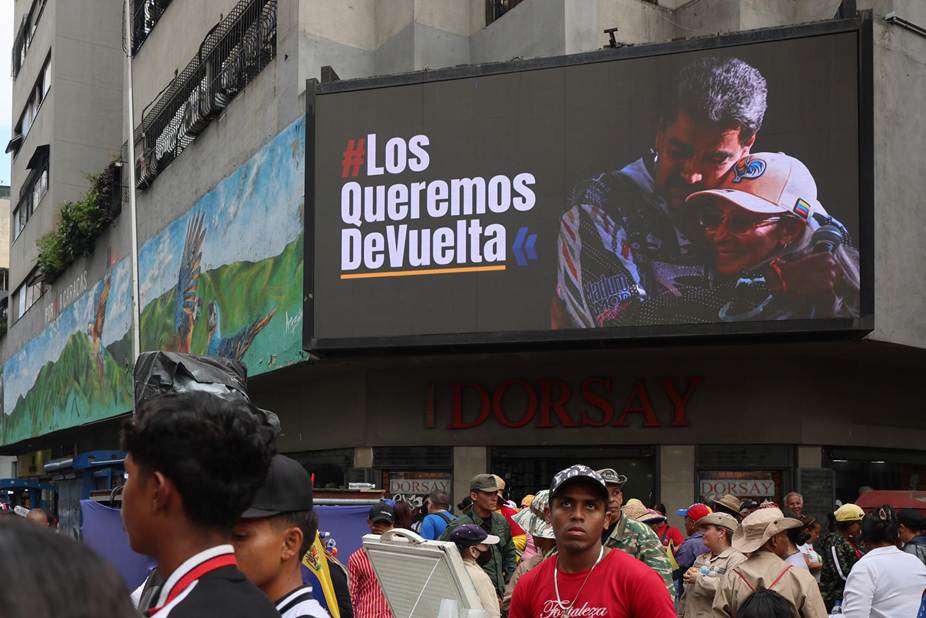
    Hundreds of Chávez supporters marched to demand the “rescue” of Maduro and Cilia Flores, detained in the United States, and warned U.S. President Donald Trump that “you won’t get away with it. EFE/ Miguel Gutierrez

    A New Commander, An Old Résumé, And the Slow Drip Of Fear

    Two days after Operation Absolute Resolve, Ms. Rodríguez promoted a veteran of the Chávez–Maduro apparatus to lead the Presidential Honor Guard: Gustavo Enrique González López. On paper, an “honor guard” sounds ceremonial, the kind of unit tourists might confuse with parade uniforms. Here it is described as something else entirely: an estimated two thousand members drawn from multiple branches, armed forces, national guard, national police, and secret police, a force “as big as a brigade,” and, more importantly, “the locus of the dictatorship’s power.”

    The appointment matters not only because of the unit’s size, but also because Mr. González López also heads military counterintelligence, the DGCIM, which is described as responsible for repressing dissent inside the barracks, spying on soldiers and officers, and carting off those suspected of disloyalty to prison. The values of leadership, the text argues, will shape what Venezuela becomes next. And by naming Mr. González López, presented as a close confidant of Mr. Cabello, to control both the Presidential Honor Guard and the DGCIM, Ms. Rodríguez is not signaling a transition. She is signaling defiance, “giving the middle finger” to Mr. Trump.

    The résumé presented is a timeline of consolidation. From 2014 to 2018, Mr. González López headed the secret police during a period of “intensified repression,” briefly serving as minister of the interior, justice, and peace, and attaining the rank of general-in-chief of the army. After advising Mr. Maduro, he returned in April 2019 to head the secret police again, holding the position until October 2024. From there, he moved to PdVSA, where he ran strategic affairs and production, then became president of the state-owned oil company in October 2025.

    If this is the figure entrusted with the regime’s most sensitive levers, the implication is blunt: the current state of affairs is being defended, not dismantled. A man described here as central to “torture, tyranny and terrorism” is unlikely to guide the country toward the rule of law that economic development requires. And that fear bleeds into the details that ordinary Venezuelans would recognize more intimately than any cabinet title: the pace of prisoner releases, the pressure to stay silent, the sense that freedom can be revoked at any moment.

    The numbers land like a ledger of intimidation. On January 3, the regime held more than eight hundred dissidents in jail, not including more than sixty whose whereabouts were unknown. By January 16, Foro Penal, the nonprofit that tracks arrests of nonviolent opposition figures, said only 100 political prisoners had been released. The text calls it “drip, drip,” and the phrase captures a strategy: release just enough to soften scrutiny, not enough to weaken the tool of imprisonment itself.

    One reason offered is grotesquely practical: many prisoners may be in such bad shape that releasing them quickly would embarrass Ms. Rodríguez, who is described as cultivating “a persona of civility” while “dressing like Imelda Marcos.” But the larger reason is structural. If mass imprisonment is ruled out, Ms. Rodríguez and Mr. Cabello lose a necessary instrument of rule. Since Mr. Maduro was removed, Cabello enforcers, uniformed and civilian, have continued intimidating the population with threats of detention and physical harm. Even release, in this telling, is conditional: some freed prisoners are said to face open cases, meaning their freedom comes with an implied muzzle.

    The portrait that emerges is of a regime trying to survive a historic shock by becoming more agile, not less cruel. Ms. Rodríguez is described as playing both sides, telling Mr. Trump, Mr. Rubio, and the CIA what they want to hear while keeping Mr. Cabello satisfied. But the oldest lesson of power in the Americas is that you can’t permanently balance fear on two knives. Eventually, “one side or the other has to go.”

    Also Read:
    Venezuela Was the Test Case. Could Cuba and Iran Be Trump’s Next Target


    Source link

  • EU-Mercosur trade deal could turn South America into a critical minerals powerhouse — MercoPress

    EU-Mercosur trade deal could turn South America into a critical minerals powerhouse — MercoPress


    EU-Mercosur trade deal could turn South America into a critical minerals powerhouse

    Monday, January 19th 2026 – 10:57 UTC


    The emphasis on critical minerals comes amid a broader geopolitical scramble for resources essential to green and digital economies
    The emphasis on critical minerals comes amid a broader geopolitical scramble for resources essential to green and digital economies

    The free trade agreement between the European Union (EU) and the Mercosur bloc (Argentina, Brazil, Paraguay and Uruguay) could help turn South America into a major player in the global market for critical minerals and rare earths, EU Trade Commissioner Maroš Šefčovič said in an interview with EFE from Asunción.

    Šefčovič, who signed the historic deal on behalf of the 27 EU member states, insisted that the pact will not harm European farmers and stressed that lower tariffs and increased market access will benefit consumers and support job creation. “We want to live in a world where tariffs are low so that consumers — our citizens — can access a greater variety of products at better prices,” he said.

    Strategic minerals and geopolitical opportunity

    The Trade Commissioner underscored that one of the sectors with the greatest growth potential under the agreement is that of critical minerals and rare earth elements — key components in clean energy technologies, digitalization and defense systems.

    Currently, China dominates the processing and production of critical minerals, a dependency that the EU’s Critical Raw Materials Act seeks to reduce by 2030 through diversified sourcing, increased recycling and domestic extraction targets. The EU-Mercosur pact is seen as a tool to secure stable supplies of essential raw materials, given that Mercosur countries are significant producers of materials such as graphite, niobium and manganese, which are used in batteries, advanced electronics and strategic industrial applications.

    Brazil and Argentina in the minerals race

    South America’s reserves of rare earths and other critical minerals are substantial, though largely underdeveloped due to investment and infrastructure gaps, Šefčovič acknowledged. “Brazil has the second-largest reserve, but it needs investment, procurement agreements and long-term contracts — and that is exactly what we want and need,” he said. Argentina also has notable deposits that could attract investment under the new trade framework.

    The EU-Mercosur agreement — which will progressively eliminate more than 90% of bilateral tariffs and create one of the world’s largest free trade areas with around 780 million consumers — is expected to stimulate investment in mining and supply chain development.

    Addressing European concerns

    European farmers have protested the deal, fearing competition from South American agricultural imports. Šefčovič defended the pact’s safeguard mechanisms, saying they are “unprecedented in depth, breadth and scope” to prevent price and volume shocks that could disadvantage local producers.

    He also addressed concerns about the use of pesticides in South America that are not allowed in the EU, noting that impact assessments on animal welfare and food safety are underway but are not expected to be problematic. The deal includes significant increases in inspections and audits on both sides of the Atlantic to ensure compliance.

    Global context of critical resources

    The emphasis on critical minerals comes amid a broader geopolitical scramble for resources essential to green and digital economies. Europe has lagged behind competitors such as the United States and China in securing supply chains for critical materials, prompting initiatives like the Critical Raw Materials Act and strategic deals such as the EU-Mercosur agreement.

    The pact, signed after more than 25 years of negotiation, reinforces economic ties and reflects strategic efforts by both blocs to diversify supply sources, build investment partnerships and reduce reliance on dominant global suppliers, particularly China.


    Source link

  • How KSN Construction Turns Patchwork Houses into Cohesive Homes — MercoPress

    How KSN Construction Turns Patchwork Houses into Cohesive Homes — MercoPress


    Whole Home Remodeling Schaumburg: How KSN Construction Turns Patchwork Houses into Cohesive Homes

    Monday, January 19th 2026 – 00:22 UTC


    Full article


    Schaumburg Homeowners Stop Settling for Piecemeal Fixes
    Schaumburg Homeowners Stop Settling for Piecemeal Fixes

    Families across Schaumburg face a common frustration. One outdated bathroom gets fixed. Two years later, the kitchen needs work. The basement sits unfinished for another decade.

    Whole home remodeling Schaumburg residents now pursue offers a different path. KSN Construction has spent 20 years helping Northwest Chicago families stop the cycle of partial updates. Complete home makeovers address every space at once, creating functional and stylish environments throughout.

    Why Whole House Remodeling Makes Financial Sense

    Piecemeal renovations cost more over time. Contractors charge mobilization fees for each separate visit. Design elements rarely match when projects happen years apart. Materials get discontinued between phases.

    Whole-house remodeling services solve problems efficiently. One design team coordinates all spaces. One experienced team handles every trade. One construction process minimizes disruption to daily life.

    Leo Kapetanovic leads KSN Construction as a family-owned operation. He personally assesses each home remodeling project before work begins. The approach helps homeowners create cohesive design plans matching their vision and budget.

    Kitchen Remodeling Sets the Tone

    Most whole-home renovations start with the kitchen. Families spend countless hours cooking, eating, and gathering around countertops. Outdated layouts waste space and frustrate daily routines.

    Dream kitchen transformations include custom cabinets that maximize storage. New countertops provide durable work surfaces. Modern appliances cut energy costs while improving functionality. Better lighting makes meal preparation easier and safer.

    The design team helps homeowners plan layouts supporting their lifestyle. Open concepts connect kitchens to living areas. Islands add seating and workspace. Quality craftsmanship shows in every cabinet door and drawer.

    Bathroom Remodeling From Cramped to Comfortable

    Full bathroom updates eliminate morning bottlenecks. Small spaces feel suffocating when multiple family members rush through routines. Poor lighting and outdated fixtures add frustration.

    Bathroom remodeling contractors at KSN reconfigure layouts to add breathing room. New tiles refresh floors and walls. Updated plumbing fixtures save water and money. Strategic lighting brightens formerly dark corners.

    Master bathrooms become spa-like retreats. Extra storage keeps counters clear. Walk-in showers replace cramped tub-shower combinations. Quality materials handle daily use for decades.

    Guest bathrooms get equal attention during whole-house projects. Coordinated finishes create visual flow between spaces. Homeowners avoid mismatched styles from different renovation eras.

    Basement Remodeling Adds Valuable Square Footage

    Most Schaumburg basements store holiday decorations and forgotten belongings. Families sacrifice hundreds of square feet to dust and cobwebs. Cold, damp spaces repel rather than welcome.

    Basement remodeling contractors transform lower levels into functional living areas. Proper insulation keeps spaces comfortable year-round. Waterproofing prevents moisture damage. Smart framing conceals ductwork and pipes while preserving headroom.

    Finished basements serve multiple purposes. Cozy family rooms provide entertainment space away from the main living areas. Game rooms give kids dedicated play zones. Home theaters offer movie experiences without leaving home. Extra bedrooms accommodate growing families or overnight guests.

    The building process addresses structural concerns first. Foundation issues get repaired. Electrical systems get upgraded. Plumbing relocations happen before walls close up. Final touches include flooring installation, fresh paint, and custom lighting.

    Living Space Transformations Throughout the Home

    Whole home remodeling projects extend beyond kitchens, bathrooms, and basements. Living areas receive attention too. Open floor plans replace choppy layouts. Natural light floods previously dark rooms. Storage solutions reduce clutter.

    Homeowners work with the design team to create functional spaces supporting their routines. Home offices accommodate remote work. Laundry rooms get better organization. Mudrooms handle daily comings and goings. Each area serves specific needs while maintaining design continuity.

    Flooring installation ties spaces together visually. Hardwood flows from room to room. Tile defines wet areas. Durable materials handle high-traffic zones. Choices balance aesthetics with practical maintenance requirements.

    The Renovation Process From Start to Finish

    Initial design plans establish project scope and budget. Leo meets with clients to discuss their home remodeling dreams. He measures the current space and identifies structural considerations. Detailed proposals outline costs, timelines, and material selections.

    Clear communication continues throughout construction. The experienced team provides regular updates. Surprises get addressed immediately rather than hidden. Budget concerns receive prompt attention before escalating.

    Efficient project management keeps work on schedule. Licensed and insured professionals handle all trades. Electrical, plumbing, and HVAC systems get coordinated seamlessly. Building inspections pass without delays.

    The construction process minimizes household disruption. Work areas stay contained. Daily cleanup reduces dust and debris. Families maintain routines while transformations happen around them.

    Finishing touches complete each space. Paint colors bring design visions to life. Light fixtures illuminate rooms beautifully. Hardware and accessories add personality. Every detail receives attention before the final walkthrough.

    Serving Schaumburg, IL and Beyond

    KSN Construction operates throughoutthe Northwest Chicago suburbs. Schaumburg, IL represents a core service area alongside Arlington Heights, Hoffman Estates, Elk Grove Village, and Prospect Heights. The company covers Cook County, Lake County, DuPage County, and Will County locations.

    Geographic range expands without diluting personalized service. Each home remodeling project gets individual attention. Quality workmanship remains consistent whether clients live in Schaumburg or the surrounding communities.

    The highly skilled team brings over 100 years of combined experience. Electricians, plumbers, carpenters, and finishers collaborate smoothly. Expert coordination produces high-quality results across all trades.

    What Sets KSN Apart From Other Home Remodelers

    Six Houzz Awards confirm industry recognition. Hundreds of five-star reviews prove consistent customer satisfaction. Home remodeling experts at KSN have earned trust through reliable performance over two decades.

    Every project includes a 12-month warranty. Problems get addressed promptly without arguments. The guarantee backs up craftsmanship claims with real accountability.

    Fast project starts distinguish KSN from competitors. Most home remodeling contractors make clients wait months. KSN begins remodeling projects in weeks. Quick timelines don’t compromise quality or attention to detail.

    Family values drive company culture. Leo works alongside his team daily. Personal investment in outcomes shows throughout the process. Homeowners feel the difference between corporate operations and family-owned care.

    Free Consultation Starts Your Journey

    KSN offers free consultations to Schaumburg families considering whole-house remodeling. Meetings cover design possibilities, budget parameters, and realistic timelines. Honest answers replace sales pressure.

    Homeowners learn what their investment can accomplish. Options are explained clearly. Choices remain with clients rather than pushed by aggressive tactics. The goal focuses on informed decisions, not quick signatures.

    Custom solutions address unique challenges. Historic homes receive appropriate treatments. Modern properties get contemporary updates. Budget constraints inspire creative problem-solving rather than cookie-cutter approaches.

    Commercial Remodeling Services Available

    Beyond residential work, KSN provides commercial remodeling services. Office spaces get updated to support productive teams. Retail environments attract customers with fresh designs. The same quality craftsmanship and efficient project management apply.

    Business owners receive the personal attention Leo brings to every job. Projects stay on schedule to minimize operational disruption. Licensed and insured professionals handle all commercial building codes and requirements.

    Transform Your Entire Home

    Schaumburg families tired of living with outdated, dysfunctional spaces have options. Whole home remodeling Schaumburg homeowners choose with KSN Construction creates complete transformations. Every room gets attention. Every space serves family needs better. Every detail reflects personal style.

    Twenty years of experience prove KSN delivers on promises. Quality craftsmanship, clear communication, and efficient project management turn home remodeling dreams into reality. The result? Functional, stylish spaces where families actually want to spend time.

    Contact KSN Construction at ksnconstruction.com to discuss your whole-house remodeling vision. Free consultations help plan next steps toward the dream home waiting inside your current space.

    Frequently Asked Questions

    What makes KSN Construction different as a home remodeling company?

    The family-owned business offers 20 years of experience, 12-month warranties, personalized service from Leo Kapetanovic, and starts projects within weeks.

    Can KSN Construction help create more space through home additions?

    The expert team handles basement conversions, room additions, and layout reconfigurations to maximize usable square footage throughout homes.

    What home renovation services does KSN provide in Schaumburg?

    KSN offers complete remodeling, including kitchens, bathrooms, basements, flooring, painting, windows, doors, and whole house transformations.


    Source link

  • High-speed train derailment in Córdoba kills at least 39 — MercoPress

    High-speed train derailment in Córdoba kills at least 39 — MercoPress


    Spain: High-speed train derailment in Córdoba kills at least 39

    Monday, January 19th 2026 – 10:21 UTC


    Photo: Susana Vera/REUTERS
    Photo: Susana Vera/REUTERS

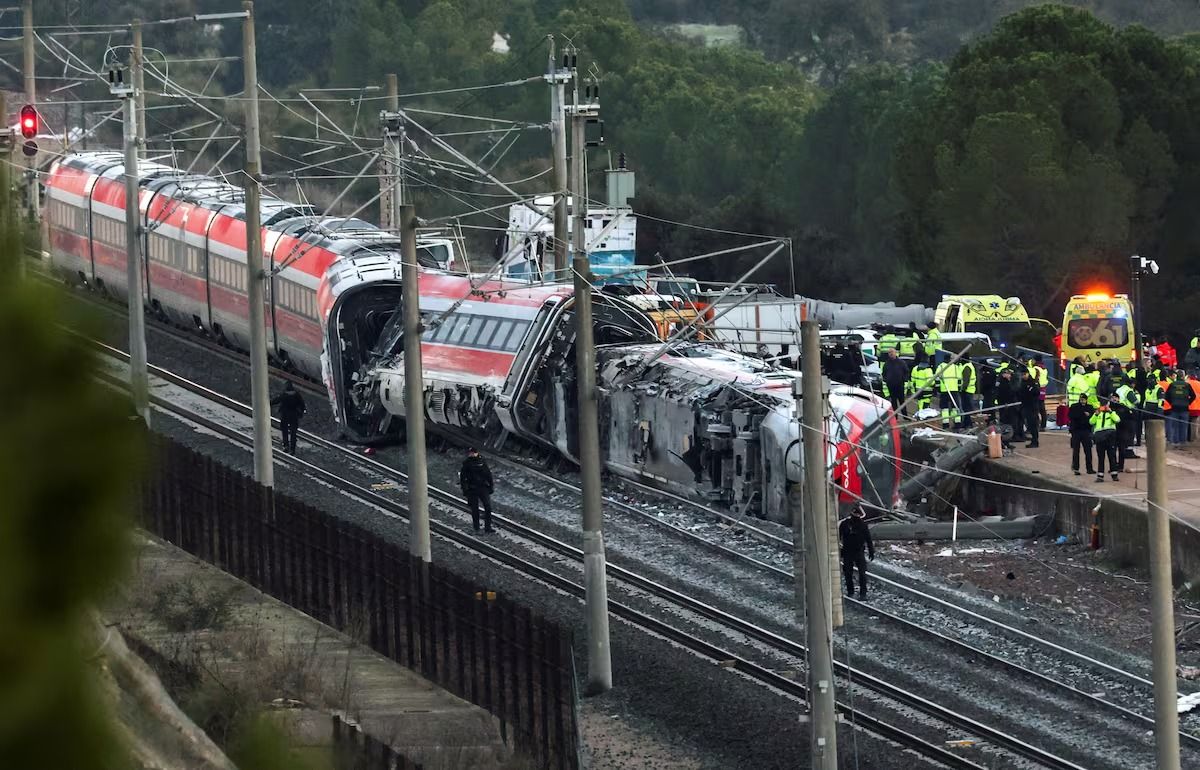
    At least 39 people were killed and more than 100 injured after two high-speed trains derailed on Sunday afternoon near the town of Adamuz, in southern Spain, marking one of the country’s deadliest rail disasters in recent years.

    Authorities said 48 injured passengers remain hospitalized, including 12 in intensive care — eleven adults and one child. Nearly 500 people were aboard the two trains involved: around 300 on an Iryo Málaga–Madrid service and 184 on an Alvia Madrid–Huelva train.

    Spain’s Transport Minister Óscar Puente warned that the death toll “is not final” and described the crash as “extremely unusual,” noting that it occurred on a straight section of track that had been renewed in May. He said investigators were working to determine the cause.

    Italian-owned operator Iryo said the derailed train had passed its most recent safety inspection just four days earlier, adding to questions surrounding the incident.

    Prime Minister Pedro Sánchez canceled international commitments, including a planned trip to Davos, and said he would travel to the crash site on Monday. Spain’s King and Queen are expected to visit Córdoba on Tuesday, while Andalusia’s regional president Juan Manuel Moreno arrived at the scene late Sunday.

    Emergency services, police and medical teams continued rescue and recovery operations overnight, as psychological support was offered to victims’ families. Footage broadcast by Spanish media showed severely damaged carriages along a stretch of rail infrastructure previously considered low-risk.

    According to EFE, Spanish authorities have launched a technical and judicial investigation into possible failures involving infrastructure, signaling systems or train operations. AFP noted that Spain operates one of Europe’s largest high-speed rail networks, with a strong safety record since the 2013 Santiago de Compostela crash.


    Source link

  • 100 Years Of Marine Science Stamp Release — MercoPress

    100 Years Of Marine Science Stamp Release — MercoPress


    South Georgia, Discovery Investigations: 100 Years Of Marine Science Stamp Release

    Monday, January 19th 2026 – 12:59 UTC


    Captain James Cook on 17 January 1775 landed at Possession Bay and took possession of South Georgia, in the name of King George III and his heirs.
    Captain James Cook on 17 January 1775 landed at Possession Bay and took possession of South Georgia, in the name of King George III and his heirs.

    Two-hundred and fifty years ago Captain James Cook landed at Possession Bay and took possession of South Georgia, in the name of King George III and his heirs.

    In the 250th anniversary year, together with Falklands Stamp, South Georgia celebrates its change from a little known and little valued island to a thriving UK Overseas Territory which is globally renowned for championing science, conservation and sustainable management.

    Each set of stamps will focus on a different element of South Georgia and shine a light on both its history and its future.

    This fifth and final issue focuses on the centenary of the establishment of the Discovery Investigations and its legacy of world class marine science.

    During the early part of the 20th century, the whaling industry in South Georgia was expanding rapidly and led to a steep decline in whale stocks.  At the time, whales were viewed as a valuable commercial asset, and the Discovery Committee was formed to gather scientific data needed to understand and manage whale stocks sustainably. In 1925, this led to the first of the Discovery Investigations. 

    A shore-based ‘marine laboratory’ named Discovery House was established at King Edward Point. Scientists at the laboratory worked closely with the whalers at the nearby Grytviken station and were able to dissect and collect data from thousands of whale carcasses that were brought ashore for processing. 

    In parallel with the shore-based research, the RRS Discovery, which had previously been used by Captain Robert Falcon Scott CVO for his famous Antarctic expedition, was re-fitted for use in oceanographic research. The crew of RRS Discovery collected oceanographic data, undertook bathymetric surveys and studied krill, the primary food source of many whale species.

    The investigations were later joined by other research vessels, including the RRS William Scoresby and the RRS Discovery II (from 1929) which carried out thousands of observations at sea.

    Data from the shore station and the various research vessels were compiled into the Discovery Reports. This 38 volume set is considered the foundational reference for Southern Ocean marine biology. Furthermore, the Discovery Investigations provided key evidence demonstrating that a number of whale species were being driven to extinction and ultimately led to the international moratorium on commercial whaling declared in 1982.

    The legacy of the Discovery Investigations endures and much of the biological oceanography and marine ecosystem science which happens today is built on the foundation of information gathered during that time. Research continues to monitor the recovery of whale populations after the ban on commercial whaling and the British Antarctic Survey leads a number of projects studying the distribution, health, and population dynamics of whale species.

    Recent research tracking whale occurrence, in relation to shipping traffic, fisheries and climate change has led to important new conservation measures, to limit the impact of human activities such as noise and collision risk. Other research has focused on measuring krill consumption and assessing krill stocks to ensure they are sufficient to sustain the recovering whale population and has contributed to the design and monitoring of the South Georgia & the South Sandwich Island’s extensive Marine Protected Area.

    A testament to the long-term research efforts is that whale populations around South Georgia are in recovery, with species such as the humpback whale estimated to be at over 90% of their pre-whaling population. For other species, such as the Antarctic blue whale, southern right and fin whales, whilst there are encouraging signs, the levels of recovery are lower. Research is ongoing into the possible reasons for this and include the theory that whale distributions have shifted since whaling perhaps to track a southward shift in krill concentrations.

    The stamps are available to purchase through www.falklandstamps.com or for trade customers via www.iomstamps.com.


    Source link

  • website of the Islands’ Dictionary of Biographies 2025 success — MercoPress

    website of the Islands’ Dictionary of Biographies 2025 success — MercoPress


    Falklands: website of the Islands’ Dictionary of Biographies 2025 success

    Monday, January 19th 2026 – 12:46 UTC


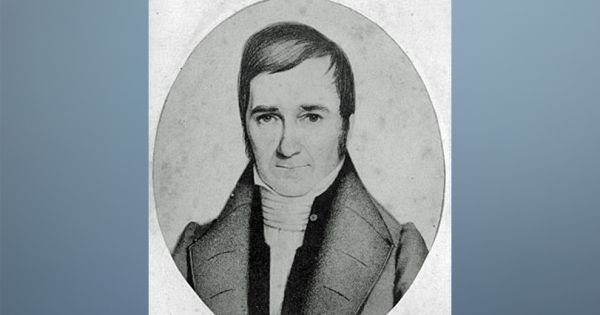
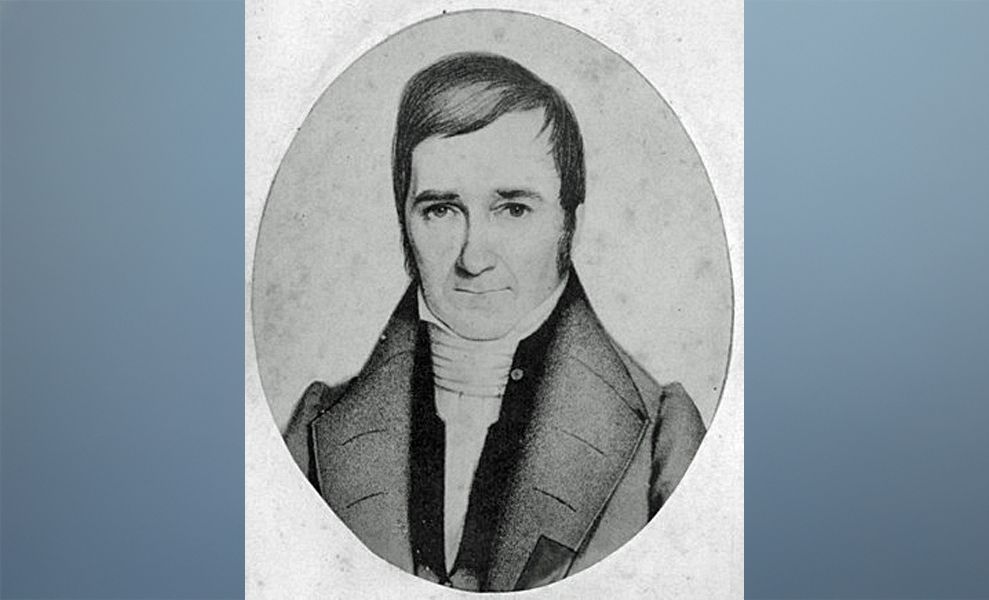
     Felipe Arana, Argentine signatory of the Convention of Peace, 1850, that led to Argentine suspension of challenge campaign of British ownership of Falkland Islands
    Felipe Arana, Argentine signatory of the Convention of Peace, 1850, that led to Argentine suspension of challenge campaign of British ownership of Falkland Islands

    2025 saw an increase in the number of ‘hits’ on the website of the Dictionary of Falklands Biography, DBF. The total number of hits was 27,025, a substantial increase on the previous year’s figure of 22,257.

    People in 157 countries accessed the website and a total of 32,508 pages were opened. The largest number of viewers came from the UK – 7,810 – and 795 came from the Falkland Islands. From Argentina there were 846 hits and, unusually, 2,605 from China. Those who visited the website downloaded 3,717 items.

    The website format permits continuous expansion and eight new names were added this year. Among them are Henry Southern (1799 – 1853) (contributed by Dr Graham Pascoe) and Felipe Arana (1786 – 1865) (by Peter Pepper).

    These were the two signatories of the Convention of Peace of 1850 which declared that all outstanding issues between the British and Argentine governments were resolved and which led to the suspension of the Argentine campaign to challenge British ownership of the Islands.

    The number of images now totals 2119, a striking increase on the 365 pictures included in the original printed volume. The editor, David Tatham expressed his thanks and those of all readers of the DFB to research officer Dr Stephen Palmer and to Dr Tom MacAdam who manages the site.


    Source link

  • “Any absence does not leave a good impression” — MercoPress

    “Any absence does not leave a good impression” — MercoPress


    Orsi on Lula’s absence at EU-Mercosur signing: “Any absence does not leave a good impression”

    Monday, January 19th 2026 – 11:01 UTC


    Despite his absence, the signing was hailed as a historic moment in EU-Mercosur relations and a significant step for regional economic integration
    Despite his absence, the signing was hailed as a historic moment in EU-Mercosur relations and a significant step for regional economic integration

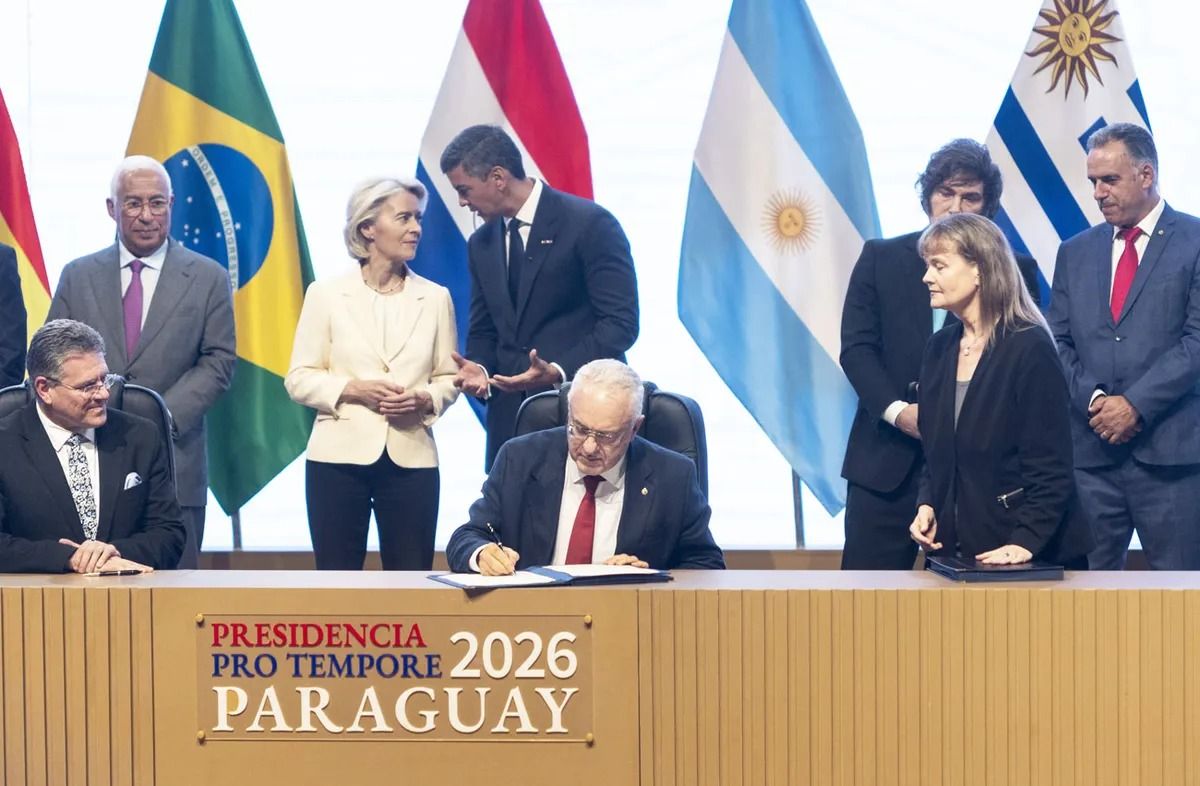
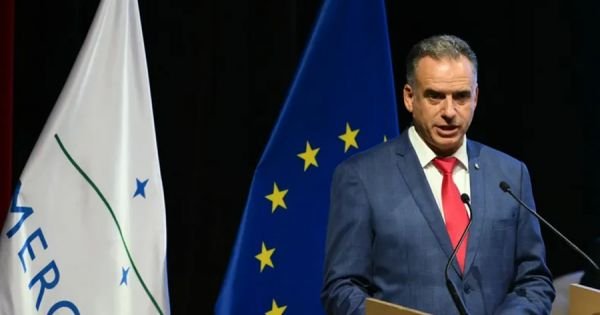
    Uruguayan President Yamandú Orsi expressed disapproval over the absence of Brazilian President Luiz Inácio Lula da Silva during the signing of the landmark free trade agreement between the European Union (EU) and the Mercosur bloc, held in Asunción on January 17.

    Speaking to reporters, Orsi said that “any absence, by any of the four (presidents), does not leave a good impression on me. I always want all four of us present at every instance.” He added that while the formal signing was carried out by foreign ministers, the joint presence of all heads of state would have sent “a much more powerful signal.”

    Lula —who played a central role in pushing the negotiations forward— did not attend the ceremony and was represented by Foreign Minister Mauro Vieira. According to Infobae, the Brazilian leader’s decision not to travel was linked to competing commitments and frustration that the agreement was not finalized in December, when Brazil held the Mercosur rotating presidency.

    Despite his absence, the signing was hailed as a historic moment in EU-Mercosur relations and a significant step for regional economic integration. The deal, expected to create one of the world’s largest free trade areas covering about 720 million consumers and a combined GDP exceeding $22 trillion, still requires ratification by the European Parliament and Mercosur legislatures before it can take effect.

    Signing ceremony and political context

    The EU-Mercosur agreement concluded negotiations that had stretched over more than a quarter of a century, amid global tensions over trade and geopolitical competition. European Commission President Ursula von der Leyen and European Council President Antonio Costa attended the ceremony alongside Orsi, Argentine President Javier Milei and Paraguayan host Santiago Peña.

    While leaders from both sides celebrated the pact as a commitment to multilateral cooperation and open markets, it has faced pushback from European farmers and environmental groups. In Berlin, nearly 2,500 demonstrators with tractors protested the agreement, arguing it could worsen competition for European agriculture and urging stronger environmental and animal welfare protections.

    Orsi described the treaty as “a light in the darkness” amid economic fragmentation and global trade pressures, although he admitted that Lula’s absence left “some doubt.” He reiterated his belief in Mercosur as a key vehicle for regional integration and international engagement.

    Interpretations of Lula’s absence

    Lula —who met with von der Leyen in Brazil on the eve of the signing— celebrated the agreement’s prospects but chose not to attend the signing ceremony itself. Analysts suggest this may signal tactical differences or frustration over the timing and conditions of the pact’s finalization.

    Orsi stressed that full presidential participation enhances the political message behind such agreements, even as the formal procedures of signature and ratification proceed regardless of individual attendance. He said that cooperation and consensus remain fundamental to Mercosur’s strategy, despite occasional differences in how leaders engage publicly with the process.


    Source link

  • Rio’s Carnival Kicks Off with 462 Street Parades and 6 Million Expected Attendees — MercoPress

    Rio’s Carnival Kicks Off with 462 Street Parades and 6 Million Expected Attendees — MercoPress


    Rio’s Carnival Kicks Off with 462 Street Parades and 6 Million Expected Attendees

    Monday, January 19th 2026 – 11:18 UTC


    The official program runs from January 17 to February 22
    The official program runs from January 17 to February 22

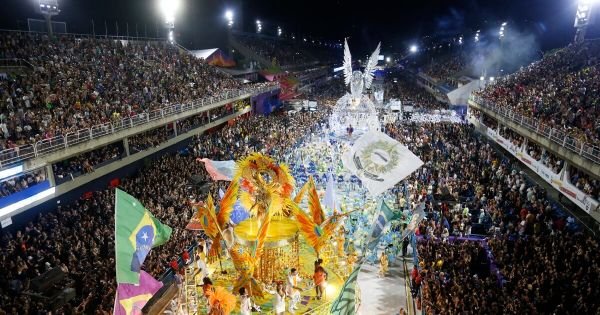
    The street Carnival in Rio de Janeiro, one of the world’s largest public cultural celebrations, begins this weekend with 462 scheduled street parades (blocos) and an expected attendance of around six million people, Brazilian state media Agência Brasil reported.

    The official program runs from January 17 to February 22, featuring events in neighborhoods across the city, from downtown to the South and West Zones, designed to appeal to a broad range of participants, from families to international visitors.

    “The start of the street Carnival is a symbolic and important moment for the city, when Rio reaffirms the value of this cultural expression that begins in the neighborhoods, occupies public spaces and reflects the diversity, creativity and identity of Rio’s residents,” said Bernardo Fellows, president of Riotur, the city’s tourism agency, in a statement carried by Agência Brasil. “It is a plural Carnival that brings together traditional manifestations and large street parties engaging with different audiences, ages and parts of the city.”

    Fellows said that this year’s schedule would be wide-ranging and decentralized. “The idea is to offer options for audiences of all ages and profiles — including children’s and family street parties, prominent musical attractions and impactful cultural experiences,” he added.

    Rio’s downtown area is set to host the most parades — 135 in total — followed by the South Zone, particularly the Copacabana beachfront, with 99 events planned.

    Tourism and economic impact

    In addition to the street parades, marked by vibrant music, samba rhythms and colorful costumes, CNN Brasil reports that 35 blocs will make their debut this year, and the carnival is expected to draw significant tourist inflows, especially from Argentina, Uruguay and Europe, boosting local hotels, restaurants and service sectors.

    The Rio Carnival continues to play a key role in the city’s economy. Previous editions have generated billions of reais in tourism and related spending, and local media report that this year’s celebration could surpass the 2025 economic impact, highlighting its importance on Brazil’s cultural and economic calendar.

    Public safety and logistics

    City authorities have stepped up security, accessibility and health plans to prepare for the massive crowds, coordinating with police, fire departments and medical services. In recent years, Carnival infrastructure has been adapted to improve urban mobility and emergency response during peak attendance.

    The street Carnival, together with the traditional Sambódromo parades at the Marquês de Sapucaí, is widely seen as a key expression of Brazilian cultural identity, blending history, music and community participation as Rio de Janeiro enters one of its busiest and most festive seasons.


    Source link

  • IMF keeps Argentina’s growth outlook at 4% for 2026 and 2027 amid fragile global balance — MercoPress

    IMF keeps Argentina’s growth outlook at 4% for 2026 and 2027 amid fragile global balance — MercoPress


    IMF keeps Argentina’s growth outlook at 4% for 2026 and 2027 amid fragile global balance

    Monday, January 19th 2026 – 10:36 UTC


    For Argentina, the IMF’s projections place the country above both global growth and regional peers
    For Argentina, the IMF’s projections place the country above both global growth and regional peers

    The International Monetary Fund (IMF) has reaffirmed its projections for Argentina’s economy, forecasting growth of 4% in both 2026 and 2027, unchanged from its previous estimates published in October. The figures appear in the latest update of the World Economic Outlook (WEO), presented on Monday in Brussels.

    According to the IMF, the global economy remains on a “firm” growth path, although one shaped by opposing forces. The Fund projects global growth of 3.3% in 2026 and 3.2% in 2027, broadly in line with 2025 outcomes. Beneath that apparent stability, however, lie significant divergences driven by technology investment, trade frictions and geopolitical uncertainty.

    “The current equilibrium reflects the positive impulse from technology-related investment and private sector adaptation, offset by the negative effects of protectionist policies and uncertainty in global trade,” the IMF notes in the report.

    Argentina above global and regional averages

    For Argentina, the IMF’s projections place the country above both global growth and regional peers. While world output is expected to expand just above 3%, and Latin America and the Caribbean are forecast to grow 2.2% in 2026 and 2.7% in 2027, Argentina’s outlook remains stronger.

    chart visualization

    Brazil, the region’s largest economy, is expected to slow from 2.5% growth in 2025 to 1.6% in 2026, before rebounding to 2.3% in 2027. Mexico’s economy is projected to grow 1.5% in 2026 and 2.1% in 2027, following a modest 0.6% expansion last year.

    Within a comparative table covering 30 selected economies, Argentina would rank as the 11th fastest-growing economy in 2026. The list is led by India (6.4%), followed by the Philippines (5.6%), Indonesia (5.1%), Egypt (4.7%), China and Saudi Arabia (both 4.5%), Nigeria and Kazakhstan (4.0%), Malaysia (4.3%) and Türkiye (4.2%).

    Global drivers and counterweights

    The IMF identifies technology investment, particularly linked to artificial intelligence, as the main engine sustaining global growth. This trend is especially pronounced in the United States and parts of Asia, helping to cushion the impact of trade tensions and political uncertainty.

    At the same time, the Fund warns that the global environment remains fragile. Although trade tensions have eased somewhat since late 2025, disputes persist — notably the recent disagreement between the United States and China over semiconductor exports and strategic minerals. That standoff was temporarily defused through a truce that reduced bilateral tariffs and postponed new restrictions until November.

    In terms of monetary policy, the IMF expects interest rates to continue declining in the United States, remain broadly stable in the euro zone, and rise gradually in Japan. Fiscal policy is projected to remain expansionary in major economies such as Germany, Japan and the US, providing short-term support to growth.

    Oil prices and implications for Argentina

    One of the less favorable signals for Argentina comes from the IMF’s outlook on energy prices. After falling 14.2% last year, the average price of oil is projected to decline a further 8.5% in 2026, before recovering marginally by 0.1% in 2027.

    This trend represents bad news for Argentina’s Vaca Muerta shale formation, a key pillar of the country’s medium-term growth strategy and export potential. Lower oil prices could weigh on investment decisions, export revenues and fiscal expectations linked to the energy sector, according to analysts cited by local outlets such as Infobae and La Nación.

    Inflation, risks and fiscal concerns

    The WEO does not provide country-by-country inflation forecasts, but it projects inflation in advanced economies to slow from 2.5% in 2025 to 2.2% in 2026 and 2.1% in 2027. For emerging and developing economies, inflation is expected at 4.8% in 2026 and 4.3% in 2027.

    IMF Chief Economist Pierre-Olivier Gourinchas warned that risks remain tilted to the downside. These include the possibility of renewed trade tensions, new tariffs or restrictions on critical inputs such as rare earths, which could disrupt supply chains and push prices higher.

    Political and geopolitical risks are also highlighted, ranging from ongoing conflicts in Ukraine and the Middle East to domestic political instability in countries facing major electoral cycles.

    Another recurring concern in IMF assessments is the high level of fiscal deficits and public debt, particularly in economies issuing reserve currencies, such as the United States. According to the Fund, this could undermine fiscal sustainability, raise financing costs and pose broader risks to global financial stability.

    In that complex international backdrop, Argentina’s growth projections stand out positively — but the IMF’s broader message underscores that sustaining that trajectory will depend on navigating volatile external conditions, energy price swings and persistent global uncertainty.


    Source link

Translate »