Category: Home

  • US/UK controversy as Trump describes handing the Chagos Islands to Mauritius as a ‘great stupidity’ — MercoPress

    US/UK controversy as Trump describes handing the Chagos Islands to Mauritius as a ‘great stupidity’ — MercoPress


    US/UK controversy as Trump describes handing the Chagos Islands to Mauritius as a ‘great stupidity’

    Wednesday, January 21st 2026 – 11:17 UTC


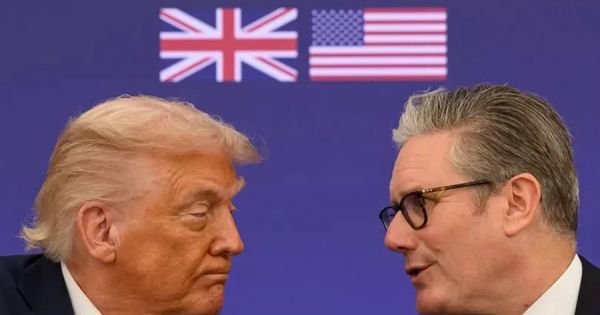
    This latest rebuttal to the American leader comes after Prime Minister Sir Keir Starmer held a press conference on international affairs.
    This latest rebuttal to the American leader comes after Prime Minister Sir Keir Starmer held a press conference on international affairs.

    The UK Ministry of Defense has said, “it will never compromise on our national security,” after US president Donald Trump condemned London’s “great stupidity” for handing over the Chagos Islands to Mauritius. Under the agreement UK is allowed to keep control of the Diego Garcia military base while agreeing to hand the islands to Mauritius.

    It comes as the great and the good speak at the World Economic Forum in Davos to debate the world’s threats and solutions in the snowy peaks of the swish Swiss ski resort.

    “We acted because the base on Diego Garcia was under threat after court decisions undermined our position and would have prevented it operating as intended in future,” the MOD said in a statement.

    “This deal secures the operation of the joint US-UK base on Diego Garcia for generations, with robust provisions for keeping its unique capabilities intact and our adversaries out.

    ”It has been publicly welcomed by the US, Australia and all other Five Eyes allies, as well as key international partners including India, Japan and South Korea.“

    This latest rebuttal to the American leader comes after Prime Minister Sir Keir Starmer held a press conference on international affairs, where he said that Greenland must decide its own future following threats from the former Apprentice businessman to use several different options, including giving Greenlanders a large sum of money or using military force, to acquire the world’s largest island.

    In response to Sir Keir’s press conference, Mr Trump launched a stinging attack on the UK and the Labour leader on his TruthSocial platform.

    He accused the UK of giving away Diego Garcia ”for no reason whatsoever“, while noting that China and Russia would have seen the news of the Chagos Islands deal.

    The second-term Republican president went on to say that these countries only recognize ”strength“, which one could assume to mean hard power, and that he has made the USA more respected around the world during his year-and-a-bit in the White House.

    ”The UK giving away extremely important land is an act of great stupidity, and is another in a very long line of national security reasons why Greenland has to be acquired,“ Mr Trump concluded. ”Denmark and its European allies have to do the right thing.“

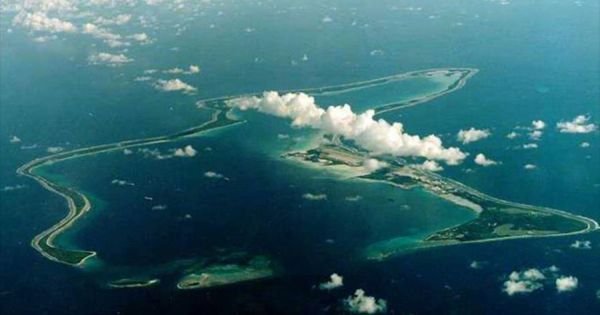
    Chagos Islands are important because they host the strategically located Diego Garcia base. The joint US-UK base is a significant hub for US naval and air operations.

    The Chagos Islands timeline

    November 1965: UK buys Chagos Islands for £3m to create the BIOT.

    February 2019: A UN court says that the UK has an ”obligation“ to end its administration of the Chagos Islands ”as rapidly as possible“.

    May 2019: The UN passes a non-binding resolution demanding that the UK ends its control of the Chagos Islands.

    November 2022: The UK and Mauritius agree to hold talks on the future of the Chagos Islands.

    October 2024: The UK transfers the sovereignty of the Chagos Islands to Mauritius after more than 50 years of control.

    December 2024: The UK government denies that there is a lack of US support for a deal over the islands.

    January 2025: A former First Sea Lord, Admiral Lord West, backs a report calling on the UK government to halt a deal that will hand sovereignty of the Chagos Islands to Mauritius.

    May 2025: A judge clears the way for the Government to sign its deal over the Chagos after discharging a High Court injunction which blocked the end of negotiations.

    January 2026: US President Donald Trump criticizes the UK-Chagos Islands deal, calling it an ”act of great stupidity”.


    Source link

  • Why the Chagos Islands are strategically vital to US and UK military operations — MercoPress

    Why the Chagos Islands are strategically vital to US and UK military operations — MercoPress


    Why the Chagos Islands are strategically vital to US and UK military operations

    Wednesday, January 21st 2026 – 11:21 UTC


    The US base on Diego Garcia is sizable and is seen as very important to maintaining regional stability.
    The US base on Diego Garcia is sizable and is seen as very important to maintaining regional stability.

    The Chagos Archipelago is of major military significance as it hosts the strategically located Diego Garcia base.

    Diego Garcia, the largest of the 55 islands that make up the archipelago, forms part of the British Indian Ocean Territory. Control of the islands passed to Britain following France’s cession of several Indian Ocean territories under the 1814 Treaty of Paris. The UK formally purchased the Chagos Islands for £3 million in November 1965, establishing the BIOT.

    The joint US–UK base on Diego Garcia is a key hub for US naval and air operations. It supports US Navy logistics vessels and long-range bombers, including the B-1B Lancer, providing a secure platform for operations across the Middle East and the wider Indo-Pacific region.

    The facility is considered critical to maintaining regional stability. While the base hosts a small UK contingent—estimated at around 40 personnel responsible for policing and customs—it is primarily operated by the United States.

    In total, approximately 396 joint military personnel are stationed on Diego Garcia, alongside more than 2,000 US Department of Defense civilians and contractors.


    Source link

  • HMS Medway replaces HMS Forth that completed five years in South Atlantic — MercoPress

    HMS Medway replaces HMS Forth that completed five years in South Atlantic — MercoPress


    Falklands patrol: HMS Medway replaces HMS Forth that completed five years in South Atlantic

    Wednesday, January 21st 2026 – 09:36 UTC


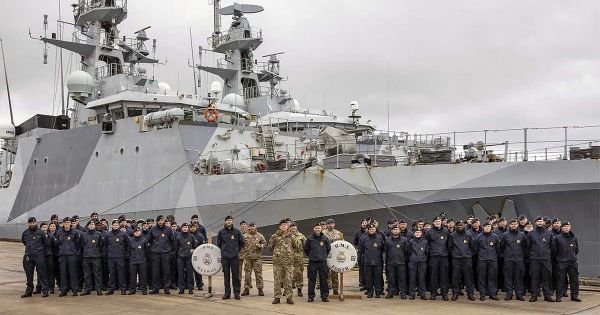
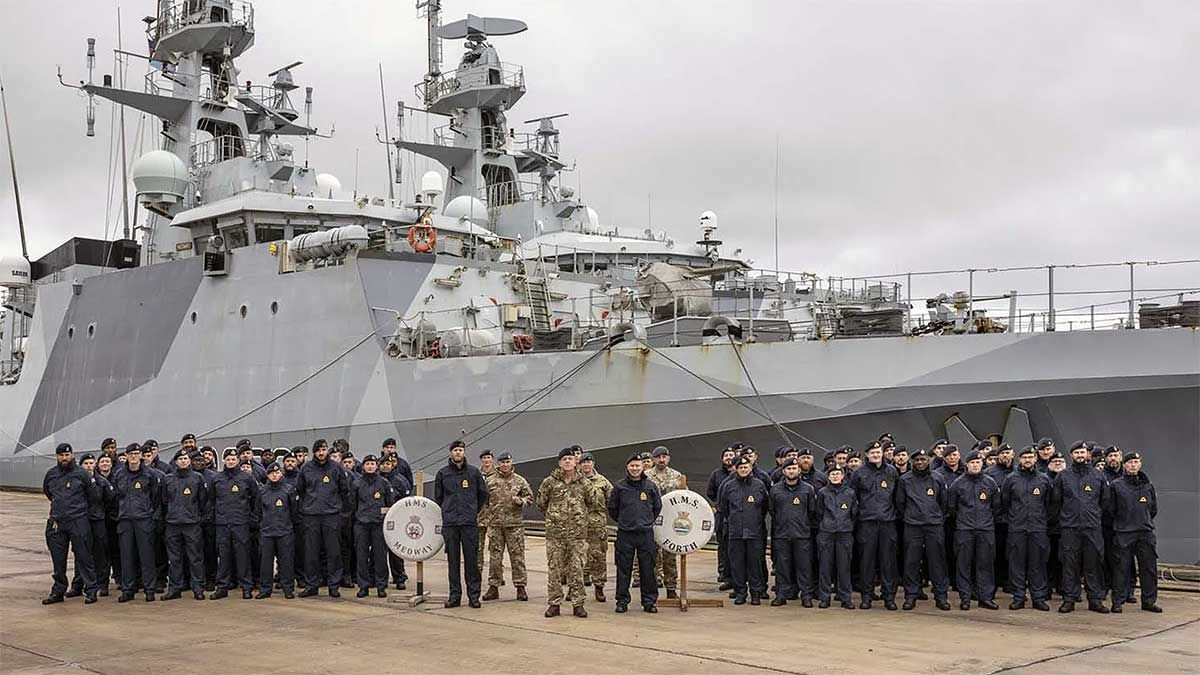
    The crews of HMS Medway and Forth pose with their ships (Picture: Royal Navy)
    The crews of HMS Medway and Forth pose with their ships (Picture: Royal Navy)

    Royal Navy says HMS Forth has completed 155,000 nautical miles of patrols since arriving in 2020
    Royal Navy says HMS Forth has completed 155,000 nautical miles of patrols since arriving in 2020

    HMS Forth has been replaced by HMS Medway as the Royal Navy’s permanent patrol vessel in the Falkland Islands and the wider South Atlantic. The handover sees one Batch 2 River-class sister ship replacing the other after HMS Forth’s more than five years based at East Cove Military Port. HMS Forth is now heading back to the UK for the first time in more than five years.

     HMS Medway is taking on the South Atlantic patrol role after spending most of her active service deployed to the Caribbean.

    This is not HMS Medway’s first time operating in the region. She temporarily took on the Falklands patrol ship duties in 2023 while HMS Forth underwent a refit in Gibraltar.

    The Royal Navy says HMS Forth has completed 155,000 nautical miles of patrols since arriving in 2020, the equivalent of more than seven times around the globe, operating from the East Cove military port, also known as Mare Harbor, close to the Mount Pleasant Complex.

    Most of that time was spent around the Falklands archipelago on fishery protection and wider maritime security tasks.

    The ship also ranged further afield to South Georgia, delivered Covid vaccines to Tristan da Cunha in 2021, and represented the UK during Exercise Unitas off Rio in 2022.

    HMS Forth launched her sea boat 250 times during the deployment, with roughly a third of the ship’s company rotated every seven and a half weeks – 42 personnel changes in total, according to the Royal Navy.

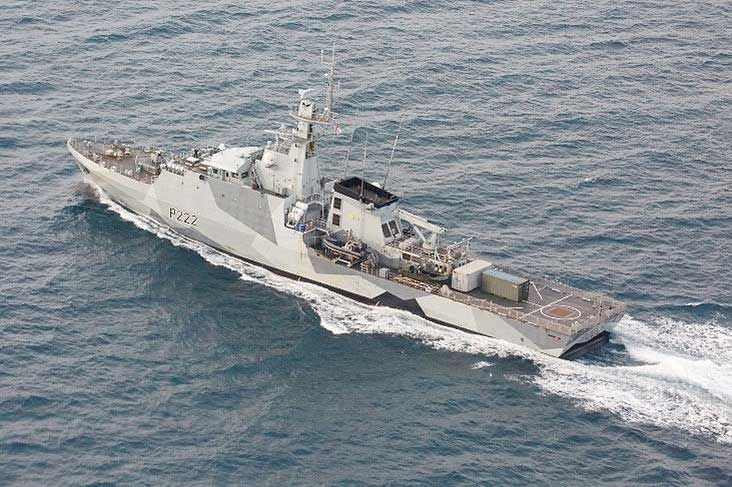
    HMS Medway and HMS Forth are both Batch 2 River-class offshore patrol vessels, with broadly similar design and kit, so the change is more about a fresh vessel and crew taking over the tasking than a shift in capability.

    Both are 90-metre OPVs designed for long patrols, with a range of about 5,500 nautical miles and a top speed of around 24 knots. Each has a flight deck capable of hosting a Wildcat or Merlin helicopter and is armed with a 30mm cannon.

    The class is designed to run with a core crew of 36, but the Royal Navy has said the ships are intended to deploy with 58 on board, with space for 70 when needed.

    Both ships are named after UK rivers. HMS Forth was named after the River Forth in Scotland, while HMS Medway is named after the River Medway in Kent, an area with longstanding Royal Navy links through Chatham Historic Dockyard.


    Source link

  • Why This Caribbean Territory’s Crypto Bet Isn’t About Bitcoin

    Why This Caribbean Territory’s Crypto Bet Isn’t About Bitcoin


    By NAN Business Editor

    News Americas, DAVOS, Switzerland, Weds. Jan. 21, 2026: While global headlines frame one Caribbean territory’s latest move as a bold “crypto bet,” the island’s real play is far more pragmatic – and far more Caribbean.

    The Government of Bermuda has announced its plans to transform Bermuda into the world’s first fully on-chain national economy with support from Circle and Coinbase.
    The Government of Bermuda has announced its plans to transform Bermuda into the world’s first fully on-chain national economy with support from Circle and Coinbase.

    Bermuda, a British overseas territory, isn’t chasing crypto culture. It’s trying to escape the quiet tax that small island economies pay every day: punitive banking costs, slow cross-border payments, and shrinking merchant margins.

    At the World Economic Forum this week, Bermuda announced plans to become the world’s first fully on-chain national economy, partnering with Circle and Coinbase. But beneath the buzzwords lies a familiar Caribbean problem – and a strategic response other territories are watching closely.

    The Hidden Cost Of Being an Island Economy

    For decades, Caribbean jurisdictions have been lumped into “high-risk” banking categories, regardless of compliance strength. The result:

    • Higher merchant fees
    • Delayed settlements
    • Limited access to international payment processors
    • and constant de-risking pressure on local banks

    For small and medium-sized businesses, especially in tourism and services, traditional payment rails quietly drain revenue. Bermuda’s move to an on-chain economy using USDC isn’t about replacing the dollar -— it’s about accessing it more efficiently.

    With stablecoin payments, Bermudian merchants can accept fast, dollar-denominated transactions without the layers of correspondent banking fees that have long punished island economies simply for being islands.

    Why This Matters Beyond Bermuda

    What makes Bermuda different isn’t the technology – it’s the groundwork.

    The territory has spent nearly a decade building regulatory credibility, becoming one of the first jurisdictions globally to implement a comprehensive digital asset framework under its Digital Asset Business Act in 2018. Circle and Coinbase were early licensees, growing alongside the island’s regulated ecosystem. That regulatory maturity is why Bermuda can experiment at a national scale while many Caribbean governments remain stuck between fear of de-risking and fear of innovation.

    The recent USDC airdrop at the Bermuda Digital Finance Forum – 100 USDC to every attendee for use at local merchants – wasn’t a gimmick. It was a live stress test of whether digital finance could circulate value locally, not siphon it offshore.

    A Caribbean Test Case For The Future of Money

    Premier David Burt has framed the initiative as a collaboration between government, regulators, and industry – a model that reflects Bermuda’s long-standing approach to financial services. “Bermuda has always believed that responsible innovation is best achieved through partnership between government, regulators, and industry,” said Premier Burt. “With the support of Circle and Coinbase, two of the world’s most trusted digital finance companies, we are accelerating our vision to enable digital finance at the national level. This initiative is about creating opportunity, lowering costs, and ensuring Bermudians benefit from the future of finance.”

    “Bermuda has been a global pioneer in digital asset regulation and continues to demonstrate what responsible blockchain innovation looks like at a national scale,” said Circle Co-Founder, Chairman, and CEO, Jeremy Allaire. “We are proud to deepen our engagement as Bermuda empowers people and businesses with USDC and onchain infrastructure.”

    “Coinbase has long believed that open financial systems can drive economic freedom,” said Coinbase CEO Brian Armstrong. “Bermuda’s leadership shows what is possible when clear rules are paired with strong public-private collaboration. We are excited to support Bermuda’s transition toward an onchain economy that empowers local businesses, consumers, and institutions.”

    If successful, Bermuda’s experiment could offer a blueprint for other Caribbean territories grappling with the same structural constraints but lacking Bermuda’s regulatory head start. The real question isn’t whether crypto works. It’s whether on-chain finance can finally level a global system that has never been fair to small island economies.

    For the Caribbean, Bermuda’s bet may signal not a leap into the future – but a long-overdue correction of the past.


    Source link

  • How Hybrid Strains Deliver Balanced Effects for Everyday Life — MercoPress

    How Hybrid Strains Deliver Balanced Effects for Everyday Life — MercoPress


    The Sweet Spot: How Hybrid Strains Deliver Balanced Effects for Everyday Life

    Tuesday, January 20th 2026 – 00:02 UTC


    Full article


    Many cannabis enthusiasts are looking for something more refined than just “the strongest weed.” They want a strain that enhances real life: a calmer body, a steadier mood, less pain, or better sleep—without feeling glued to the couch or mentally overstimulated. That’s where hybrid strains shine.

    While a pure indica can be perfect for deep relaxation and a pure sativa can offer a sharp, creative buzz, hybrids masterfully blend these qualities to create a more balanced, functional experience. They represent the best of both worlds, and for many, they are the key to unlocking the full potential of cannabis. To explore this diverse world, a comprehensive resource is essential. We’ll be referencing weed.de, Europe’s leading cannabis strain database, to guide you through finding your perfect hybrid.

    The Art of the Blend: Why Hybrids Work So Well

    Think of cannabis effects like a sound mixing board with sliders for mood, body tension, focus, and energy. Pure sativas and indicas tend to push a few of these sliders to the maximum. Hybrids, on the other hand, offer a more nuanced adjustment, smoothing out the extremes.

    This is why they are often described as “easier” to enjoy. For someone prone to anxiety, a hybrid can soften the intense mental stimulation of a pure sativa. For those who want to avoid heavy sedation during the day, a hybrid can provide physical relief without the “couch-lock” effect. This makes them incredibly versatile for both medicinal and recreational users.

    The Hybrid Spectrum: From Gentle Lifts to Deep Calm

    “Hybrid” isn’t a single category; it’s a vast spectrum. Breeders cross-pollinate sativa and indica plants to target specific effects, aromas, and growth patterns. The result is a rich tapestry of experiences, generally categorized by their genetic leaning.

    – Sativa-Dominant Hybrids: These strains deliver an uplifting, energetic experience perfect for daytime use, creative projects, or social gatherings. The touch of indica genetics helps to smooth out any sharp mental edges, providing focus without the restlessness. Blue Dream is a classic example, beloved for its gentle, clear-headed euphoria, and you can explore its full profile and user reviews on weed.de.

    – Indica-Dominant Hybrids: Ideal for evening use, these hybrids offer deep physical relaxation and stress relief with enough mental clarity to stay present and functional. They are perfect for unwinding after a long day without the immediate sedation of a pure indica. Strains like Ice Cream Cake are popular for their comforting, soothing effects that lead to gradual relaxation. A quick search on weed.de will reveal its terpene profile, which is rich in calming linalool.

    – Balanced Hybrids (50/50): Offering a true middle ground, these strains provide a harmonious blend of mood elevation and body relaxation. They are often the best starting point for beginners or anyone seeking versatile relief that can be enjoyed at any time of day. OG Kush, for instance, is famous for its ability to crush stress while keeping the mind alert.

    Description of the image


    Fine-Tuning Your Experience: It’s More Than Just a Name

    While the hybrid type is a great starting point, several other factors help you pinpoint the perfect strain for your needs.

    The Cannabinoid Ratio: THC & CBD in Harmony

    THC is the primary intoxicating compound, but a great experience is about more than just high potency. For many, the “sweet spot” comes from a balanced dose. Furthermore, CBD, a non-intoxicating cannabinoid, can create a smoother, less edgy experience. If you’re sensitive to THC, look for hybrids on weed.de with a more balanced THC:CBD ratio.

    Terpenes: The Aromatic Architects of Effect

    Terpenes are the aromatic oils that give cannabis its scent—from citrus and pine to earthy and floral. They also play a crucial role in shaping a strain’s effects. Many users find that tracking terpenes is the secret to consistently finding strains they love.

    – Myrcene: Associated with relaxing, sedating effects.

    – Limonene: Linked to a brighter, mood-lifting feel.

    – Pinene: Described as promoting a clearer, more alert state.

    – Linalool: Known for its calming, lavender-like notes.

    Pro Tip: Use the advanced filters on weed.de to search for hybrids based on their dominant terpenes. Looking for a focused, daytime hybrid? Filter for strains high in limonene and pinene.

    Description of the image


    How to Choose Your Perfect Hybrid

    Navigating the world of hybrids is an exciting journey of discovery. Here’s a simple way to start:

    1. Define Your Goal: Are you looking for daytime energy, evening relaxation, or creative focus?

    2. Start Filtering on Weed.de: Begin by selecting the hybrid type that matches your goal (sativa-dominant, indica-dominant, or balanced).

    3. Refine by Cannabinoids and Terpenes: Narrow your search by your preferred THC/CBD levels and terpene profile.

    4. Read Reviews: See what other users are saying. Reviews on weed.de provide invaluable real-world insight into a strain’s effects.

    By following this process, you move beyond catchy names and make an informed choice based on chemistry and community experience.

    Conclusion

    Hybrid strains are popular for a reason: they offer a balanced, functional, and enjoyable cannabis experience that fits seamlessly into real life. By understanding the interplay of genetics, cannabinoids, and terpenes—and by using a powerful resource like weed.de to guide your search—you can confidently discover the perfect hybrid to meet your needs. It’s not about finding a flawless strain on paper; it’s about finding the one that works beautifully for you.

    FAQ

    Are hybrid strains “better” than indica or sativa?

    Not inherently. Hybrids are often easier for many people because they can soften extremes, but a pure indica or sativa may be ideal for specific goals. The best choice depends on the effect you want and how you respond to THC.

    What’s the difference between a 60/40 hybrid and an 80/20 hybrid?

    Usually a noticeable shift in feel. A strongly sativa-leaning hybrid may feel more energizing and mentally active, while a strongly indica-leaning hybrid may feel more physically sedating. The higher the dominance, the more the experience tends to “tilt.”

    Does CBD make a hybrid feel less anxious?

    Sometimes. CBD can moderate the subjective intensity of THC for some people, especially those who are anxiety-prone. It doesn’t guarantee a calm experience, but it can be a helpful variable when experimenting.

    Which hybrids are best for daytime use?

    Often, sativa-leaning or truly balanced hybrids at moderate THC doses are easiest to integrate into the day. If you want to stay functional, dose matters as much as the strain.

    Do terpenes matter more than sativa vs indica?

    For some people, yes. Terpenes may help explain why two hybrids with similar THC feel different. In practice, it’s best to use both: start with THC/CBD and dominance, then fine-tune with terpene profiles.

    Medical disclaimer

    This information is for education only and does not replace medical advice. Cannabis can affect individuals very differently, especially with mental health conditions, cardiovascular concerns, pregnancy, or when combined with medications. If you use cannabis medically, discuss strain selection and dosing with a qualified healthcare professional.


    Source link

  • Trump signals possible role for Machado as U.S. tightens Venezuela oil crackdown — MercoPress

    Trump signals possible role for Machado as U.S. tightens Venezuela oil crackdown — MercoPress


    Trump signals possible role for Machado as U.S. tightens Venezuela oil crackdown

    Wednesday, January 21st 2026 – 03:52 UTC


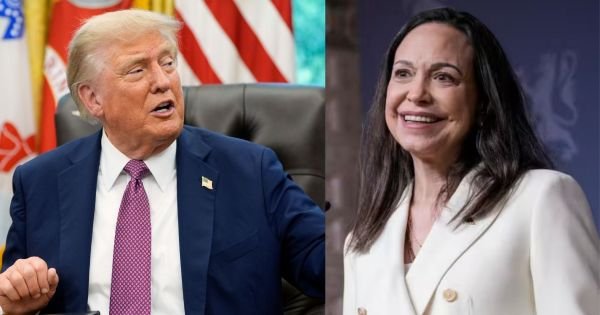
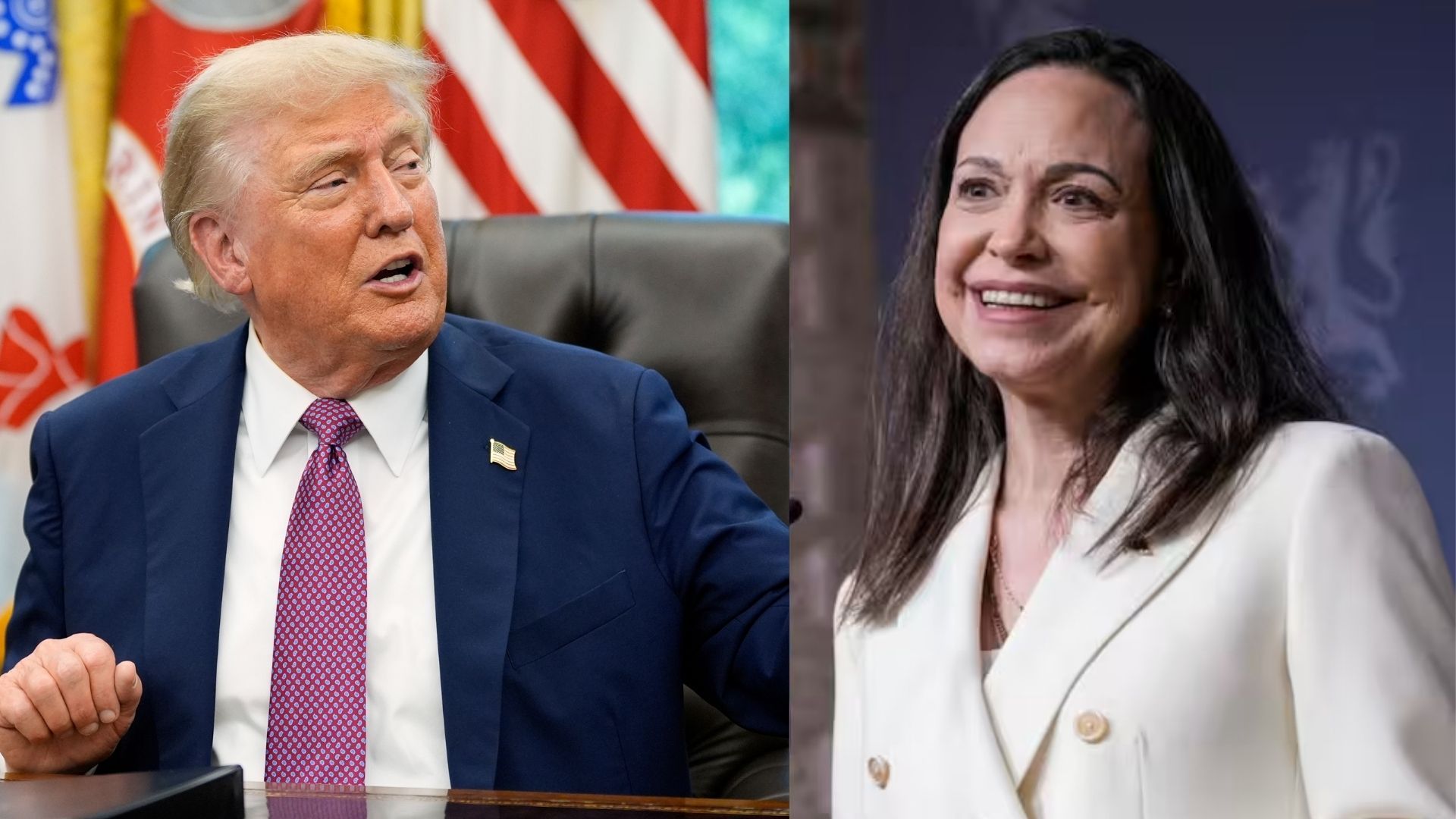
    “Maybe we can involve her somehow. I would love to be able to do that,” Trump told reporters
    “Maybe we can involve her somehow. I would love to be able to do that,” Trump told reporters

    United States President Donald Trump said Venezuela opposition leader María Corina Machado could “maybe” be brought into the transition process “in some way,” marking a notable shift in tone as Washington balances political messaging with day-to-day coordination in Caracas following Nicolás Maduro’s capture on January 3, according to a Reuters report.

    “We’re talking to her,” Trump said. “Maybe we can get her involved in some way. I’d love to be able to do that,” the President told reporters at a White House press conference marking the first year of his term. The remarks came as Machado continues a high-profile round of meetings in Washington, including with Cuban-American Republican lawmakers and diplomatic interlocutors, as she presses for international backing focused on political prisoners and human-rights conditions as prerequisites for any credible transition.

    The opening toward Machado sits alongside Trump’s parallel insistence that his administration is “working very well with Venezuela,” language widely read as a reference to operational coordination with the interim authorities in Caracas—particularly on energy and enforcement measures surrounding oil flows.

    On Tuesday, U.S. military forces intercepted another tanker in the Caribbean. U.S. Southern Command said it apprehended the Motor Vessel Sagitta “without incident” in support of the Department of Homeland Security, framing the move as part of Trump’s “quarantine” against sanctioned vessels operating in defiance of U.S. restrictions. The statement said the seizure underscored Washington’s determination to ensure “the only oil leaving Venezuela” is oil that is “properly and lawfully” coordinated.

    Machado has used her Washington trip to argue that incremental releases do not amount to freedom in Venezuela and that any transition must begin by dismantling the state’s coercive apparatus. In comments carried by CNN, she stressed that “being released from prison is not the same as being free,” and urged pressure for broader releases and guarantees.

    Taken together, the developments highlight an emerging dual-track approach: the White House is publicly entertaining a role for the country’s best-known opposition figure while maintaining working channels with the interim authorities to manage security and oil enforcement. The administration has not specified what “involving” Machado would mean—symbolic consultation, a formal political mandate, or a substantive executive function—but Trump’s statement alone reshapes expectations in Washington about who may be empowered to represent Venezuela in the next phase.


    Source link

  • Uruguay to send 40 firefighters to Chile as Biobío and Ñuble wildfires leave at least 20 dead — MercoPress

    Uruguay to send 40 firefighters to Chile as Biobío and Ñuble wildfires leave at least 20 dead — MercoPress


    Uruguay to send 40 firefighters to Chile as Biobío and Ñuble wildfires leave at least 20 dead

    Wednesday, January 21st 2026 – 00:06 UTC


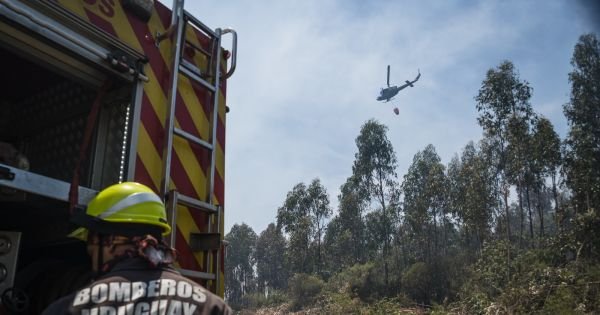
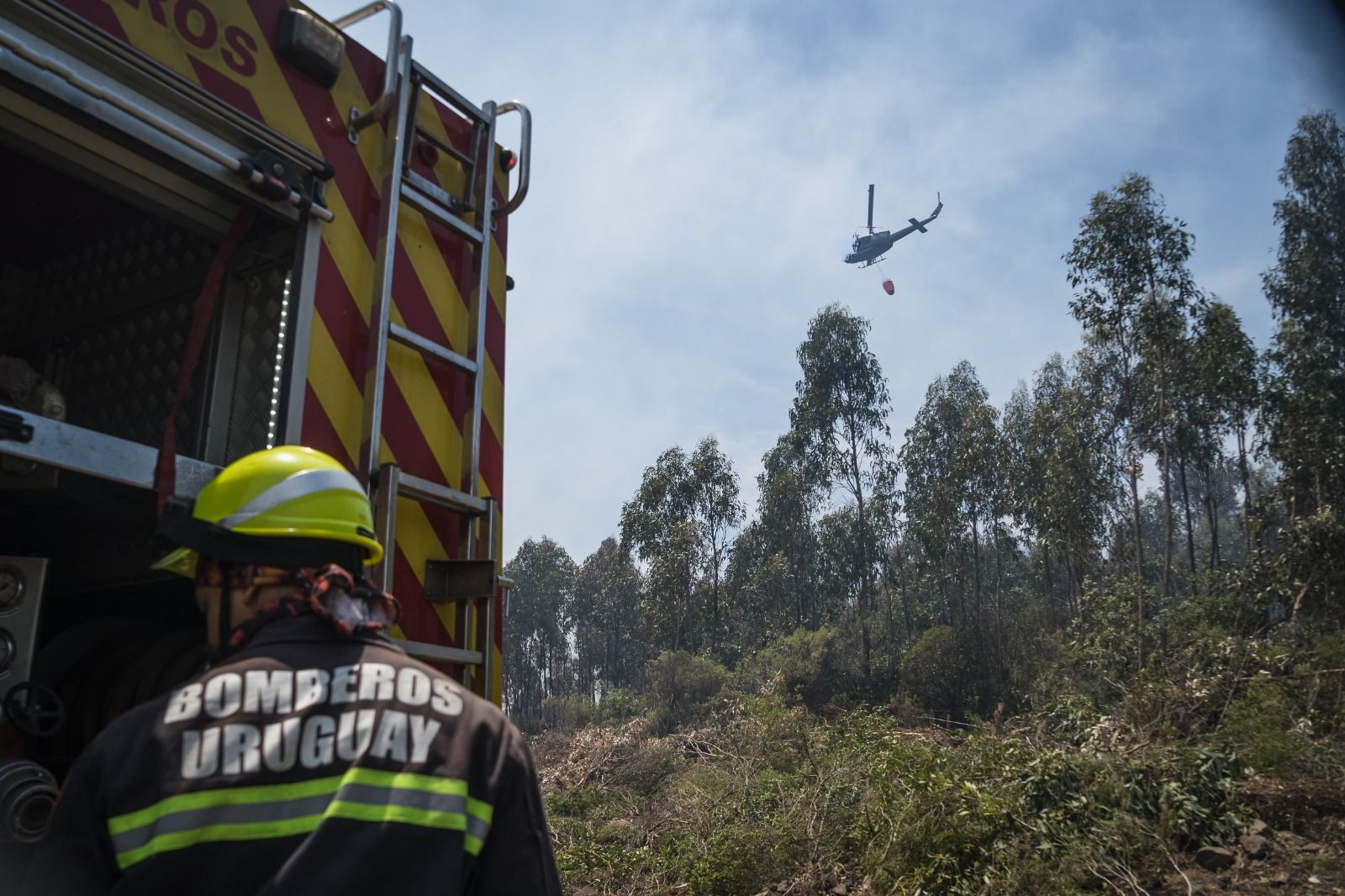
    Firefighters fighting a fire in Piriápolis, Uruguay. Photo: Sebastián Astorga
    Firefighters fighting a fire in Piriápolis, Uruguay. Photo: Sebastián Astorga

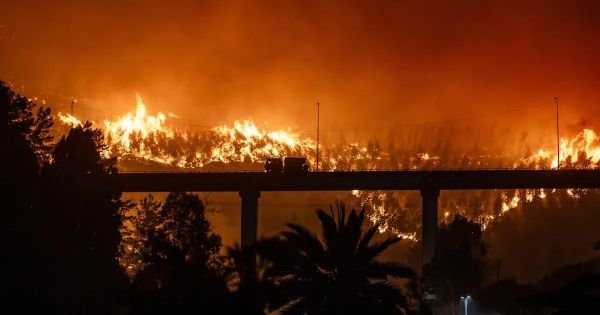
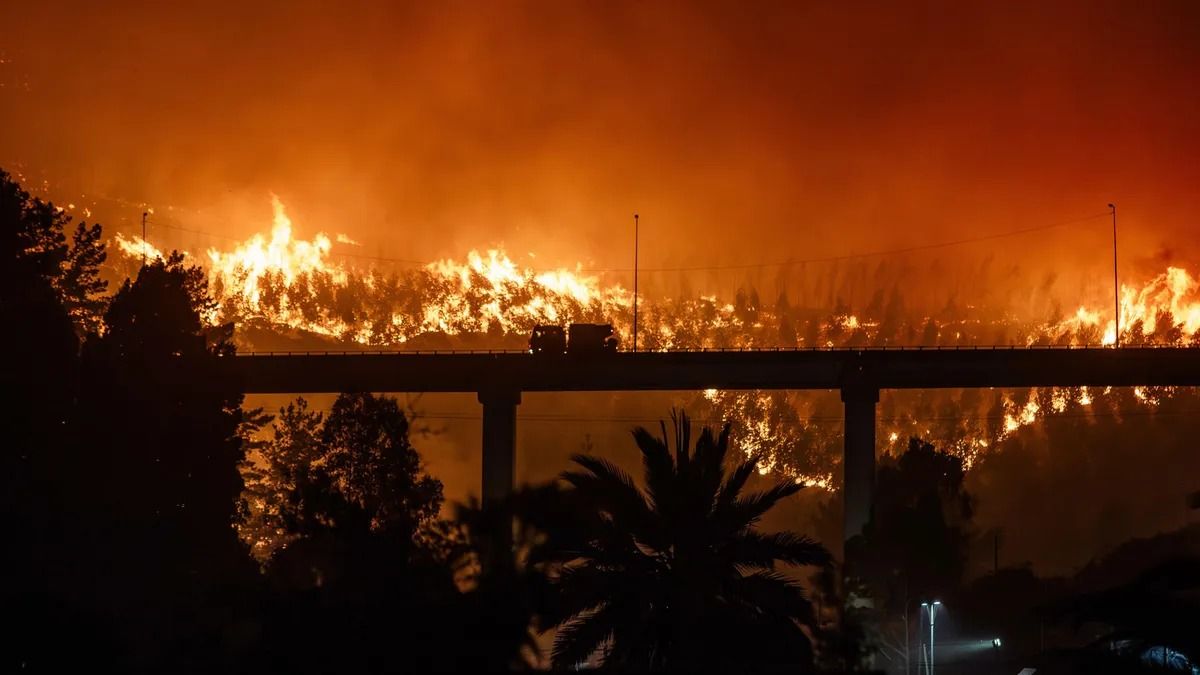
    Uruguay will deploy a contingent of around 40 firefighters to Chile to help battle the wildfires ravaging the country’s south-central regions—particularly Biobío and Ñuble—where Chilean authorities have reported at least 20 deaths and thousands of people affected.

    Uruguayan President Yamandú Orsi confirmed the deployment after Chile submitted a formal request for humanitarian assistance. The team is scheduled to depart on Thursday, January 22, aboard a Uruguayan Air Force Hercules C-130 aircraft and will work for seven days, with the mission expected to run through January 31. Orsi said the unit will provide “human support” for direct firefighting in hard-to-reach areas where heavy machinery cannot operate.

    In Chile, an official update issued on Tuesday put the death toll at 20 and reported 7,237 affected people and 562 shelter residents, as multiple active fronts continued to test emergency services. The same report counted 590 homes destroyed—most of them in Biobío—and noted damage to public infrastructure, including schools and health facilities.

    Chile’s disaster agency Senapred said its SAE emergency alert system has been used extensively to order evacuations as fire lines shift quickly. Local coverage in recent days also cited evacuation calls for specific sectors in Biobío in coordination with Senapred.

    President Gabriel Boric declared a state of catastrophe and imposed nighttime restrictions in the hardest-hit areas. Interior Minister Álvaro Elizalde warned that conditions could deteriorate again as weather changes and urged caution around sites under investigation, as prosecutors and police work to determine how the fires started.

    Authorities also reported arrests linked to suspected deliberate actions and condemned attacks against firefighters in La Araucanía, where volunteers faced threats and gunfire while battling a blaze.

    Chile has faced increasingly destructive wildfire seasons in recent years. In February 2024, fires in the Valparaíso region killed more than 100 people, one of the country’s deadliest recent disasters, according to reporting and official statements at the time.

    Uruguay’s deployment adds to regional disaster-assistance mechanisms as Chile continues an expanded response combining ground crews, aerial resources and international coordination for specialized reinforcements.


    Source link

  • Uruguay to send 40 firefighters to Chile as Biobío and Ñuble wildfires leave at least 20 dead — MercoPress

    Uruguay to send 40 firefighters to Chile as Biobío and Ñuble wildfires leave at least 20 dead — MercoPress


    Uruguay to send 40 firefighters to Chile as Biobío and Ñuble wildfires leave at least 20 dead

    Wednesday, January 21st 2026 – 00:06 UTC


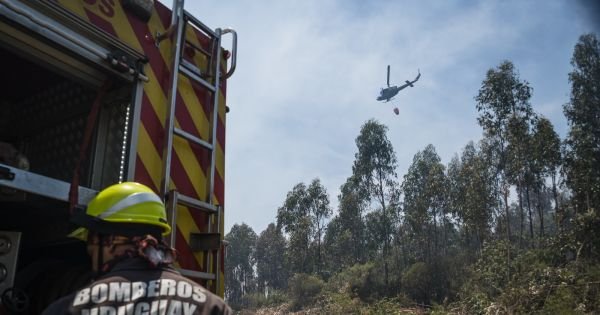
    Firefighters fighting a fire in Piriápolis, Uruguay. Photo: Sebastián Astorga
    Firefighters fighting a fire in Piriápolis, Uruguay. Photo: Sebastián Astorga

    Uruguay will deploy a contingent of around 40 firefighters to Chile to help battle the wildfires ravaging the country’s south-central regions—particularly Biobío and Ñuble—where Chilean authorities have reported at least 20 deaths and thousands of people affected.

    Uruguayan President Yamandú Orsi confirmed the deployment after Chile submitted a formal request for humanitarian assistance. The team is scheduled to depart on Thursday, January 22, aboard a Uruguayan Air Force Hercules C-130 aircraft and will work for seven days, with the mission expected to run through January 31. Orsi said the unit will provide “human support” for direct firefighting in hard-to-reach areas where heavy machinery cannot operate.

    In Chile, an official update issued on Tuesday put the death toll at 20 and reported 7,237 affected people and 562 shelter residents, as multiple active fronts continued to test emergency services. The same report counted 590 homes destroyed—most of them in Biobío—and noted damage to public infrastructure, including schools and health facilities.

    Chile’s disaster agency Senapred said its SAE emergency alert system has been used extensively to order evacuations as fire lines shift quickly. Local coverage in recent days also cited evacuation calls for specific sectors in Biobío in coordination with Senapred.

    President Gabriel Boric declared a state of catastrophe and imposed nighttime restrictions in the hardest-hit areas. Interior Minister Álvaro Elizalde warned that conditions could deteriorate again as weather changes and urged caution around sites under investigation, as prosecutors and police work to determine how the fires started.

    Authorities also reported arrests linked to suspected deliberate actions and condemned attacks against firefighters in La Araucanía, where volunteers faced threats and gunfire while battling a blaze.

    Chile has faced increasingly destructive wildfire seasons in recent years. In February 2024, fires in the Valparaíso region killed more than 100 people, one of the country’s deadliest recent disasters, according to reporting and official statements at the time.

    Uruguay’s deployment adds to regional disaster-assistance mechanisms as Chile continues an expanded response combining ground crews, aerial resources and international coordination for specialized reinforcements.


    Source link

  • death toll rises to 20 as authorities report widespread destruction and arrest a suspect — MercoPress

    death toll rises to 20 as authorities report widespread destruction and arrest a suspect — MercoPress


    Chile wildfires: death toll rises to 20 as authorities report widespread destruction and arrest a suspect

    Wednesday, January 21st 2026 – 00:11 UTC


    In the most recent government assessment, Chile reported 536 homes destroyed and said fires nationwide had affected over 34,000 hectares. Photo: EFE/Pablo Hidalgo
    In the most recent government assessment, Chile reported 536 homes destroyed and said fires nationwide had affected over 34,000 hectares. Photo: EFE/Pablo Hidalgo

    Wildfires burning across south-central Chile have pushed the confirmed death toll to 20, with authorities keeping red alerts, a state of catastrophe, and a night-time curfew in parts of the Biobío and Ñuble regions as crews continue to battle multiple active blazes.

    Interior Minister Álvaro Elizalde confirmed the latest figures, warning that extreme temperatures and hot, dry winds funneling from the Andes into the valleys have made containment efforts harder. The emergency has also resulted in thousands of evacuations, 75 people injured, and more than 500 residents housed in shelters, according to official information carried by EFE.

    In the most recent government assessment, Chile reported 536 homes destroyed and said fires nationwide had affected over 34,000 hectares, with Biobío suffering the largest share of the damage. Elizalde said 19 of the fatalities were in Biobío and one in Ñuble, and noted that curfew measures remained in specific areas including Lirquén, Laja and Penco.

    Read also: Uruguay to send 40 firefighters to Chile as Biobío and Ñuble wildfires leave at least 20 dead

    Authorities are also investigating potential criminal responsibility. In Penco, a 50-year-old man was arrested after allegedly trying to ignite vegetation near a fire station. Police said they seized “a lighter” and a bag containing copper cable, according to statements cited by EFE from Major Bruno Gallardo. The suspect reportedly has prior records for theft and drug-law violations.

    Politically, the crisis produced an unusual show of unity: President Gabriel Boric and president-elect José Antonio Kast appeared together from La Moneda to urge public responsibility. Boric thanked Kast for his “willingness” to cooperate and said the president-elect would be expected to lead “part of the important reconstruction process.”

    Officials have reiterated that those responsible will be pursued and prosecuted, while emergency services focus on protecting populated areas, sustaining ground operations in difficult terrain, and keeping evacuation systems ready as weather conditions remain unstable.


    Source link

  • Brazil revives naval industry through Petrobras-led investment drive — MercoPress

    Brazil revives naval industry through Petrobras-led investment drive — MercoPress


    Brazil revives naval industry through Petrobras-led investment drive

    Wednesday, January 21st 2026 – 00:26 UTC


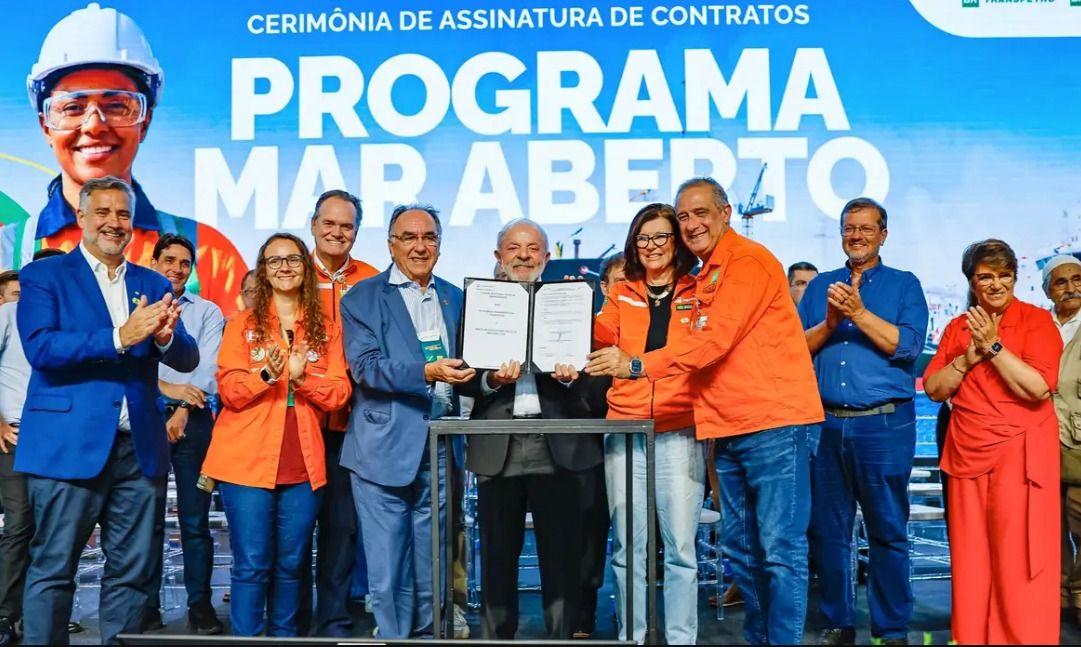
    The ceremony was attended by President Luiz Inácio Lula da Silva, the governor of Rio Grande do Sul, Eduardo Leite, as well as ministers, parliamentarians, and other authorities
    The ceremony was attended by President Luiz Inácio Lula da Silva, the governor of Rio Grande do Sul, Eduardo Leite, as well as ministers, parliamentarians, and other authorities

    Petrobras, through its logistics subsidiary Transpetro, signed contracts worth R$2.8 billion (around US$570 million) on Tuesday for the construction of five gas carriers, 18 pushboats and 18 barges at shipyards in Rio Grande do Sul, Amazonas and Santa Catarina, as part of a government-backed effort to revive Brazil’s shipbuilding industry and reduce reliance on chartered vessels.

    According to Agência Brasil, the largest contract—worth R$2.2 billion—was awarded to the Rio Grande Ecovix shipyard for the construction of the gas carriers. The first delivery is scheduled for 33 months, followed by additional vessels every six months. In Manaus, Bertolini Construção Naval da Amazônia will build 18 barges under a R$295 million contract, while Indústria Naval Catarinense, in Navegantes, will construct 18 pushboats for R$325 million.

    Petrobras CEO Magda Chambriard said the new vessels will feature state-of-the-art onboard technology and will expand Transpetro’s gas carrier fleet from six to 14 ships, effectively tripling its capacity to transport liquefied petroleum gas (LPG) and related products. Petrobras said the new gas carriers are expected to be up to 20% more energy-efficient and cut greenhouse gas emissions by 30%, while also being capable of operating at electrified ports.

    The contracts fall under the federal Mar Aberto programme, which aims to mobilise R$32 billion in investments by 2030 to revitalise Brazil’s naval industry. Speaking at the signing ceremony, President Luiz Inácio Lula da Silva defended the government’s industrial policy for the sector, while Transpetro CEO Sergio Bacci highlighted the role of local-content rules, the Merchant Marine Fund and tax incentives.

    Brazilian authorities also stressed the employment impact, estimating the creation of more than 9,000 direct and indirect jobs, including around 7,000 at the Rio Grande shipyard alone. Petrobras projects that employment in the shipbuilding sector—up from 18,000 jobs in 2022 to 50,000 in 2025—could return to nearly 80,000 in the coming years.


    Source link

Translate »